The best Korean skincare for acne-prone skin is a short, gentle routine: a double cleanse, a soothing toner or essence, a centella or niacinamide serum, a lightweight moisturizer and daily SPF. Use a BHA only two or three nights a week, skip fragrance and heavy oils, and add one new product at a time.
Key Takeaways
- Korean skincare treats acne by calming and protecting the skin barrier, not by stripping oil.
- Centella asiatica, niacinamide, salicylic acid (BHA), azelaic acid and heartleaf are the most useful acne-friendly ingredients.
- You do not need ten steps. A cleanser, one treatment, a moisturizer and sunscreen is enough to start.
- Introduce one product every two weeks and patch test first.
- See a board-certified dermatologist for cystic, painful or scarring acne.
What Makes Korean Skincare Different for Acne-Prone Skin?
Many acne routines in the US lean on strong actives and drying formulas. Korean skincare takes the opposite approach: hydrate, soothe and protect first, then treat. A weakened barrier makes skin more reactive and oilier, so gentle layers often help breakouts calm down faster than harsh scrubs do.
If you are new to the style, start with our guide to building a 5-step Korean skincare routine, then learn how to layer Korean skincare in the right order. You can also browse these Korean skincare sets that actually work if you prefer a ready-made lineup.
Best Korean Skincare Routine for Acne-Prone Skin
Keep the routine simple and consistent. Here is a beginner-friendly order you can follow morning and night.
| Step | Morning | Evening |
|---|---|---|
| 1. Cleanse | Low-pH gel cleanser or water only | Oil or balm cleanser (if you wore sunscreen or makeup), then a gel cleanser |
| 2. Tone or essence | Soothing toner with heartleaf or centella | Same soothing toner |
| 3. Treat | Niacinamide or centella serum | BHA 2–3 nights a week, or azelaic acid on other nights |
| 4. Moisturize | Lightweight gel cream | Barrier cream with ceramides |
| 5. Protect | Broad-spectrum SPF 30 or higher | Not needed |
Key Ingredients That Help Acne-Prone Skin
| Ingredient | What it does | How to use it |
|---|---|---|
| Centella asiatica (cica) | Calms redness and supports the skin barrier | Daily, morning and night |
| Niacinamide | Helps with excess oil, uneven tone and post-acne marks | Daily, start with a low percentage |
| Salicylic acid (BHA) | Clears oil and dead skin inside pores | 2–3 nights a week, then increase if skin tolerates it |
| Azelaic acid | Reduces breakouts and dark marks | Evening, after a patch test |
| Heartleaf (Houttuynia cordata) | Soothes irritated, blemish-prone skin | Toner or essence, morning and night |
| Hyaluronic acid and panthenol | Adds lightweight hydration | On damp skin, under moisturizer |
Popular Korean Skincare Products for Acne
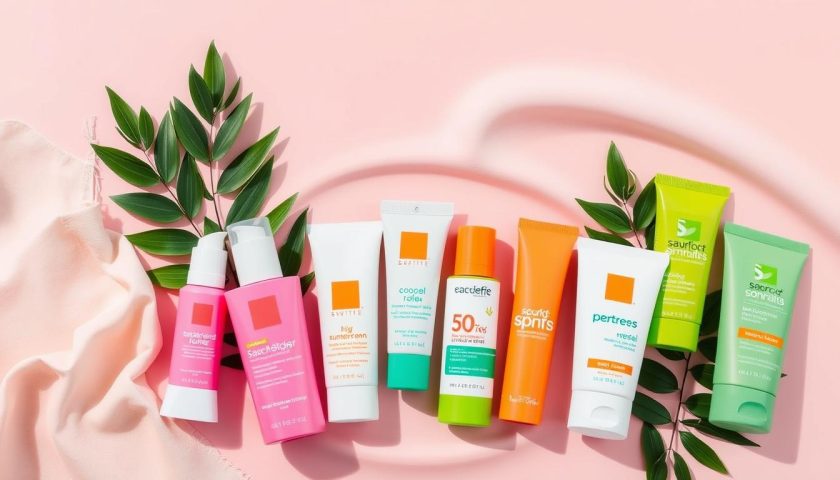
These products are widely recommended for acne-prone skin and are sold online and at many US beauty retailers. Formulas and prices change, so check the ingredient list before you buy.
| Step | Product | Why people choose it |
|---|---|---|
| Cleanser | COSRX Low pH Good Morning Gel Cleanser | Gentle, low-pH formula that does not leave skin tight |
| Toner | Anua Heartleaf 77% Soothing Toner | Lightweight soothing layer for redness |
| Serum | Skin1004 Madagascar Centella Ampoule | Simple centella formula for calming irritation |
| Exfoliant | COSRX BHA Blackhead Power Liquid | Targets clogged pores and blackheads |
| Moisturizer | Etude SoonJung 2x Barrier Intensive Cream | Barrier-focused and fragrance-free |
| Sunscreen | Beauty of Joseon Relief Sun: Rice + Probiotics SPF 50+ | Lightweight finish that suits oily and combination skin |
| Spot care | COSRX Acne Pimple Master Patch | Hydrocolloid patches that protect a pimple from picking |
For a wider look at what dermatologists recommend, see our list of the best skincare products of all time.
Ingredients and Habits to Avoid
- Fragrance and essential oils: common triggers for irritation on acne-prone skin.
- Harsh scrubs: physical scrubs can inflame breakouts and damage the barrier.
- Too many actives at once: combining BHA, retinoids and strong acids in one night often causes dryness and flare-ups.
- Picking pimples: increases the risk of dark marks and scarring. Use a patch instead.
- Skipping sunscreen: UV exposure makes post-acne marks darker and slower to fade.
How to Start Without Irritating Your Skin
Begin with a cleanser, moisturizer and sunscreen for the first two weeks. Add one treatment, such as centella or niacinamide, and wait two weeks before adding the next product. Patch test new products on your jawline for 24 hours. If you see stinging, burning or new bumps, stop using it.
Healthy skin is also about the bigger picture. Texture and pores are normal, which is why many people embrace visible pores as a flex and the visible pores trend. If you love glowy skin, read about cloud skin and glass skin and the Korean beauty standards behind the trend.
When to See a Dermatologist
Over-the-counter routines work best for mild to moderate acne. See a board-certified dermatologist if you have deep, painful cysts, acne that leaves scars, or no improvement after about 8–12 weeks of consistent care. Prescription options such as topical retinoids or oral medication can be added alongside a gentle Korean routine.
Makeup and Beauty Tips for Acne-Prone Skin
Once your skin feels calmer, choose light, non-comedogenic makeup. Try blurry blush, the no-makeup makeup look, a breathable powder foundation or heatproof makeup for hot weather. For a playful finish, see metallic faux freckles, lip gloss layering and the best eyebrow gel.
Skin, hair and nails tie together. Read how to grow hair faster and stronger, how to match nail art with your skincare and which Tumblr beauty trends are returning. For broader context, explore American beauty standards, how beauty standards affect mental health and these 20 beauty blogs to follow.
Frequently Asked Questions
What is the best Korean skincare for acne-prone skin?
The best Korean skincare for acne-prone skin is a gentle routine built around a low-pH cleanser, a soothing toner, a centella or niacinamide serum, a lightweight moisturizer and daily sunscreen. Add a BHA a few nights a week if you have clogged pores.
Does Korean skincare really help with acne?
Korean skincare can help mild to moderate acne because it focuses on hydration, barrier support and gentle actives. Results vary, and persistent or cystic acne often needs care from a dermatologist.
How many steps do I need in a Korean skincare routine for acne?
Four to five steps are enough: cleanse, tone or essence, treat, moisturize and apply sunscreen in the morning. The famous 10-step routine is optional, and extra steps can irritate acne-prone skin.
Which Korean ingredients are best for acne?
Centella asiatica, niacinamide, salicylic acid, azelaic acid and heartleaf are among the most useful. Introduce them one at a time so you can tell what works for your skin.
Can I use Korean skincare if I have oily, acne-prone skin?
Yes. Choose gel or lightweight water-based textures, keep moisturizer in your routine and avoid heavy oils. Oily skin still needs hydration and sunscreen.
How long does it take to see results?
Most people notice calmer skin within two to four weeks, while visible changes in breakouts and marks can take eight to twelve weeks of consistent use.
Is snail mucin good for acne-prone skin?
Snail mucin is mainly a hydrating and soothing ingredient. It may help skin recover after breakouts, but it does not treat acne on its own, so pair it with proven ingredients such as BHA or azelaic acid.
Final Thoughts
Korean skincare works for acne when you keep it gentle, simple and consistent. Start small, protect your skin barrier, wear sunscreen every day and give each new product time before judging it. If breakouts stay stubborn, a dermatologist can tailor a plan that fits your skin.
More Beauty Reads You Might Like
- Tomato girl summer makeup and skin
- Blurryface makeup
- Clarifying shampoo for bleached hair
- Best volumizing hair cream
- Routine shampoo review
- American beauty rose meaning
- Best Korean skincare for acne (this guide)
- Browse all beauty articles