🌸 Key Takeaways On Decorate with Books
- Decorating with books is one of the most affordable quiet luxury interior design tricks that instantly makes any space look elevated and expensive
- Books work as home decor in every room including living rooms, bedrooms, home offices, and even small apartments and tiny spaces
- Organizing books by color, size, or theme creates a professionally styled look without hiring an interior designer
- Coffee table books are the single most powerful interior design accessory for living rooms and formal sitting rooms
- Creative stacking, layering, and forward-facing display techniques transform ordinary shelves into stunning design focal points
- Small room decor benefits enormously from books because they add visual depth and personality without taking up additional floor space
- DIY book customization including re-covering, painting, and removing dust jackets creates a cohesive, curated aesthetic on any budget
- Mixing books with plants, art, ceramics, and personal objects creates the layered, collected look that defines quiet luxury interior styling
If you want to make your home look elegant without spending a fortune on furniture or hiring an interior designer, books are your secret weapon. Decorating with books is one of the oldest and most reliable quiet luxury styling tricks in interior design, used by professional designers worldwide to add warmth, intelligence, personality, and visual depth to any space — from grand formal living rooms to tiny studio apartments.
This guide covers everything from choosing the right books and shelving to innovative display techniques, small room styling strategies, and the specific ways books solve the most common interior design challenges in small bedrooms, compact apartments, and awkward living spaces. Whether you have hundreds of books or just a handful, this approach to home styling will transform how your space looks and feels.
For more lifestyle and home inspiration that complements your interior styling journey, explore our complete lifestyle category and wellness fridges smart trend guide for a complete approach to beautiful, intentional living.
Why Books Are the Ultimate Quiet Luxury Home Accessory
Quiet luxury as an interior design philosophy is about creating spaces that feel expensive, considered, and deeply personal without obvious branding, loud patterns, or excessive decoration. Books fulfill every requirement of this aesthetic effortlessly and naturally.
A thoughtfully arranged bookshelf communicates intelligence, curiosity, and personal history in a way that no purchased decorative object can replicate. Books tell the story of who you are, what you value, and how you spend your inner life — and that authenticity is precisely what separates a truly beautiful, personal home from one that simply looks like a showroom.
Professional interior designers across the world consistently cite books as one of the most powerful and underutilized decorating tools available to homeowners and renters alike. Unlike furniture, art, or decorative objects that require significant investment, most people already own enough books to make a genuine design impact. The transformation lies entirely in how those books are arranged, displayed, and combined with other elements in the space.
The quiet luxury interior aesthetic that currently dominates platforms like Pinterest and Instagram — characterized by neutral tones, natural materials, layered textures, and objects that feel collected rather than purchased — is precisely the aesthetic that books naturally create when styled thoughtfully.
For more on the quiet luxury aesthetic and how it applies across fashion and lifestyle, explore our guides on vintage tees slip skirts and rise of olive green which cover the fashion dimension of this broader aesthetic movement.
How to Decorate a Living Room with Books
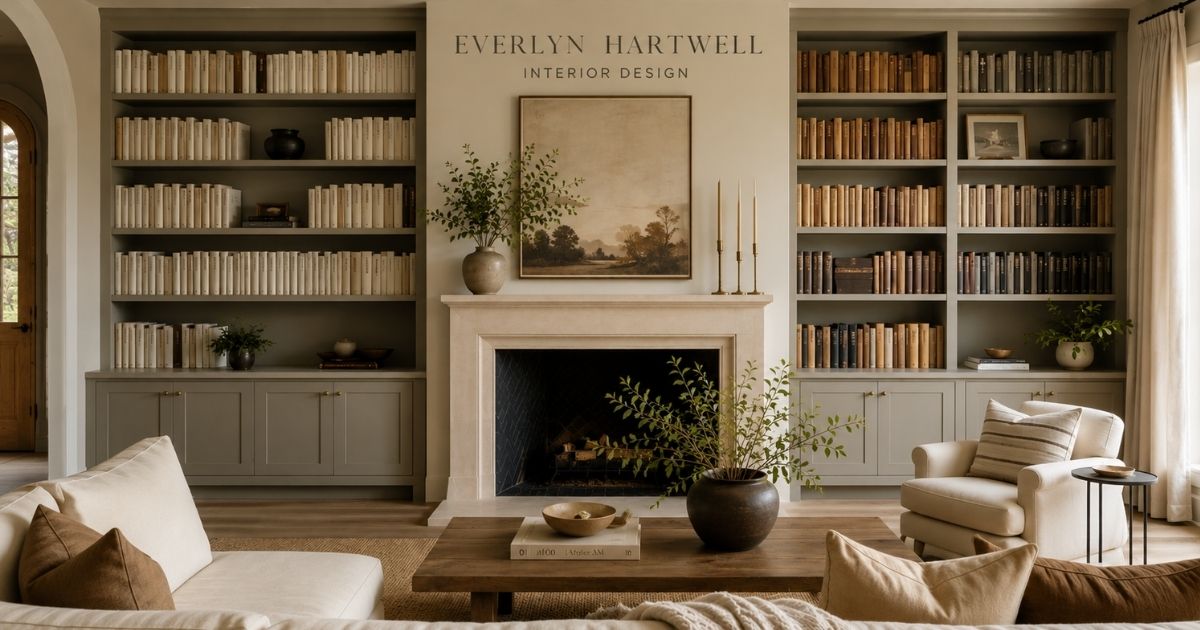
The living room is where book-based interior design has the most dramatic impact. Whether you are working on interior design living room styling for a large formal space or figuring out how to decorate a sitting room in a compact home, books provide structure, warmth, and personality that other decorative objects simply cannot replicate.
Interior Design Living Room: The Bookshelf as Focal Point
In room design for living rooms, the bookshelf serves as one of the most powerful focal points available. A well-styled bookshelf draws the eye, anchors the room, and provides endless visual interest that static wall art cannot match. Unlike a painting which offers a fixed image, a bookshelf styled with books, objects, plants, and art creates a layered composition that rewards extended viewing and invites conversation.
When approaching interior design for the living room with books as the centerpiece, consider the relationship between the bookshelf and the seating arrangement. Positioning seating to face or angle toward a styled bookshelf creates a natural focal point that makes the room feel purposefully designed rather than randomly furnished.
For formal living room interior design, built-in bookshelves flanking a fireplace or media unit create the classic symmetry that defines elegant traditional interiors. For more casual or contemporary interior design lounge room aesthetics, freestanding shelving units with an asymmetric arrangement of books and objects feel relaxed and livable while maintaining visual sophistication.
How to Interior Design Living Room with Books on a Budget
Room designs that incorporate books require almost no budget beyond the books themselves. The investment is entirely in curation and arrangement rather than expensive objects or professional installation.
Start by gathering all the books in your home and assessing them as a collection. Which covers are beautiful? Which bindings have interesting colors or textures? Which volumes are large enough to create visual weight? Begin your living room arrangement with these books as your foundation, adding smaller volumes, decorative objects, and plants to create depth and variety.
For interior design ideas for living room spaces on a tight budget, the library or second-hand bookshop is your greatest resource. Large format art books, photography collections, and design monographs can be found for minimal cost and provide exactly the coffee table book aesthetic that defines quiet luxury living room styling.
How to Decorate a Formal Living Room with Books
Formal living rooms benefit from a more disciplined approach to book styling that emphasizes symmetry, consistent color families, and elegant binding. For how to decorate a formal living room with books, select volumes with leather or linen bindings in neutral tones — cream, navy, dark green, burgundy, and tan — and arrange them with consistent spine-out display that creates a structured, library-like appearance.
Removing dust jackets from hardcover books in a formal living room reveals the often beautiful underlying bindings in neutral colors and elegant typography that feels more refined than the commercial covers designed for retail display. This single technique immediately elevates a collection of ordinary books into something that looks curated, deliberate, and expensive.
Pair formal book displays with classical decorative objects — small sculptures, framed prints, brass candlesticks, and ceramic vessels — to create a complete interior design composition that feels genuinely sophisticated. For more on how to make your home look elegant through intentional styling choices, the principles in our american beauty rose symbol guide on beauty aesthetics translate beautifully to home styling philosophy.
How to Decorate Small Spaces with Books
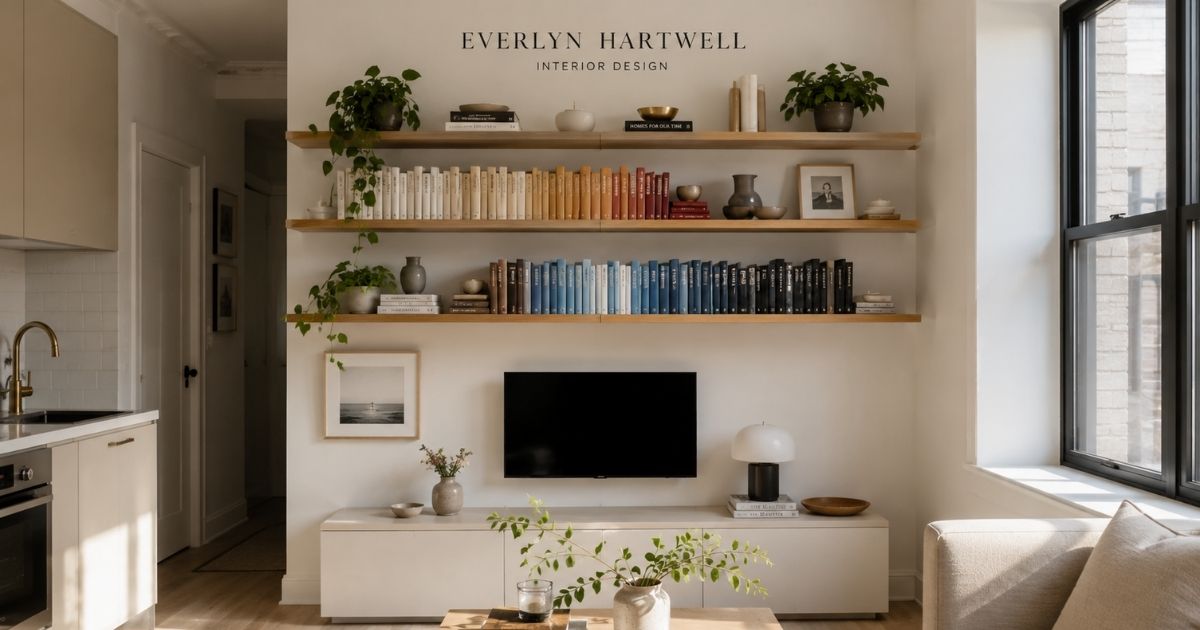
One of the most common misconceptions about using books in interior design is that they require large rooms or significant wall space. In reality, some of the most beautiful book-based interiors exist in small apartments, compact bedrooms, and minimalist spaces where every object must earn its place.
How to Decorate a Very Small Apartment with Books
Small apartment decor ideas that incorporate books work by treating every available surface as a potential display opportunity rather than looking exclusively to wall-mounted shelving. Windowsills lined with a single row of beautiful spines. Side tables anchored by two or three large format volumes topped with a plant or lamp. Kitchen counters finished with a small stack of cookbooks beside a ceramic object.
For how to decorate a very small apartment, the key is restraint and intentionality. Every book you display in a small space should be deliberately chosen and deliberately placed. Unlike a large home where books can accumulate naturally across many shelves, a small apartment requires a more edited, gallery-like approach where fewer books make a stronger, cleaner impact.
Floating wall shelves are the most space-efficient option for small apartment decor. Installed at varying heights and lengths, floating shelves add storage and visual interest without consuming floor space. A collection of floating shelves styled with books, small plants, and one or two decorative objects creates an entire feature wall that makes a small apartment feel designed rather than merely furnished.
For more apartment furniture ideas that maximize small spaces, consider how the principles of Korean minimalism applied to skincare — as covered in our layer korean skincare guide — translate directly to interior design: fewer, better-chosen elements create more impact than an abundance of options.
Small Bedroom Decor Ideas Using Books
Small bedroom decor with books creates a cozy, intimate atmosphere that feels genuinely personal and restful. The bedroom is perhaps the most natural environment for books as decor because their presence communicates the personal, the private, and the intellectual in ways that feel appropriate for the most personal room in any home.
For small bedroom decor ideas specifically, books work hardest when used in the spaces immediately surrounding the bed. A bedside table topped with a thoughtful stack of current reading, topped with a small plant or candle, creates an instantly styled vignette that requires no additional investment. A headboard shelf holding a row of beautiful spines with a small lamp creates both functional storage and visual interest within a footprint that costs no floor space.
How to decorate a very small bedroom with books means thinking vertically. Floor-to-ceiling shelving in a small bedroom, while initially seeming counterintuitive, actually makes small bedrooms feel larger by drawing the eye upward and creating a sense of height and depth that a blank wall cannot provide.
How to Decorate Small Room Spaces: The Vertical Strategy
For how to decorate small rooms in general, books provide a uniquely versatile solution because they exist in every size, color, and weight. This variety allows books to fill awkward spaces — the alcove beside a chimney breast, the narrow wall between two doors, the corner that no furniture piece seems to fit — that would otherwise remain wasted or visually problematic.
Small room decor ideas that use books to fill awkward architectural spaces feel genuinely considered and unique rather than like a compromise. A narrow built-in bookcase in an alcove, filled with books organized by color and interspersed with small objects, transforms a problematic architectural feature into the best design element in the room.
For how to decorate small spaces beyond the bedroom and living room, consider the entryway, hallway, and home office as significant opportunities for book-based styling that sets the tone for the entire home before a guest even enters the main living areas.
Selecting the Perfect Bookshelf for Your Interior Design Style
The right bookshelf does as much design work as the books it holds. Different shelving styles create dramatically different atmospheres, and choosing shelving that suits your interior design vision is as important as the books themselves.
Bookshelf Styles for Every Interior Design Approach
For minimalist interior design, low-profile open shelving in natural wood or white lacquer keeps the focus on the books themselves and maintains the clean, uncluttered aesthetic that defines minimalist spaces. Diana Ryu’s open-front low-rise wooden bookshelf approach — pairing minimal shelving with carefully chosen sculptural objects and beautiful hardcovers — demonstrates how minimalist interiors use books as architectural elements rather than mere storage.
For maximalist or eclectic interior design, a wavy, irregular, or built-in bookshelf that accommodates books of varying heights creates the sense of abundance and collected personality that characterizes these styles. Charlie Bennell’s wavy bookshelf in her Bondi terrace home shows how unconventional shelving choices can become the defining feature of an entire room’s aesthetic.
For mid-century modern interior design, open-faced wall units that organize books in alternating vertical and horizontal stacks — as demonstrated by designer Adam Leng — create the geometric rhythm and visual interest that defines the mid-century aesthetic while keeping the overall look ordered and controlled.
For rustic and farmhouse interior design, timber-framed bookshelves with a natural wood finish and a mix of worn vintage volumes, ceramic vessels, and natural objects create the warmth and authenticity that characterizes this style. Kelsey Coppetti’s timber-framed bookshelf in her Joshua Tree home maintains an open, airy quality while adding the natural material warmth essential to desert-inspired interiors.
How to Organize Books for Maximum Visual Impact
The organization system you choose for your books has an enormous impact on the overall aesthetic of the display. There is no single correct approach — the right system depends on your design style, the size of your collection, and the specific atmosphere you want to create.
Organizing by Color: The Modern Interior Design Approach
Color-organizing books is currently the most popular approach in contemporary interior design and for excellent reason. When books are arranged by spine color rather than by author or subject, the entire bookshelf becomes a piece of abstract art — a gradient of color that contributes to the overall color palette of the room as deliberately as any painted wall or piece of purchased art.
For interior design ideas that incorporate a specific color palette — say, a living room decorated in warm neutrals and terracotta — organizing books in the corresponding color family creates a completely cohesive, considered aesthetic that feels professionally designed. Books in cream, tan, burnt orange, and deep brown spines become an extension of the room’s palette rather than a separate element that must be visually accommodated.
Organizing by Size: The Architectural Approach
Organizing books by size creates the most orderly, architectural appearance and works particularly well in formal living rooms and home libraries where a structured, disciplined aesthetic is appropriate. Arranging from tallest to shortest along a shelf creates a gentle descending line that feels intentional and elegant. Alternating tall and short books creates a rhythmic pattern that adds visual interest while maintaining order.
Organizing by Theme: The Storytelling Approach
Organizing by theme creates a narrative on your shelf that invites guests to understand your interests, values, and intellectual life. A shelf dedicated to travel, art, architecture, or fashion becomes a conversation piece that communicates personality more effectively than any other decorative object. For a home office bookshelf, thematic organization by professional discipline creates an impression of expertise and intellectual depth that is valuable in video call backgrounds and client meetings.
Design expert Lauren’s suggestion about using books in a Zoom background reflects a broader truth: a thoughtfully organized bookshelf communicates who you are and how you think to everyone who sees it, making thematic organization particularly powerful in professional or semi-professional contexts.
Innovative Book Display Techniques
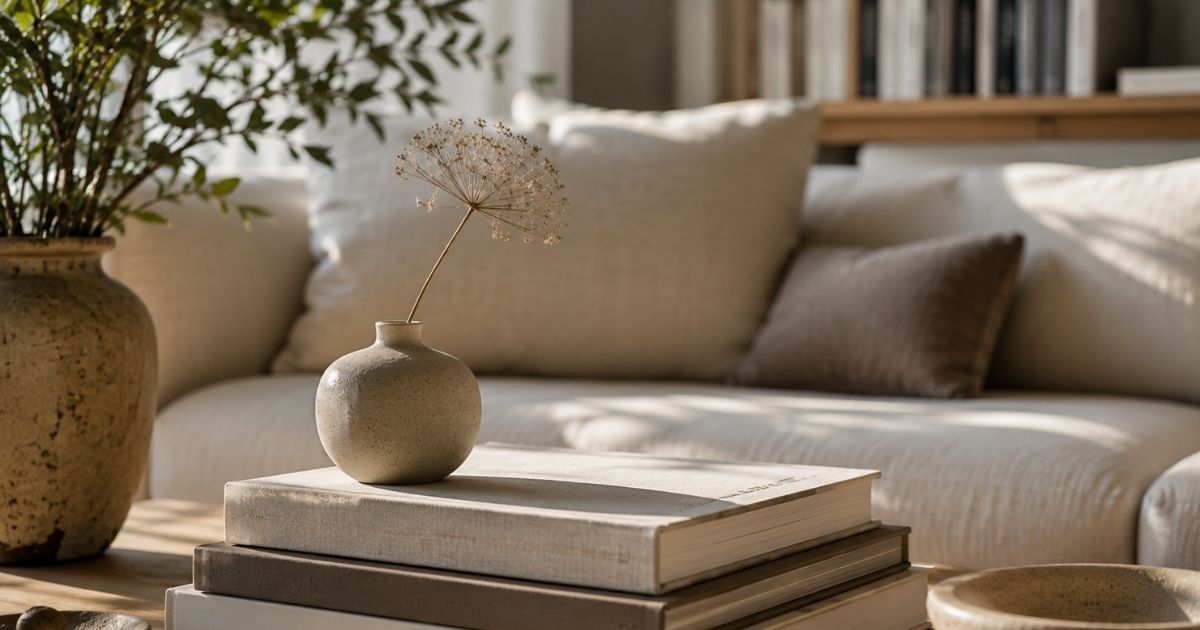
Beyond standard shelf arrangements, innovative display techniques transform books from storage items into genuine design elements that elevate the entire room.
Forward-Facing Display
Forward-facing display — turning books so their covers face outward rather than showing their spines — transforms individual books into framed art pieces. Poppy Lissiman’s oversized forward-facing bookshelves demonstrate how this technique turns a collection of books into a gallery wall where each cover contributes its artwork, typography, and color to the overall composition.
Forward-facing display works particularly well for coffee table books with beautiful photographic covers, art monographs, and design books where the cover art is genuinely worth displaying. A single row of forward-facing books on a floating shelf creates an impact far beyond its physical footprint.
Creative Stacking and Layering
Stacking books horizontally creates platforms and stages within a shelf composition that allow smaller decorative objects — ceramics, sculptures, small plants, candles — to be elevated to different heights, creating the layered, dimensional display that characterizes professionally styled interiors.
Maxine Wylde’s impressive tower of books in her maximalist interior demonstrates how stacking can create genuine sculptural impact when taken to its logical extreme. A carefully constructed tower of large format books beside a sofa or chair creates an entirely original side table with personality and height that no purchased furniture can replicate.
Using a stack of three to five books as a riser for a lamp, vase, or sculptural object adds height variation to a room’s overall composition. Interior designers consistently emphasize that varying heights across a room’s surfaces — from floor to eye level to shelf height to ceiling — creates the visual rhythm that makes a space feel professionally designed.
Layering books in front of upright books positioned at the back of a shelf creates depth and dimension that a single row of spines cannot achieve. The front layer of stacked books combined with the back layer of standing books creates a vignette effect that reads as genuinely curated rather than simply stored.
Leaning and Casual Display
Leaning books casually against a wall, against each other, or against other objects in a deliberate but seemingly unstudied way creates the relaxed, lived-in quality that makes a home feel genuinely inhabited rather than staged. This technique works particularly well in bedrooms, reading nooks, and casual living spaces where a relaxed aesthetic is appropriate.
For how to style a small room with books, the leaning technique maximizes flexibility since it requires no shelf installation and can be changed, moved, or reconfigured as easily as moving the books themselves.
Books as Part of Complete Room Designs
The most successful book-based interior design uses books as one element within a complete room composition rather than in isolation.
Mixing Books with Plants and Natural Objects
Introducing plants alongside books creates a combination of the organic and the intellectual that feels deeply livable and beautiful. The contrast between a living plant’s irregular natural form and the geometric regularity of book spines creates visual tension that professional stylists use deliberately.
Rocks, driftwood, shells, and other natural objects placed among books introduce organic texture that softens the linear quality of a bookshelf and connects the interior to the natural world outside. Interior designer Chelsae Anne Sahlman’s approach of mixing books with bespoke ceramics in her sprawling Florida rental bookshelf demonstrates how cultural objects and natural materials create a narrative alongside books that feels genuinely personal and curated.
Mixing Books with Art
Propping small framed prints or photographs against books — rather than hanging them on the wall — creates a casual, gallery-like display that is easy to change and feels intimate and personal. Displaying books on a stone plinth with fresh flowers creates the museum-like quality that elevates a home from simply decorated to genuinely designed.
For how to make your home look elegant through the combination of books, art, and flowers, the key principle is treating the entire composition as a single designed object rather than as individual items placed in the same location. Every element should relate to every other element in terms of color, scale, and visual weight.
Coffee Table Books: The Living Room Essential
Coffee table books deserve special attention as the most powerful single book-based interior design tool available. A well-chosen stack of three to five coffee table books on a living room coffee table or ottoman creates an instant focal point, conversation starter, and style statement that communicates the room’s aesthetic more immediately than almost any other object.
For interior design ideas for living room spaces at every budget, investing in two or three beautiful large-format books on art, fashion, architecture, photography, or travel provides enormous decorative value relative to cost. Coffee table books from museum gift shops, design bookshops, and online secondhand book retailers can be found at minimal cost and provide maximum aesthetic impact.
The rule for coffee table book stacking is simple: largest at the bottom, smallest at the top, with a small decorative object such as a candle, small sculpture, or single flower in a tiny vase placed on top of the stack to finish the vignette.
DIY Book Customization for a Cohesive Look
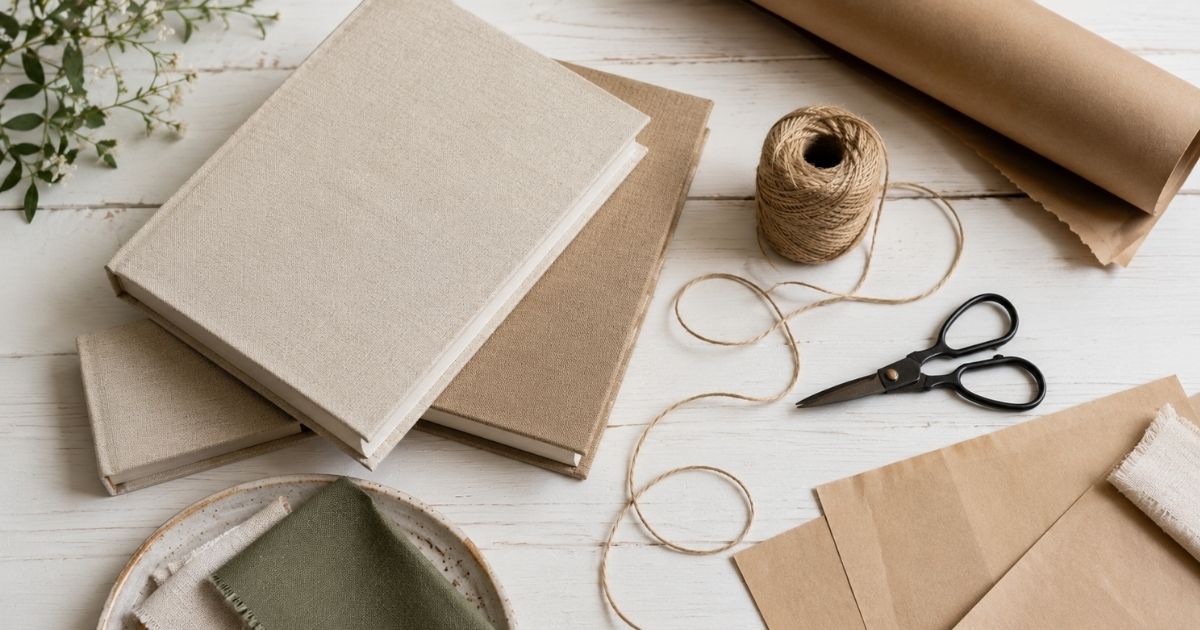
One of the most creative and affordable ways to create a cohesive, curated bookshelf aesthetic is customizing the physical appearance of your books to suit your interior design palette.
Re-Covering Books
Covering books in plain brown paper, linen fabric, wallpaper remnants, or wrapping paper in your chosen color palette creates an instantly unified, cohesive bookshelf aesthetic that looks genuinely designed. Interior stylists Buffy and Patti use inspiration fabric that ties the bookshelf directly to the room’s upholstery and soft furnishings, creating a seamlessly integrated look across the entire space.
Re-covered books in a consistent neutral palette — all in the same cream, blush, or sage green paper — create the clean, organized look of a library display case that feels expensive and intentional regardless of the books’ actual content or cover design.
Painting Book Spines
Painting exposed book spines in a consistent color or color gradient creates a bookshelf that functions as a piece of wall art. While time-consuming, painted bookshelves create a completely unique, one-of-a-kind design feature that cannot be purchased or replicated, making this the ultimate personalized interior design statement.
Removing Dust Jackets
Removing commercial dust jackets from hardcover books reveals the underlying bindings that are often beautiful in their simplicity — colored linen, embossed patterns, elegant typography on plain boards. A shelf of dust-jacket-free hardcovers in neutral binding colors — cream, navy, dark green, tan, burgundy — looks immediately more sophisticated and cohesive than the same books displayed with their commercial covers.
This technique costs nothing and takes minutes, yet creates one of the most immediate and dramatic improvements in bookshelf aesthetics available. It is particularly effective for how to make your home look elegant on a zero additional budget.
Books for Specific Room Types and Challenges
How to Decorate Small Bedroom Spaces with Books
The best small bedroom decor ideas using books focus on the area immediately surrounding and above the bed. A floating shelf installed at head height above the bed creates a bedside library that is both functional and beautiful. Books organized by color on this shelf become part of the bedroom’s overall color palette rather than a separate element to accommodate.
For bedroom design ideas in small rooms where floor space is precious, a small side table replaced by a stack of three to four large format books topped with a lamp eliminates the need for furniture while creating a more personal, designed-looking bedside setup.
How to Decorate Small Flats Comprehensively
Decorating small flats with books requires thinking about books in every room rather than only in the living room. A small kitchen shelf holding cookbooks and a few ceramic objects. A bathroom shelf with a single beautiful volume and a plant. An entryway with a console table topped by a book stack and a framed print. This approach distributes the visual interest and warmth of books throughout the entire flat, making every room feel considered and personalized.
Home Interior Design Ideas for the Home Office
The home office is where book-based interior design intersects with professional presentation. As design expert Lauren notes, a thoughtfully styled bookshelf in a home office video call background communicates expertise, intelligence, and personal investment in your professional field in a way that a blank wall or virtual background cannot replicate.
For home office bookshelves, organize books thematically by professional interest or discipline. Add one or two plants for warmth and life. Include one or two personal objects that reflect your personality. Keep the overall arrangement clean and intentional rather than cluttered, since a cluttered background communicates a cluttered mind to professional contacts.
For more lifestyle content connecting personal aesthetics to professional presentation and overall wellbeing, explore our guides on what are korean beauty standards and hair grow faster and stronger for a complete approach to presenting your best self.
How to Furnish a Small Room: The Complete Books-Based Approach
For anyone wondering how to furnish a small room on a minimal budget, books provide a uniquely versatile set of solutions that address multiple furnishing challenges simultaneously.
Books as side tables — a carefully constructed stack of large format volumes beside a sofa or armchair — eliminate the need for a purchased side table while creating a more interesting, personal, and unique surface. Books as shelf dividers — horizontal stacks placed between upright books — eliminate the need for shelf dividers or organizational accessories. Books as risers — a single large volume placed under a lamp, vase, or small sculpture — add height variation without additional purchases.
The combination of these approaches means that books contribute not only aesthetic value to a room but genuinely functional value, reducing the number of additional objects and furniture pieces needed to create a complete, styled interior.
| Challenge | Book-Based Solution | Cost |
|---|---|---|
| No side table | Stack 4-5 large format books | Zero |
| Bare shelves | Arrange books by color with objects | Minimal |
| Empty corner | Floor-to-ceiling book tower | Zero |
| Blank wall | Gallery of forward-facing covers | Zero |
| Low ceiling feel | Vertical book stacks drawing eye up | Zero |
| No coffee table styling | Book stack with object on top | Zero |
| Awkward alcove | Built-in or floating shelf with books | Low |
Curating Your Book Collection for Interior Design
Not all books work equally well as decorative objects. Understanding which books to foreground and which to store or conceal helps you create a more intentional, beautiful display from your existing collection.
Lora Bloomquist’s Approach: Grouping by Cover Aesthetic
Interior stylist Lora Bloomquist recommends using floral-covered Reader’s Digest books grouped together as a visually appealing collection that creates its own pattern and color story within a larger bookshelf composition. This approach of identifying a subset of your collection with a consistent visual theme — whether floral covers, vintage spines, a particular color family, or a specific era of design — and grouping them deliberately creates a curated feel that suggests an intentional collector’s eye.
Balancing Vintage and Modern Volumes
The most interesting book collections for decorative purposes combine vintage finds with contemporary volumes in a way that creates depth and implies a long, ongoing relationship with reading and collecting. A mix of clearly aged volumes with their worn spines and yellowed pages alongside crisp contemporary books creates temporal depth — the sense that this collection has been built over time rather than purchased as a decorative set.
Second-hand bookshops, charity shops, and library sales are the best sources for affordable vintage volumes with beautiful bindings that work as decorative objects even if you never intend to read them.
Frequently Asked Questions
How can I use books to make a small room feel bigger?
Books used vertically on floor-to-ceiling shelves draw the eye upward and create a sense of height that makes small rooms feel larger. Organizing books by color in a light, neutral palette — cream, white, pale grey — keeps the visual field calm and open rather than busy. Floating shelves installed high on walls add storage and visual interest while keeping the floor area free, which is the single most important factor in making small rooms feel spacious. Mirrored or glass-fronted shelving behind books reflects light and deepens the visual field, further increasing the sense of space.
What are the best books to use for decorating?
The best books for decorating are large format art, photography, fashion, architecture, and design books with beautiful covers and substantial visual presence. Books with linen, leather, or cloth bindings in neutral or rich colors work beautifully when organized by color. Vintage hardcovers with worn, character-filled spines add depth and authenticity. Books with striking typography on simple covers — many classics published in the mid-20th century fall into this category — create a collected, literary aesthetic that feels genuinely personal and sophisticated.
How do I style a bookshelf like an interior designer?
Professional interior designers style bookshelves by combining books with objects of varying heights, scales, and textures. Start with books arranged in your chosen organizational system — by color, size, or theme. Add at least one plant for organic life and color. Include one or two ceramic vessels of different heights. Add one small framed print or photograph leaned casually against the books. Leave deliberate empty space — overcrowded shelves look cluttered, while shelves with breathing room look considered and expensive. Step back and assess the overall composition, adjusting until the arrangement has visual rhythm and balance.
How to decorate a sitting room on a small budget using books?
A sitting room decorated primarily with books requires minimal budget while achieving maximum character and warmth. Gather all your existing books and organize them by color or theme on your existing shelving. Add a tall floor lamp behind your shelving to create ambient lighting that highlights the books. Place two or three plants at different heights near the bookshelf. Create a coffee table vignette with a stack of three large format books topped with a small plant or candle. These changes, costing essentially nothing beyond the plants, transform a sitting room’s atmosphere completely.
What order should I place books on a shelf for the best look?
The most visually successful shelf arrangements mix upright books with horizontal stacks, vary heights deliberately, and incorporate non-book objects to break the visual regularity of spines. For color-organized shelves, arrange from light to dark either across the entire shelf length or in distinct color blocks of three to five books each. For size-organized shelves, alternate tall and short books to create rhythm. Always finish the ends of shelves with either a bookend of visual interest or an object — plant, vase, small sculpture — rather than leaving books to fall sideways.
Can I use books in a very small apartment with limited wall space?
Absolutely. Small apartments with limited wall space benefit from books placed on every horizontal surface as tabletop styling objects rather than relying exclusively on wall-mounted shelving. Coffee tables, side tables, windowsills, kitchen counters, bathroom shelves, and bedside surfaces all provide opportunities for small book-based vignettes that collectively create the warmth and personality of a book-filled home without requiring a single shelf to be installed.
Final Thoughts
Decorate with books is one of the most powerful, most affordable, and most genuinely personal approaches to interior design available to anyone regardless of budget, home size, or design expertise. Books bring warmth, intelligence, history, and personality to spaces in a way that purchased decorative objects simply cannot replicate, because books are not objects — they are documents of a life lived with curiosity and intention.
Whether you are styling a grand formal living room, a tiny studio apartment, a compact bedroom, or a professional home office, the principles remain consistent: organize intentionally, display creatively, mix books with other elements that add life and texture, and treat your collection as a reflection of who you are rather than simply as storage for reading material.
The quiet luxury interior aesthetic that defines sophisticated home design in 2026 is built entirely on these principles — the layered, collected, deeply personal look that books create naturally when given the space and attention to shine.
For more complete lifestyle, beauty, and aesthetic inspiration that connects your personal style across your home, your wardrobe, and your beauty routine, explore our lifestyle category, fashion category, beauty category, and wellness fridges smart trend for a holistic approach to living beautifully.
🌸 You Might Also Love
- Wellness Fridges Smart Trend — The lifestyle upgrade that pairs beautifully with an intentional, designed home
- Vintage Tees and Slip Skirts Styling — Fashion aesthetics that translate into beautiful home styling
- Rise of Olive Green — The color trend dominating both fashion and interior design
- Feral Girl Fall — The aesthetic that loves a beautiful, book-filled home
- American Beauty Rose Symbol — Beauty and lifestyle aesthetics for modern women
- American Beauty Rose Vintage — Vintage aesthetics that inspire beautiful home styling
- Hair Grow Faster and Stronger — Complete beauty guide for confident, intentional living
- Best Skincare Products — The beauty routine that complements a beautifully designed life
- What Are Korean Beauty Standards — Minimalist beauty philosophy that translates to minimalist home design
- Tapestry Hoodie Trend — Cozy fashion aesthetics that pair with book-filled interiors