
Key Takeaways
- The best powder foundation depends on your skin type, coverage needs, finish preference and daily routine.
- Matte powder foundation usually works best for oily skin, while natural or satin finishes are often better for dry or mature skin.
- Pressed powder foundation is easy for travel and touch-ups, while loose mineral powder foundation can feel lighter and more breathable.
- Shade matching matters. Test powder foundation on your jawline in natural light instead of relying on the compact color.
- To avoid a cakey finish, moisturize first, use thin layers and build coverage only where you need it.
Finding the best powder foundation is not just about choosing the most popular compact on social media. The right powder should match your skin type, feel comfortable, blend into your undertone and give the level of coverage you actually want.
Powder foundation can be a great choice if you like fast makeup, shine control, lightweight coverage and easy touch-ups. But it can also look dry, patchy or cakey when the formula, shade or application method is wrong. This guide will help you choose a powder foundation that fits your skin before you buy.
Quick Answer: What Is the Best Powder Foundation?
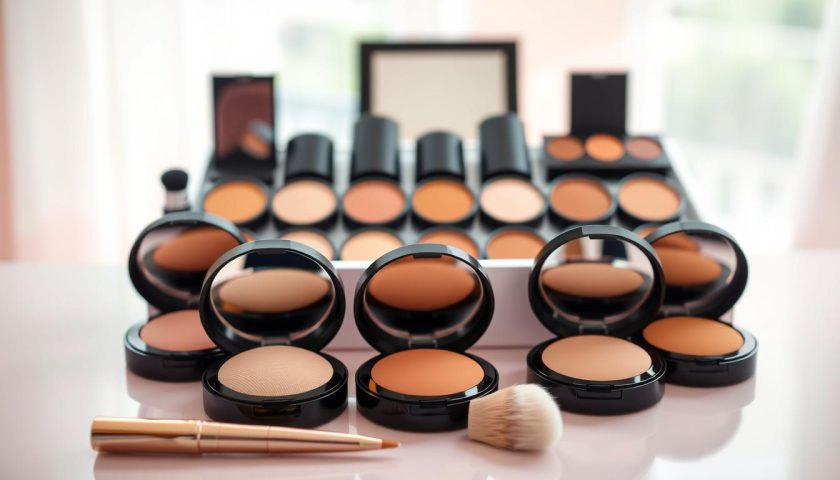
The best powder foundation is the one that matches your skin type, undertone, coverage needs and preferred finish. Oily skin often suits matte or oil-control powder foundation, dry skin usually needs a finely milled natural finish, and sensitive skin may prefer a simple mineral-style formula with fewer potential irritants.
Powder Foundation Meaning in Simple Words
In simple words, powder foundation is a dry makeup base that adds color and coverage to the face. Unlike setting powder, which usually sets liquid makeup, powder foundation has pigment and can even out the skin on its own. It can be sheer, buildable or full coverage depending on the formula and tool you use.
Quick Comparison Table: Powder Foundation Types
| Powder Type | Best For | Finish | Coverage |
|---|---|---|---|
| Pressed Powder Foundation | Travel, touch-ups and quick makeup | Matte or natural | Light to full |
| Loose Mineral Powder Foundation | Lightweight everyday wear | Natural | Sheer to medium |
| Matte Powder Foundation | Oily skin and humid weather | Matte | Buildable |
| Natural Finish Powder Foundation | Combination, normal or mature skin | Skin-like | Light to medium |
| Full Coverage Powder Foundation | Redness, discoloration and fuller makeup | Matte or velvet | Medium to full |
Best For / Avoid If
| Best For | Avoid If |
|---|---|
| You want fast foundation that is easy to apply in the morning. | Your skin is very flaky, cracked or visibly peeling. |
| You like shine control and easy midday touch-ups. | You want a very dewy, wet-look makeup base. |
| You prefer buildable coverage instead of a heavy liquid layer. | You dislike the feel of powder products on your skin. |
| You need a compact base for travel, work bags or humid days. | You need strong color correction across the whole face. |
Best Powder Foundation: What to Check Before You Buy
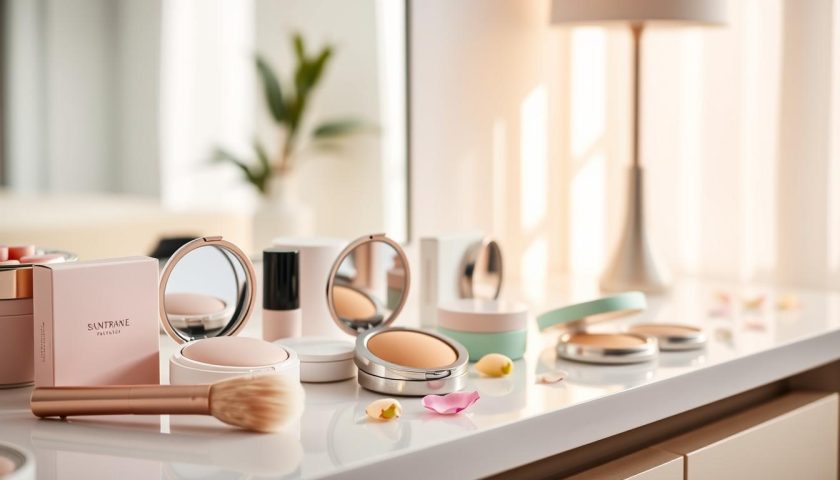
Before buying powder foundation, look beyond the brand name. The best formula for you should match your skin type, coverage level, finish, shade and daily routine.
Check Your Skin Type First
If your skin gets shiny quickly, look for a matte powder foundation or an oil-control powder foundation. If your skin is dry or mature, choose a finely milled powder with a natural or satin finish. If your skin is sensitive, check the ingredient list and avoid formulas with fragrance or known irritants when possible.
Decide How Much Coverage You Need
Some powder foundations give a sheer, natural finish. Others can build to medium or full coverage. If you only want to blur uneven tone, choose light coverage. If you want to cover redness or discoloration, choose a buildable coverage powder foundation.
Choose the Right Finish
Finish changes the whole look. Matte powder foundation controls shine and looks smooth on oily areas. Natural finish powder foundation looks softer and more skin-like. Soft glow powder foundation can help dry or mature skin look less flat.
Look at the Shade Range
Powder can look different in the compact than it looks on your face. Always test along your jawline when possible. The right shade should blend into your face and neck without looking too orange, pink, gray or pale.
Think About Your Routine
If you want fast makeup, pressed powder foundation is practical. If you prefer a soft mineral-style base, loose powder foundation may feel better. If you travel often, a compact is usually less messy than loose powder.
Pressed Powder vs Loose Mineral Powder Foundation
Both pressed and loose formulas can work well. The better choice depends on how you apply makeup and what finish you prefer.
Pressed Powder Foundation
Pressed powder foundation comes in a compact. It is easy to carry, less messy and good for touch-ups. It can offer light, medium or full coverage depending on the formula. Pressed powder is a good choice for busy mornings, work bags and travel.
Loose Mineral Powder Foundation
Loose mineral powder foundation usually comes in a jar. It often feels lightweight and can give a natural-looking finish. It may be a good choice if you like soft, breathable makeup, but it can be messier than pressed powder.
Which One Should You Choose?
Choose pressed powder if you want control, portability and faster application. Choose loose mineral powder if you want a lighter feel and do not mind a little extra blending time.
Powder Foundation Comparison Table: Formula, Finish and Coverage
| Formula | Coverage | Finish | Best For |
|---|---|---|---|
| Pressed Powder | Light to full | Matte or natural | Quick routines and touch-ups |
| Loose Mineral Powder | Sheer to medium | Natural | Lightweight everyday makeup |
| Matte Powder | Buildable | Matte | Oily skin and shine control |
| Velvet Powder | Medium to full | Soft matte | Polished makeup looks |
| Natural Finish Powder | Light to medium | Skin-like | Normal, combination or mature skin |
Choose the Best Powder Foundation for Your Skin Type
Best Powder Foundation for Oily Skin
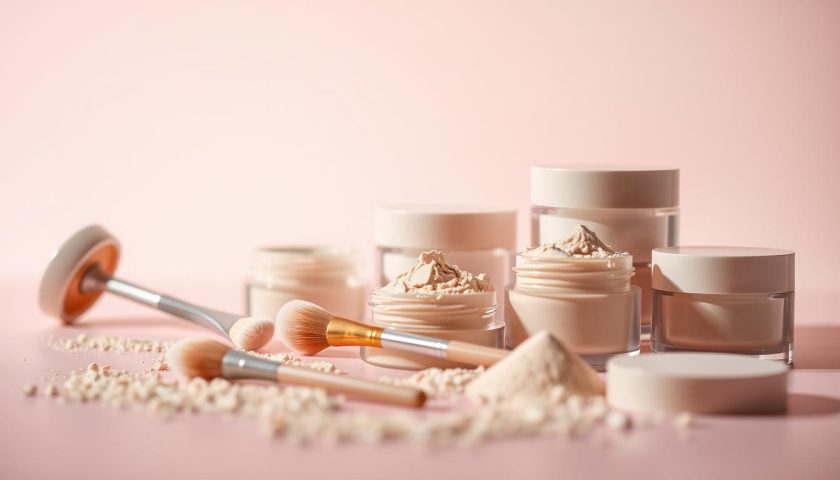
The best powder foundation for oily skin usually has a matte or oil-control finish. Look for formulas that help reduce shine without looking chalky. Apply the most product only where you get oily, usually the T-zone, instead of layering heavily over the whole face.
Powder Foundation for Dry Skin
Powder foundation can work for dry skin, but prep matters. Moisturize well, let skincare absorb and choose a finely milled powder with a natural or satin finish. Avoid very dry matte formulas if they cling to flakes or fine lines.
Powder Foundation for Mature Skin
Mature skin often looks better with a lightweight powder foundation applied in thin layers. A soft natural finish is usually more flattering than a flat matte finish. Use less product around smile lines, under eyes and textured areas.
Powder Foundation for Sensitive Skin
If your skin reacts easily, check the label carefully. Simple formulas, fragrance-free options and mineral-style powders may be easier to tolerate for some people, but no product is perfect for everyone. Patch-test new makeup before wearing it all day.
Powder Foundation for Acne-Prone Skin
Acne-prone skin may prefer lightweight powder foundation that does not feel greasy. Look for non-comedogenic wording when available, and remove makeup fully at night. Makeup can cover redness, but it should not be used as a treatment for acne or irritation.
Powder Foundation for Combination Skin
Combination skin can use powder foundation strategically. Apply more powder on oily areas and less on dry areas. A natural finish or soft matte powder often works better than an extremely matte formula across the whole face.
How to Choose Coverage, Finish, Shade and Formula
Sheer Coverage
Sheer powder foundation is best if you want a natural look. It lightly evens out tone without hiding all skin texture. This is good for simple daytime makeup and minimal routines.
Buildable Coverage
Buildable coverage powder foundation lets you start light and add more where needed. This is the most flexible option for everyday wear because you can control the result.
Full Coverage
Full coverage powder foundation can cover more redness or discoloration, but it needs careful blending. Use a thin layer first, then add extra only where you need it. Too much full coverage powder can look heavy fast.
Matte Finish
Matte powder foundation is best for shine control. It works well on oily skin and humid days, but very matte formulas can look dry if your skin is dehydrated.
Natural Finish
Natural finish powder foundation gives a softer skin-like look. It is a good middle ground for normal, combination, dry or mature skin.
Soft Glow Finish
Soft glow powder foundation gives a subtle radiance without strong shimmer. It can help dry or mature skin look fresher, but avoid heavy shimmer if you do not want to highlight texture.
How to Match Your Powder Foundation Shade
Shade matching is one of the most important steps. A good formula will still look wrong if the color does not match your face, neck and undertone.
Test on Your Jawline
Do not test powder foundation only on your hand. Your hand can be a different shade than your face. Swatch the powder along your jawline and check how it blends into both face and neck.
Check in Natural Light
Store lighting can make foundation look warmer, cooler or lighter than it really is. Check the shade in natural light if possible before deciding.
Know Your Undertone
Warm undertones often suit golden, peachy or yellow-based shades. Cool undertones often suit pink or neutral-cool shades. Neutral undertones can usually wear balanced beige shades. Olive undertones may need greenish or muted neutral tones instead of strong pink or orange bases.
Watch for Oxidation
Some powder foundations darken or change color after mixing with skin oils. Wear a swatch for a while before buying when possible, especially if you have oily skin.
How to Apply Powder Foundation for Smooth Coverage
Powder foundation looks best when you apply it in light layers. Heavy application can make even a good formula look cakey.
Step 1: Cleanse and Moisturize
Start with clean skin. Apply moisturizer and let it absorb before powder. If your skincare is still wet or sticky, powder can grab onto certain areas and look patchy.
Step 2: Apply Sunscreen During the Day
Use sunscreen as part of your daytime routine before makeup. Let it settle before applying powder foundation so the product does not clump or streak.
Step 3: Use Primer Only Where Needed
You do not always need primer on the whole face. Apply it only where makeup fades, pores look visible or oil breaks through quickly.
Step 4: Choose the Right Tool
A fluffy brush gives light coverage. A dense brush gives more coverage. A sponge or powder puff can press product into specific areas, especially with pressed powder foundation.
Step 5: Start with a Thin Layer
Apply the first layer at the center of the face, where most people need more coverage. Blend outward toward the hairline, jaw and ears.
Step 6: Build Only Where Needed
Do not keep adding powder everywhere. Build coverage only on redness, uneven tone or areas that need more smoothing. This keeps your base natural.
Step 7: Touch Up the Right Way
If your skin gets oily, blot first. Adding powder directly over oil can make makeup look thick or muddy. After blotting, apply a small amount of powder only where needed.
Powder Foundation Tool Guide
| Tool | Coverage Level | Best For |
|---|---|---|
| Fluffy Brush | Light | Natural everyday coverage |
| Dense Brush | Medium to full | Buffing and fuller coverage |
| Kabuki Brush | Buildable | Loose mineral powder foundation |
| Powder Puff | Medium | Pressing powder into oily areas |
| Damp Sponge | Targeted | Pressed formulas and texture control |
Best Powder Foundation Product Types to Compare
This article is a buying guide, not a personal testing review. Product formulas, shade ranges and availability can change, so always check the current product page and ingredient list before buying.
Best Drugstore Powder Foundation Type
A drugstore powder foundation can be a good everyday choice if you want affordability and easy replacement. Look for a shade range that fits your undertone, a texture that does not feel chalky and reviews from people with a similar skin type.
Best Mineral Powder Foundation Type
Mineral powder foundation is often chosen by people who like lightweight coverage and a soft natural finish. It may work well for simple makeup routines, but always check ingredients if your skin is sensitive.
Best Matte Powder Foundation Type
Matte powder foundation is best for oily skin, humid weather and shine control. The formula should control oil without making the skin look dry or flat.
Best Full Coverage Powder Foundation Type
Full coverage powder foundation is useful when you want more even tone, but it should still feel blendable. Choose a formula that can build coverage without sitting heavily on texture.
Best Natural Finish Powder Foundation Type
Natural finish powder foundation is a good choice for everyday makeup. It gives a softer result than full matte powder and usually looks more skin-like in daylight.
Common Powder Foundation Mistakes to Avoid
Choosing a Shade from the Compact Only
The compact color is not enough. Powder can look different once it touches your skin. Test the shade on your jawline and check it in daylight.
Applying Too Much Product
Too much powder can make the face look flat, dry or cakey. Start with a small amount and build only where needed.
Skipping Moisturizer
Powder foundation needs a smooth base. If your skin is dry or dehydrated, powder can cling to texture and make the face look patchy.
Applying Powder Over Wet Skincare
Powder can stick unevenly to damp moisturizer or sunscreen. Wait until skincare has settled before applying makeup.
Using the Wrong Brush
A fluffy brush and dense brush give different results. Use a fluffy brush for light coverage and a dense brush for fuller coverage.
Touching Up Without Blotting
Adding powder over oil can create a heavy, muddy look. Blot first, then touch up lightly.
Using Dirty Tools
Dirty brushes, sponges and puffs can affect your skin and makeup finish. Wash brushes regularly and replace sponges or puffs when they get old.
Expert Tips from Sawera Shahid
Sawera Shahid, a beauty, fashion, skincare and lifestyle content writer with 5+ years of experience, recommends choosing powder foundation by skin type first and coverage second. A trendy product is not helpful if it feels uncomfortable or looks heavy after a few hours.
- Choose matte powder foundation if your main concern is shine.
- Choose natural finish powder foundation if you want a softer everyday base.
- Use a fluffy brush when you want light coverage.
- Use a dense brush only where you need more coverage.
- Moisturize well before applying powder foundation.
- Blot oil before touch-ups to avoid a cakey finish.
- Check your foundation in indoor light, outdoor light and phone-camera lighting.
Soft Glow Style Internal Reading Map
To build a better makeup routine, you may also like these Soft Glow Style guides:
- Explore the Beauty hub
- Heatproof makeup in 40C weather
- Sweat resistant makeup
- Skincare infused makeup
- Bronzer for dark skin
- How to apply bronzer and blush
- Makeup for cool undertones
- What eyeshadow with brown eyes?
- Blurryface makeup
- No makeup makeup trend
Frequently Asked Questions
What is the best powder foundation for oily skin?
The best powder foundation for oily skin is usually a matte or oil-control formula that helps reduce shine without looking heavy. Choose buildable coverage, apply thin layers and blot oil before touch-ups.
Is powder foundation good for dry skin?
Powder foundation can work for dry skin if the skin is prepped well and the formula is finely milled. Choose a natural or satin finish instead of an extremely matte powder that may cling to flakes.
Is powder foundation better than liquid foundation?
Powder foundation is better if you want fast application, shine control and easy touch-ups. Liquid foundation may be better if you want a dewy finish, more hydration or smoother coverage over flaky texture.
Can powder foundation give full coverage?
Yes, some powder foundations can give full coverage, especially pressed high-pigment formulas. Apply in thin layers and build only where needed so the base does not look heavy or cakey.
How do I stop powder foundation from looking cakey?
To stop powder foundation from looking cakey, moisturize first, let skincare absorb, use a light layer and build coverage slowly. Blot oil before adding more powder during the day.
What is the best tool for powder foundation?
A fluffy brush is best for light coverage, a dense brush is best for fuller coverage and a powder puff is useful for oily areas. A sponge can help press pressed powder foundation onto targeted spots.
Can I use powder foundation every day?
Yes, powder foundation can be used every day if it suits your skin and you remove it properly at night. Keep brushes and puffs clean, and stop using a product if it causes irritation.
Should I use primer under powder foundation?
You can use primer under powder foundation, but it is not always necessary. Use primer only where you need help with pores, oil control, texture or longer wear.
Final Thoughts
The best powder foundation is not the same for everyone. Oily skin may need matte oil control, dry skin may need a softer natural finish, and sensitive skin may need a simpler ingredient list.
Before buying, think about your skin type, coverage level, shade match, finish and routine. When you apply powder foundation in thin layers and use the right tool, it can give you a smooth, quick and comfortable base without feeling heavy.
Final Recap
- The best powder foundation should match your skin type, shade and finish preference.
- Matte powder foundation is usually best for oily skin.
- Natural finish powder foundation is often better for dry, mature or combination skin.
- Pressed powder is best for travel and touch-ups.
- Loose mineral powder can feel lightweight and breathable.
- Test shades on your jawline in natural light.
- Use thin layers to avoid a cakey finish.
- Blot oil before applying more powder during the day.