
Key Takeaways
- The best mousse for volume adds temporary lift, body and flexible hold without making hair feel overly heavy.
- Fine and thin hair usually benefits from lightweight mousse, while thick hair may need a stronger styling formula.
- Apply mousse to clean, damp hair and focus on areas that need lift.
- Blow-drying roots upward helps create a fuller-looking style.
- Too much mousse can make hair stiff, sticky or flat.
- Choose a product according to hair type, desired hold, finish, fragrance and styling method.
Finding the best mousse for volume can make everyday hair styling easier. A good volumizing mousse gives flat hair more body, supports root lift and helps your hairstyle keep its shape without relying on heavy gels or multiple finishing sprays.
The key is choosing the right foam for your hair. Fine hair usually needs lightweight hold, while thick hair may require stronger support. Curly and wavy hair often benefits from a formula that adds body while preserving natural texture.
For a broader understanding of volume styling, explore best hair volume products, best volumizing hair products, volumizing products for fine hair, volumizing hair cream and styling foam for curly hair.
Quick Answer: What Is the Best Mousse for Volume?
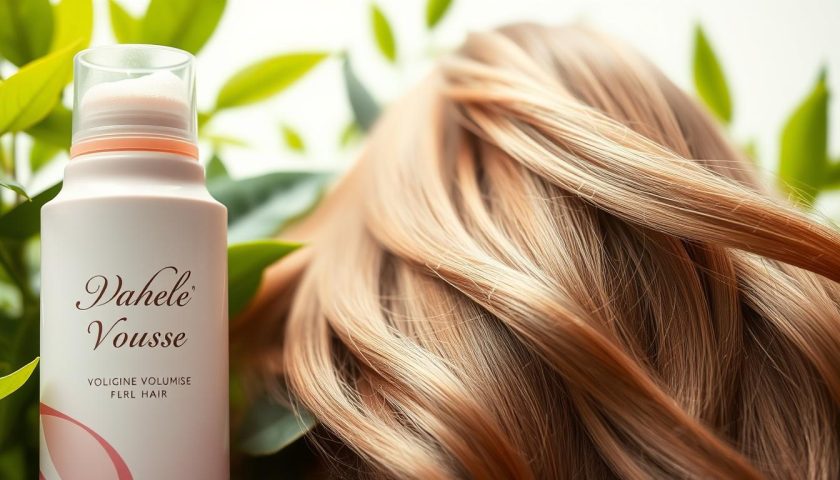
The best mousse for volume is a lightweight styling foam that adds noticeable body and root lift while leaving hair soft enough to move naturally. For many hair types, a flexible-to-medium-hold mousse is a practical starting point.
If your hair is fine or thin, choose an airy formula that avoids heavy residue. If your hair is thick or long, look for enough hold to support the style. For curls, use a mousse that promotes definition and movement without excessive stiffness.
Best Mousse for Volume in Simple Words
Hair mousse is a foam-based styling product that helps hair hold a fuller shape. It often contains styling polymers that form a light film on the strands, helping them maintain movement, separation or structure during styling.
Mousse does not grow new hair or permanently change hair density. Instead, it makes existing hair appear fuller by supporting the roots and helping the lengths hold their shape.
Best Volumizing Mousse Types Compared
| Mousse Type | Hold Level | Best Hair Type | Main Benefit |
|---|---|---|---|
| Lightweight mousse | Flexible | Fine or thin | Airy body and lift |
| Medium-hold mousse | Balanced | Straight or wavy | Everyday volume |
| Strong-hold mousse | Firm | Thick or long | Longer-lasting shape |
| Curl-friendly mousse | Flexible to medium | Wavy or curly | Bounce and definition |
| Humidity-resistant mousse | Varies | Frizz-prone | Helps maintain styling shape |
Best For / Avoid If
| Best For | Avoid or Adjust If |
|---|---|
| You want temporary root lift and fuller-looking hair | You expect mousse to permanently increase hair density |
| You have fine, flat, straight, wavy or curly hair | The product leaves heavy buildup or irritation |
| You want a lightweight alternative to heavy styling creams | Your hair is already coated with multiple products |
| You enjoy blowouts, airy movement or defined waves | The hold level is too strong for your desired softness |
How to Choose a Volumizing Hair Mousse
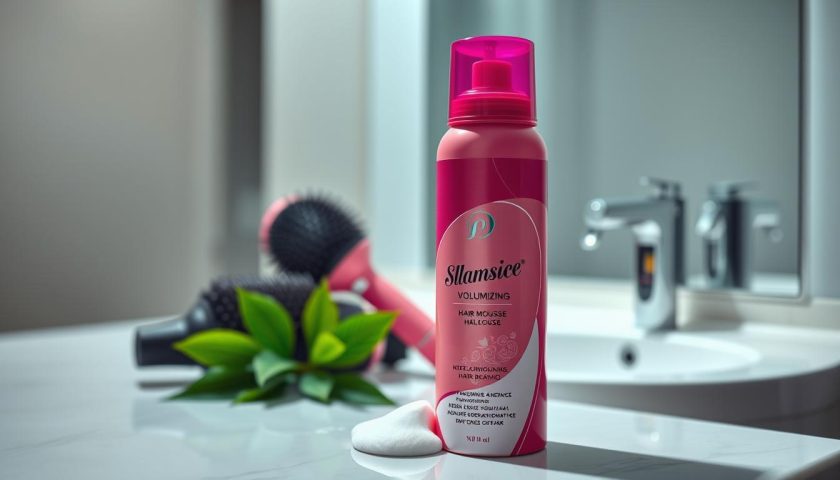
1. Check the Hold Level
Light hold creates soft movement. Medium hold adds more structure without making the hair feel overly firm. Strong hold is useful when you need more control or a style that tends to collapse quickly.
Start with flexible hold if you want a natural everyday finish. Move toward medium or firm hold only when your hair needs more support.
2. Choose a Lightweight Formula for Fine Hair
Fine hair can lose volume when styling products are too heavy. Choose an airy foam that distributes easily and does not require a large amount to create lift.
The best mousse for volume on fine hair should leave the roots feeling light rather than sticky or greasy.
3. Look for Heat Protection When Blow-Drying
Some mousses offer heat protection, but not every mousse does. Check the actual label and the temperature range claimed by the manufacturer. If the mousse does not provide suitable protection, use a compatible heat protectant before blow-drying.
For additional care, review heat protectant for natural hair and deep conditioning with heat.
4. Consider Humidity Resistance
Humidity can affect styling hold, particularly for frizz-prone hair. A humidity-resistant formula may help a hairstyle maintain its shape, although results vary with weather and hair texture.
5. Check Fragrance and Scalp Comfort
Strong fragrances and certain ingredients may not suit sensitive scalps. Choose a formula that feels comfortable and stop using products that cause itching, burning or persistent redness.
6. Compare Foam Texture
Some mousses feel light and bubbly, while others produce a dense, creamy foam. Neither texture is automatically better. What matters is how the product distributes and how your hair feels after drying.
7. Read the Product Directions
Some formulas are intended for damp hair before blow-drying. Others can be used for curl styling or air-drying. Follow the instructions for the product you choose.
Best Mousse for Volume by Hair Type
Best Volumizing Mousse for Fine Hair
Fine hair has individual strands with a smaller diameter. It may feel soft and smooth but can fall flat quickly, especially when coated with heavy conditioners, oils or creams.
Choose lightweight mousse with flexible or medium hold. Start with a small amount and apply it evenly to damp hair, paying special attention to the root areas that need lift.
For further reading, compare fine hair volumizing products, hair volume product types and volumizing hair products.
Best Volumizing Mousse for Thin Hair
Thin hair refers to lower hair density rather than individual strand thickness. A volumizing mousse may create the temporary appearance of fuller hair, but it cannot add hair follicles or treat underlying hair loss.
Use light mousse near the roots and lift sections while drying. Avoid layering multiple heavy products because excess weight may make sparse areas appear flatter.
Best Mousse for Thick Hair
Thick hair may need additional hold to maintain a blowout or structured style. Select a medium-to-strong-hold mousse and distribute it through manageable sections.
Focus on the roots for height and the mid-lengths for structure. Keep the product light near the ends if you want a soft finish.
Best Mousse for Long Hair
Long hair may lose root lift because of its weight. Section the hair before applying mousse, then use a round brush or appropriate styling tool to lift the roots while drying.
A little extra product may be needed for even coverage, but adding too much at once often creates stiffness. Build gradually instead.
Best Mousse for Wavy Hair
Wavy hair can benefit from a foam that adds bounce without flattening its natural pattern. Apply mousse to damp lengths and scrunch gently to encourage wave formation.
Allow hair to air-dry or use a diffuser on a suitable heat setting. Avoid excessive touching during drying because it may disrupt the wave pattern.
Best Mousse for Curly Hair
Curly hair needs a balance between definition, volume and comfort. A curl-friendly mousse can provide flexible structure without requiring a heavy gel.
Scrunch the foam into damp curls. If hair is dry, use a lightweight compatible leave-in conditioner sparingly before applying mousse.
Explore hair styling foam for curly hair, what a curly cut is, curly haircut ideas, women’s curly hairstyles and Irish curls hair type.
Hair Type and Mousse Selection Table
| Hair Type | Recommended Weight | Hold Preference | Styling Goal |
|---|---|---|---|
| Fine | Very lightweight | Flexible | Root lift |
| Thin | Lightweight | Flexible to medium | Fuller appearance |
| Thick | Medium | Medium to firm | Shape retention |
| Long | Light to medium | Medium | Root support |
| Wavy | Lightweight | Flexible | Bounce |
| Curly | Hydrating if needed | Flexible to medium | Definition and volume |
How to Apply Mousse for Fuller-Looking Hair
Step 1: Start With Clean Hair
Hair that contains heavy oils or styling residue may struggle to hold volume. Begin with clean hair and use a suitable shampoo.
If buildup is an issue, see how to clarify hair, professional clarifying shampoo and clarifying shampoo for bleached hair.
Step 2: Remove Excess Water
Gently blot hair with a microfiber towel until it is damp rather than dripping. This makes it easier to distribute mousse without excessive dilution or runoff.
Step 3: Detangle Carefully
Use a wide-tooth comb or suitable detangling brush. Work gently from the ends upward to avoid pulling and unnecessary breakage.
Step 4: Start With a Small Amount
Dispense a modest amount of foam according to the product instructions. A golf-ball-sized portion can be a starting reference for some products, but the correct amount depends on hair length, density and the formula.
Step 5: Distribute in Sections
Divide hair into manageable sections so the mousse reaches the areas you want to style. Place more product where lift is needed rather than automatically coating every strand heavily.
Step 6: Lift the Roots
Use your fingers or a round brush to direct the roots away from the scalp. You can dry sections opposite their normal direction to encourage height at the crown.
Step 7: Use Suitable Heat Protection
If you blow-dry, follow the dryer manufacturer’s safety instructions and use appropriate heat protection. Avoid excessive heat and keep airflow moving rather than concentrating it on one spot.
Step 8: Shape the Mid-Lengths
For straight hair, use a round brush to create body. For wavy or curly hair, scrunch or diffuse to support your natural pattern.
Step 9: Finish With Cool Air
After shaping with warm air, use the dryer’s cool setting to help set the style. Allow sections to cool before brushing or rearranging them.
Step 10: Check the Final Result
Once dry, check whether your hair looks fuller and still feels comfortable. If it is stiff or coated, use less mousse during the next styling session.
How Much Mousse Should You Use?
| Hair Situation | Starting Approach | Adjustment |
|---|---|---|
| Short, fine hair | Small amount | Add only if needed |
| Medium-length hair | Modest portion | Distribute evenly |
| Long hair | Work in sections | Add gradually |
| Thick hair | Section before styling | Use enough for even coverage |
| Curly hair | Scrunch into damp sections | Adjust for definition |
There is no universal mousse amount that works for everyone. Always check the directions on the bottle and adjust gradually.
9 Powerful Tips for Better Hair Volume
1. Start With a Lightweight Wash Routine
Heavy buildup can flatten roots before styling begins. Choose cleansing and conditioning products appropriate for your hair and scalp.
2. Keep Conditioner Away From Flat Roots
If your hair becomes flat quickly, apply conditioner mainly to the mid-lengths and ends unless your product instructions say otherwise.
3. Use Mousse Before Styling
Most volumizing mousses work best when applied to damp hair before drying. Check the instructions for your exact formula.
4. Lift Hair Away From the Scalp
Root position plays a major role in how full hair looks. Lift sections upward or opposite their usual direction while drying.
5. Choose the Right Brush
A round brush can help create shape and lift during blow-drying. Choose a size appropriate for your hair length.
6. Keep Product Layers Minimal
Combining several heavy products may flatten hair. Start with mousse alone, then add another styling product only if necessary.
7. Use Texture Spray Sparingly
A light texture spray can provide grip to finished hair. Avoid excessive spraying near the roots when they already feel coated.
8. Adjust for Humidity
Humidity can change how hair behaves. A suitable humidity-resistant mousse or finishing product may improve style retention.
9. Review Your Results
Notice how hair looks immediately after styling and later in the day. Use these observations to choose a better amount, hold level or drying method.
Mousse vs. Root Spray vs. Texture Spray
| Product | Main Purpose | When to Use |
|---|---|---|
| Volumizing mousse | Overall body and styling support | Before drying |
| Root-lifting spray | Targeted crown or root lift | On damp roots |
| Texture spray | Grip and separation | After drying |
| Dry shampoo | Absorb excess oil | Between washes |
| Flexible hairspray | Support finished style | After styling |
These products do not need to be used together every time. Choose based on the actual problem: flat roots, limp lengths, oily hair or poor style retention.
How to Make Mousse Volume Last Longer
Start With the Right Shampoo and Conditioner
Choose products that do not weigh your hair down. Condition the lengths appropriately while avoiding unnecessary residue at the roots.
Use Root-Lifting Spray Only When Needed
If the crown collapses even with mousse, a separate root-lifting product may help. Apply it carefully rather than layering large amounts.
Finish With a Flexible Spray
Use a light finishing spray if your blowout needs extra support. Keep hair soft enough to move naturally.
Refresh Flat Roots Between Washes
Dry shampoo may help absorb oil and add grip. Use according to directions and cleanse when buildup becomes noticeable.
Keep Your Styling Tools Clean
Brushes and combs can collect oils and product residue. Clean them regularly according to their material and manufacturer instructions.
Hair Health and Heat-Styling Safety
Mousse is a cosmetic styling aid, not a hair growth treatment. A healthy routine should also include gentle cleansing, appropriate conditioning and careful heat styling.
For reliable general advice, read the American Academy of Dermatology’s healthy hair tips.
If mousse causes persistent itching, burning, redness or scalp discomfort, stop using it. If symptoms continue or you notice unexplained hair loss, seek advice from a qualified healthcare professional.
Related Hair Volume and Hair Styling Guides
For more hair volume techniques, read best hair volume products, best volumizing hair products, volumizing products for fine hair, best volumizing hair cream, hair styling foam for curly hair and best mousse for volume guide.
For haircuts that may complement fuller-looking styling, explore shoulder-length haircuts, summer haircuts for women, hairdos for oval faces, curly haircut ideas, women’s curly haircut styles, curly cut basics, Irish curls hair type, soft autumn hair colors, hairstyles for hot weather and hair care for stronger-looking hair.
For styling without excessive heat, use heatless curl methods, heatless curling rods, heat protection for natural hair, deep conditioning with heat, conditioner expiration guidance, clarifying hair wash tips, professional clarifying shampoo and clarifying bleached hair.
Volume Styling With Everyday Makeup
A soft, full hairstyle pairs well with natural makeup. If you are preparing for an everyday outing or event, explore no-makeup makeup, natural makeup styling, tinted moisturizer, skincare-infused makeup, powder foundation, brow gels, eyebrow gel, tinted brow gel, drugstore brow gel and at-home brow tint.
For a more finished look, compare eyeshadow palettes, eyeshadow for brown eyes, cool-toned makeup, bronzer versus blush, bronzer and blush application, blurry blush, sweat-resistant makeup, lip scrub tips, lip masks and lip gloss layering.
Hair Volume and Skincare Routine Pairings
For a complete beauty routine, combine simple hair styling with comfortable skincare. Useful guides include five-step Korean skincare, how to layer skincare, Korean skincare for acne, glowing skin routines, hydrating face masks, serum at night, raw honey face masks, argan oil and pores, dermaplaning for sensitive skin and foaming cleansers for oily skin.
Hair Styling With Fashion and Nail Inspiration
Voluminous hair can complement many everyday looks. For outfit ideas, read fashion guides, 10 fashion tips, fashion tips and tricks, capsule closet ideas, fall outfits, Miami outfit ideas, baseball game outfits, cute baseball game outfits, Broadway outfits and shoes with jeans.
For finishing beauty details, explore nail art, neutral nail ideas, French tip colors, French manicure shades, summer nail polish, bridesmaid nail ideas, spring pedicure colors, New Year’s nail polish, chrome nail designs and soap nails.
Common Mousse Mistakes That Flatten Hair
Using Too Much Mousse
More mousse does not always mean more volume. Excess product may leave hair stiff, coated or sticky. Start with less and build gradually.
Applying Mousse to Dripping-Wet Hair
Very wet hair can make application less controlled. Blot away excess water before distributing the foam.
Skipping Sections
Long or thick hair may need sectioning for even coverage. Without sections, some areas receive too much product while others receive too little.
Not Lifting the Roots While Drying
Root direction matters. If you blow-dry hair flat against the scalp, mousse may not create the lift you want.
Brushing Curly Hair After It Dries
Brushing dry curls can disrupt their shape and create frizz. Use fingers to separate curls when appropriate.
Using Too Much Heat
Excessive heat can damage hair. Use an appropriate setting and suitable heat protection.
Layering Heavy Products
Heavy creams, oils, sprays and mousse can combine into a coated finish. Use fewer products when volume is the priority.
Mousse Troubleshooting Table
| Problem | Possible Cause | Recommended Adjustment |
|---|---|---|
| Hair feels crunchy | Strong hold or excess mousse | Use less or switch to flexible hold |
| Roots fall flat | Incorrect placement or drying | Lift roots while blow-drying |
| Hair feels greasy | Heavy product layering | Use lighter formulas |
| Volume is uneven | Poor distribution | Apply in sections |
| Curls become frizzy | Brushing after drying | Use gentle scrunching |
| Scalp becomes irritated | Possible formula sensitivity | Stop using the product |
Expert Tips from Sawera Shahid
Sawera Shahid, a beauty, fashion, skincare and lifestyle content writer with 5+ years of experience, recommends choosing volumizing mousse based on hair type and styling technique rather than relying only on product popularity.
- Choose the lightest mousse that provides enough hold for your hair.
- Apply mousse strategically instead of coating every section heavily.
- Focus on the crown when that is where your hair appears flat.
- Use flexible hold for soft, natural movement.
- Blow-dry roots upward to encourage visible lift.
- Use a diffuser for wavy or curly hair when appropriate.
- Check the finished style in natural light before adding more product.
- Record how your hair feels after several hours to identify the right formula.
Simple Mousse Performance Test
| What to Check | Question | Good Result |
|---|---|---|
| Root lift | Does hair look higher at the crown? | Visible but natural lift |
| Softness | Does hair feel comfortable? | Touchable movement |
| Residue | Does hair feel coated? | Minimal buildup |
| Style retention | How does hair look later? | Acceptable shape retention |
| Scalp comfort | Is there irritation? | No discomfort |
Frequently Asked Questions
What is the best mousse for volume?
The best mousse for volume depends on hair type. Fine hair often benefits from lightweight foam, while thick hair may need medium or strong hold and wavy or curly hair may need a curl-friendly formula.
Does volumizing mousse work for fine hair?
Yes. Lightweight volumizing mousse can temporarily add body and lift to fine hair without requiring heavy styling products.
Can mousse make thin hair look thicker?
Mousse can make thin hair appear fuller by supporting the roots and styling the existing strands. It does not create new hair or permanently change hair density.
How should I apply mousse for maximum volume?
Apply a small amount to clean, damp hair, distribute evenly, lift the roots while blow-drying and allow the finished style to cool.
Is mousse better than root-lifting spray?
Mousse is useful for overall body, while root-lifting spray targets height at the scalp. The better choice depends on where your hair looks flat.
Can I use mousse every day?
Daily use may be suitable when the product agrees with your hair and scalp. Follow the label and avoid excessive buildup.
Why does mousse make my hair crunchy?
Crunchiness can result from too much mousse, a strong-hold formula or uneven application. Try a smaller amount or a flexible-hold product.
Should mousse go on wet or dry hair?
Many volumizing mousses work best on damp, towel-dried hair. However, always check the directions for the exact formula you use.
Can curly hair use volumizing mousse?
Yes. Curl-friendly mousse can add temporary body and help support curl definition. Apply to damp hair and scrunch gently.
How can I make mousse volume last longer?
Start with clean hair, apply mousse evenly, lift the roots while drying, use a cool setting to finish and avoid heavy products that may flatten the style.
Final Thoughts
The best mousse for volume is one that matches your hair texture, provides enough hold and feels comfortable after styling. Fine hair often needs lightweight mousse, thick hair may benefit from firmer support, and curly hair usually needs a balance of volume and definition.
Product choice matters, but styling technique is just as important. Use mousse on clean, damp hair, work in sections, lift the roots carefully and avoid excessive product. With a simple routine, you can create fuller-looking hair without sacrificing natural movement.
Final Recap
- Volumizing mousse adds temporary lift and body.
- Fine hair generally benefits from lightweight formulas.
- Thick hair may need stronger hold.
- Curly hair needs bounce and definition.
- Apply mousse to damp hair in controlled amounts.
- Lift the roots while drying for a fuller appearance.
- Avoid heavy buildup and excessive heat.
- Choose the mousse that fits your hair type and daily routine.