
Key Takeaways
- Black skin contains melanin, but it still needs reliable protection from ultraviolet radiation.
- Choose broad-spectrum sunscreen with SPF 30 or higher for everyday sun protection.
- Tinted sunscreens containing iron oxides can help protect against visible light that worsens dark spots and melasma.
- Mineral, chemical and hybrid sunscreens can all work when you choose a well-formulated product suited to your skin.
- Generous application and regular reapplication are essential for effective protection.
- Combine sunscreen with shade, hats, sunglasses and sun-protective clothing.
Finding the right sunblock black skin product can feel challenging, especially when many sunscreens leave a white or gray cast on deeper complexions. A comfortable formula should protect your skin without making it look chalky, greasy or unnaturally pale.
The good news is that sunscreen options now include clear-finish formulas, lightweight lotions, tinted products and moisturizing textures that can work beautifully with melanin-rich skin.
This guide explains how to choose sunscreen for dark skin, understand SPF labels, prevent white cast, protect against dark spots and create a simple everyday routine.
For complementary skincare reading, explore five-step Korean skincare, how to layer skincare and when to use face serum.
Quick Answer: What Is the Best Sunscreen for Black Skin?
The best sunscreen for Black skin is a broad-spectrum SPF 30 or higher formula that you can apply generously, wear comfortably and reapply as needed.
If you struggle with white cast, try a tinted mineral sunscreen that matches your skin tone or a well-formulated sunscreen with organic UV filters that leaves a clear finish.
If dark spots or melasma are major concerns, consider a tinted sunscreen containing iron oxides. This ingredient can help protect against visible light in addition to the UV protection provided by the sunscreen’s approved active filters.
Sunblock for Black Skin in Simple Words
Sunscreen protects skin from ultraviolet radiation emitted by the sun. It helps prevent sunburn and, when broad-spectrum products are used as directed with other sun-protection measures, helps lower the risk of skin cancer and early skin aging.
Dark skin has more melanin, which provides some natural defense. However, melanin cannot replace sunscreen.
Everyone benefits from reliable sun protection, regardless of whether their skin burns easily or visibly develops a tan.
Why UV Protection Matters for Melanin-Rich Skin
Melanin Does Not Block Every Harmful Ray
Melanin contributes to natural skin pigmentation and provides some protection against ultraviolet exposure. However, it does not prevent all sun damage.
People with darker complexions can still experience photoaging, sun-related pigment changes and skin cancer. A lower tendency to sunburn should not be mistaken for complete protection.
Sunlight Can Worsen Hyperpigmentation
Hyperpigmentation occurs when areas of skin produce or retain additional pigment. Sun exposure can make these areas appear darker or more noticeable.
Daily sun protection is particularly important if you are dealing with acne marks, post-inflammatory hyperpigmentation or melasma.
Visible Light Matters for Dark Spots
Visible light from sunlight can contribute to increased pigmentation, particularly in deeper skin tones. For this reason, dermatologists often recommend tinted sunscreen containing iron oxides for people who are concerned about dark spots.
Iron oxides can help provide visible-light protection, but the sunscreen still needs appropriate broad-spectrum UV protection.
Sun Protection Matters Beyond Summer
UV radiation is present throughout the year, even on many cloudy or cool days. Your actual exposure varies with location, season, time outdoors and the UV index.
Pay particular attention to exposed skin during driving, outdoor walking, sports, beach trips and other activities.
How to Choose the Best Sunblock for Black Skin
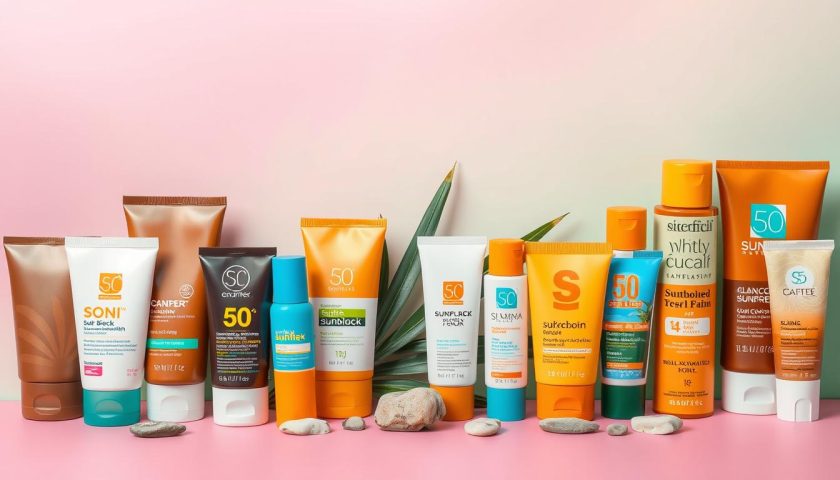
1. Look for Broad-Spectrum Protection
Choose a sunscreen labeled broad-spectrum. This indicates that the product meets testing requirements for protection against both UVA and UVB radiation.
UVA contributes to photoaging and pigmentation changes, while UVB is a major cause of sunburn. Both are important when planning a protective skincare routine.
2. Choose SPF 30 or Higher
SPF 30 is a practical daily minimum recommended by dermatologists. SPF 50 offers additional UVB protection, although the difference is smaller than many people assume.
Neither SPF 30 nor SPF 50 provides complete protection. The amount you apply, reapplication habits and other protective measures matter greatly.
3. Select a Formula That Does Not Leave a White Cast
A white cast happens when sunscreen leaves a visible pale residue on the skin. Some mineral formulas containing zinc oxide or titanium dioxide can produce this effect, especially on deeper complexions.
A suitably tinted formulation or a clear-finish organic-filter sunscreen may give a more natural appearance.
4. Consider Tinted Sunscreen With Iron Oxides
Tinted sunscreens can serve two purposes: helping reduce white cast and providing additional protection against visible light when they contain iron oxides.
Choose a tint that matches your actual complexion. A shade that is too light may still create an ashy appearance, while one that is too warm may look orange.
5. Match the Texture to Your Skin Type
Dry skin may benefit from moisturizing cream or lotion formulas. Oily skin may prefer lightweight gels, fluid lotions or soft-matte finishes.
For acne-prone skin, consider products labeled non-comedogenic. This does not guarantee that a formula will suit every person, but it can be a helpful selection feature.
6. Choose Water Resistance for Outdoor Activities
If you expect to swim or sweat, choose water-resistant sunscreen. In the United States, water-resistant labeling generally specifies 40 or 80 minutes of protection during the relevant testing conditions.
No sunscreen is completely waterproof or sweatproof. Follow the label’s reapplication instructions.
7. Prioritize a Product You Will Actually Wear
A sunscreen that feels unpleasant may be difficult to use consistently. Look for a finish that works with your skincare, makeup and everyday schedule.
The right product should provide suitable protection without making your routine unnecessarily complicated.
Mineral vs. Chemical vs. Tinted Sunscreen
| Sunscreen Type | Main Feature | Potential Advantage | Consideration |
|---|---|---|---|
| Mineral | Zinc oxide or titanium dioxide | May suit sensitive skin | Some formulas leave white cast |
| Organic-filter sunscreen | Uses approved organic UV filters | Many formulas blend clear | Some may sting sensitive eyes |
| Hybrid | Combines filter types | Various finish options | Texture varies by product |
| Tinted | Contains color pigments | Can reduce cast and offer visible-light protection with iron oxides | Finding a matching tint may take testing |
These categories describe formulation differences, not absolute rankings. The best choice depends on the complete product, not simply whether its filters are mineral or organic.
SPF 30 vs. SPF 50: Which Is Better?
| SPF | Approximate UVB Filtering | Practical Note |
|---|---|---|
| SPF 15 | About 93% | Below the usual dermatologist-recommended daily minimum |
| SPF 30 | About 97% | Recommended starting point |
| SPF 50 | About 98% | Offers some additional protection |
SPF indicates the level of protection against UVB-related sunburn under standardized testing conditions. It should not be interpreted as permission to stay outdoors for a fixed number of hours without reapplying.
Higher SPF is not a substitute for applying sunscreen generously, reapplying it or using protective clothing and shade.
Best For / Avoid If
| Best For | Avoid or Adjust If |
|---|---|
| Tinted SPF 30+ with iron oxides for pigmentation concerns | The tint looks gray, orange or too light |
| Lightweight sunscreen for oily skin | The formula causes discomfort or persistent irritation |
| Moisturizing sunscreen for dry skin | The finish feels excessively greasy |
| Water-resistant sunscreen for outdoor activity | The product is not labeled for swimming or sweating |
| Broad-spectrum SPF 30+ for daily protection | The product has expired or was stored improperly |
How to Apply Sunscreen Without a White Cast
Step 1: Cleanse Your Skin Gently
Start with clean skin. If your skin feels dry, use a gentle cleanser or rinse according to your normal routine. If you have oily skin, a suitable facial cleanser may help remove excess surface oil.
For related guidance, read foaming cleanser for oily skin and Korean skincare for acne-prone skin.
Step 2: Apply Your Serum or Moisturizer
Use a hydrating serum or moisturizer if your skin needs one. Let the product settle before applying sunscreen.
For hydration ideas, explore hydrating face masks and Korean skincare for glowing skin.
Step 3: Apply a Generous Sunscreen Layer
Apply enough sunscreen to cover all exposed skin. For the face, neck and ears, many adults need more than a small pea-sized amount. Follow product directions and use approximately a teaspoon for the face and neck as a practical reference, adjusting for coverage and individual needs.
The two-finger method is a popular reminder, but finger length and product thickness vary. It is not a precise universal measurement.
Step 4: Cover Commonly Missed Areas
Pay attention to the hairline, ears, jawline, neck and other exposed areas. Do not forget the backs of your hands, chest, shoulders or legs when they are uncovered.
Step 5: Allow the Product to Set
Follow the product label for timing before sun exposure. Many U.S. sunscreen labels direct application about 15 minutes before going outdoors.
Give the sunscreen time to settle before applying makeup, but do not dilute it with moisturizer or mix it directly into foundation.
Step 6: Add Makeup Gently
Apply foundation or concealer over sunscreen without excessive rubbing. Choose compatible products that sit comfortably together.
Step 7: Reapply During Outdoor Exposure
Reapply sunscreen at least every two hours while outdoors, and sooner when instructed after swimming, sweating or towel drying.
If you are wearing makeup, choose a reapplication method that provides adequate coverage. Sunscreen powder or setting spray alone may not deliver enough product to replace a full sunscreen application.
How to Layer Sunscreen With Makeup
Sunscreen Goes Before Makeup
In a typical morning routine, sunscreen is the final skincare step before foundation, concealer or other makeup.
Choose a Comfortable Finish
For oily skin, a light fluid or soft-matte formula may work well beneath foundation. For dry skin, a more moisturizing sunscreen may help avoid a tight or flaky appearance.
Avoid Excessive Product Layering
Too many heavy skincare layers can increase pilling. If products roll into small flakes, simplify your routine and let each layer settle.
Makeup SPF Is Not Always Enough
Foundation and tinted moisturizer can contain SPF, but many people apply too little makeup to achieve the protection stated on the label.
Using a dedicated sunscreen underneath is generally more reliable.
For makeup guidance, explore tinted moisturizer, skincare-infused makeup, sweat-resistant makeup, powder foundation and natural makeup looks.
Daily Sunscreen Routine for Black Skin
Morning Routine
- Cleanse or rinse your face.
- Apply suitable hydrating skincare if needed.
- Use broad-spectrum SPF 30 or higher sunscreen.
- Cover the face, ears, neck and exposed skin generously.
- Allow the product to settle according to instructions.
- Apply makeup if desired.
- Take a hat or protective accessories for outdoor plans.
Office and Commuting Days
Use a comfortable broad-spectrum formula in the morning. Consider outdoor exposure during commutes, breaks and errands.
People who spend long periods near windows or driving may also encounter UVA exposure through some types of glass.
Outdoor Sports and Travel
Choose a water-resistant sunscreen appropriate for your activity. Pack enough product to reapply and wear lightweight protective clothing.
Beach and Pool Days
Use water-resistant sunscreen and follow the label’s 40- or 80-minute swimming or sweating instructions. Reapply immediately after towel drying.
Winter and Cloudy Days
Continue protecting exposed skin when UV exposure is relevant. Check the UV index and remember that cloud cover does not eliminate all UV radiation.
Protecting Dark Skin Beyond the Face
Hands, Arms and Shoulders
Apply sunscreen to exposed hands, arms and shoulders. These areas may receive substantial sun exposure during daily activities.
Chest and Legs
When wearing open-neck clothing, dresses, skirts or shorts, protect uncovered areas.
Lips
Choose a lip balm with SPF 30 or higher when spending time outdoors.
Scalp and Hair Part
Scalp parts can burn or become irritated by the sun. Protect exposed areas using a suitable sunscreen product or hat.
Protective Clothing and Shade
Pair sunscreen with a wide-brim hat, sunglasses, shade and UPF-rated clothing when appropriate. No single sun-protection method blocks every exposure.
7 Essential Sunscreen Tips for Black Skin
1. Use Broad-Spectrum SPF 30 or Higher
Check the label rather than relying on marketing descriptions. Both UVA and UVB protection matter.
2. Find a No-White-Cast Finish
Test the sunscreen against your actual complexion and view the result in natural light.
3. Consider Tinted Sunscreen With Iron Oxides
For visible-light-related dark spots or melasma, tinted sunscreen containing iron oxides can offer an important additional benefit.
4. Choose a Texture That Suits Your Skin
Try fluid, lotion, cream or gel textures depending on comfort, dryness, oiliness and makeup preferences.
5. Apply Enough Product
A thin, nearly invisible smear may not provide the advertised SPF. Cover exposed skin generously.
6. Reapply According to Exposure
Reapply at least every two hours outdoors and follow instructions after swimming or sweating.
7. Add Clothing, Sunglasses and Shade
Sunscreen works best as one part of a complete sun-protection routine.
Common Sunscreen Mistakes to Avoid
Believing Black Skin Cannot Experience Sun Damage
Although melanin offers some protection, dark skin can still develop UV-related damage, pigmentation changes and skin cancer.
Applying Too Little Sunscreen
Using substantially less sunscreen than the amount tested may reduce the actual protection you receive.
Choosing SPF Without Checking Broad-Spectrum Coverage
SPF alone does not tell the complete story about UVA protection. Choose broad-spectrum products.
Ignoring Visible-Light Protection When Managing Dark Spots
If hyperpigmentation is a concern, consider tinted sunscreen containing iron oxides rather than focusing only on white cast.
Assuming Water-Resistant Means Waterproof
No sunscreen is completely waterproof. Always follow the product’s 40- or 80-minute water-resistance instructions.
Relying Only on Foundation With SPF
Makeup is often applied too sparingly to provide the same protection as a generous layer of dedicated sunscreen.
Skipping Reapplication During Outdoor Activities
Protection can decrease with time, sweating, swimming and towel drying. Reapplication is important.
Using Expired or Improperly Stored Sunscreen
Check expiration dates and storage instructions. Avoid leaving sunscreen exposed to excessive heat or direct sunlight for long periods.
Troubleshooting Sunscreen for Dark Skin
| Problem | Possible Reason | Better Approach |
|---|---|---|
| White or gray cast | Formula or tint mismatch | Try a suitable tinted or clear-finish sunscreen |
| Pilling | Layering or product incompatibility | Reduce unnecessary layers and let products settle |
| Too much shine | Heavy or dewy formula | Try a lightweight, soft-matte texture |
| Dry or tight feeling | Insufficient moisture | Try a hydrating formula and suitable moisturizer |
| Eye stinging | Formula sensitivity or migration | Stop using the irritating product and choose a more suitable alternative |
| Dark spots getting darker | Ongoing pigmentation triggers or inadequate protection | Review sun protection and seek dermatology advice when appropriate |
Expert Tips from Sawera Shahid
Sawera Shahid, a beauty, fashion, skincare and lifestyle content writer with 5+ years of experience, recommends making sunscreen part of a consistent and comfortable skincare routine.
- Choose broad-spectrum SPF 30 or higher instead of relying on the product’s marketing claims.
- Test the finished appearance on your complexion before committing to a formula.
- Use tinted sunscreen containing iron oxides if dark spots or melasma are important concerns.
- Choose soft-matte textures for oily skin when you prefer less shine.
- Choose moisturizing textures for dry skin.
- Keep an appropriately stored sunscreen available for outdoor reapplication.
- Use hats, sunglasses and protective clothing during extended sun exposure.
- Prioritize consistent use over chasing a particular social media trend.
Authority Resources for Sunscreen Safety
For dermatologist-supported information on darker skin tones, visible light and tinted sunscreen, review the American Academy of Dermatology’s guidance on darker skin tones.
For U.S. sunscreen labeling, broad-spectrum claims and water resistance, see the FDA sunscreen safety and labeling guide.
Related Skincare and Beauty Guides
To build a simple daily skincare routine, explore five-step Korean skincare, skincare layering, glowing skin routines, hydrating face masks and nighttime serum routines.
For oily and breakout-prone skin, consider foaming cleanser for oily skin, skincare for acne-prone skin, argan oil and clogged pores and dermaplaning for sensitive skin.
For makeup over sunscreen, read skincare-infused makeup, no-makeup makeup, tinted moisturizer, powder foundation, sweat-resistant makeup and bronzer for dark skin.
Frequently Asked Questions
Do people with Black skin really need sunscreen?
Yes. Melanin provides some natural protection, but Black skin can still develop UV damage, hyperpigmentation and skin cancer. Dermatologists recommend sun protection for all skin tones.
What sunscreen is best for Black skin without a white cast?
Choose broad-spectrum SPF 30 or higher sunscreen that blends naturally into your complexion. Tinted formulas matched to your skin tone can help reduce visible residue, and some organic-filter formulas also provide clear finishes.
Is SPF 30 or SPF 50 better for darker skin?
Both offer strong UVB protection when applied correctly. SPF 30 filters approximately 97% of UVB radiation, while SPF 50 filters around 98%. Higher SPF does not replace generous application or reapplication.
Why is tinted sunscreen useful for dark spots?
Tinted sunscreen containing iron oxides can help protect against visible light, which may worsen hyperpigmentation and melasma in darker skin tones. Choose a product with broad-spectrum SPF 30 or higher.
Can mineral sunscreen work on deep skin tones?
Yes. Many people with deep skin tones use mineral sunscreen successfully. Some formulas leave a white cast, so a well-matched tinted mineral sunscreen may be a better cosmetic choice.
Can sunscreen help prevent dark spots?
Consistent sun protection can help prevent sunlight from worsening hyperpigmentation and support a broader dark-spot treatment plan. It does not guarantee that existing pigmentation will disappear.
How often should sunscreen be reapplied?
Reapply at least every two hours while outdoors, and follow the product’s instructions after swimming, sweating or towel drying.
Does SPF in foundation replace sunscreen?
Foundation with SPF may contribute some protection, but it is generally more reliable to use dedicated sunscreen because many people apply too little foundation to achieve the labeled SPF.
Should sunscreen be applied before or after moisturizer?
In a typical morning routine, moisturizer goes on first if needed, followed by sunscreen as the last skincare step before makeup. Follow individual product directions.
What should I do if sunscreen causes stinging or irritation?
Stop using the irritating formula. Try a suitable alternative and consult a healthcare professional if symptoms are persistent, severe or involve the eyes.
Final Thoughts
Choosing a comfortable sunblock black skin formula is an important part of maintaining healthy, protected skin. Broad-spectrum SPF 30 or higher, a suitable finish and generous application are the most important starting points.
If visible white cast makes sunscreen difficult to wear, try a clear-finish or well-matched tinted product. If hyperpigmentation is a concern, consider tinted sunscreen with iron oxides for additional visible-light protection.
Consistent use, appropriate reapplication and protective clothing help make sunscreen part of an effective long-term skincare routine.
Final Recap
- Black skin needs sun protection despite its natural melanin.
- Broad-spectrum SPF 30 or higher is a practical daily standard.
- White cast can often be reduced with a better-matched formula.
- Tinted sunscreen with iron oxides may help protect against visible-light-related pigmentation.
- Mineral and organic-filter sunscreens can both be useful.
- Generous coverage matters as much as the SPF number.
- Reapply at least every two hours during outdoor exposure.
- Shade, hats, sunglasses and protective clothing add important protection.