How Beauty Standards Affect Mental Health: Body Image, Self-Esteem, and Confidence | Soft Glow Style
🌸 Key Takeaways
- How beauty standards affect mental health matters because appearance pressure can influence self-esteem, mood, confidence, and daily emotional wellbeing.
- Body image means how you think, feel, and behave toward your body, not just how your body actually looks.
- Negative body image can lead to body confidence issues, social withdrawal, comparison habits, anxiety, low mood, and unhealthy beauty routines.
- Media and body image are closely connected because social platforms, ads, filters, and beauty trends can shape what people think is normal or attractive.
- Body dysmorphia is more serious than ordinary insecurity and may involve intense distress over perceived flaws.
- Positive body image does not mean loving your appearance every second. It means respecting your body and not letting appearance control your self-worth.
- Treatment for body image issues may include therapy, support groups, media boundaries, self-compassion work, and professional mental health care.
- Feeling better about yourself mentally starts with reducing comparison, building healthy thought patterns, and valuing yourself beyond appearance.
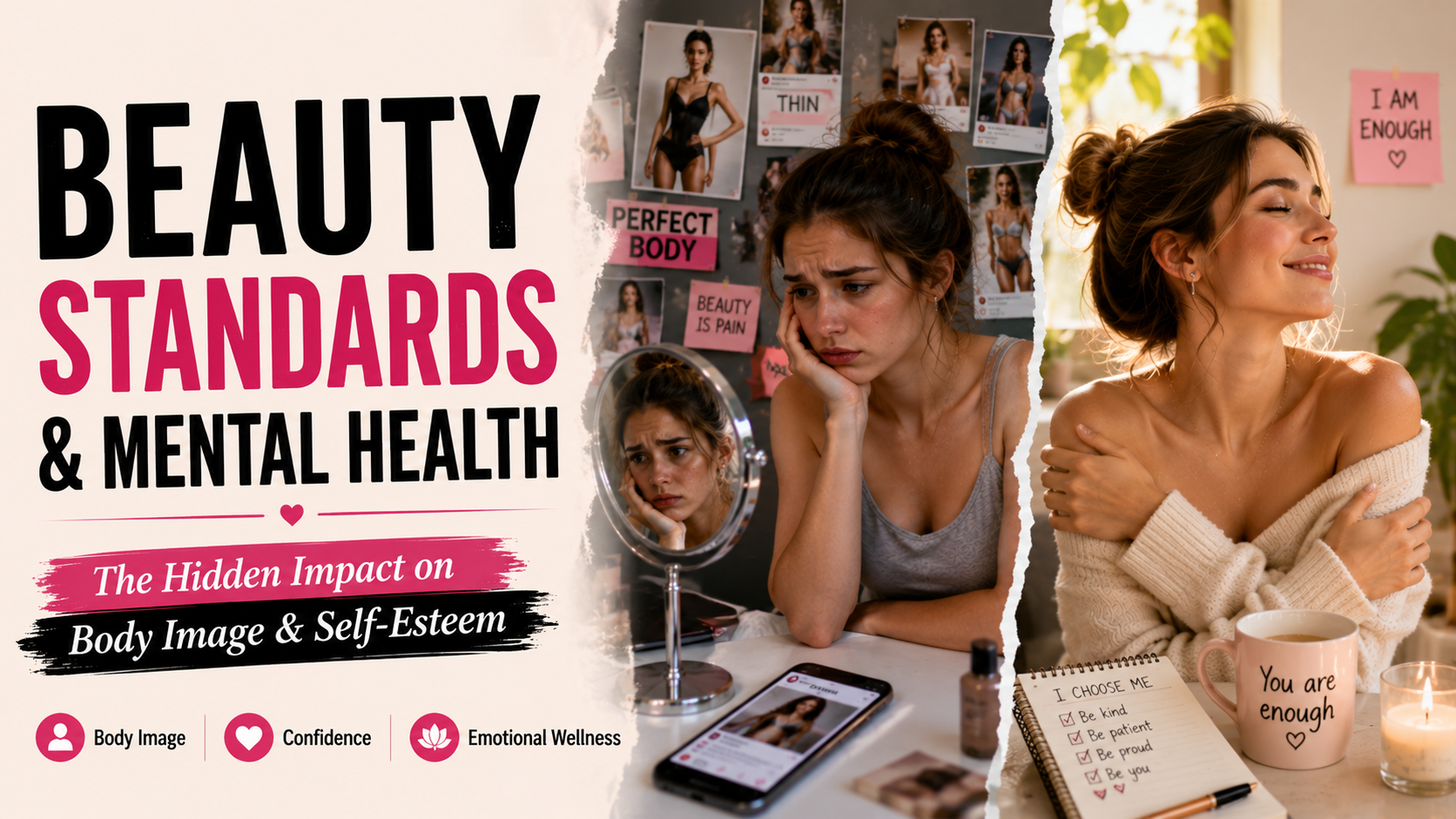
Direct Answer: Beauty standards affect mental health by shaping how people see their bodies, compare themselves to others, and measure their worth. Unrealistic beauty ideals can contribute to bad body image, low self-esteem, anxiety, body confidence issues, and in some cases body dysmorphia symptoms. Healthier media habits, self-compassion, supportive relationships, and professional help can improve body image and emotional wellbeing.
Introduction: Why Beauty Standards and Mental Health Are So Connected
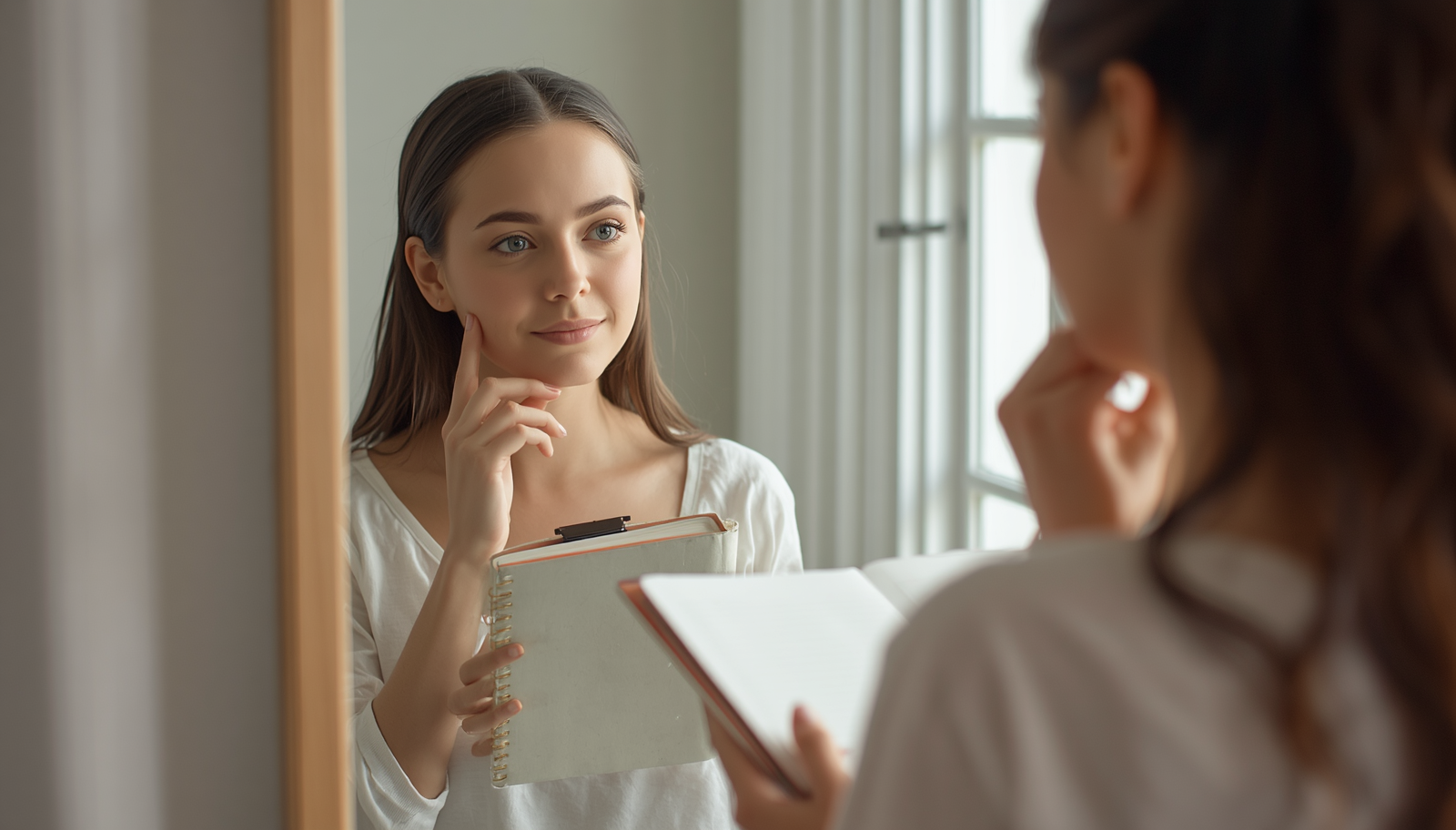
How beauty standards affect mental health is not just a beauty topic. It is a wellness topic, a social media topic, and honestly, a very human topic. Most people have looked in the mirror and felt disappointed at some point. Maybe the face looked tired. Maybe the body looked different from a photo online. Maybe an outfit did not sit right. It happens.
But when appearance pressure becomes constant, it can start affecting mental and emotional health. You may begin checking mirrors too often, comparing your face to edited photos, avoiding pictures, hiding your body, or feeling like you are never enough.
That is where beauty standards become more than style inspiration. They become emotional pressure.
At Soft Glow Style, we love beauty, skincare, fashion, and glow-up routines. But beauty should never make you feel smaller. A good routine should support you, not convince you that you are broken. This article explores body image, self-esteem, body dysmorphia symptoms, media influence, and healthy ways to rebuild confidence.
If you enjoy thoughtful beauty and wellness content, you may also like our guides on Korean beauty standards, cloud skin is the new glass skin, and visible pores new filter.
What Is Body Image?
To define body image simply, body image is the way you think, feel, and behave toward your body. It includes your thoughts about your appearance, your emotional reaction to your body, and how you treat yourself because of those feelings.
So, what is a body image? It is not only what you see in the mirror. It is also the story your mind tells about what you see.
Two people can have similar bodies and feel completely different about them. One person may feel comfortable and neutral. Another may feel anxious, ashamed, or distracted all day. That difference is body image.
What Does Body Image Mean in Daily Life?
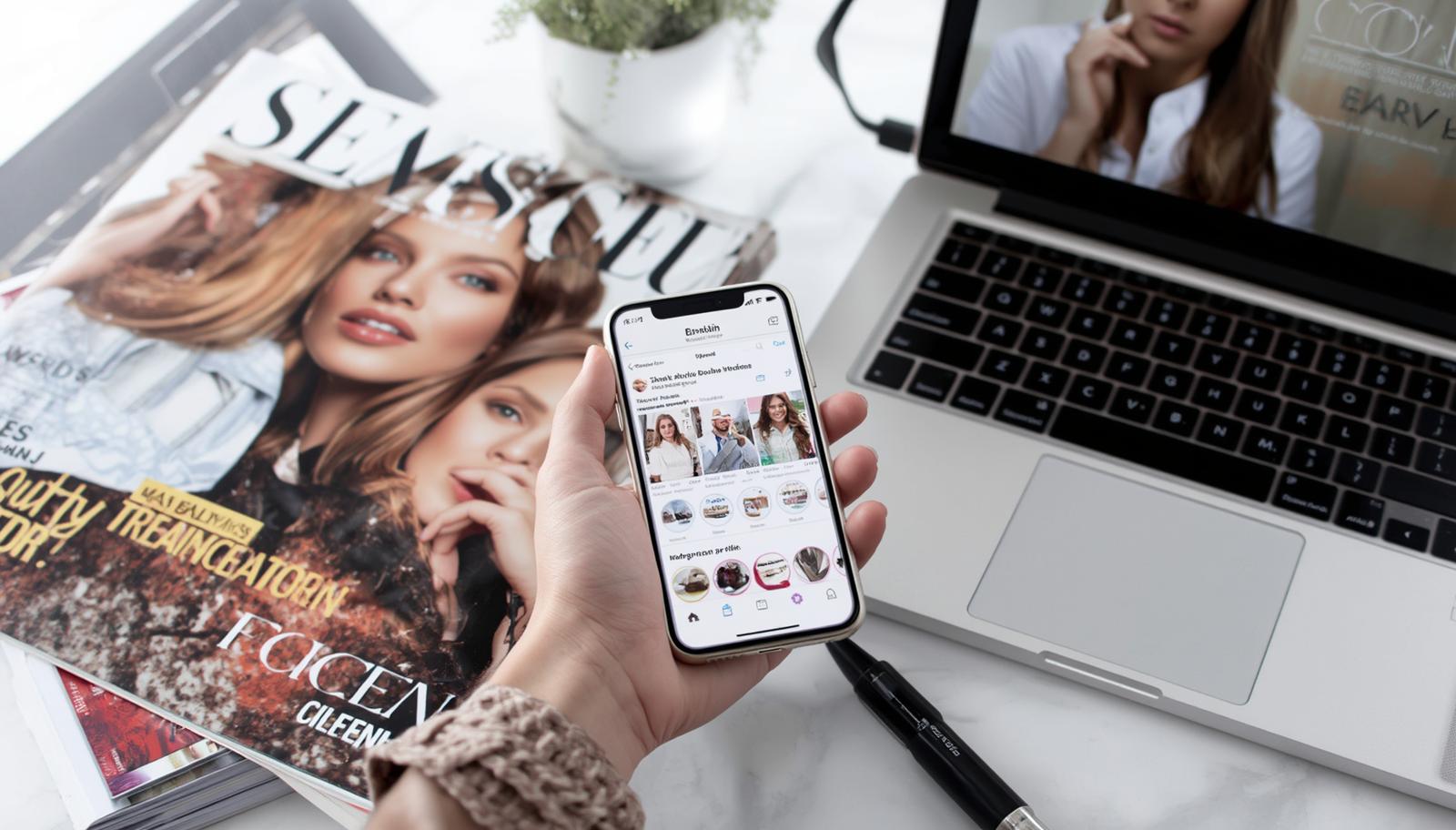
Body image shows up in small moments. It can affect what clothes you wear, whether you allow photos, how comfortable you feel at the beach, how often you compare yourself, and whether you speak kindly or harshly to yourself.
Body image examples include:
- Feeling confident in your body even when it does not look perfect.
- Avoiding social events because you feel uncomfortable with your appearance.
- Checking your face or body repeatedly in the mirror.
- Feeling upset after seeing edited photos online.
- Choosing clothes based on comfort rather than hiding.
- Appreciating what your body does, not only how it looks.
Why Is Body Image Important?
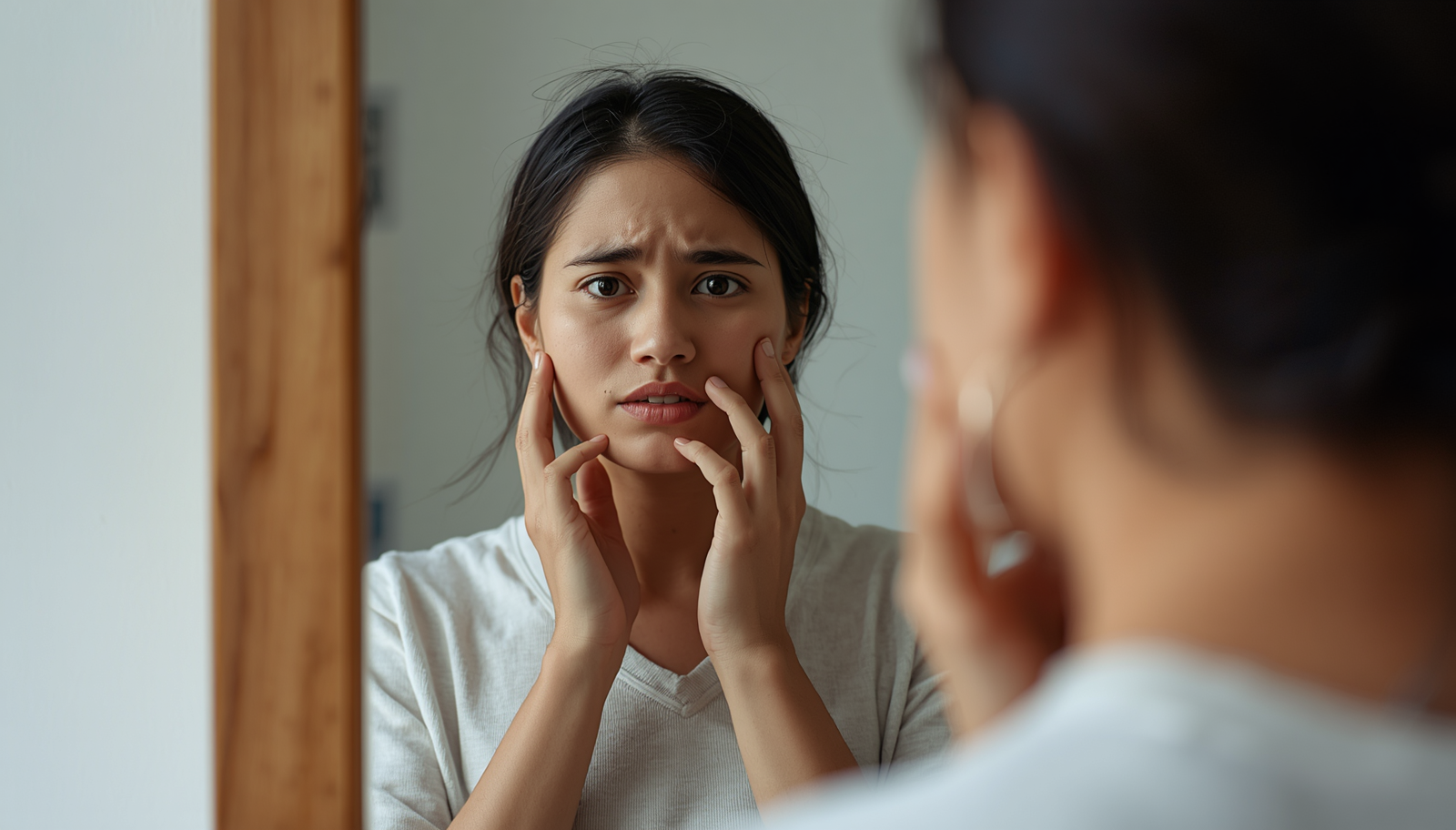
Body image is important because it can affect self-esteem, relationships, mental health, eating habits, movement, confidence, and quality of life. When body image is painful, even normal daily moments can feel heavy.
This is why how beauty standards affect mental health deserves serious attention. Beauty standards are not harmless when they make people feel unworthy, anxious, or trapped in comparison.
How Beauty Standards Affect Mental Health
How beauty standards affect mental health often starts with comparison. You see a face, body, skin texture, hair type, or lifestyle that seems ideal. Then your mind quietly asks, “Why don’t I look like that?”
One comparison may not hurt much. But hundreds of comparisons every week can build pressure. Over time, you may start measuring yourself against impossible standards.
The American Psychological Association reported that teens and young adults who reduced social media use by 50% for a few weeks saw significant improvement in how they felt about their weight and overall appearance. You can read more here: American Psychological Association on social media and body image.
Beauty Standards Can Affect Self-Esteem
Self-esteem is how you value yourself. When beauty standards become too powerful, appearance can start feeling like the main source of value. That is risky because appearance changes. Skin changes. Weight changes. Aging happens. Stress shows. Bodies are not fixed objects.
If self-worth depends only on looking “good,” emotional stability becomes fragile.
Beauty Standards Can Affect Mood
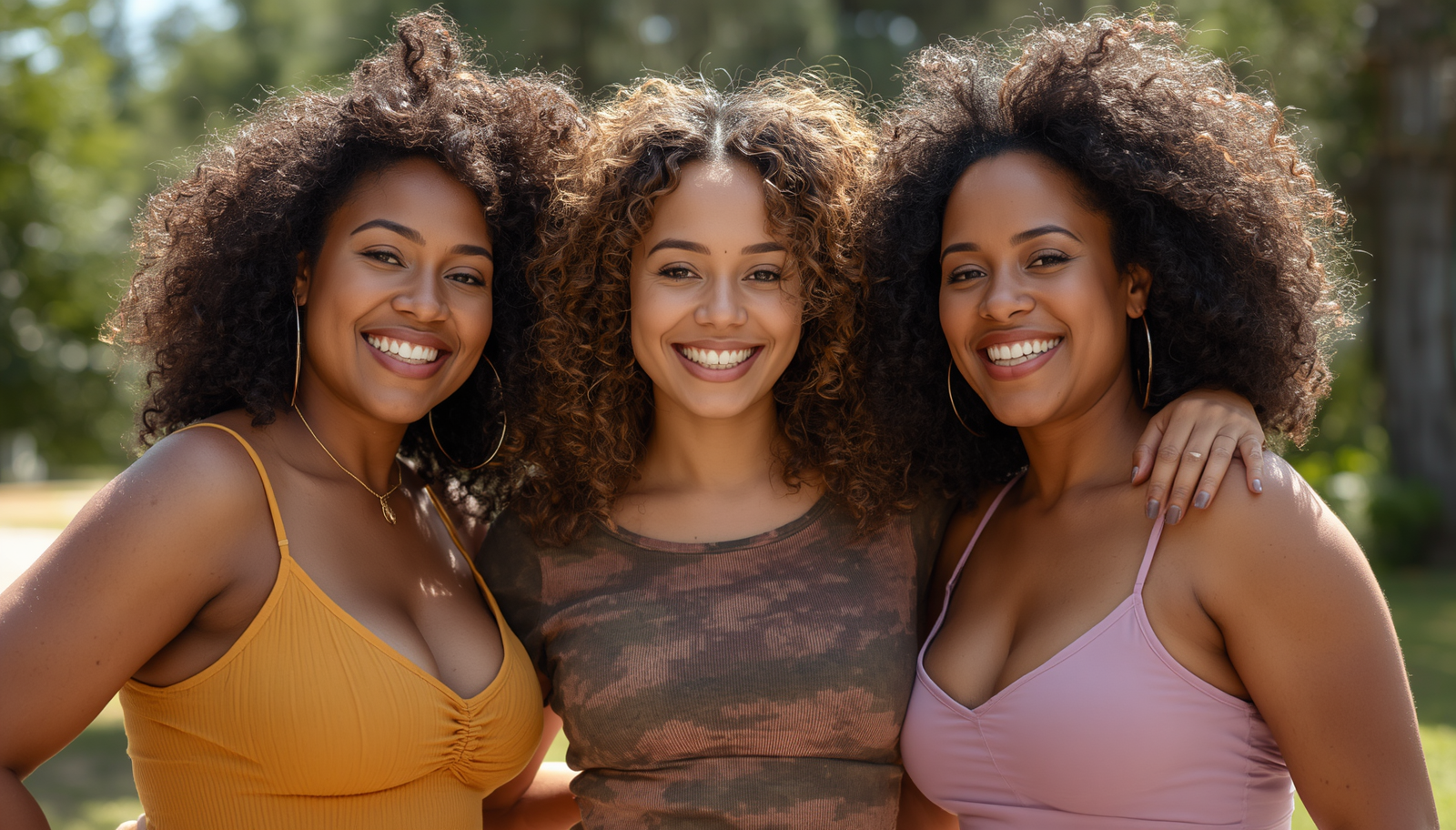
Unrealistic beauty pressure can contribute to sadness, frustration, anxiety, shame, and irritability. You may feel fine, then see one photo or video and suddenly feel less attractive or less confident.
That mood shift may seem small, but repeated often, it can affect mental and emotional health.
Beauty Standards Can Affect Behavior
Appearance pressure can also change behavior. Someone may avoid swimming, refuse photos, skip events, overuse filters, spend too much on beauty products, check mirrors repeatedly, or follow extreme diets.
Beauty routines can be enjoyable. But when they come from fear or shame, they can become exhausting.
Media and Body Image: Why Comparison Feels So Constant
Media and body image are deeply connected. Social media, beauty ads, influencer content, celebrity culture, filters, and editing apps can shape what people believe is normal.
The problem is that much of what we see online is not fully real. Lighting, angles, makeup, posing, editing, filters, cosmetic procedures, and carefully chosen photos can create an image that looks effortless but is actually constructed.
Why Social Media Can Make Body Image Worse
Social media encourages comparison because it shows highlight reels. You may compare your normal morning face to someone’s edited campaign photo. You may compare your relaxed body to someone’s posed fitness shot.
Your brain knows it is not fair, perhaps. But emotionally, it can still hurt.
Positive Ads About Body Image
Positive ads about body image can help when they show diverse bodies, real skin, different ages, disability representation, natural texture, and less edited beauty. They remind people that beauty is wider than one narrow look.
But representation has to feel genuine. If brands use body positivity only as a marketing trend while still promoting unrealistic ideals, people notice.
Negative Body Image and Bad Body Image
Negative body image means having painful, critical, or distorted feelings about your appearance. Bad body image can affect how you dress, eat, move, socialize, and speak to yourself.
It can also become a loop. You feel bad about your appearance, so you avoid life. Then avoiding life makes you feel worse emotionally. Then your body becomes the target again.
Signs of Negative Body Image
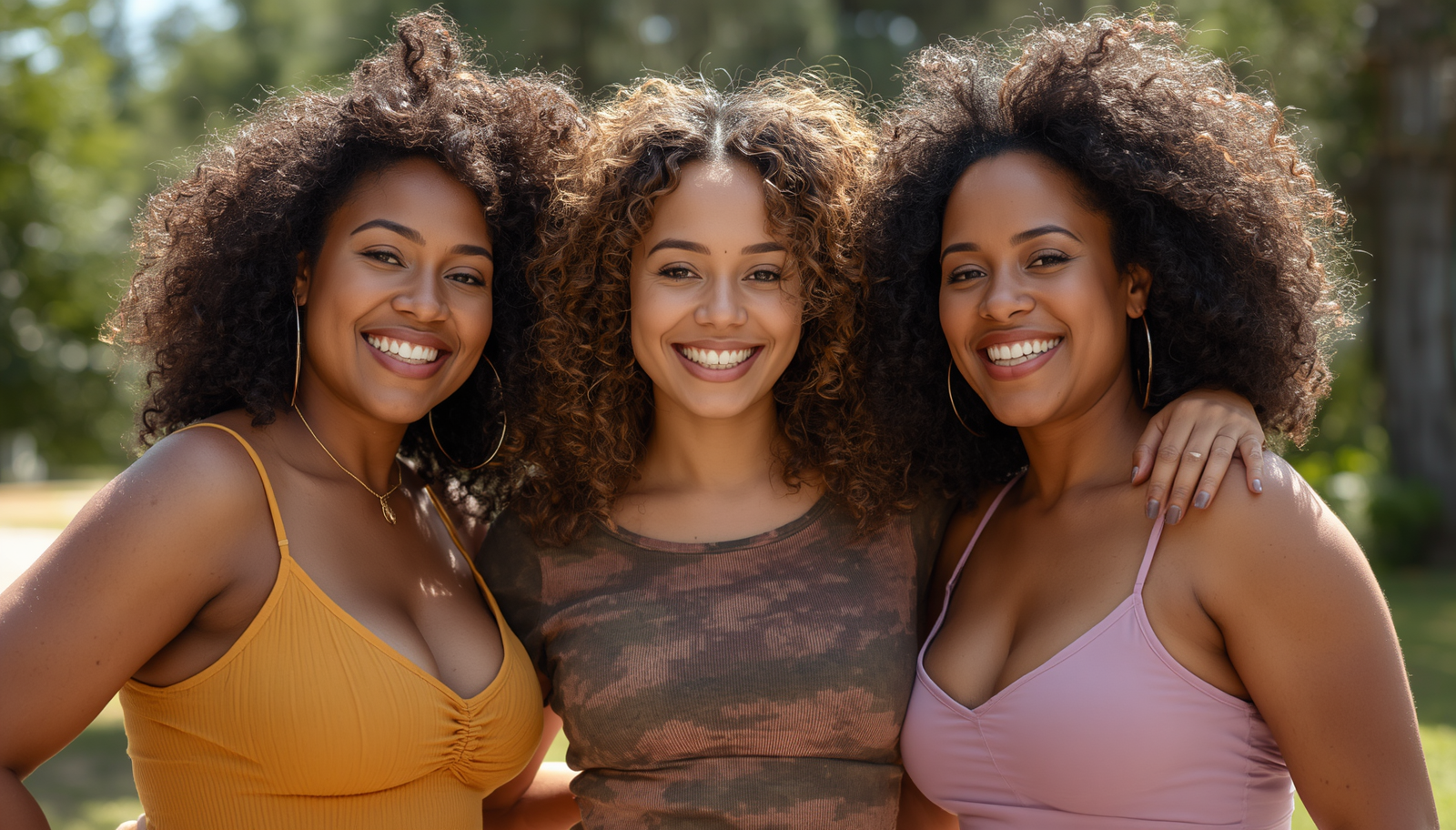
- Frequently comparing your appearance to others.
- Avoiding mirrors or checking mirrors too often.
- Feeling ashamed of normal body changes.
- Believing you must look different before you can enjoy life.
- Feeling uncomfortable in photos.
- Changing outfits many times because nothing feels “right.”
- Feeling emotionally upset after social media use.
- Using harsh language toward your body.
Body Image and Self-Esteem
Body image and self-esteem influence each other. If you believe your body is unacceptable, your self-esteem may suffer. If your self-esteem is already low, you may become more vulnerable to appearance criticism.
This is why body image self esteem work is not only about changing appearance. It is about changing the relationship you have with yourself.
What Causes Body Image Issues?
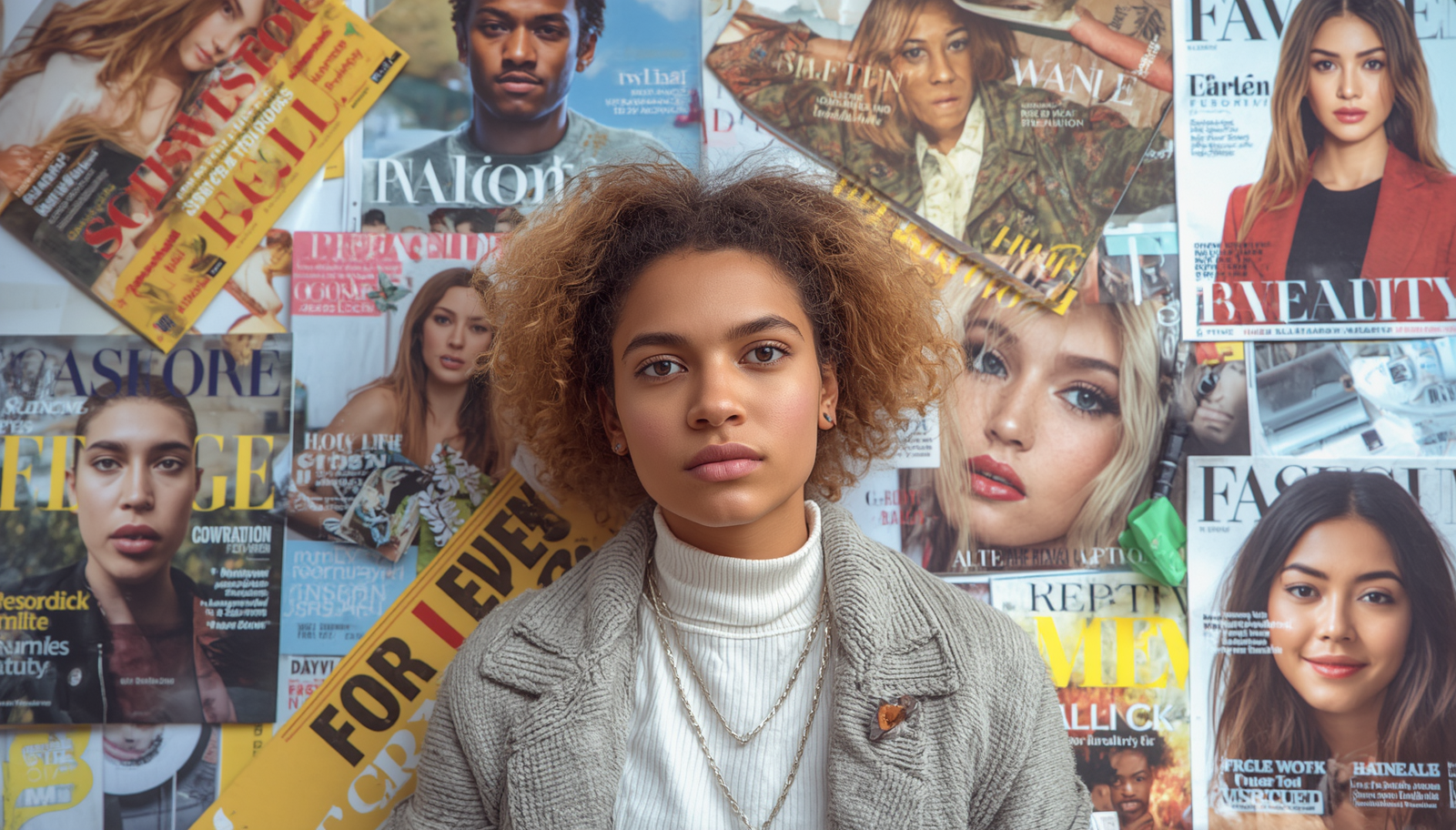
What causes body image issues can vary from person to person. Usually, it is not one thing. It is a mix of personal experiences, family comments, bullying, culture, media, beauty standards, trauma, health changes, and social comparison.
Common Causes of Body Image Issues
| Cause | How It Can Affect Body Image |
|---|---|
| Social media | Can create constant comparison with filtered or edited appearances. |
| Family comments | Remarks about weight, skin, hair, or body shape can stay with people for years. |
| Bullying | Appearance-based teasing can damage confidence and body trust. |
| Beauty ads | May promote narrow ideals of skin, body shape, age, or facial features. |
| Health changes | Weight changes, acne, scars, illness, or hormonal changes can affect self-image. |
| Perfectionism | Can make normal human features feel like flaws. |
Which of the Following Is True About Body Image?
The true thing about body image is that it is partly emotional and partly mental. It is not always accurate. A person can look completely normal to others and still feel deeply uncomfortable inside.
That is why telling someone “you look fine” does not always fix body image issues. They may need emotional support, new thought patterns, and sometimes professional care.
What Is Body Dysmorphia?
Body dysmorphia, or body dysmorphic disorder, is a mental health condition where a person becomes intensely preoccupied with perceived flaws in appearance. These flaws may be minor or not noticeable to others, but they feel very distressing to the person.
What is body dysmorphia in simple terms? It is when the mind becomes stuck on a perceived appearance flaw in a way that causes serious distress or affects daily life.
Mayo Clinic explains that body dysmorphic disorder can involve intense focus, shame, anxiety, repetitive checking, grooming, or attempts to hide perceived defects. This condition can worsen without care, so professional support matters.
Body Dysmorphia Symptoms
Body dysmorphia symptoms may include:
- Obsessing over a perceived flaw in appearance.
- Repeated mirror checking or avoiding mirrors completely.
- Constantly seeking reassurance about appearance.
- Comparing appearance to others repeatedly.
- Trying to hide perceived flaws with makeup, clothing, posture, or angles.
- Avoiding social situations because of appearance concerns.
- Feeling convinced others notice or judge the flaw.
- Considering or repeating cosmetic procedures without lasting relief.
Body Image Issues vs Body Dysmorphia
| Body Image Issues | Body Dysmorphia |
|---|---|
| May involve insecurity or dissatisfaction. | Involves intense preoccupation with perceived flaws. |
| Can come and go depending on mood or situation. | Often causes ongoing distress and repetitive behaviors. |
| May improve with support and healthier habits. | Often needs professional mental health treatment. |
| Can affect confidence. | Can interfere with daily functioning and relationships. |
Mental and Emotional Health: Why Appearance Pressure Feels Heavy
Mental and emotional health includes thoughts, feelings, coping habits, self-worth, relationships, and how you move through stress. Appearance pressure can affect all of these.
The mental aspects of health matter because your inner life shapes your outer life. If you constantly criticize your face or body, your brain becomes a difficult place to live.
How Appearance Pressure Affects Emotional Health
- It can make you feel anxious before social events.
- It can make ordinary photos feel stressful.
- It can reduce confidence in relationships.
- It can make shopping or dressing feel upsetting.
- It can create fear of aging or natural body changes.
- It can make self-care feel like correction instead of care.
How to Feel Better About Yourself Mentally
Learning how to feel better about yourself mentally begins with separating your worth from your appearance. That sounds simple, but it takes practice.
Try asking:
- Would I speak to a friend the way I speak to myself?
- Am I comparing my real life to edited images?
- What do I value about myself that has nothing to do with appearance?
- What would change if I respected my body today, even without loving every part?
What Does It Mean to Have a Positive Body Image?
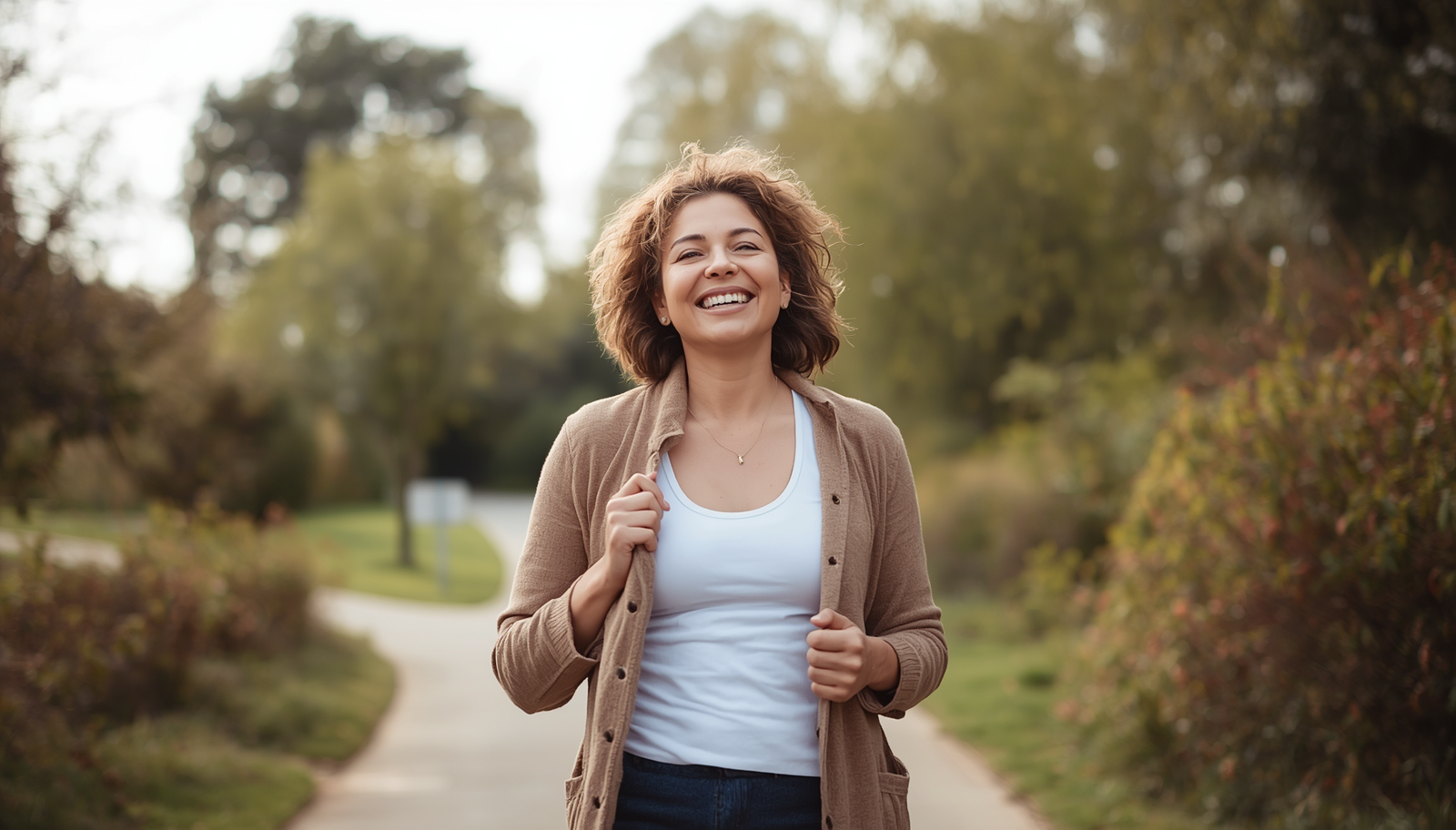
What does it mean to have a positive body image? It means you can respect your body, care for it, and live your life without appearance controlling everything.
It does not mean you always feel beautiful. That expectation can become another pressure. Positive body image can include neutral days, insecure moments, and still choosing kindness.
Which Indicates That Someone Has a Positive Body Image?
Someone may have a positive body image if they:
- Respect their body even when they do not feel perfect.
- Choose clothes that feel comfortable and expressive.
- Do not avoid life because of appearance fears.
- Can see beauty in different body types.
- Do not rely only on appearance for self-worth.
- Care for their body through rest, food, movement, and compassion.
What Thought Patterns and Behaviors Are Part of Body Positivity?
Body positivity can include challenging harsh thoughts, reducing comparison, appreciating body function, following diverse creators, choosing supportive clothes, and speaking about bodies respectfully.
It also includes not making appearance the center of every conversation. Sometimes the healthiest thing is to simply live.
How to Get Over Body Image Issues
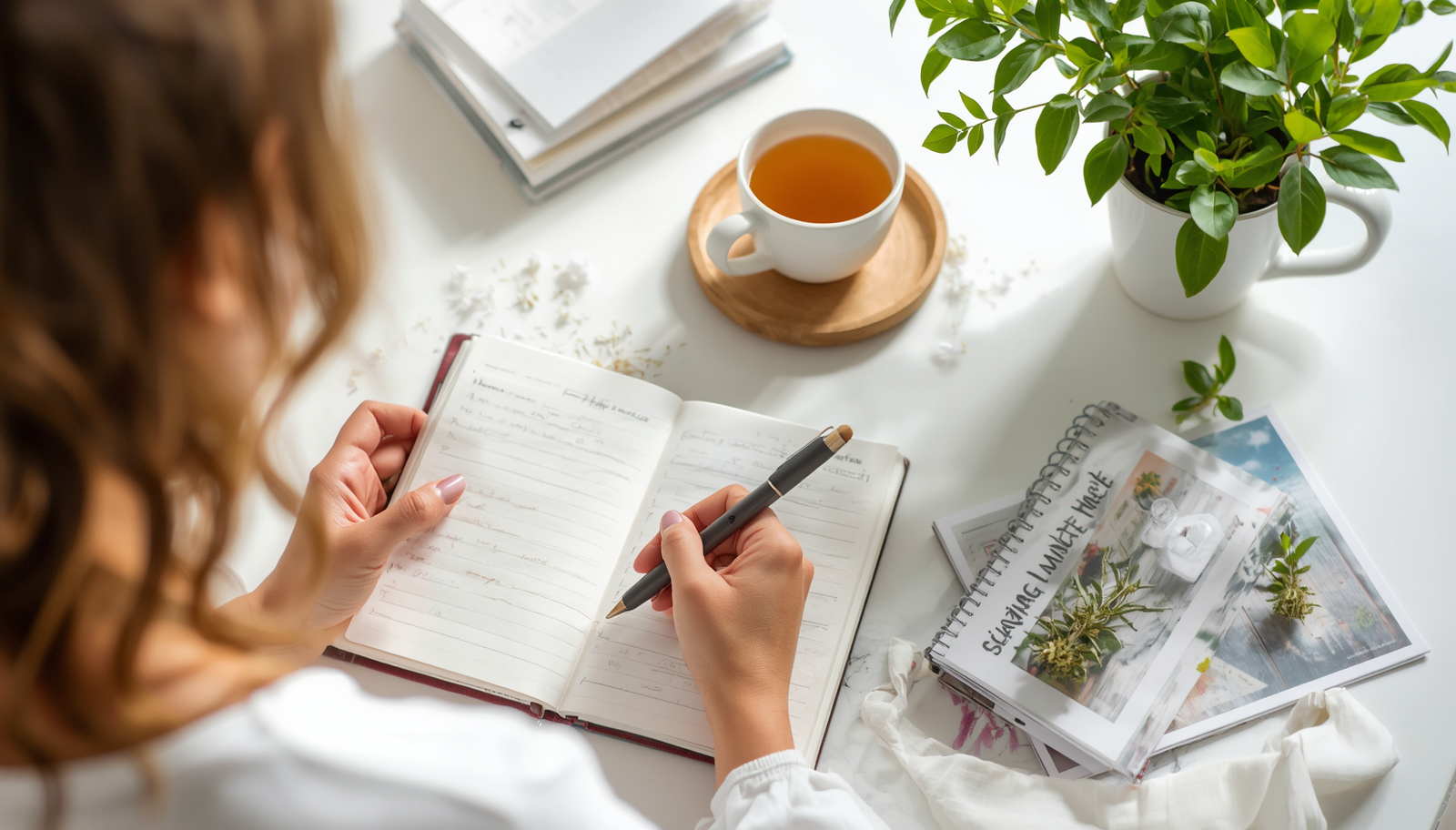
How to get over body image issues is not always a quick process. It may take time, especially if the insecurity has been around for years. But small changes can help.
Step 1: Reduce Comparison Triggers
Notice which accounts, ads, shows, or environments make you feel worse. You do not need to prove you are strong by consuming content that harms you.
Unfollow, mute, limit, or replace content with more diverse and realistic voices.
Step 2: Practice Body Neutrality
Body neutrality means focusing less on loving your appearance and more on respecting your body. You might not love your stomach today. But you can still feed yourself, dress comfortably, and avoid cruel self-talk.
For many people, neutrality feels more realistic than constant positivity.
Step 3: Stop Checking So Often
Mirror checking, body checking, weighing too often, or taking repeated photos can increase anxiety. Try reducing checking habits slowly.
You do not have to avoid mirrors completely. Just use them for function, not punishment.
Step 4: Build Identity Beyond Beauty
You are not only a face or body. You are also your humor, skills, values, creativity, kindness, intelligence, memories, beliefs, and relationships.
Build parts of life that remind you of that.
How to Help Someone With Body Image Issues
If someone you love has body image issues, it can be hard to know what to say. You may want to reassure them, but reassurance alone may not be enough.
Helpful Ways to Support Someone
- Listen without dismissing their feelings.
- Avoid saying “you look fine” as the only response.
- Do not comment on weight, food, or body shape casually.
- Compliment qualities beyond appearance.
- Encourage professional help if distress is intense.
- Model kinder body talk around them.
- Do not encourage extreme diets, checking, or comparison.
What Not to Say
Avoid phrases like:
- “You are being dramatic.”
- “Other people have it worse.”
- “Just stop thinking about it.”
- “You would feel better if you lost weight.”
- “But you are pretty, so why worry?”
Support should feel safe, not corrective.
Treatment for Body Image Issues
Treatment for body image issues depends on severity. Some people improve through self-help, supportive relationships, and media boundaries. Others need therapy, especially when body image issues interfere with daily life.
Body image treatment may include cognitive behavioral therapy, self-compassion work, support groups, treatment for anxiety or depression, and help for eating disorder symptoms if present.
When to Seek Professional Help
Consider professional help if body image concerns cause intense distress, social avoidance, obsessive checking, disordered eating, repeated cosmetic procedures, or thoughts of self-harm.
If body dysmorphia symptoms are present, a mental health professional can help with proper diagnosis and treatment.
Body Image Treatment Options
| Support Option | How It Helps |
|---|---|
| Therapy | Helps challenge distorted thoughts and reduce harmful behaviors. |
| CBT | Can address comparison, checking, avoidance, and appearance anxiety. |
| Support groups | Reduce shame by connecting with others who understand. |
| Media boundaries | Lower exposure to harmful comparison triggers. |
| Medical care | Supports related anxiety, depression, or eating disorder concerns. |
Beauty Without Harm: A Healthier Way to Enjoy Style
Beauty is not the enemy. Skincare, makeup, fashion, haircare, and self-expression can be joyful. The problem starts when beauty becomes proof of worth.
You can enjoy beauty trends without letting them control you. You can like makeup and still value your bare face. You can enjoy fashion and still respect your body when clothes fit differently. You can care about skin and still accept pores, texture, acne, and aging.
For softer beauty ideas that do not need perfection, explore blurry blush, lip gloss layers, and lifestyle nail bars beauty.
Beauty Should Feel Like Care
A good beauty routine should make you feel more connected to yourself, not more ashamed. If a routine leaves you anxious, obsessive, or constantly dissatisfied, it may be time to step back.
Ask yourself: Is this helping me feel cared for, or is it feeding fear?
Frequently Asked Questions
How do beauty standards affect mental health?
How beauty standards affect mental health depends on how much pressure, comparison, and self-criticism they create. Unrealistic beauty ideals can contribute to negative body image, low self-esteem, anxiety, sadness, and body confidence issues. When people feel they must look a certain way to be accepted, emotional wellbeing can suffer.
What is body image?
Body image is how you think, feel, and behave toward your body. It includes your beliefs about your appearance, your emotional reaction to the mirror, and how those feelings affect your choices. Body image is not always accurate because it can be shaped by mood, past experiences, media, and comparison.
What does body image mean?
Body image means your inner relationship with your body. It includes self-perception, body satisfaction, appearance thoughts, and body-related behaviors. A person with healthy body image can respect their body even when they do not feel perfect. A person with negative body image may feel shame, anxiety, or discomfort about appearance.
What causes body image issues?
Body image issues can be caused by social media, beauty standards, bullying, family comments, peer comparison, trauma, health changes, perfectionism, and cultural pressure. Often, several factors work together. Someone may develop body image issues after repeated appearance criticism or after constant exposure to unrealistic beauty ideals.
What is body dysmorphia?
Body dysmorphia, also called body dysmorphic disorder, is a mental health condition where a person becomes intensely focused on perceived flaws in appearance. These flaws may be minor or not noticeable to others, but they cause serious distress. Body dysmorphia may involve mirror checking, reassurance seeking, hiding, or avoiding social situations.
What are body dysmorphia symptoms?
Body dysmorphia symptoms can include obsessive focus on a perceived flaw, repeated mirror checking, avoiding mirrors, comparing appearance, seeking reassurance, hiding parts of the body, avoiding social events, and believing others notice or judge the flaw. If these symptoms affect daily life, professional mental health support is important.
What does it mean to have a positive body image?
Having a positive body image means respecting your body and not letting appearance control your self-worth. It does not mean loving every feature every day. It means you can care for your body, dress comfortably, live your life, and value yourself beyond beauty standards or comparison.
How can I get over body image issues?
To get over body image issues, start by reducing comparison triggers, unfollowing harmful accounts, practicing body neutrality, wearing clothes that fit comfortably, and challenging harsh self-talk. If body image issues are intense or persistent, therapy can help. Healing usually takes time, so small consistent changes matter.
How can I help someone with body image issues?
You can help someone with body image issues by listening without judgment, avoiding appearance-based comments, complimenting non-appearance qualities, and encouraging professional support if needed. Do not dismiss their feelings or tell them to “just stop thinking about it.” Body image struggles often need patience and emotional safety.
Why is body image important?
Body image is important because it can affect confidence, self-esteem, relationships, mental health, eating habits, clothing choices, and social life. A healthier body image helps people participate more fully in life instead of waiting to look different before feeling worthy. It supports mental and emotional health in everyday ways.
Final Thoughts: Beauty Standards Should Not Decide Your Worth
How beauty standards affect mental health matters because beauty culture reaches people every day. It appears in ads, filters, videos, comments, trends, and even casual conversations. Over time, those messages can shape how people see themselves.
But beauty standards are not facts. They change by era, culture, platform, and trend. What is praised today may be replaced tomorrow. Your worth cannot depend on something so unstable.
You are allowed to enjoy beauty. You are allowed to wear makeup, dress up, care for your skin, and love style. But you are also allowed to exist without constant improvement. Your body is not a failed project. It is where your life happens.
The goal is not to feel beautiful every second. The goal is to feel free enough to live.
You Might Also Love
- What Are Korean Beauty Standards? — A deeper look at beauty ideals and cultural pressure.
- Cloud Skin Is the New Glass Skin — A softer beauty trend that feels more realistic.
- Visible Pores New Filter — A realistic look at skin texture and beauty filters.
- Blurry Blush — A gentle makeup trend for soft confidence.
- Lip Gloss Layers — Easy beauty inspiration without heavy glam.
- Best Skincare Products — Build a supportive skincare routine.
- Lifestyle Nail Bars — Beauty as self-care, not pressure.
- Importance of a Healthy Lifestyle — Wellness habits for a healthier daily routine.
- 15 Best Fashion Tips — Style advice that supports confidence.
- Beauty — Explore more beauty stories from Soft Glow Style.