What Tops to Wear With Wide Leg Pants: Easy Styling Guide

What Tops to Wear With Wide Leg Pants: Easy Styling Guide

Key Takeaways What tops to wear with wide leg pants depends on balance, waist definition and the occasion. Fitted T-shirts, ribbed tanks, bodysuits, cropped tops and slim knits are the easiest tops for wide leg pants. Button-down shirts, silk blouses, blazers and waistcoat vests make wide leg pants look polished for work or smart casual outfits. Oversized tops can work with wide leg pants if they are front-tucked, cropped, belted or styled with structure. The wider the pants, the more helpful it is to define the waist or show some…

How to Wear Jeans and Ankle Boots Without Looking Awkward

How to Wear Jeans and Ankle Boots Without Looking Awkward

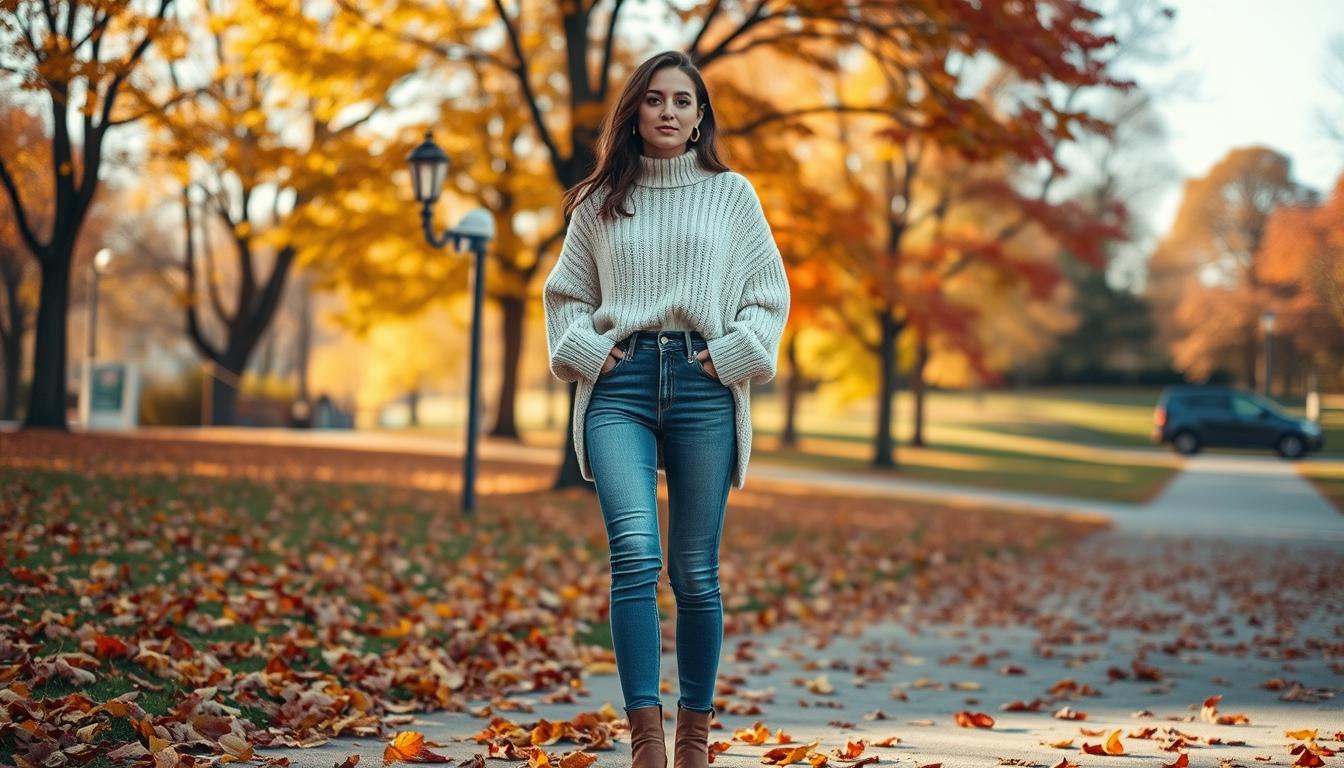
Key Takeaways How to wear jeans and ankle boots comes down to hem length, boot shaft height and clean ankle balance. Straight leg jeans usually look best when they meet the boot top, sit slightly above it or fall cleanly over a slim boot. Skinny jeans can be tucked into ankle boots, cuffed slightly or worn with fitted sock-style boots. Cropped jeans work well with ankle boots when the gap between jeans and boots looks intentional, not accidental. Wide leg and bootcut jeans should either cover part of the boot…

What Do Lip Masks Do? Simple Lip Care Guide

What Do Lip Masks Do? Simple Lip Care Guide

Key Takeaways What do lip masks do is simple: they help soften, moisturize and protect dry lips with a thicker treatment layer. Lip masks are usually richer than regular lip balm, which makes them useful at night or when lips feel extra dry. A good lip mask can help lips look smoother, softer and slightly plumper temporarily because hydrated lips reflect light better. Lip masks do not permanently enlarge lips or replace SPF lip balm during the day. Dry, cracked or sensitive lips usually need gentle, fragrance-free and non-irritating formulas.…

How to Use a Lip Scrub Without Irritating Your Lips

How to Use a Lip Scrub Without Irritating Your Lips

Key Takeaways How to use a lip scrub safely depends on gentle pressure, low frequency and proper moisture afterward. Lip scrubs can help remove mild surface flakes, but they are not the best choice for cracked, bleeding, raw or painful lips. Use lip scrub on clean, slightly damp lips so the exfoliating grains feel less harsh. Massage lightly for a few seconds only, then rinse or wipe away the scrub gently. Always apply lip balm, ointment or a lip mask after exfoliating to help protect the lips. Most people do…

Makeup for Cool Undertones: Easy Color Matching Guide

Makeup for Cool Undertones: Easy Color Matching Guide

Key Takeaways Makeup for cool undertones looks best when the shades have pink, rose, mauve, berry, plum, blue-red, taupe or neutral-cool depth. Cool undertones usually struggle with foundation that turns yellow, golden or orange on the skin. The best foundation shades are often labeled cool, pink, rose, porcelain, cool beige or neutral-cool. Soft pink, rose, mauve, berry and plum blush usually look more natural than orange coral blush. Cool undertones can wear bronzer, but the shade should be muted, neutral or slightly rosy instead of orange. Blue-red, berry, mauve, rose,…

How to Apply Bronzer and Blush Without Overdoing It

How to Apply Bronzer and Blush Without Overdoing It

Key Takeaways How to apply bronzer and blush comes down to placement, shade choice and blending. Bronzer adds warmth and soft shape, while blush adds fresh color and life to the cheeks. Most makeup routines look more natural when bronzer is applied first and blush is added after. Bronzer usually belongs around the temples, cheek perimeter and jawline, not directly on the apples of the cheeks. Blush usually looks best on the cheeks, blended upward toward the temples for a lifted effect. Start with less product than you think because…

Hairstyles for Hot Weather: Easy Looks That Stay Put

Hairstyles for Hot Weather: Easy Looks That Stay Put

Key Takeaways Hairstyles for hot weather should keep hair off your face, neck and shoulders while still feeling comfortable. Buns, braids, claw clip twists, low ponytails, scarf styles and protective hairstyles are some of the easiest hot weather options. The best summer hairstyle depends on hair length, texture, humidity level, sweat, occasion and how long you need the style to last. Loose but secure styles are usually better than extremely tight hairstyles that pull on the scalp or hairline. Curly and natural hair often needs moisture and gentle styling before…

Soft Autumn Hair Colors: Warm Shades That Look Natural

Soft Autumn Hair Colors: Warm Shades That Look Natural

Key Takeaways Soft autumn hair colors look best when they are warm, muted, gentle and natural-looking. Caramel brunette, chestnut brown, honey blonde, warm beige blonde, cinnamon brown, toffee brown and soft auburn are beautiful options. Soft autumn hair should usually avoid harsh contrast, icy tones, blue-black shades and very bright orange copper. Warm does not have to mean loud. The best soft autumn shades are warm but slightly muted. Soft autumn blondes look best with beige, honey, golden and bronde tones instead of platinum or silver blonde. Soft autumn brunettes…

Hair Styling Foam for Curly Hair: How to Use It Right

Hair Styling Foam for Curly Hair: How to Use It Right

Key Takeaways Hair styling foam for curly hair is best when you want soft definition, bounce, volume and lightweight hold. Foam usually works better on wet or damp curls because it helps shape curl clumps while the hair dries. Fine curls, loose curls and wavy hair often love foam because it gives shape without weighing the hair down. Thick, dry or coily curls may need leave-in conditioner or cream under foam for more moisture. Foam can be used alone for soft hold or layered under gel for stronger hold and…

Heat Protectant for Natural Hair: Why It Matters

Heat Protectant for Natural Hair: Why It Matters

Key Takeaways Heat protectant for natural hair matters because textured hair can become dry, weak or less defined when exposed to frequent or excessive heat. A heat protectant helps create a protective layer between natural hair and hot tools, but it does not make heat styling completely damage-proof. Natural hair should be clean, conditioned, detangled and sectioned before blow drying, stretching, flat ironing or silk pressing. Sprays, creams, serums and heat-protecting leave-ins can all work, depending on your hair density, porosity and styling goal. Using the lowest effective heat setting…