
What Is Silent Wellness? The Quiet Self-Care Trend Changing Gen Z Life
🌸 Key Takeaways
- What is silent wellness? It is a quieter wellness trend focused on private wellbeing, body mindfulness, and low-pressure self-care.
- Silent wellness is different from performative wellness because it does not need to be posted, tracked, or aesthetic-perfect.
- Gen Z wellness trends are shifting toward digital boundaries, emotional rest, nervous-system care, and realistic routines.
- Quiet self care can include walking, journaling, stretching, breathing, sleeping, reading, skincare, and simply doing less.
- Body mindfulness helps you notice what your body needs before burnout, stress, or fatigue becomes heavier.
- Health and wellness trends in 2026 are moving away from hustle culture and toward sustainable daily habits.
- Silent wellness supports mental health and wellness by making self-care feel personal instead of performative.
- The future of wellness is likely to be calmer, more private, more personalized, and less focused on social media approval.
What is silent wellness? Silent wellness is a lifestyle approach that focuses on quiet self care, body mindfulness, and private wellbeing without turning every healthy habit into content. It is about how your routine feels in your real body, not how beautiful, productive, or impressive it looks online.
For a while, wellness became very loud.
Morning routines were filmed. Smoothies were photographed. Journals were color-coded. Workouts were tracked. Skincare shelves were styled. Meditation corners needed the right lighting. Even rest started to look like something you had to perform correctly.
Now, something softer is happening.
More people, especially Gen Z, are asking a calmer question: does this actually help me feel better?
That question is the heart of the silent wellness trend. It is not anti-beauty, anti-routine, or anti-growth. It is not telling you to stop caring about skincare, fitness, mental health, or lifestyle. It simply gives you permission to stop making your wellbeing into a performance.
At Soft Glow Style, we see this shift everywhere. It connects with realistic beauty conversations like blurryface makeup flaws, softer skin expectations like visible pores becoming the new filter, and calm routines like cloud skin vs glass skin. The mood is changing. People want beauty and wellness that feel human again.
In this complete guide, you will learn what silent wellness means, why it is becoming one of the biggest Gen Z wellness trends, how it connects to current health trends, and how to build quiet self care into your daily life without making it another stressful checklist.
What Is Silent Wellness?
What is silent wellness? Silent wellness is the practice of taking care of your mental, emotional, and physical wellbeing in quiet, private, and sustainable ways. It focuses on real-life support rather than visible performance.
In simple terms, silent wellness is self-care without the audience.
It is the walk you do not post. The cup of tea you drink without turning it into a reel. The skincare routine you keep simple. The stretch you do because your shoulders hurt, not because you need to prove you are productive. The nap you take without guilt.
Silent wellness is not about disappearing from life. It is about returning to yourself.
Why silent wellness feels different
Many wellness trends ask you to optimize. Wake up earlier. Drink more. Track more. Buy more. Improve more. Become more.
Silent wellness asks you to listen.
That listening can be physical, emotional, or mental. Maybe your body needs movement. Maybe it needs sleep. Maybe your mind needs fewer notifications. Maybe your skin needs a simpler routine, like the kind we discuss in how to layer Korean skincare. Maybe your room needs calm, not another mood board.
The quietness is the point. It removes the pressure to make wellness look impressive.
Why Gen Z is drawn to it
Gen Z grew up with wellness content everywhere. They saw gym routines, skincare routines, “that girl” routines, clean eating routines, manifestation routines, and productivity routines. Some of it was helpful. Some of it became exhausting.
That is why mindfulness Gen Z conversations now often include boundaries, rest, authenticity, and mental health. The new wellness question is not just “How can I improve?” It is also “How can I stop feeling like I am never enough?”
This is why silent wellness feels so current. It gives younger women a way to care for themselves without turning care into content.
Why Silent Wellness Is Becoming a Major Health Trend in 2026
The silent wellness trend is growing because many people are tired of loud self-improvement. Current health trends show more interest in nervous-system care, sleep, digital breaks, walking, slow fitness, mental health, and emotional regulation.
According to the Global Wellness Institute, the global wellness economy reached $6.8 trillion in 2024, showing that wellness is no longer a small niche. It is a massive part of modern life. But as the industry grows, people are also becoming more selective about what actually helps them.
Wellness is becoming more personal
McKinsey’s Future of Wellness research has described wellness as increasingly personalized and daily for younger consumers. That matters because Gen Z and millennials are not only buying occasional wellness products. They are building wellness into everyday identity, beauty, movement, food, sleep, and mental health.
But personalization can go two ways. It can help you choose what fits your body. Or it can overwhelm you with too many options.
Silent wellness takes the better path. It says your routine can be personal without being complicated.
People are tired of performative self-care
Performative self-care looks good but does not always feel good. It might be the perfectly styled bath you are too stressed to enjoy. The expensive supplement routine you bought because everyone was talking about it. The morning routine that looks inspiring but makes you feel like a failure by 8 a.m.
Silent wellness strips that back.
It is more like choosing a quiet evening, washing your face with products that work, reading something calming, or creating a room that feels gentle. If you like softer home energy, you may enjoy decorating with books or learning how to make a studio smell expensive without overdoing it.
Mental health and wellness are becoming connected
The World Health Organization reports that one in seven 10 to 19-year-olds globally experiences a mental disorder, and anxiety and depression are among the leading causes of illness and disability in adolescents. While silent wellness is not medical treatment, it reflects a bigger cultural desire for gentler, more realistic ways to support mental wellbeing.
That distinction matters. Silent wellness can support your lifestyle, but serious mental health issues deserve proper professional help.
Silent Wellness vs Traditional Wellness
Traditional wellness often focuses on visible routines, measurable progress, and lifestyle upgrades. Silent wellness focuses more on inner regulation, privacy, and consistency.
Comparison table: silent wellness vs traditional wellness
| Feature | Traditional Wellness | Silent Wellness |
|---|---|---|
| Main Focus | Improvement, routine, visible progress | Feeling grounded, private care, inner balance |
| Social Media Role | Often documented or shared | Often private and offline |
| Routine Style | Structured and sometimes strict | Flexible and body-led |
| Typical Mood | Productive, optimized, aspirational | Quiet, realistic, restorative |
| Example | Filming a perfect morning routine | Sleeping in because your body needs rest |
Why traditional wellness can feel tiring
Traditional wellness is not bad. A workout class, skincare routine, healthy meal, or planner can genuinely help. The problem begins when wellness becomes a performance you must keep proving.
This overlaps with aesthetic burnout vibe, where the pressure to curate a beautiful life becomes emotionally exhausting. Silent wellness offers an antidote: do less, but mean it more.
Why silent wellness feels softer
Silent wellness does not ask you to become a perfect version of yourself. It asks you to notice yourself.
Are you tired? Are you overstimulated? Are you hungry? Are you lonely? Are you using skincare because it helps your skin, or because your shelf needs to look like a spa? Are you moving your body because it feels good, or because you feel guilty?
Those questions are simple, but they can change the whole tone of your routine.
The Role of Body Mindfulness in Silent Wellness
Body mindfulness means paying attention to what your body is telling you without judging it immediately. It is one of the foundations of silent wellness.
Instead of pushing through every signal, you pause. You notice tension, hunger, fatigue, shallow breathing, tight shoulders, headaches, or the need to move.
What body mindfulness looks like
Body mindfulness can be very quiet. It might look like stretching before reaching for coffee. Drinking water because your mouth feels dry. Putting your phone down because your eyes feel tired. Choosing a slower walk instead of a hard workout.
It can also include beauty routines done with more awareness. For example, using skincare not just to chase Korean glass skin, but to feel calmer at night. Or applying lip gloss layers because the ritual feels playful, not because you need to look perfect.
Body mindfulness vs body optimization
| Body Optimization | Body Mindfulness |
|---|---|
| How can I make my body better? | What is my body asking for today? |
| Tracks every metric | Notices patterns gently |
| Often driven by comparison | Often driven by self-awareness |
| Can become strict | Stays flexible |
How Gen Z Is Redefining Wellness
Gen Z lifestyle trends often mix mental health awareness, digital identity, sustainability, beauty, fashion, and emotional honesty. That is why silent wellness feels so natural for this generation.
Gen Z wants wellness that feels real
Gen Z has seen enough curated wellness to know when something feels fake. They are more likely to question whether a routine is actually healthy or just visually pleasing.
This is why Gen Z wellness trends include rest, boundaries, therapy language, body acceptance, quiet luxury, soft living, nervous-system care, and realistic beauty. The same cultural mood appears in articles like blurryface makeup flaws, where beauty becomes less about perfection and more about honesty.
Current Gen Z trends are less about hustle
Older self-improvement culture often glorified doing more. More work. More routines. More discipline. More proof.
Current Gen Z trends are more complicated. Yes, ambition still exists. But so does fatigue. Many young women want success without losing themselves to constant optimization.
Silent wellness fits that shift because it lets wellness be supportive rather than performative.
Quiet Self Care Habits You Can Actually Keep
Quiet self care should not feel like homework. It should be small enough to repeat and kind enough to trust.
Step 1: Start with one quiet habit
Choose one habit that does not need to be posted, tracked, or perfected. It could be drinking water before coffee, stretching for three minutes, taking a short walk, or closing your laptop 30 minutes before bed.
One habit is enough to begin.
Step 2: Make your phone less central
Silent wellness is not automatically a digital detox, but it often includes digital boundaries. Try putting your phone face down during meals, keeping it away from your bed, or taking one walk without headphones.
If this feels hard, that is not failure. That is information.
Step 3: Let skincare become calming
Skincare can be silent wellness when it becomes a sensory ritual instead of a pressure to look flawless. Cleanse, moisturize, apply SPF, and choose products that feel comfortable.
You can read best skincare products, Korean skincare sets, and best Korean skincare for acne if you want to build a softer routine.
Step 4: Create quiet visual spaces
Your environment affects your mood. A calmer room can help, but it does not need to look perfect. Start with a clean surface, fresh sheets, a candle, or a small book stack.
For more gentle home inspiration, try decorate with books or make a studio smell expensive. These are soft upgrades, not life requirements.
Silent Wellness and Mental Health
Silent wellness supports the trend mental health and wellness conversation because it centers emotional honesty. Instead of asking you to look okay, it asks what would actually help you feel more okay.
When quiet self care helps
Quiet self care can help when you are mildly overwhelmed, digitally tired, emotionally scattered, or craving slower routines. It may support better sleep, clearer boundaries, and more self-awareness.
Examples include breathing exercises, mindful walks, journaling, stretching, simplifying your space, making tea, or choosing a softer evening routine.
When you need more than wellness
Silent wellness is not a replacement for professional support. If you are dealing with persistent sadness, panic, trauma symptoms, disordered eating, self-harm thoughts, or serious mental health concerns, it is important to reach out to a doctor, therapist, counselor, or emergency support service.
Wellness can support mental health, but it should not carry the whole weight alone.
Silent Wellness in the Health and Wellness Industry
The health and wellness industry is shifting because consumers are more informed, more tired, and more selective. People still want products and experiences, but they want them to feel useful, personal, and realistic.
Wellness industry growth is changing the conversation
Wellness industry growth means more options than ever: supplements, retreats, apps, wearables, skincare, fitness programs, sleep tools, wellness tourism, and mental health platforms.
More options can be helpful. They can also create overload. Silent wellness responds to that overload by saying: choose less, but choose better.
New wellness trends are quieter
New wellness trends are not only about intense workouts or dramatic transformations. Many are softer: sleep tourism, nature bathing, low-impact movement, mindful skincare, breathwork, digital boundaries, slow mornings, and nervous-system support.
This is also why beauty and wellness keep blending. Articles like cloud skin vs glass skin and visible pores new filter show the same broader idea: health, beauty, and self-acceptance are becoming more connected.
Silent Wellness and Wellness Tourism Trends
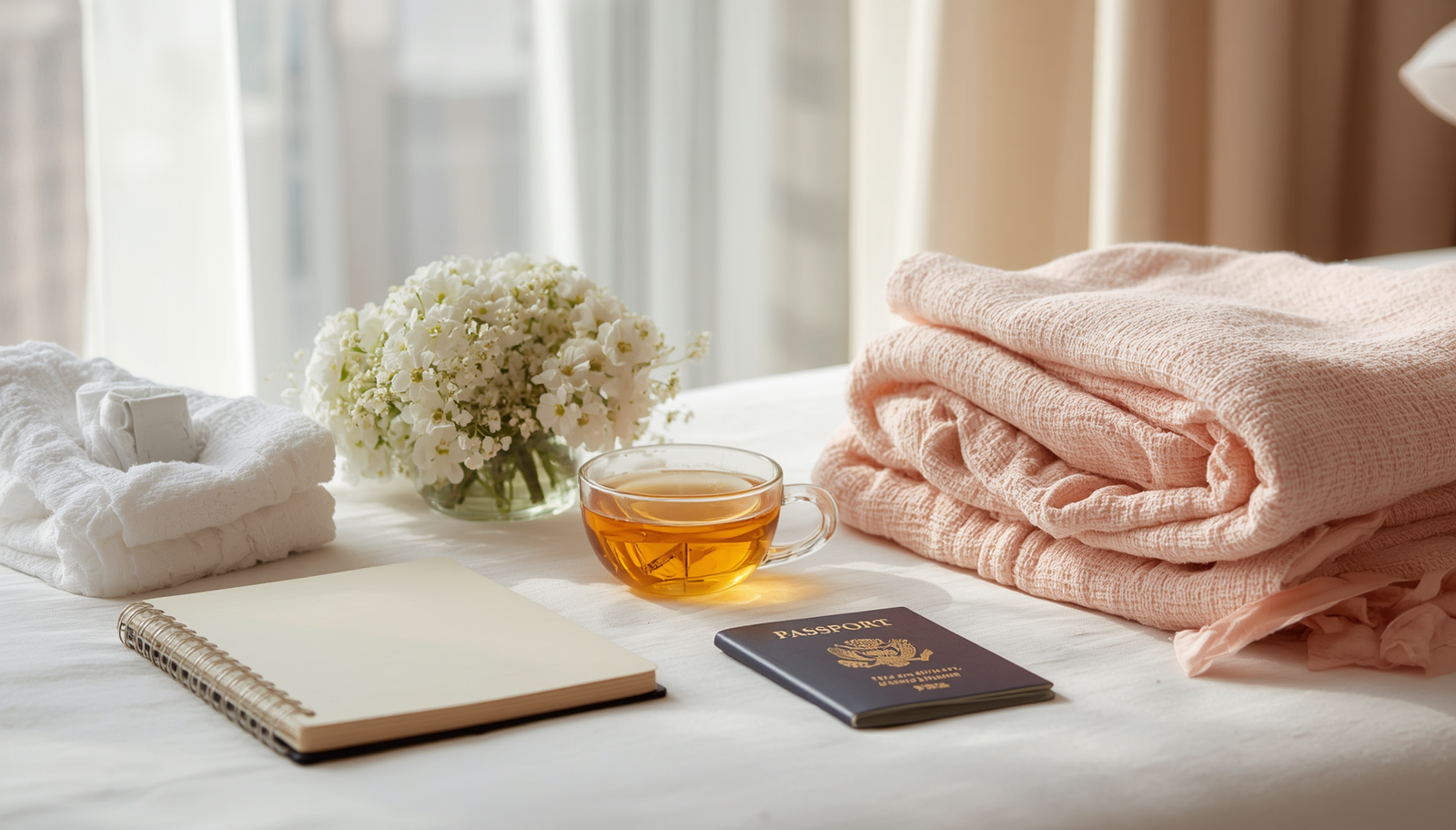
Wellness tourism trends are also becoming quieter. Many travelers no longer want trips packed with constant activities. They want rest, nature, spa rituals, sleep, slow mornings, calm food, and emotional reset.
Why quiet travel feels appealing
Quiet travel gives people a break from performance. Instead of documenting every moment, travelers may choose slower itineraries, smaller hotels, nature retreats, thermal baths, meditation spaces, and restful destinations.
This connects with lifestyle travel ideas like euriental fashion luxury travel, where thoughtful style and calm experiences matter more than rushing.
How to practice silent wellness while traveling
- Plan one unscheduled block each day.
- Take photos for yourself, not only for posting.
- Pack comfortable clothes that let you move easily.
- Keep one grounding ritual, like tea, walking, or journaling.
- Choose rest over overbooking.
Travel can be beautiful without becoming content. That is a very silent wellness idea.
Common Mistakes to Avoid With Silent Wellness
Even quiet wellness can become another trend if you turn it into a rulebook. The goal is not to perform simplicity perfectly.
Mistake 1: Making silence another aesthetic
Silent wellness is not about buying beige linen, a ceramic mug, and a perfect journal just to look calm. Those things can be lovely, but they are not the point.
The point is less pressure.
Mistake 2: Using wellness to avoid real feelings
Sometimes people use wellness routines to avoid discomfort. They organize, cleanse, stretch, plan, and optimize instead of admitting they are sad, angry, lonely, or overwhelmed.
Silent wellness asks for honesty, not avoidance.
Mistake 3: Comparing your quiet routine to someone else’s
If your quiet self care is a five-minute walk and someone else’s is a luxury retreat, both can be valid. Wellness is not a competition.
Expert Advice: How Future Wellness Gets Quieter
The future of wellness will likely become more personalized, calmer, and more emotionally aware. Why future wellness matters is simple: people are tired of routines that look good but do not help them live better.
Choose care that fits your real life
Your wellness routine should fit your schedule, budget, body, culture, and energy. It should not require you to become a different person first.
If you are busy, choose small rituals. If you are anxious, choose grounding. If you are exhausted, choose sleep. If you are lonely, choose connection.
Keep beauty gentle
Beauty can be part of silent wellness when it feels kind. A soft manicure from ice cream nails subtle manicure, a clean lip look from lip gloss layers, or a realistic skin routine from blurryface makeup flaws can feel supportive rather than stressful.
Let rest be private
Not every good habit needs proof. Some of the most meaningful wellness moments are the ones nobody sees.
Frequently Asked Questions
What is silent wellness?
What is silent wellness? Silent wellness is a quiet self-care trend focused on private wellbeing, body mindfulness, emotional rest, and realistic routines. Instead of posting every healthy habit or turning wellness into a performance, silent wellness helps you choose habits that genuinely support your body and mind. It is simple, personal, and less focused on social media approval.
Why is silent wellness popular with Gen Z?
Silent wellness is popular with Gen Z because many young people are tired of performative self-care, hustle culture, and constant online comparison. Gen Z wellness trends often focus on mental health, authenticity, digital boundaries, and emotional honesty. Silent wellness fits that mood because it lets self-care be private, flexible, and realistic instead of another aesthetic standard to maintain.
What are examples of quiet self care?
Quiet self care can include walking without headphones, journaling privately, stretching before bed, taking a nap, drinking water, simplifying skincare, reading, breathing deeply, cleaning one small space, or turning off notifications. The key is that the habit supports your wellbeing without needing to look impressive. Quiet self care is allowed to be boring, soft, and deeply useful.
How is body mindfulness part of silent wellness?
Body mindfulness is part of silent wellness because it teaches you to notice what your body needs before pushing harder. You may notice tension, hunger, tiredness, shallow breathing, or overstimulation. Instead of ignoring those signals, silent wellness encourages small responses like resting, stretching, eating, hydrating, breathing, or stepping away from screens. It is gentle awareness, not body perfection.
Is silent wellness a health trend or a lifestyle trend?
Silent wellness is both a health trend and a lifestyle trend. It connects with current health trends because it supports stress reduction, mental wellbeing, sleep, movement, and body mindfulness. It is also a lifestyle trend because it changes how people approach routines, beauty, home spaces, technology, travel, and self-care. The main idea is less performance and more personal support.
Can silent wellness improve mental health?
Silent wellness may support mental health by reducing pressure, comparison, and overstimulation. Quiet routines like walking, journaling, sleeping better, setting digital boundaries, and practicing body mindfulness can help you feel more grounded. However, silent wellness is not a substitute for professional mental health care. If symptoms are serious or ongoing, speaking with a qualified professional is important.
Final Thoughts
What is silent wellness? It is a softer answer to a very loud culture. It is the choice to care for yourself without proving it. It is the quiet walk, the private journal, the nap, the skincare routine you do not film, the phone you turn face down, the breath you finally notice.
Silent wellness does not ask you to abandon beauty, fashion, skincare, fitness, or lifestyle inspiration. You can still enjoy beauty trends, explore skincare routines, read fashion guides, and build a life that feels visually lovely.
But the point is this: your wellbeing does not need to perform.
In 2026, the future of wellness feels quieter because people are realizing that not every healing moment needs an audience. Some things become more powerful when they stay private. Your rest can be simple. Your self-care can be imperfect. Your routine can be small.
And maybe that is why silent wellness feels so refreshing. It reminds you that the most important parts of feeling well are often the least visible.
You Might Also Love
- Aesthetic Burnout Vibe — A deeper look at curation pressure and digital fatigue.
- Blurryface Makeup Flaws — Why real skin and imperfection are shaping modern beauty.
- Visible Pores New Filter — A refreshing reminder that texture is normal.
- Cloud Skin vs Glass Skin — A soft beauty comparison for calmer skincare choices.
- Wellness Fridges Smart — How wellness routines are changing inside modern homes.
- Decorate With Books — A quiet home styling idea for calm spaces.
- Make a Studio Smell Expensive — Small-space scent tips for a softer home mood.
- Korean Skincare Sets — Gentle skincare inspiration for simple routines.
- Lip Gloss Layers — A soft beauty ritual that feels easy and playful.
- Explore Lifestyle — More modern wellness, self-care, and lifestyle guides.