What Is Sedentary Lifestyle? Meaning, Risks, and Simple Fixes | Soft Glow Style
🌸 Key Takeaways
- What is Sedentary Lifestyle? It means a way of life that involves little physical activity and too much sitting or lying down while awake.
- Sedentary activities include desk work, watching TV, scrolling your phone, gaming, long driving, and sitting for long study hours.
- Physical inactivity can affect your energy, posture, mood, heart health, blood sugar, and overall wellness.
- You can exercise for 30 minutes and still be sedentary if the rest of your day is mostly sitting.
- A short-term consequence of a sedentary lifestyle can include stiffness, back pain, tiredness, and poor focus.
- A non sedentary lifestyle does not mean intense workouts. Walking, stretching, standing, cleaning, and light movement count too.
- Small movement breaks during the day can make sedentary habits easier to manage.
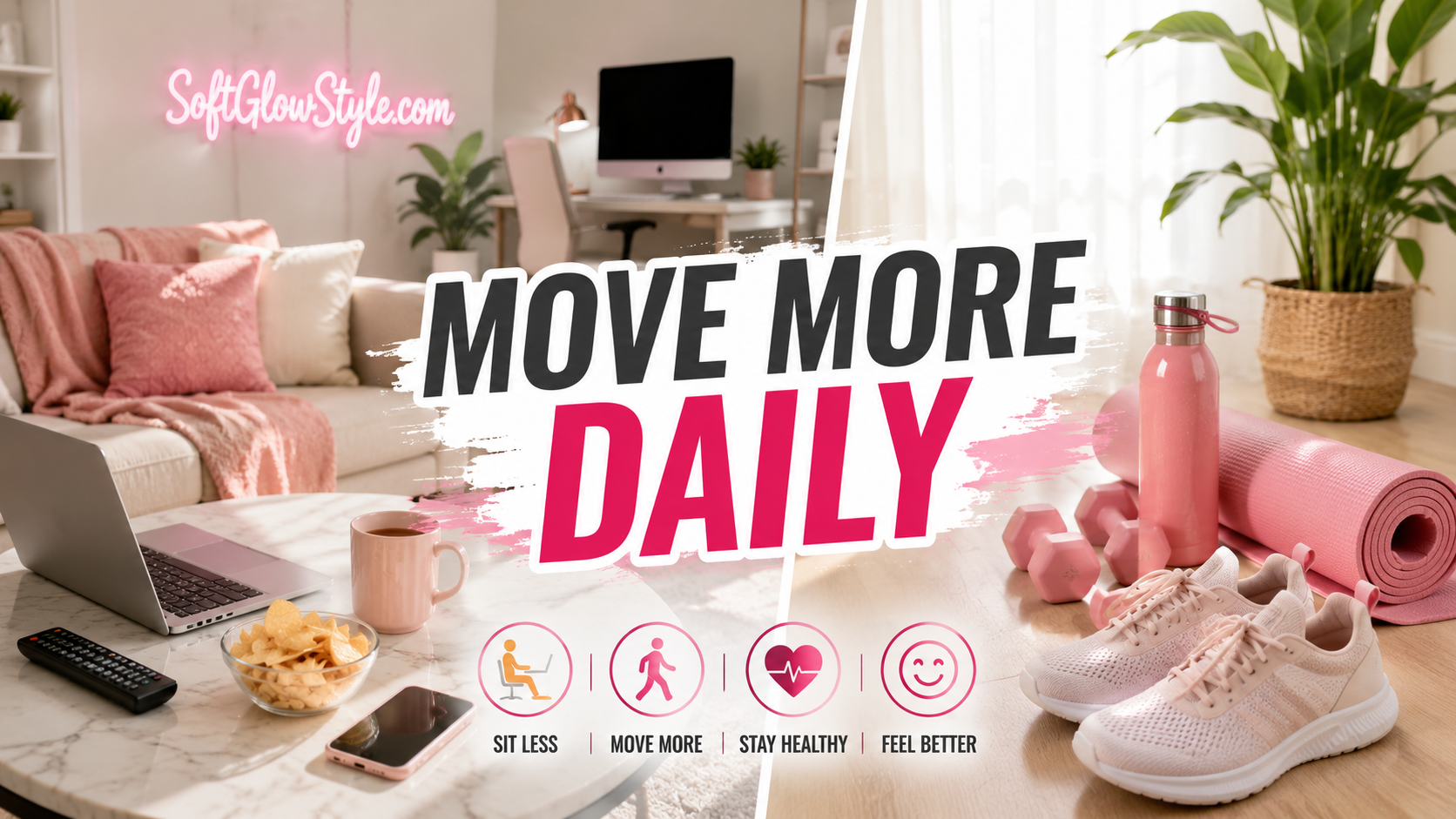
- The best goal is simple: sit less, move more, and build realistic daily habits you can actually keep.
Direct Answer: What is Sedentary Lifestyle? A sedentary lifestyle is a way of life that involves little physical activity, usually with long periods of sitting, reclining, or lying down while awake. Common sedentary activities include desk work, screen time, gaming, driving, and watching TV with very little movement.
What is Sedentary Lifestyle? It sounds like a simple question, but it describes a very common modern routine. You wake up, sit for breakfast, sit for work or study, sit in the car, sit again for dinner, and then relax by sitting with your phone or watching something.
That does not mean you are lazy. Not at all. A sedentary life often happens because modern work, study, entertainment, and even social life are built around screens and sitting.
In 2026, this matters more because many people feel busy all day but still barely move their bodies. You may be mentally tired, emotionally drained, and physically inactive at the same time. It is a strange mix, but honestly, very normal now.
At Soft Glow Style, we like wellness advice that feels useful without sounding harsh. So this guide explains the meaning sedentary, sedentary behavior definition, physical activity definition, sedentary habits, short-term risks, and simple ways to make daily life more active without turning everything into a gym routine.
What Is Sedentary Lifestyle?
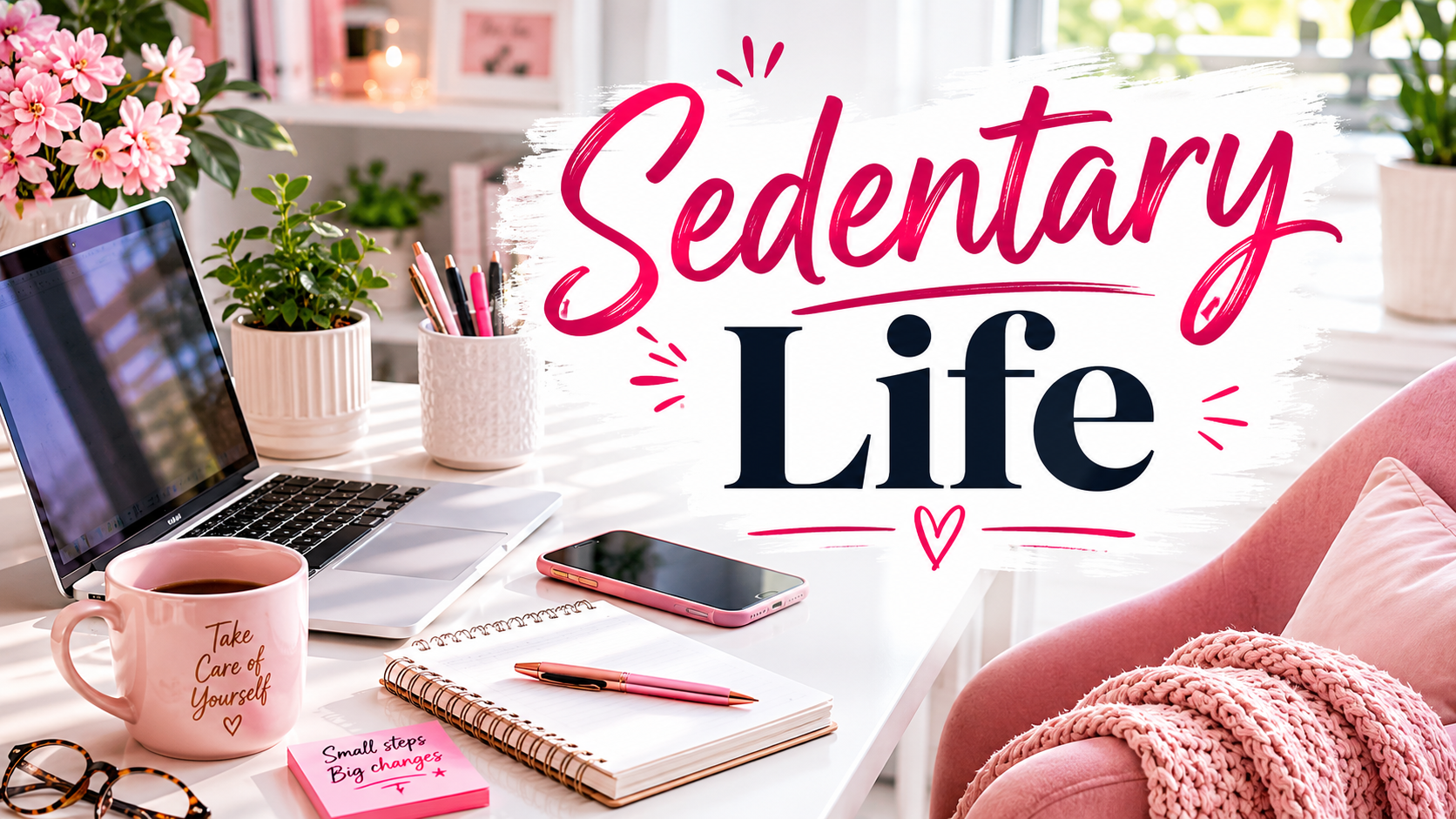
A sedentary lifestyle means a daily pattern where you spend most of your waking time sitting, reclining, or lying down with very little physical activity. It can happen at work, school, home, during travel, or during entertainment.
If you are searching for def of sedentary, sedentary def, sedentary define, or what is meaning of sedentary, the answer is quite simple. Sedentary means mostly inactive or involving a lot of sitting.
A sedentary life is not only about never exercising. It is also about how much of your day is spent without movement.
Sedentary Lifestyle Meaning in Simple Words
The meaning sedentary is “not moving much.” So, the definition sedentary lifestyle is a lifestyle where your body does not get enough regular movement through the day.
For example, your routine may include:
- Sitting at a desk for work
- Driving or commuting for long periods
- Watching TV after work
- Scrolling your phone in bed
- Studying for hours without breaks
- Ordering things instead of walking outside
These habits may feel normal. And they are normal for many people. But when they take up most of the day, your body starts missing regular movement.
What Is Considered a Sedentary Lifestyle?
What is considered a sedentary lifestyle? Generally, those who are less active and spend most of their day sitting or lying down while awake may be considered sedentary.
There is no perfect number that defines every person. But if you sit for long hours, rarely take movement breaks, and do little physical activity in a normal week, you are probably living a more sedentary lifestyle.
Can You Work Out and Still Be Sedentary?
Yes, and this surprises many people.
You may exercise for 30 minutes in the morning but then sit for 9 or 10 hours during the rest of the day. That means you are active for one part of the day, but still sedentary overall.
Exercise matters, of course. But your body also benefits from small movements throughout the day. Standing, walking, stretching, and taking short breaks all help.
Sedentary Behavior Definition and Physical Activity Definition
To understand this topic clearly, you need to know the difference between sedentary behavior and physical activity.
Sedentary Behavior Definition
Sedentary behavior means waking activities that use very little energy while sitting, reclining, or lying down. It includes desk work, screen time, gaming, reading, studying, driving, and sitting during social activities.
The key point is that you are awake, but your body is barely moving.
Physical Activity Definition
What is physical activity? Physical activity is any body movement that uses energy. It does not only mean gym workouts.
Physical activity can include:
- Walking
- Cleaning
- Dancing
- Stretching
- Climbing stairs
- Gardening
- Carrying groceries
- Home workouts
- Playing sports
So when people ask what is the definition of physical activity, the easiest answer is this: any movement your muscles make that burns energy.
Sedentary vs Non Sedentary
Non sedentary does not mean you are an athlete. It simply means your daily life includes more regular movement and less long, uninterrupted sitting.
| Type | What It Means | Example |
|---|---|---|
| Sedentary | Mostly sitting with very little movement | Sitting at a desk all day without breaks |
| Lightly Active | Some movement during the day | Short walks, chores, standing breaks |
| Active | Regular movement and weekly exercise | Walking daily plus workouts |
| Very Active | Frequent movement or physical training | Sports, fitness training, physical job |
What Are Sedentary Activities?
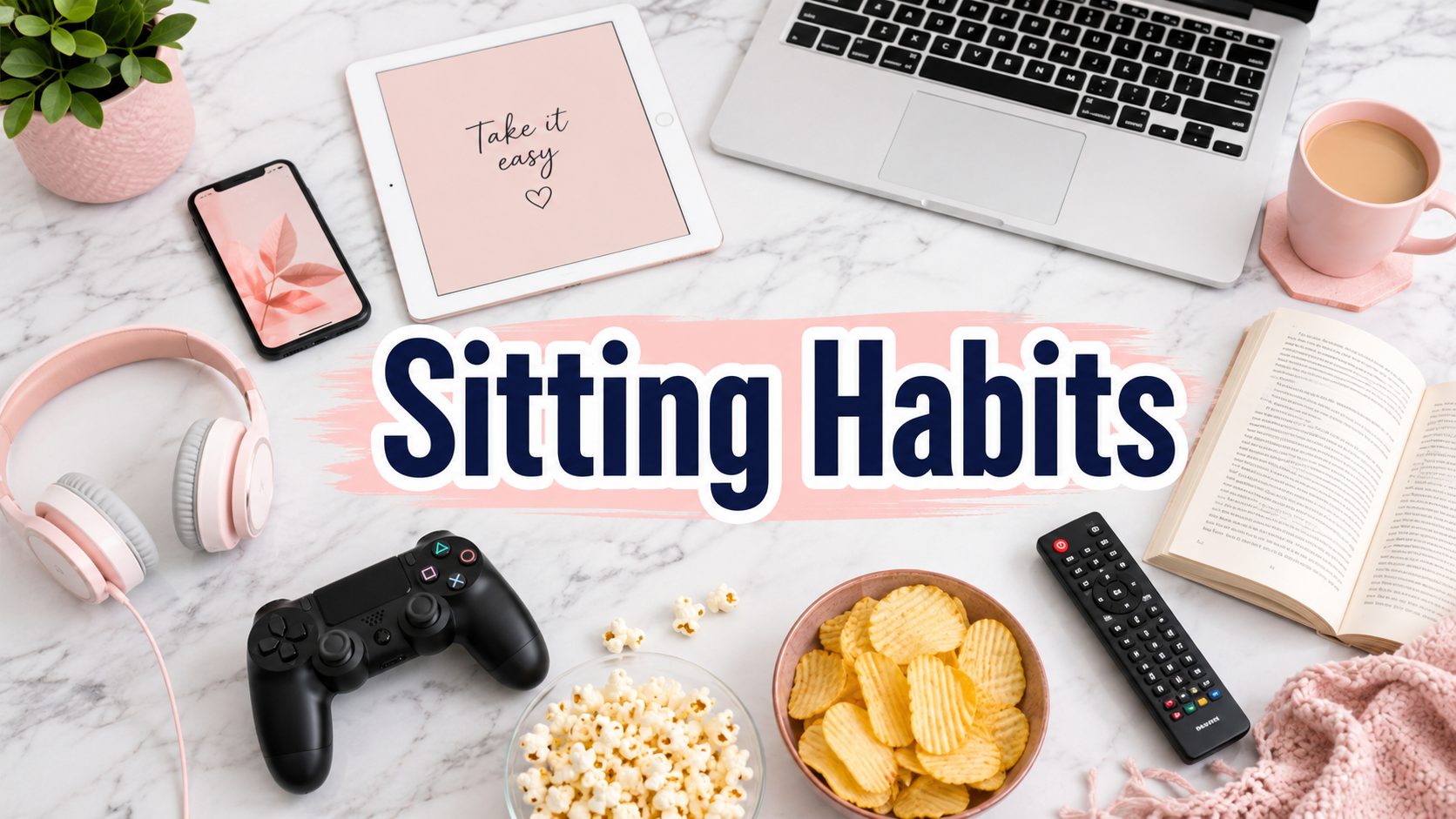
Sedentary activities are activities you do while sitting or lying down with very little movement. These activities are not always bad by themselves. Reading, studying, resting, and watching a movie can all be normal parts of life.
The problem starts when sedentary activities fill most of your day and leave almost no room for movement.
Common Sedentary Activities
- Working on a laptop
- Sitting in office meetings
- Watching TV
- Scrolling social media
- Gaming
- Driving
- Studying for long hours
- Sitting during long calls
- Reading while seated
- Lying down with your phone
Again, none of these are automatically wrong. The issue is how long they continue without a movement break.
Sedentary Behaviors You May Not Notice
Some sedentary behaviors are easy to miss because they feel productive or relaxing.
You may spend 45 minutes answering emails, then 30 minutes checking messages, then an hour reading articles, then another hour watching videos. These feel like different activities, but your body experiences most of them as stillness.
That is why sedentary habits can build quietly.
Beauty and Lifestyle Screen Time
Even beauty and lifestyle content can become sedentary if you spend hours watching or reading without moving.
For example, while reading our best skincare products guide, you could stand up, stretch your shoulders, or organize your vanity. It sounds small, but small movement counts.
Why Modern Life Makes Sedentary Habits So Easy
Modern life makes sedentary habits almost effortless. Work, school, shopping, entertainment, and communication can all happen through screens.
That convenience is helpful. But it also means your body may move less than it needs.
Desk Work and Study Culture
Many jobs and school routines require long sitting. You may start the day with good energy, then realize hours later that your back feels tight and your eyes feel tired.
This is especially common for remote workers, students, writers, designers, and anyone who spends long hours on a laptop.
Phones Make Stillness Feel Normal
Your phone can keep your mind busy while your body stays still. You can shop, talk, scroll, learn, watch, and plan from the same position.
That is convenient, yes. But it also makes physical inactivity feel normal.
If you enjoy fashion content like 80s fashion comeback, tapestry hoodie styling, or vintage tees and slip skirts, try taking a short walk between reading sessions. It keeps the fun, but adds movement.
Lower SES and Physical Inactivity
The phrase lower SES get poor health without exercise points toward an important issue. Lower socioeconomic status can be linked with fewer safe spaces to walk, less free time, more stressful work, limited access to healthcare, and fewer wellness resources.
So when we talk about sedentary life, it should not become blame. Some people face real barriers to movement. The better approach is practical, affordable, flexible movement habits that can work in real life.
Health Effects of Physical Inactivity
Physical inactivity affects more than weight. It can influence your heart, muscles, blood sugar, posture, mood, sleep, and energy.
According to the World Health Organization, physical inactivity is one of the leading risk factors for noncommunicable diseases. The CDC also recommends adults get regular weekly physical activity, including aerobic and muscle-strengthening activity.
Heart Health
Your heart benefits from regular movement. When you move, your blood circulates better, your heart works more efficiently, and your body supports healthier blood pressure and metabolic function.
Sitting too long too often may increase health risks over time.
Blood Sugar and Metabolism
When your muscles move, they use glucose for energy. When you sit for long periods, your muscles are less active, which can affect how your body handles blood sugar.
This is one reason short walks after meals can be helpful for many people.
Posture and Stiffness
A sedentary lifestyle can make your hips tight, weaken your glutes, stiffen your lower back, and increase neck or shoulder tension.
If you have ever stood up after hours of sitting and felt like your body needed a restart, you already know this feeling.
Mental Health and Mood
Movement can support mood, stress management, and sleep quality. It is not a cure for everything, obviously, but regular activity often helps your body process stress better.
For soft wellness routines, you may also enjoy our article on wellness fridges.
What Is a Short Term Consequence of a Sedentary Lifestyle?
A short term consequence of a sedentary lifestyle can include stiffness, low energy, poor posture, back discomfort, neck tension, reduced focus, and a heavy or sluggish feeling.
Some effects show up quickly. You do not have to wait years to notice them.
Stiff Hips and Lower Back
Sitting keeps your hips bent for long periods. Over time, your hips and lower back may feel tight or uncomfortable.
A few minutes of walking or gentle stretching can help interrupt that stiffness.
Low Energy
It sounds strange, but sitting too much can make you feel more tired. Your body may feel heavy because it has not been moving enough.
Poor Focus
Long sitting can make your mind feel foggy. A short movement break can refresh your focus better than another scroll through your phone.
Neck and Shoulder Tension
Laptops and phones often pull your head forward. This can create tension in your neck, shoulders, and upper back.
How Much Physical Activity Do You Need?
Most adults are encouraged to aim for at least 150 minutes of moderate-intensity physical activity each week, along with muscle-strengthening activity on two or more days.
That may sound like a lot at first. But it can be divided into small sessions.
What Counts as Moderate Physical Activity?
Moderate activity raises your heart rate, but you can still talk.
- Brisk walking
- Dancing
- Light cycling
- Gardening
- Active cleaning
- Low-impact workouts
What Counts as Light Physical Activity?
Light physical activity is easier but still useful.
- Standing
- Slow walking
- Stretching
- Cooking
- Folding laundry
- Walking around the house
What If You Cannot Exercise Much?
Start smaller. Really.
A few minutes of movement is better than no movement. You can begin with two-minute walking breaks, standing during phone calls, or stretching after long screen sessions.
How to Reduce a Sedentary Lifestyle Step by Step
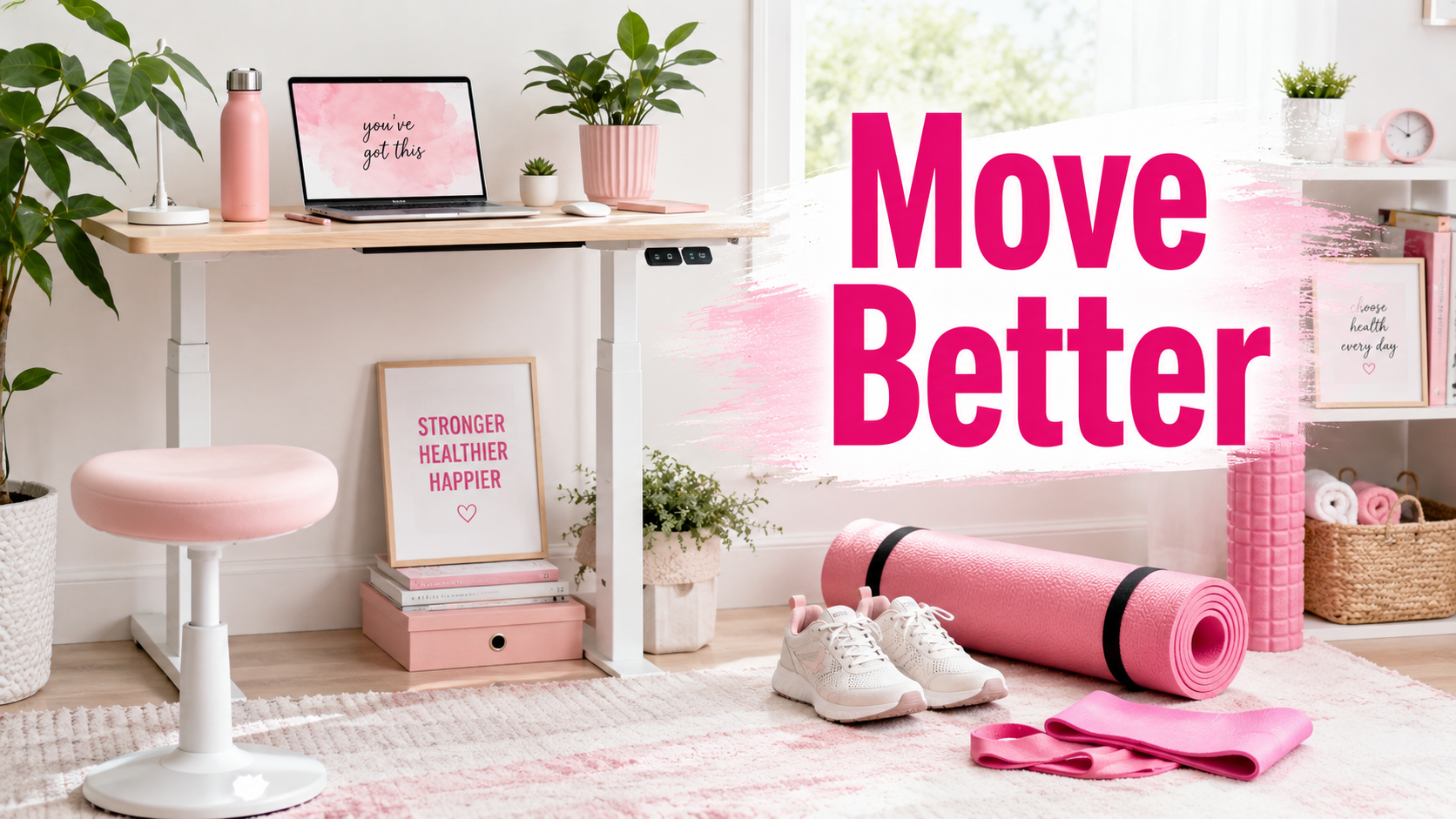
You do not need to overhaul your entire life overnight. In fact, that usually does not work. A better approach is to add small, repeatable movement habits into the day you already have.
Step 1: Track Your Sitting Time
For one day, simply notice when you sit and how long you stay there.
You do not need to judge yourself. Just observe.
Step 2: Add Movement Breaks
Try standing or walking for 2 to 5 minutes every 30 to 60 minutes.
This can be as simple as walking to refill water, stretching your arms, or standing while checking messages.
Step 3: Pair Movement With Existing Habits
Habit stacking works well.
- Walk while talking on the phone.
- Stretch after brushing your teeth.
- Stand during one meeting.
- Take stairs once per day.
- Do calf raises while waiting for tea or coffee.
Step 4: Make Your Space Movement-Friendly
Keep a yoga mat visible. Place walking shoes near your door. Put your water bottle farther away so you stand up to get it.
Your environment can gently push you toward movement.
Step 5: Choose Movement You Actually Like
You do not need to force yourself into workouts you hate.
Try walking, dancing, Pilates, stretching, swimming, cycling, or simple home exercises. If it feels tolerable, you are more likely to repeat it.
Simple Ways to Move More During Daily Life
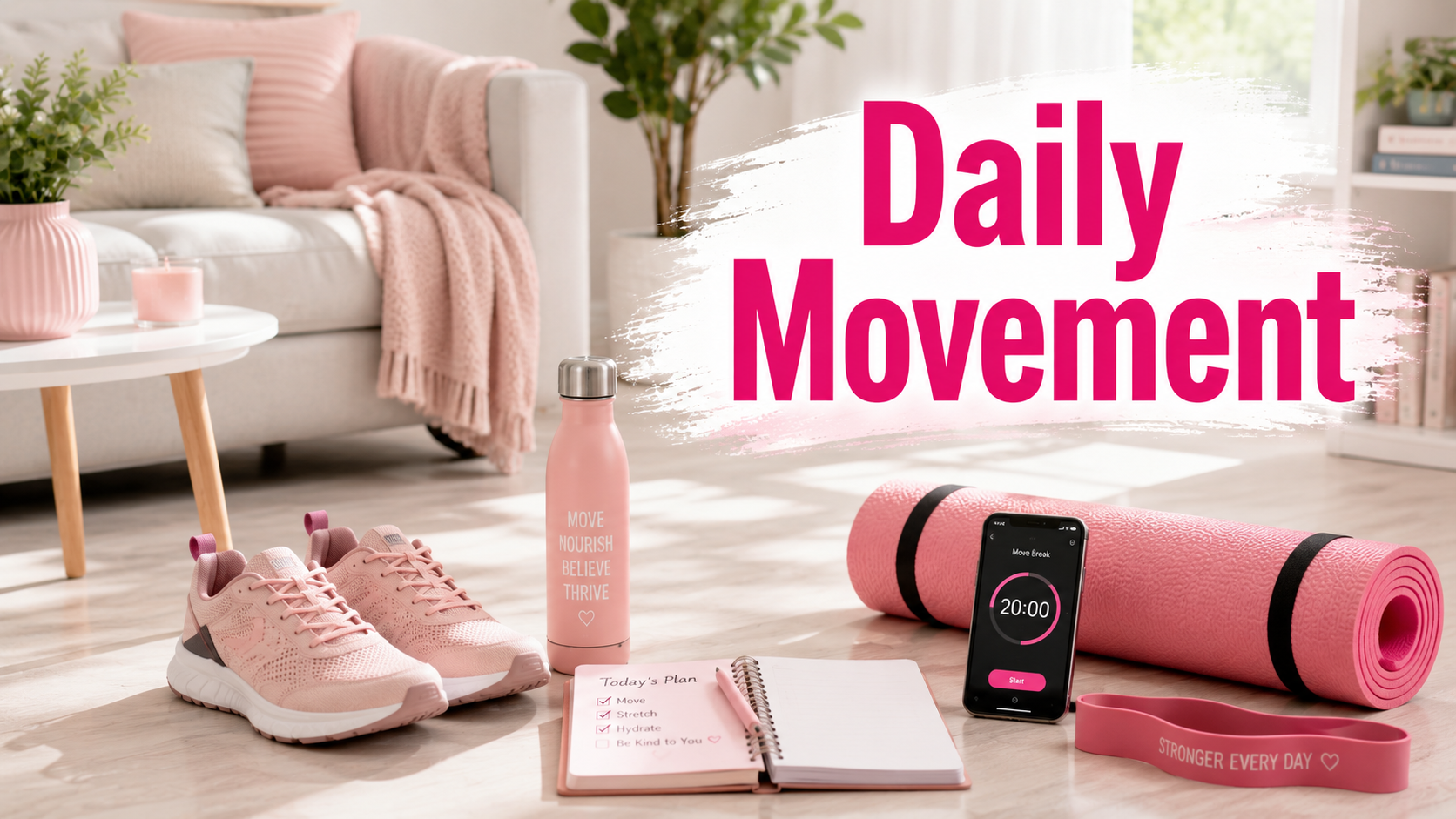
Movement does not need to be dramatic. You can make daily life less sedentary with small choices.
At Work or Study
- Stand while reading notes.
- Walk during calls.
- Use a timer for breaks.
- Stretch your shoulders every hour.
- Keep water across the room.
At Home
- Walk during TV breaks.
- Do light cleaning between tasks.
- Stretch before bed.
- Dance while getting ready.
- Fold laundry standing up.
During Beauty or Self-Care Time
Your self-care routine can include movement too. While a sheet mask sits, you can tidy your room, stretch your calves, or walk around gently.
If you enjoy soft beauty routines, read our guides on lip gloss layers, blurry blush, and Korean skincare glass skin.
Sedentary Lifestyle vs Active Lifestyle
The difference between sedentary and active living is not always extreme. Most people are somewhere in the middle.
| Area | Sedentary Lifestyle | More Active Lifestyle |
|---|---|---|
| Work | Sitting for hours without breaks | Standing, walking, and stretching between tasks |
| Leisure | Mostly TV, phone, gaming | Mix of screen time and movement |
| Transport | Driving everywhere | Walking short distances when possible |
| Energy | Often sluggish or stiff | Usually more refreshed |
| Routine | Movement happens rarely | Movement is built into the day |
You Do Not Need a Perfect Fitness Routine
A common mistake is thinking the only alternative to sedentary life is intense fitness. That is not true.
A more active lifestyle can start with walking more, standing more, stretching more, and breaking up long sitting sessions.
Small Movement Still Counts
Small movement is underrated. It may not feel impressive, but it matters because you can repeat it often.
Common Sedentary Habits to Watch
Long Screen Sessions
Long screen sessions are one of the most common sedentary habits. Work, entertainment, and social life all happen on screens now.
Sitting After Meals
Many people eat and then sit again immediately. A short walk after meals can be a simple way to add movement.
Weekend Stillness
Rest is important, but if your entire weekend is spent on the couch, your body may feel more tired instead of recovered.
All-or-Nothing Thinking
Some people skip movement because they cannot do a full workout. But five minutes still counts. Ten minutes counts. A short walk counts.
Expert Tips for a Less Sedentary Life
The best approach is simple and realistic. You want your body to move more without making your day feel impossible.
Use a Movement Timer
Set a timer every 45 or 60 minutes. When it rings, stand up, stretch, or walk for a few minutes.
Keep Movement Visible
Leave your walking shoes, yoga mat, or water bottle where you can see them.
Make Your Phone Less Sticky
If your phone keeps you sitting too long, set app limits or place it across the room for part of the day.
Choose Enjoyable Movement
You are more likely to move if it feels good. Dancing in your room may be more sustainable than forcing a workout you dislike.
Be Gentle With Yourself
Changing sedentary habits takes time. Missing a day does not mean you failed. Just restart with the next small movement.
Frequently Asked Questions
What is Sedentary Lifestyle?
What is Sedentary Lifestyle? It means a way of life that involves little physical activity and long periods of sitting, reclining, or lying down while awake. It often includes desk work, watching TV, scrolling your phone, gaming, driving, and studying without regular movement breaks. It is common in modern life, especially with screen-based work and entertainment.
What does it mean to be sedentary?
To be sedentary means you spend much of your day inactive, usually sitting or lying down while awake. A sedentary person may not move much during work, study, commuting, or leisure time. It does not always mean someone never exercises. It can also mean they sit too long during the rest of the day.
What are sedentary activities?
Sedentary activities are low-movement activities done while sitting or lying down. Examples include watching TV, using a laptop, scrolling on your phone, gaming, reading, driving, and sitting in meetings. These activities are not automatically bad, but they can affect health when they take up most of your day without enough physical activity.
What is a short term consequence of a sedentary lifestyle?
A short term consequence of a sedentary lifestyle can include stiffness, low energy, poor posture, neck tension, back discomfort, and reduced focus. You may also feel sluggish after sitting for many hours. These effects can show up quickly, especially after long workdays, study sessions, or extended screen time without breaks.
What is considered sedentary?
What is considered sedentary usually means spending long periods sitting, reclining, or lying down while awake with very little movement. If most of your day involves desk work, screen time, driving, and sitting without breaks, your routine may be considered sedentary. The total sitting time and lack of movement both matter.
How can I stop living a sedentary life?
You can reduce a sedentary life by adding small movement breaks into your normal day. Stand every hour, walk during calls, stretch after screen time, take short walks after meals, and choose stairs when possible. You do not need to start with intense workouts. The goal is to sit less and move more consistently.
Final Thoughts
What is Sedentary Lifestyle? It is not just about being inactive. It is about how easily modern life keeps your body still for hours without you noticing.
The good news is that you do not need a perfect fitness routine to improve it. You can start with simple movement breaks, short walks, gentle stretching, standing more often, and building small habits around things you already do.
A sedentary lifestyle can feel normal because so much of life now happens through screens. But your body still needs movement. Even a few extra minutes at a time can help you feel less stiff, more awake, and more connected to your own energy.
Start small. Keep it realistic. And perhaps most importantly, do not wait until you have the “perfect” routine. A little movement today is already better than none.
You Might Also Love
- Wellness Fridges — A smart look at whether wellness gadgets are useful or just stylish clutter.
- Hair Grow Faster — Simple wellness and beauty tips for healthier-looking hair.
- Decorate With Books — Lifestyle ideas for creating a more inspiring home space.
- Best Skincare Products — Helpful beauty products for building a better daily routine.
- Korean Skincare Sets — Easy skincare sets for a more organized beauty routine.
- Layer Korean Skincare — Learn how to apply skincare in the right order.
- Korean Skincare Glass Skin — A dewy skincare guide for fresh, glowing skin.
- Lip Gloss Layers — A beauty guide for soft, glossy lips.
- Blurry Blush — A soft makeup trend for natural-looking color.
- Lifestyle Category — Explore more lifestyle and wellness guides from Soft Glow Style.