Digital Detox: 2026 Wellness Reset Guide | Soft Glow Style
🌸 Key Takeaways
- Digital detox means taking intentional breaks from screens, social media, notifications, and constant online noise.
- You do not need to disappear from the internet to feel better. Small limits can still create a real reset.
- A phone detox can help you sleep better, focus more easily, and feel less mentally scattered.
- Detoxing from social media works best when you replace scrolling with something calming, useful, or genuinely enjoyable.
- A screen detox is not about hating technology. It is about using tech without letting it run your whole day.
- Digital detox apps can help, but your habits, boundaries, and environment matter more than any single tool.
- The best digital detox challenge starts small: one hour, one evening, one app, or one phone-free morning.
A digital detox is a planned break from phones, apps, social media, and screens so your mind can rest. It helps reduce digital overwhelm, improve focus, support sleep, and make your online habits feel more intentional instead of automatic.
Introduction
Your phone is probably near you right now. Maybe on the desk. Maybe in your hand. Maybe face down, but still quietly waiting.
That is the strange thing about modern wellness. We can buy skincare, organize our homes, start a workout routine, drink more water, and still feel mentally crowded because our screens never really leave us alone.
This is why digital detox has become such a major wellness conversation. It is not just about deleting Instagram or turning your phone off for a weekend. It is about noticing how much of your attention is being pulled, pinged, refreshed, and interrupted.
In 2026, the trend feels even more relevant. Social media is faster, content is more personalized, and even relaxing online can feel oddly tiring. A social media cleanse is not extreme anymore. For many women, it is simply self-care.
At Soft Glow Style, we believe wellness should feel realistic, soft, and doable. You do not need a perfect morning routine or a silent retreat. Sometimes you just need one screen-free hour, a calm bedroom, and the confidence to stop checking everything.
In this guide, you will learn what digital detoxification means, how to detox from your phone, how to do social media detox without feeling disconnected, and how to build a healthier relationship with technology.
For more calm lifestyle ideas, explore our lifestyle category, our guide to underconsumption core, and our article on wellness fridges.
What Is a Digital Detox?
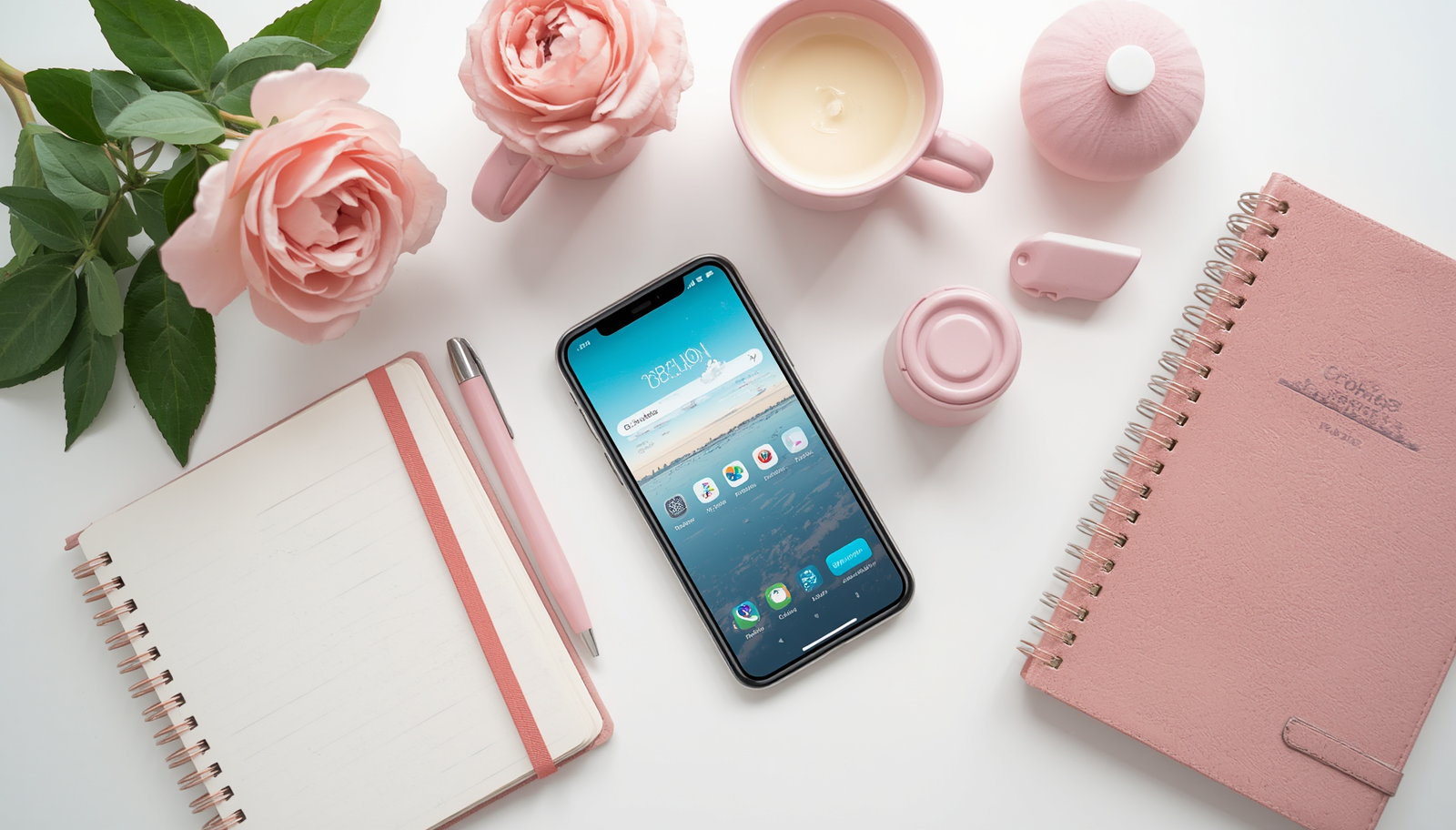
A digital detox is a period of time when you intentionally reduce or pause your use of digital devices. That can include your phone, laptop, tablet, TV, gaming console, smartwatch, social media apps, email, and streaming platforms.
It does not have to mean giving up technology completely. For most people, that is not realistic. Work, school, banking, maps, messaging, and even family communication often depend on screens.
A better digital detox meaning is this: you take back control of your attention.
What Is Digital Detoxification?
Digital detoxification is the process of reducing digital overload so your mind, body, and routine feel calmer. It can be short, like one phone-free dinner, or longer, like a weekend without social media.
You might do a detox if:
- You check your phone without thinking.
- You feel anxious after scrolling.
- You compare your life to everyone online.
- You lose sleep because of late-night screen time.
- You feel distracted when working or studying.
- You reach for your phone during every quiet moment.
- You want a calmer, more intentional routine.
Healthline explains that a digital detox can be useful when device use gets in the way of things you want to do, like sleeping, focusing, or spending quality time with people. You can read their overview here: Healthline digital detox guide.
What Is a Screen Detox?
A screen detox is a break from screens specifically. That may include your phone, TV, laptop, tablet, or gaming device.
A screen detox can be broad or very specific. For example, you might decide:
- No phone for the first 30 minutes after waking.
- No screens during meals.
- No laptop after 8 p.m.
- No streaming in bed.
- No social media on Sundays.
- No phone in the bathroom. Yes, that one counts.
The goal is not to punish yourself. It is to create breathing room. Your mind needs quiet space to process life, not just consume more content.
What Is a Social Media Detox?
A social media detox is a break from platforms like Instagram, TikTok, YouTube Shorts, Facebook, X, Pinterest, Snapchat, or any app that makes you scroll longer than planned.
Social detox meaning can vary. For some people, it means deleting apps for a week. For others, it means unfollowing accounts that trigger comparison, limiting app use to 20 minutes, or turning off notifications.
If you are wondering what is social detoxification, think of it as clearing your social feed and your mental space. You are not rejecting connection. You are choosing healthier connection.
If online trends make you feel pressured to buy constantly, our underconsumption core guide is a good companion read.
Why Digital Detox Became a Major Wellness Trend
The reason this trend feels so popular is simple. Many people are tired of feeling available all the time.
Even when you enjoy your phone, it can become too much. Messages, work emails, beauty trends, fashion hauls, news alerts, reels, comments, group chats, shopping apps, and algorithm-driven content all compete for your attention.
And attention is not endless.
The Mental Load of Constant Connection
The American Psychological Association reported that 65 percent of Americans somewhat or strongly agreed that periodically unplugging or taking a digital detox was important for mental health. That was years ago, and honestly, the feeling has only become more relatable.
Being always connected can make your day feel fragmented. You start a task, check one notification, answer one message, open one app, and suddenly your focus is scattered.
This is where a detox mental reset helps. You are not just resting your eyes. You are resting your attention.
For softer routines that create calm offline moments, you may enjoy our guide on how to decorate with books and our wellness piece on how to help hair grow faster.
The Sleep Problem
Sleep is one of the biggest reasons people try a phone detox.
The Sleep Foundation notes that blue light can affect alertness, hormone production, and sleep cycles, and electronics may interfere with sleep in more than one way. The content itself matters too. A stressful message, dramatic video, or endless feed can keep your brain awake even after the screen is off.
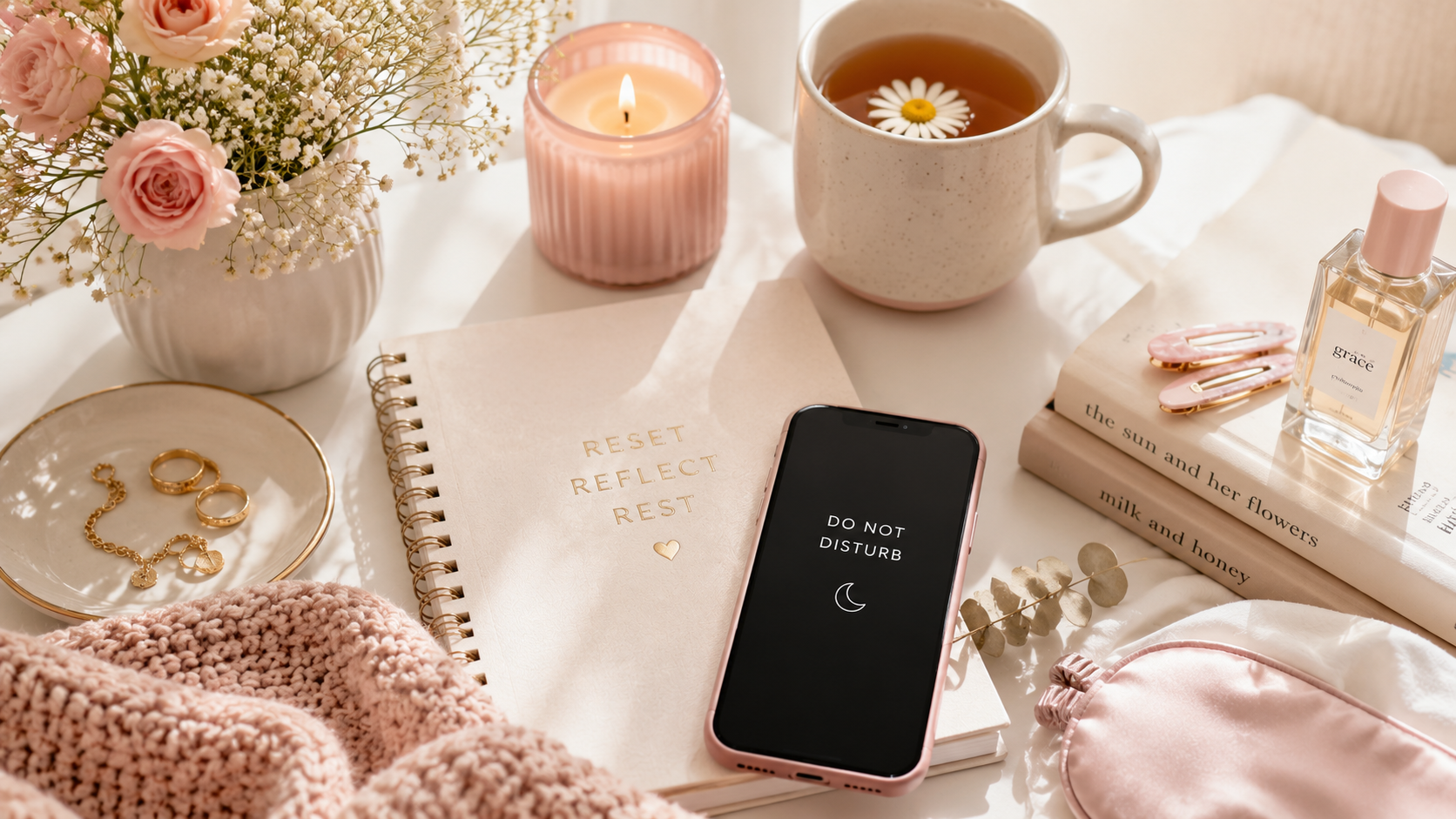
That is why “no phone before bed” is one of the most useful digital detox rules. It sounds basic, but it works because it protects your wind-down time.
You can replace late scrolling with skincare, a warm shower, stretching, journaling, or reading. If beauty is your evening ritual, keep it gentle with our lip gloss layers, blurry blush, and best skincare products guides.
The Social Comparison Loop
Detoxing from social media can be emotional because social apps are not just entertainment. They are comparison machines too.
You might open an app for outfit ideas and leave feeling behind in life. Someone has better skin. Someone has a prettier apartment. Someone has a perfect relationship. Someone is traveling. Someone has a new wardrobe. Someone is somehow drinking matcha, doing Pilates, building a business, and glowing at 7 a.m.
Of course, that is a highlight reel. But your nervous system does not always treat it like one.
A social media cleanse gives you space to remember your own rhythm.
Signs You Need a Phone Detox
You do not need to wait until your phone use feels extreme. Sometimes the signs are small.
Maybe you are not addicted, exactly. You are just tired. That still counts.
You Reach for Your Phone Automatically
If you check your phone before you know why, it may be time to pause.
Automatic phone use often happens during tiny moments of discomfort:
- Waiting in line
- Sitting in traffic
- Eating alone
- Waking up
- Going to bed
- Feeling bored
- Avoiding a task
These moments are not bad. They are actually where your mind gets to breathe. A digital detox helps you stop filling every quiet space with a screen.
Your Mood Changes After Scrolling
Pay attention to how you feel after using social media.
Do you feel inspired or drained? Connected or jealous? Relaxed or overstimulated? Motivated or not enough?
This is one of the easiest ways to decide whether you need a social detox. Your body often knows before your brain admits it.
If beauty or fashion scrolling makes you feel pressured to buy, try reading more intentional style pieces like our 15-piece capsule closet guide, tomato girl meets olive green, and the rise of olive green.
Your Sleep Routine Feels Messy
If you keep saying “just five more minutes” and then lose an hour, your phone may be stealing your bedtime.
A phone detox before sleep does not need to be dramatic. Start with 20 minutes. Then 30. Then maybe one full hour.
Keep your charger away from the bed if you can. Use an actual alarm clock if needed. Put your phone across the room. It feels annoying for two nights, then oddly peaceful.
How To Do a Digital Detox Step by Step
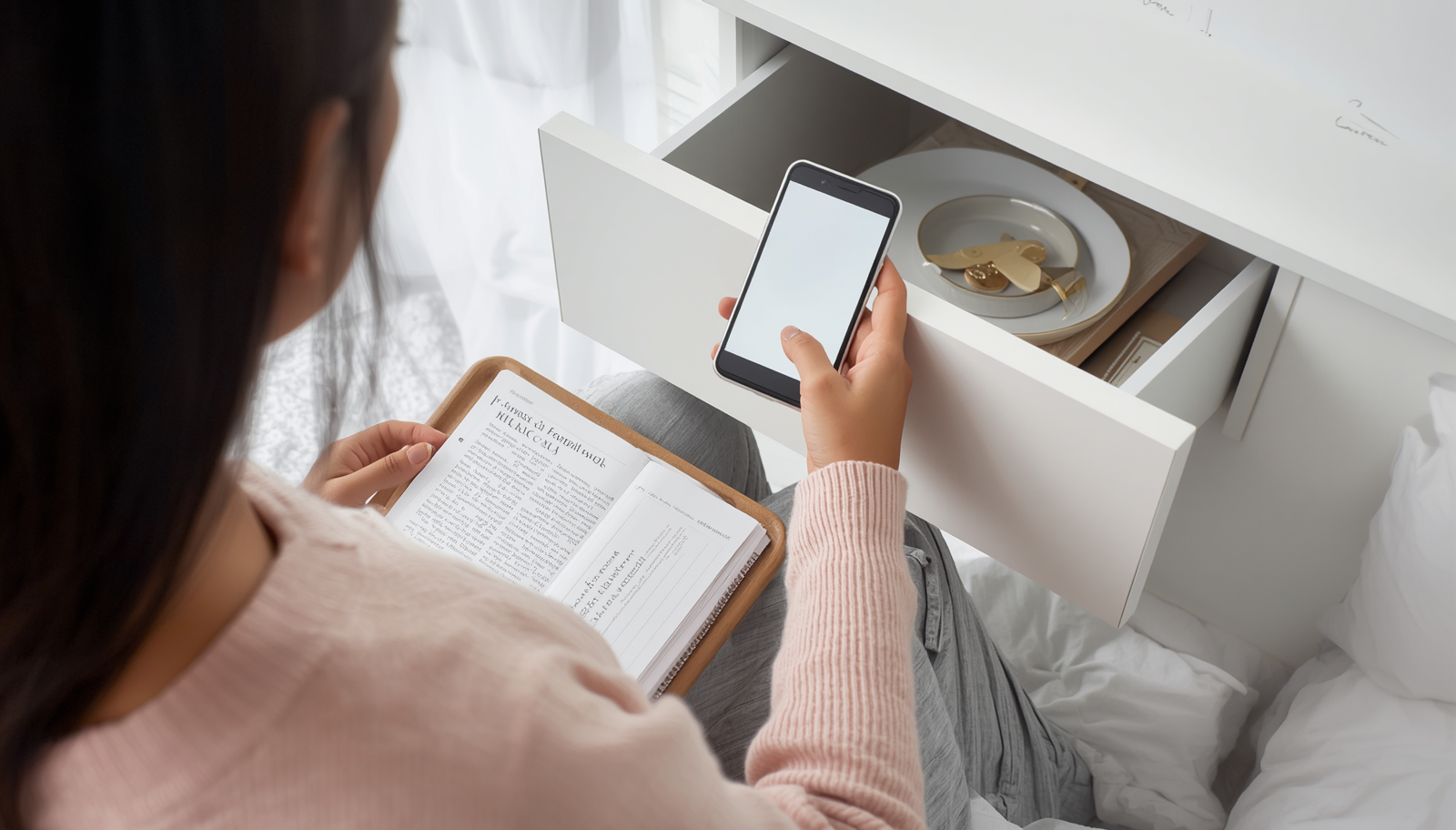
Let’s make this realistic. A successful digital detox does not start with deleting every app and announcing your disappearance.
It starts with one clear boundary.
Step 1: Choose Your Detox Goal
Before starting, decide what you want from the detox.
Your goal might be:
- Better sleep
- Less social comparison
- More focus
- More time for hobbies
- Less anxiety
- Cleaner mornings
- Less impulse shopping
Your goal shapes your plan. If sleep is the problem, focus on evening screens. If comparison is the problem, focus on social media. If distraction is the problem, focus on notifications and app limits.
Step 2: Pick the Type of Detox
| Detox Type | What You Do | Best For |
|---|---|---|
| Phone Detox | Limit phone use during certain hours | Focus, sleep, daily calm |
| Social Media Detox | Pause or limit social apps | Comparison, anxiety, time waste |
| Screen Detox | Reduce all screens for a set period | Eye strain, mental overload |
| Tech Detox | Cut back on non-essential tech | Weekend resets, burnout |
| Notification Detox | Turn off non-urgent alerts | Distraction, stress, focus |
You can combine them, but do not overdo it at first. A small detox you finish is better than a huge one you quit by lunch.
Step 3: Set a Time Limit
There is no perfect length for a digital detox. Healthline notes that some people take one device-free day per week, while others choose longer breaks. The best length is the one you can actually keep.
Try one of these:
- One hour after waking
- One hour before bed
- One screen-free meal
- One social media-free Sunday
- One weekend without TikTok or Instagram
- One 7-day digital detox challenge
- One 30-day social media cleanse with app limits
The point is consistency, not perfection.
Step 4: Replace the Habit
This part matters. If you remove scrolling but leave empty space with no plan, you may go right back to your phone.
Replace screen time with something simple:
- Make tea
- Take a walk
- Do skincare
- Read a book
- Stretch for 10 minutes
- Clean one drawer
- Write in a notebook
- Call someone instead of scrolling
If you like calm home rituals, our decorate with books article and American beauty rose vintage guide can help you create softer offline spaces.
Step 5: Review What Changed
After your detox, ask yourself:
- Did I sleep better?
- Did I feel calmer?
- Which app did I miss most?
- Which app did I not miss at all?
- Was I bored or peaceful?
- What do I want to keep?
This turns a digital detox from a one-time challenge into an actual lifestyle reset.
How To Do a Social Media Detox Without Feeling Disconnected
A social media detox can feel intimidating because social apps are where so much casual connection happens. Birthdays, group chats, events, trends, outfit ideas, beauty tips, memes, everything.
So no, you do not have to vanish completely unless you want to.
Start With a Feed Cleanse
Before deleting apps, clean your feed.
Unfollow or mute accounts that make you feel:
- Not pretty enough
- Not successful enough
- Behind in life
- Pressured to buy
- Annoyed every time they post
- Overstimulated
Then follow more accounts that make you feel calm, creative, educated, or genuinely inspired.
This is a softer form of how to cleanse from social media. You are not leaving the platform yet. You are making the platform less noisy.
Try App-Free Windows
If deleting apps feels too much, use app-free windows.
| Time Window | Rule | Why It Helps |
|---|---|---|
| Morning | No social media for 30 minutes | Protects your mood before the day starts |
| Meals | No scrolling while eating | Improves presence and digestion pace |
| Work Blocks | Social apps locked for 60 to 90 minutes | Improves focus |
| Evening | No social apps after 9 p.m. | Protects sleep and calm |
| Weekend | One half-day offline | Creates a deeper reset |
Tell People Where to Reach You
If you worry about missing messages, tell close people your plan. You can say, “I’m taking a social media break, but text me if you need me.”
That one sentence removes a lot of pressure.
A social detox should not make you isolated. It should help you separate real connection from endless scrolling.
Do Not Turn It Into Another Performance
This is a tiny trap. People sometimes post about taking a break, then keep checking who viewed the post.
You do not have to announce your detox. You can simply do it.
Quiet change counts.
Best Digital Detox Apps and Tools
A digital detox app can help, especially if self-control alone is not working. No shame there. Apps are designed to keep you engaged, so using tools to create boundaries is reasonable.
Helpful Digital Detox App Options
Popular options include:
- Freedom for blocking apps and websites across devices.
- Forest for focus sessions with a playful tree-growing timer.
- Opal for app blocking and screen time planning.
- One Sec for adding a pause before opening distracting apps.
- ScreenZen for app limits and intentional delay prompts.
- Apple Screen Time for built-in iPhone limits.
- Digital Wellbeing for Android screen habits and app timers.
The best digital detox application is the one you will use. Some people love strict blockers. Others prefer gentle reminders.
Digital Detox App vs Habit Change
| Method | Pros | Limits |
|---|---|---|
| Digital Detox App | Easy limits, reminders, blocking tools | You can bypass it if motivation drops |
| Phone-Free Zones | Simple and physical | Needs consistency |
| Notification Cleanup | Reduces interruptions fast | Does not stop intentional scrolling |
| App Deletion | Strong reset | Can feel too extreme for some people |
| Offline Replacement | Builds a better routine | Takes more planning |
A tool helps, but it cannot decide your values for you. That part is yours.
Make Your Phone Less Addictive
Try these small changes:
- Turn off non-essential notifications.
- Move social apps off your home screen.
- Use grayscale mode in the evening.
- Delete shopping apps during no-buy periods.
- Keep only useful widgets on your home screen.
- Use Do Not Disturb during work and sleep.
- Charge your phone outside the bedroom.
If online shopping is part of your screen habit, read our underconsumption core and capsule closet guides before buying more.
A 7-Day Digital Detox Challenge
A digital detox challenge gives you structure without making the process feel huge.
Here is a simple 7-day plan.
Day 1: Track Your Screen Time
Do not change anything yet. Just check your screen time. Look at your top apps, pickup count, notification count, and late-night usage.
This may be uncomfortable, but it is useful. Awareness comes first.
Day 2: Turn Off Non-Essential Notifications
Keep calls, close family, work essentials, and safety alerts. Turn off everything else.
Most notifications are not urgent. They are invitations back into apps.
Day 3: Create a Phone-Free Morning
Do not check your phone for the first 30 minutes after waking.
Use that time for water, skincare, stretching, prayer, journaling, breakfast, or just quiet. If you like beauty routines, browse later through our Korean skincare sets, layer Korean skincare, and glass skin guides instead of scrolling first thing.
Day 4: Do a Social Media Cleanse
Mute, unfollow, or remove accounts that make you feel worse. This is one of the gentlest ways to do social media detox.
You are not being rude. You are editing your inputs.
Day 5: Make One Room Screen-Free
Choose your bedroom, dining area, bathroom, or vanity corner.
A screen-free bedroom is especially helpful if sleep is your goal. A screen-free vanity can also make skincare feel more calming.
Day 6: Replace One Scroll Session
Pick one normal scroll time and replace it with something offline.
Try reading, walking, organizing your closet, doing nails, or making tea. For low-screen beauty ideas, you can try subtle ice cream nails, ice cream nails new flavors, or nail polish stickers.
Day 7: Reflect and Reset
Write down what changed.
- What felt easy?
- What felt hard?
- Which app did you miss?
- Which habit felt unnecessary?
- What boundary do you want to keep?
The goal is not to finish the week perfectly. The goal is to learn your patterns.
Digital Detox for Beauty, Fashion, and Lifestyle Lovers

If you love beauty and fashion, a digital detox can feel tricky because so much inspiration comes from screens. Tutorials, outfit ideas, nail trends, skincare reviews, product launches, all of it.
You do not have to give that up. You just need a healthier rhythm.
Save Inspiration, Then Log Off
Instead of scrolling endlessly, create a focused inspiration session.
For example:
- 15 minutes for outfit ideas
- 10 minutes for skincare research
- 10 minutes for nail inspiration
- 5 minutes to save what you actually need
Then stop. Inspiration should lead to action, not endless consumption.
For focused beauty reading, try our cloud skin guide, visible pores article, and water nails vs chrome comparison.
Use Trends Without Overbuying
Social media makes every trend feel urgent. But most trends can be tried with what you already own.
Before buying, ask:
- Can I recreate this outfit with my closet?
- Can I try this makeup with products I already own?
- Can I save this idea for later?
- Will I still like this next month?
This works especially well for trends like boom boom fashion, vintage tees and slip skirts, mismatched shoes 2.0, and tapestry hoodies.
Make Offline Beauty Feel Special
Turn beauty into a screen-free ritual.
Try:
- Doing skincare without a video playing.
- Painting nails while listening to music.
- Cleaning your makeup bag.
- Using one lip gloss instead of comparing ten.
- Styling tomorrow’s outfit before bed.
These small rituals help your beauty routine feel like care again, not content.
Common Mistakes to Avoid
A digital detox is simple, but it is easy to make it too strict. Then it becomes another thing to fail at.
Mistake 1: Trying to Quit Everything at Once
If your work, friends, hobbies, and routines all use technology, quitting everything at once may feel impossible.
Start with one thing. One app. One hour. One room. One evening.
Small boundaries are still boundaries.
Mistake 2: Replacing One Screen With Another
This happens often. You delete TikTok, then watch YouTube for two hours. You leave Instagram, then check Pinterest all night. You stop phone scrolling, then open your laptop.
This is why a screen detox needs clear rules. Decide what counts and what does not.
Mistake 3: Not Planning Offline Alternatives
Boredom is not always bad, but sudden boredom can send you back to your phone.
Make a small offline list before you start:
- Read 10 pages
- Walk outside
- Call a friend
- Do laundry
- Stretch
- Declutter one drawer
- Make a simple meal
If you want simple living ideas, our minimalist living guide and tomato girl meets olive green article both support a calmer, less trend-chasing lifestyle.
Mistake 4: Feeling Guilty for Using Your Phone
Technology is not the enemy. Your phone can help you work, learn, connect, create, navigate, and relax.
The goal is not guilt. The goal is choice.
If you use your phone intentionally, that is different from losing an hour without noticing.
Expert Advice for a Healthier Tech Routine
The best tech detox is not dramatic. It is steady.
You want your phone to become a tool again, not the center of your emotional weather.
Professional Tips
First, protect your mornings. The first thing you see in the morning should not be everyone else’s opinions, outfits, emergencies, achievements, and ads.
Second, protect your bedroom. Sleep and scrolling do not need to live in the same place. Even moving your phone across the room can help.
Third, set app limits based on your real patterns. Do not guess. Look at your screen time data.
Fourth, separate creation from consumption. Posting your work, writing captions, editing photos, or managing a business is different from endless scrolling. Treat them differently.
Finally, build one offline pleasure you genuinely like. Reading, walking, skincare, cooking, journaling, stretching, gardening, organizing, anything. A digital detox works better when real life becomes more attractive.
Frequently Asked Questions
What is digital detox?
Digital detox means taking an intentional break from digital devices, apps, social media, notifications, or screens. It can last one hour, one day, one weekend, or longer. The goal is not to reject technology completely. The goal is to reduce digital overwhelm and use your phone, laptop, and apps with more awareness.
How do you do a digital detox?
To do a digital detox, start by choosing one clear goal, such as better sleep, less social media, or more focus. Then set a realistic limit, like no phone before bed or no Instagram on Sundays. Turn off notifications, remove tempting apps from your home screen, and replace scrolling with an offline activity. Review what changed afterward.
What is a social media detox?
A social media detox is a planned break from platforms like Instagram, TikTok, Facebook, YouTube Shorts, or other scrolling apps. It can mean deleting apps, setting time limits, muting accounts, or taking a full break. A social detox helps you reduce comparison, mental clutter, impulse shopping, and automatic scrolling.
How long should a phone detox last?
A phone detox can last as long as you need. Beginners can start with 30 minutes in the morning or one hour before bed. You can also try one screen-free meal, one phone-free evening, or a weekend challenge. There is no perfect length. The best phone detox is one you can repeat without feeling overwhelmed.
Can a digital detox improve sleep?
A digital detox may support better sleep by reducing late-night stimulation, notifications, and endless scrolling. Screens can affect sleep through light exposure, emotional content, and delayed bedtimes. Try putting your phone away 30 to 60 minutes before sleep and replacing it with a calming routine like reading, skincare, stretching, or journaling.
Do digital detox apps really work?
Digital detox apps can help if you need structure. Apps like Freedom, Forest, Opal, One Sec, ScreenZen, Apple Screen Time, and Android Digital Wellbeing can block apps, set limits, or add pauses before opening social media. They work best when combined with real habit changes, such as phone-free rooms, notification cleanup, and offline replacements.
Final Thoughts
A digital detox is not about becoming unreachable, boring, or perfectly disciplined. It is about remembering that your attention belongs to you.
Your phone can be useful. Social media can be fun. Screens can help you learn, work, connect, and create. But when every quiet moment becomes a scroll, your mind never gets to fully exhale.
Start small. Turn off a few notifications. Keep your phone away from your bed. Try a social media cleanse for one Sunday. Replace one scroll session with a walk, a book, a skincare routine, or a real conversation.
Digital wellness does not have to be extreme to be powerful. Sometimes the softest reset is simply looking up, breathing for a moment, and letting real life feel interesting again.
You Might Also Love
- Underconsumption Core – A calm guide to buying less and making your routines feel lighter.
- Wellness Fridges – A useful read before buying another beauty or wellness gadget.
- Decorate With Books – A soft offline home idea for creating a calmer space.
- 15-Piece Capsule Closet – A minimalist fashion guide for simplifying what you wear.
- Cloud Skin – A soft beauty trend that pairs well with screen-free self-care nights.
- Blurry Blush – A simple makeup look for soft, fresh, low-effort beauty.
- Lip Gloss Layers – Easy beauty inspiration without needing a huge makeup routine.
- Best Skincare Products – Helpful skincare picks for building a calm routine.
- Tomato Girl Meets Olive Green – A stylish minimalist fashion trend for intentional outfits.
- Hair Grow Faster – A wellness-style beauty read for your next offline reset.