How to Start a Healthy Lifestyle: Simple Habits That Last | Soft Glow Style
🌸 Key Takeaways
- How to start a healthy lifestyle begins with small daily habits, not a perfect diet or intense workout plan.
- A healthy lifestyle includes balanced food, regular movement, sleep, hydration, stress care, and realistic routines.
- Healthy eating works best when you focus on whole foods, protein, fiber, fruits, vegetables, and steady meals.
- You do not need to overhaul your life overnight. One or two changes at a time are easier to maintain.
- Adults generally benefit from at least 150 minutes of moderate weekly activity plus muscle-strengthening twice weekly.
- A heart-supportive eating pattern includes vegetables, fruits, whole grains, healthy proteins, and less added sugar and sodium.
- The best wellness plan is one you can repeat on busy, normal, imperfect days.
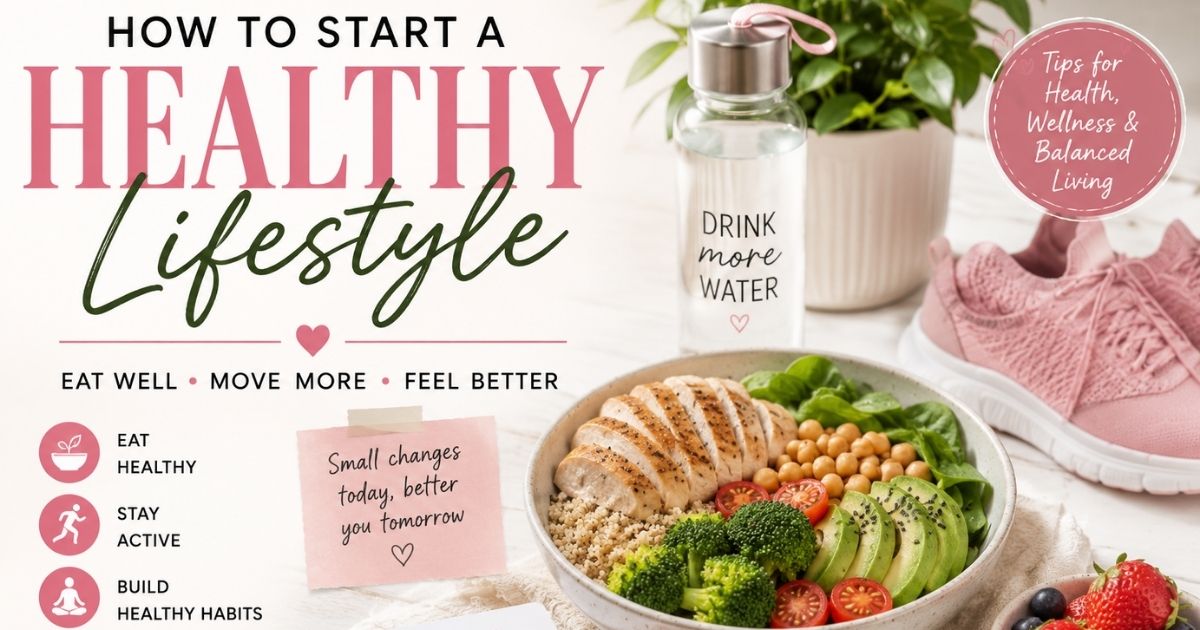
How to start a healthy lifestyle is simpler than it sounds: begin with small habits you can repeat daily, such as drinking more water, eating balanced meals, walking regularly, sleeping better, and reducing highly processed foods. You do not need perfection. You need consistency that fits your real life.
Starting a healthier life can feel strangely overwhelming. One person says you need a strict meal plan. Another says you need a 5 a.m. workout routine. Someone else is selling a detox, a challenge, or a dramatic before-and-after story. And honestly, most of that can make staying healthy feel harder than it needs to be.
The truth is softer and more practical. Health living is built through repeated choices that support your body over time. A balanced meal. A walk after dinner. A bedtime you actually respect. A grocery list with more whole foods. A little less scrolling before sleep. None of these habits looks dramatic on day one, but they stack up.
This guide will help you understand how to start a healthy lifestyle without turning your life into a strict rulebook. We will talk about healthy food diets, exercise, clean eating, cardiovascular health, wellness habits, and how to change your lifestyle in a way that feels realistic.
At Soft Glow Style, we believe wellness should support your life, not take over your personality.
What Does It Mean to Be Healthy?
Before you start changing everything, it helps to pause and ask a very basic question: what is it to be healthy? A healthy body is not just about weight, clothing size, or looking toned in photos. Health includes energy, strength, digestion, sleep, mood, movement, blood pressure, heart health, hormones, mental balance, and how well you can live your everyday life.
That is why the phrase “health body” can feel a bit too narrow. Your body is not a project to punish. It is something you live in. You want it to feel strong, nourished, rested, and capable.
How to know if you are healthy
If you are wondering how to know if your healthy, there is no single at-home test that tells the whole story. But a few signs can suggest your habits are supporting you:
- You have steady energy most days.
- You sleep reasonably well.
- You can move without constant discomfort.
- Your digestion feels fairly regular.
- Your meals include a mix of protein, fiber, healthy fats, and colorful foods.
- You feel emotionally more balanced than drained.
- Your medical checkups are generally within healthy ranges.
Of course, many health issues are invisible. So regular checkups matter, especially for blood pressure, cholesterol, blood sugar, and cardiovascular risk. Think of lifestyle habits as daily support, not a replacement for professional care.
Healthy does not mean perfect
A healthier life does not mean you never eat cake, never miss a workout, or never have a lazy day. It means your usual habits are supportive enough that occasional imperfections do not throw everything off. Actually, that is the only kind of wellness that lasts.
If you enjoy lifestyle content with a gentle, realistic approach, you may also like our guide on wellness fridges and smart habits, where we looked at how organized food spaces can make healthy choices easier.
How to Start a Healthy Lifestyle Without Overwhelm
The best way to start is not by changing everything on Monday. That usually feels exciting for about three days, then exhausting. A better approach is to choose one small health tip and repeat it until it feels normal.
Step 1: Pick your easiest first habit
Start with the habit that feels almost too easy. Maybe it is drinking a glass of water after waking up. Maybe it is adding fruit to breakfast. Maybe it is walking for 10 minutes after lunch. Easy habits build trust with yourself.
Once one habit feels normal, add another. That is how you create a healthier life without constantly starting over.
Step 2: Build around your real schedule
Your healthy lifestyle has to fit the life you actually have. If you work long hours, care for kids, study, commute, or run your own business, your routine will look different from someone with unlimited time. That is not failure. That is reality.
A practical routine might look like:
- 10-minute walk in the morning
- Balanced breakfast or protein-rich snack
- Meal prep two simple lunches
- Strength training twice weekly
- Phone away 20 minutes before bed
Step 3: Track patterns, not perfection
You do not need to track every calorie or every step unless that genuinely helps you. Instead, notice patterns. Do you skip breakfast and crash at 3 p.m.? Do you sleep late after scrolling? Do you eat less protein when you are busy? These small observations can guide better choices.
Step 4: Make the healthy choice visible
Put fruit where you can see it. Keep your water bottle near your desk. Place walking shoes by the door. Keep healthy food diets simple by making better choices easier to reach.
This is the same idea behind easy beauty routines too. When products are visible and simple, you use them more consistently. Our best skincare products guide follows that same practical mindset: fewer confusing steps, better consistency.
How to Eat Healthy in Real Life
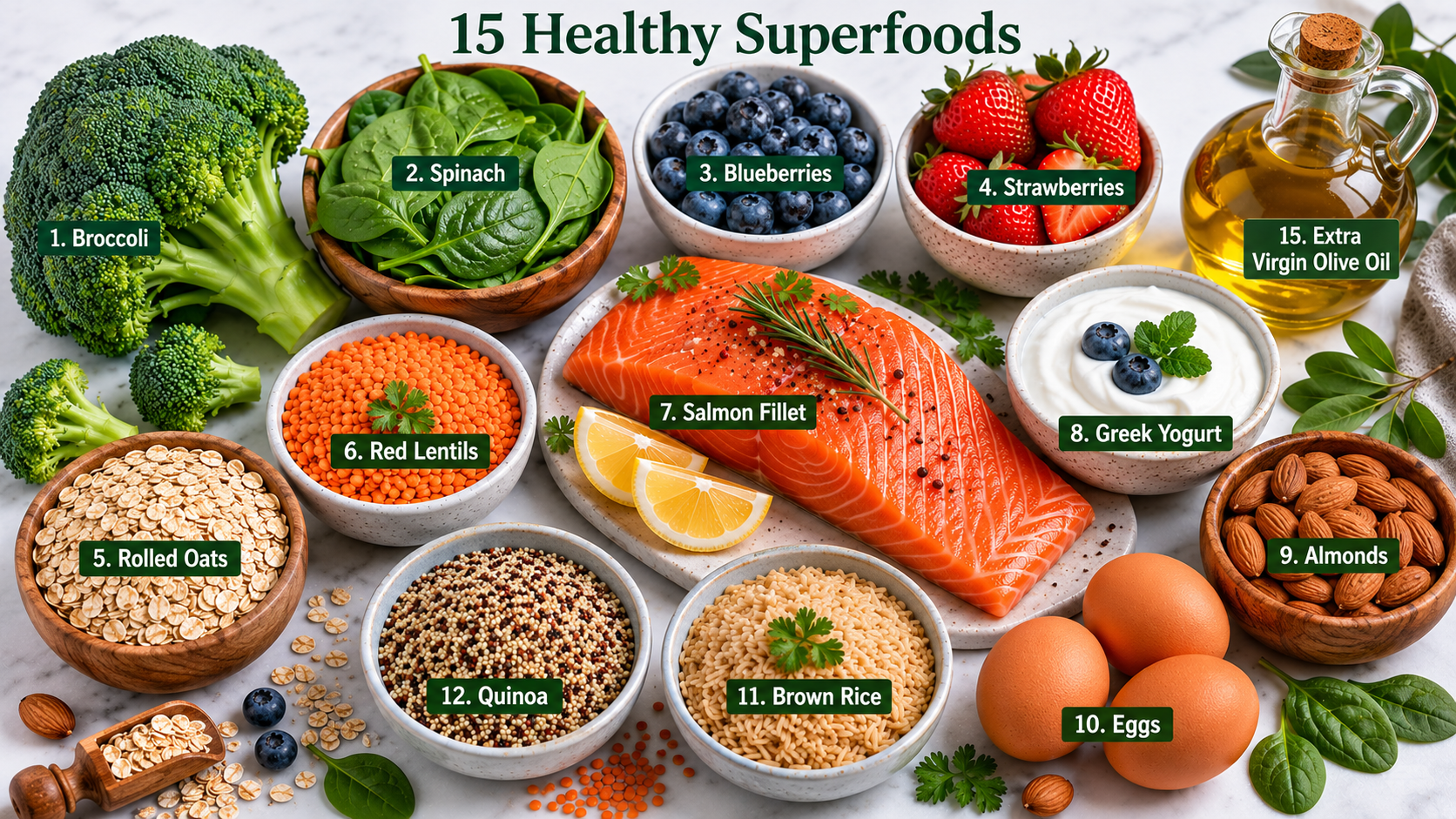
Learning how to eat healthy does not mean eating plain salads forever. It means building meals that nourish you, satisfy you, and support your energy. Food should help you live, not make you anxious.
What is considered a healthy diet?
A healthy diet usually includes fruits, vegetables, whole grains, healthy proteins, unsaturated fats, and enough water. The American Heart Association recommends an overall healthy dietary pattern with a wide variety of fruits and vegetables, whole grains, healthy protein sources such as beans, lentils, nuts, fish, seafood, and lean meats, plus limited added sugars and sodium.
That is a flexible framework, not a punishment plan.
What is healthy food?
Healthy food is food that gives your body useful nutrients. It can include:
- Vegetables and leafy greens
- Fruit
- Beans, lentils, chickpeas, and peas
- Fish and seafood
- Eggs
- Lean poultry
- Tofu and tempeh
- Whole grains like oats, brown rice, quinoa, and whole wheat bread
- Nuts and seeds
- Olive oil and avocado
- Yogurt or other calcium-rich foods
Good food good health does not have to be complicated. A bowl with rice, chicken or tofu, vegetables, avocado, and a simple sauce can be just as healthy as something that looks fancy on Instagram.
How to eat a balanced diet
A balanced plate is one of the easiest healthy diet tips. Try this simple structure:
| Plate Section | What to Add | Examples |
|---|---|---|
| Half plate | Vegetables or fruit | Salad, broccoli, carrots, berries, apples |
| Quarter plate | Protein | Eggs, fish, lentils, chicken, tofu, Greek yogurt |
| Quarter plate | Whole grain or starchy carb | Brown rice, oats, sweet potato, quinoa, whole wheat roti |
| Small amount | Healthy fat | Olive oil, nuts, seeds, avocado |
How do I start eating clean?
Clean eating can mean different things to different people, but the useful version is simple: eat more minimally processed foods and fewer ultra-processed foods. That does not mean everything must be organic or expensive.
Start with these swaps:
- Swap sugary drinks for water or unsweetened tea.
- Choose whole grain bread instead of refined white bread when possible.
- Add a vegetable to lunch and dinner.
- Use fruit and nuts as a snack instead of only packaged sweets.
- Cook at home a few more times per week.
Do not turn clean eating into fear. Some packaged foods are useful. Frozen vegetables, canned beans, yogurt, whole grain wraps, and pre-cut salad mixes can make healthy eating easier.
How to Start a Diet Without Falling Into Diet Culture
People often ask how to start a diet, but the word “diet” can feel loaded. A diet can simply mean your usual way of eating. It does not have to mean restriction, guilt, or cutting out every food you enjoy.
Choose addition before restriction
Instead of starting with “I can’t eat this,” begin with “What can I add?” Add protein. Add vegetables. Add fiber. Add water. Add regular meals.
This approach feels less punishing and often naturally improves your eating habits.
Set one food goal at a time
Try one of these:
- Eat breakfast with protein three times this week.
- Add vegetables to dinner five nights this week.
- Pack lunch twice instead of ordering every day.
- Drink water before your second coffee.
- Eat fruit as an afternoon snack.
How do you change your eating habits?
You change your eating habits by changing your environment, routine, and expectations. If your kitchen has no easy healthy options, it is harder to make healthy choices. If your meals are too small, cravings may get stronger. If your plan is too strict, you may quit.
Make the next good choice obvious. Keep boiled eggs, yogurt, fruit, chopped vegetables, cooked rice, canned tuna, hummus, or beans ready. It sounds basic, but basic works.
Healthy Diet for Cardiovascular Health
A healthy diet for cardiovascular health is not only for older adults. Your heart is working for you every day, so supporting it early is a gift to your future self. The goal is to lower risk factors over time through better food choices, movement, sleep, and stress management.
Heart-supportive foods
Heart-healthy eating patterns often include:
- Vegetables
- Fruits
- Whole grains
- Beans and lentils
- Nuts and seeds
- Fish and seafood
- Low-fat or fat-free dairy if you use dairy
- Olive or canola oil
The American Heart Association also recommends limiting sodium, added sugars, and processed meats as part of a heart-supportive pattern. Mayo Clinic notes that limiting sodium is an important part of heart-healthy eating because high sodium intake can contribute to high blood pressure.
Foods to reduce, not fear
You do not need to fear every treat. But for long-term health, it is smart to reduce frequent intake of:
- Sugary drinks
- Deep-fried foods
- Highly processed meats
- Very salty packaged snacks
- Large amounts of butter, lard, or high-fat animal products
- Refined sweets eaten as a daily habit
Balance is not about being casual with everything. It is about being consistent with the habits that matter most, while leaving space for real life.
Health Diet Exercise: Why Movement Matters
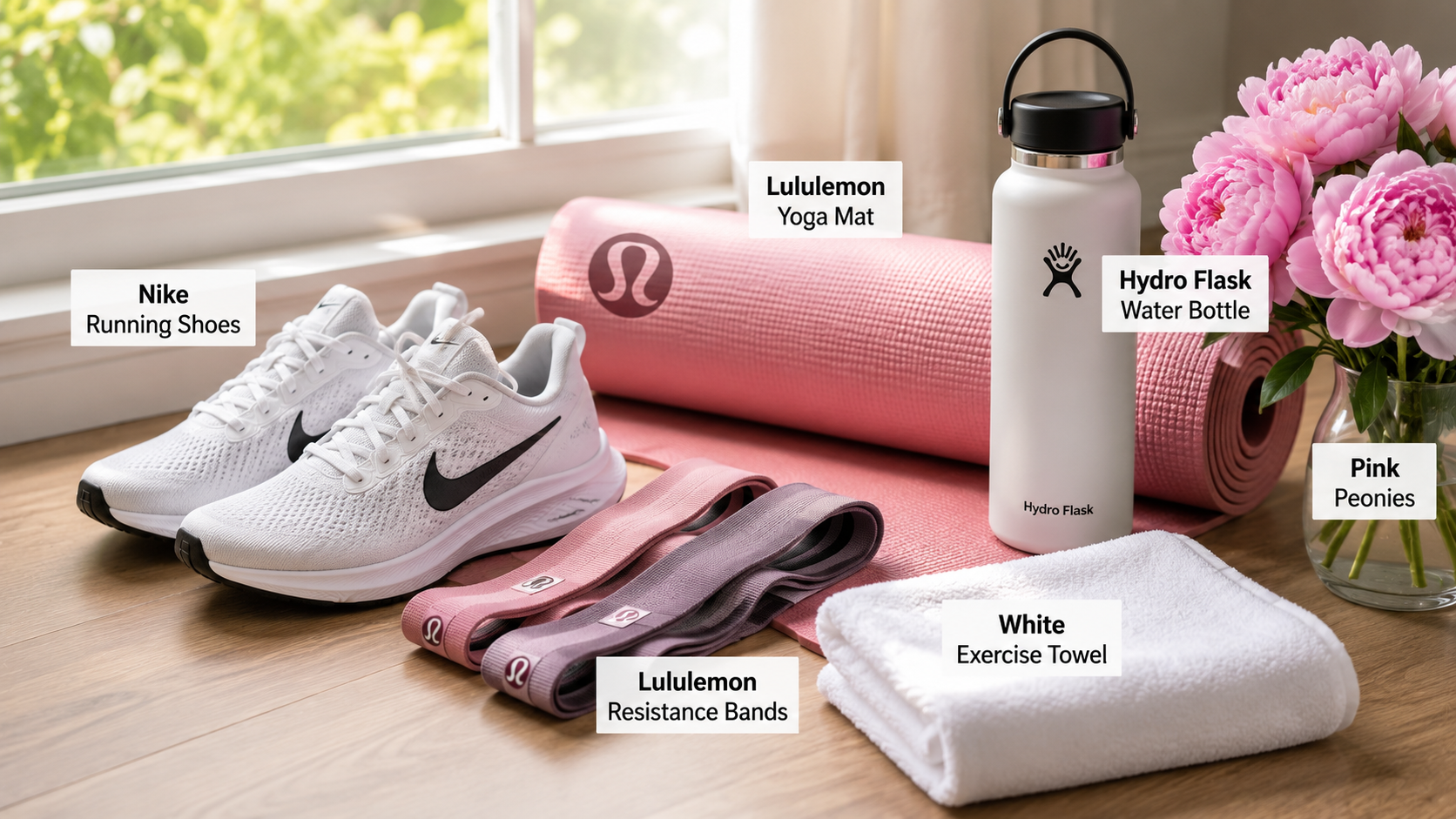
Healthy living is not only food. Movement supports your heart, muscles, bones, mood, sleep, balance, and metabolism. The CDC says adults need at least 150 minutes of moderate-intensity aerobic physical activity weekly plus two days of muscle-strengthening activity. WHO gives similar guidance and notes that adults can gain additional benefits with up to 300 minutes of moderate weekly activity.
How can you stay fit without a gym?
You can stay fit without a gym by combining walking, home workouts, resistance bands, bodyweight exercises, dancing, cycling, yoga, or simple strength training. The best workout is not the trendiest one. It is the one you will repeat.
Beginner weekly movement plan
| Day | Movement Idea | Time |
|---|---|---|
| Monday | Brisk walk | 25 minutes |
| Tuesday | Bodyweight strength | 20 minutes |
| Wednesday | Walk or dance workout | 25 minutes |
| Thursday | Stretching or yoga | 15 minutes |
| Friday | Strength training | 20 minutes |
| Weekend | Long walk, errands, cycling, or active outing | 30 to 45 minutes |
Make movement feel less formal
Exercise does not have to look like a gym selfie. Walking your dog, cleaning energetically, dancing while cooking, taking stairs, or stretching while watching TV all count toward a more active life. The key is reducing long sitting periods and adding movement where it fits.
Healthy Habits That Make the Biggest Difference
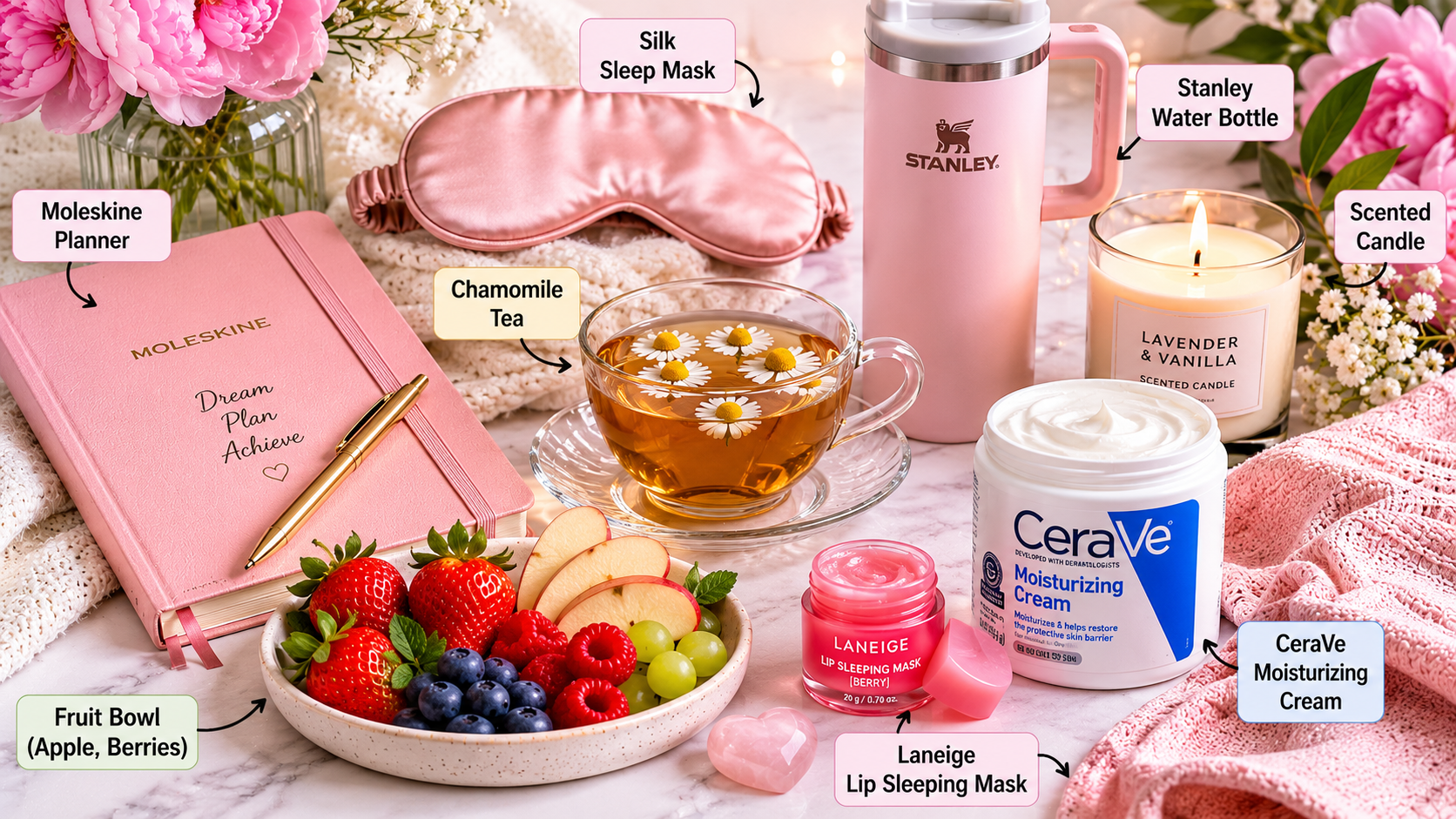
Healthy habits are the quiet engine behind long-term wellness. They are not flashy, but they work. If you want to know how can I stay healthy, these are the habits to build first.
Drink enough water
Hydration supports digestion, focus, skin comfort, and energy. You do not need to force extreme amounts. Start with water at meals and a bottle nearby during work or study.
If you are also interested in skin wellness, hydration connects nicely with beauty routines too. Our Korean skincare glass skin guide talks about hydration from the outside, while water and food support your body from the inside.
Sleep like it matters
Sleep affects appetite, mood, focus, cravings, recovery, and stress. A healthier lifestyle becomes much harder when you are tired all the time.
Try:
- Keeping a regular sleep schedule
- Reducing caffeine late in the day
- Creating a simple wind-down routine
- Keeping your room cooler and darker
- Putting your phone away earlier
Plan meals lightly
You do not need a strict meal prep routine with identical containers. Even a loose plan helps. Choose two breakfasts, two lunches, and three dinners you can repeat during the week.
Take care of stress
Stress is not just emotional. It can affect sleep, digestion, cravings, and energy. You may not be able to remove every stressor, but you can build small recovery rituals: walking, journaling, prayer, stretching, breathing, calling a friend, or quiet time.
Beauty and wellness overlap here too. Sometimes a small ritual, like skincare or a calm bath, helps you slow down. Our Korean skincare layering guide is about skincare, yes, but also about creating a routine that feels grounding.
How to Change Your Lifestyle Step by Step
If you want to know how to start a healthy lifestyle, the answer is not “change everything.” It is “change the next repeatable thing.”
Step 1: Choose your main reason
Do you want more energy? Better digestion? Heart health? Weight management? Clearer skin? Better mood? More strength? Your reason matters because it helps you stay connected when motivation fades.
Step 2: Audit your current habits kindly
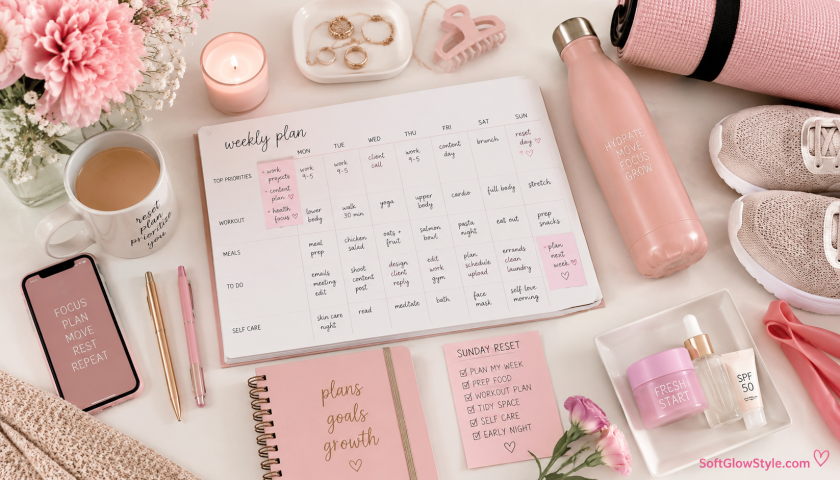
Write down what a normal weekday looks like. When do you eat? How much do you move? How do you sleep? Where do you feel rushed? Do not judge yourself. Just notice.
Step 3: Pick three starter habits
Choose one food habit, one movement habit, and one recovery habit.
- Food habit: add protein to breakfast.
- Movement habit: walk 20 minutes daily.
- Recovery habit: sleep 30 minutes earlier.
Step 4: Make your environment supportive
Healthy habits become easier when your environment helps you. Keep easy meals available. Put workout clothes where you can see them. Make your bedroom restful. Remove friction from the habits you want more of.
Step 5: Review weekly
Once a week, ask: what worked? What felt hard? What needs adjusting? Your plan should evolve with your life.
What Food Is Healthy to Eat Every Week?
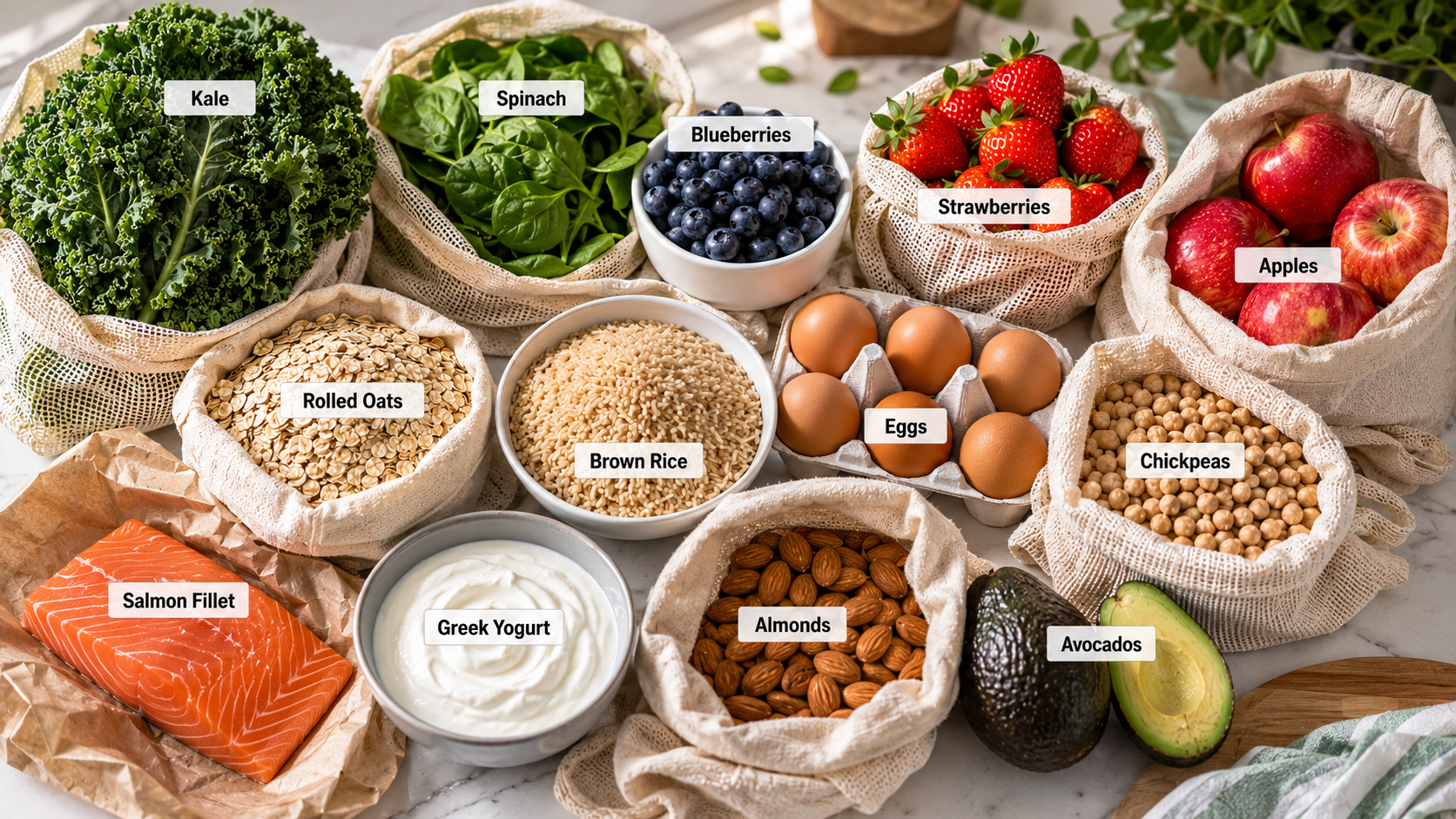
If you want a practical grocery list, focus on foods that can turn into many meals. Healthy food diets do not need fancy powders or expensive specialty products.
Weekly healthy grocery basics
- Eggs
- Greek yogurt or dairy-free yogurt
- Oats
- Brown rice or quinoa
- Whole grain bread or wraps
- Chicken, fish, tofu, beans, or lentils
- Leafy greens
- Frozen vegetables
- Fruit
- Nuts and seeds
- Olive oil
- Avocado
Easy healthy meal ideas
| Meal | Easy Idea | Why It Works |
|---|---|---|
| Breakfast | Oats with yogurt, berries, and nuts | Fiber, protein, healthy fats |
| Lunch | Chicken or tofu bowl with rice and vegetables | Balanced and filling |
| Snack | Apple with peanut butter | Fiber plus satisfying fat |
| Dinner | Salmon, sweet potato, and salad | Protein, omega-3 fats, colorful plants |
Common Mistakes When Starting a Healthy Lifestyle
Mistake 1: Trying to change everything at once
Big lifestyle overhauls feel motivating at first, but they are hard to maintain. Start smaller than you think. A habit you can repeat is more powerful than a perfect plan you quit.
Mistake 2: Skipping meals to be healthier
Skipping meals can backfire for many people. It may lead to low energy, cravings, and overeating later. Regular balanced meals often work better than restriction.
Mistake 3: Ignoring sleep
You can eat well and exercise, but if you are constantly exhausted, everything feels harder. Sleep is not optional decoration. It is part of health.
Mistake 4: Copying someone else’s routine exactly
Your routine should fit your body, schedule, budget, culture, and preferences. Borrow ideas, but do not force a lifestyle that does not match your life.
Expert Advice for Staying Healthy Long Term
Staying healthy is less about motivation and more about structure. Motivation changes. Structure helps you continue even when life gets messy.
Use the 80 percent approach
Try to make supportive choices most of the time. Leave space for birthdays, dinners, travel, cravings, holidays, and normal human moments. This keeps your lifestyle flexible enough to last.
Create routines you enjoy
If you hate your workout, you probably will not keep doing it. If your meals feel boring, you will avoid them. Choose healthy habits that feel at least somewhat pleasant.
Connect wellness with identity
Instead of saying “I am trying to be healthy,” say “I am someone who takes care of myself.” It sounds subtle, but it shifts health from a temporary project to a personal value.
Frequently Asked Questions
How to start a healthy lifestyle as a beginner?
How to start a healthy lifestyle as a beginner is best done with small habits. Start by drinking more water, adding fruits and vegetables to meals, walking regularly, sleeping better, and reducing highly processed foods. Do not try to become perfect in one week. Choose one or two realistic habits and repeat them until they feel normal.
How can I stay healthy every day?
You can stay healthy every day by building simple routines around food, movement, sleep, and stress care. Eat balanced meals, move your body, drink water, take breaks from sitting, and protect your sleep. Staying healthy does not mean every day looks perfect. It means your normal pattern supports your body most of the time.
What is considered a healthy diet?
A healthy diet usually includes vegetables, fruits, whole grains, healthy proteins, unsaturated fats, and enough water. It also limits added sugars, high sodium foods, and heavily processed foods. The best healthy diet is one that supports your energy, heart health, digestion, and lifestyle while still feeling realistic enough to maintain.
How do I start eating clean?
Start eating clean by adding more whole and minimally processed foods to your meals. Choose fruit, vegetables, beans, lentils, eggs, fish, whole grains, nuts, and yogurt more often. You do not need to remove every packaged food. Begin with simple swaps, like water instead of sugary drinks or homemade lunch instead of takeout.
How can you stay fit without going to the gym?
You can stay fit without a gym by walking, dancing, cycling, doing home workouts, using resistance bands, stretching, or practicing bodyweight exercises. The CDC recommends adults work toward 150 minutes of moderate weekly activity and two days of strength training. You can split that into short sessions that fit your schedule.
How to change your lifestyle when you feel unmotivated?
How to start a healthy lifestyle when motivation is low begins with making habits easier. Choose one tiny change, like a 10-minute walk or adding protein to breakfast. Prepare your environment so healthy choices are visible and convenient. Motivation often appears after action, not before it.
Final Thoughts
Learning how to start a healthy lifestyle does not require a dramatic transformation. It starts with everyday choices that make your body feel supported: eating balanced meals, moving more, sleeping better, drinking water, reducing stress, and choosing habits you can actually repeat.
You do not need to become someone else. You do not need a perfect morning routine, a strict diet, or a gym membership you dread. You just need a few steady habits that fit your real life.
Start with one thing today. Maybe it is a better breakfast. Maybe it is a walk. Maybe it is going to bed a little earlier. Small steps still count, and over time, they become the lifestyle you were hoping to build.
You Might Also Love
- Wellness Fridges Are Getting Smart — A fun look at how organized food spaces can support healthier habits.
- How to Help Hair Grow Faster — Healthy habits that support stronger-looking hair.
- Decorate With Books — A cozy lifestyle guide for creating a calmer home space.
- Best Skincare Products — Simple beauty basics for a more consistent routine.
- Korean Skincare Glass Skin — Hydration tips for a fresh, healthy-looking glow.
- How to Layer Korean Skincare — Build a calming routine step by step.
- Blurry Blush — A soft beauty trend for fresh, natural makeup days.
- Lip Gloss Layers — Easy beauty styling when you want a polished but simple look.
- Lifestyle — Explore more wellness and daily living ideas.
- Beauty — More beauty and self-care inspiration from Soft Glow Style.