Key Takeaways
- Does argan oil clog pores? For many people, argan oil is less likely to feel heavy than some richer oils, but it can still clog or irritate some skin types.
- Argan oil is often used for dryness, softness and barrier comfort, but it is not an acne treatment.
- Acne-prone, oily, fungal-acne-prone and very reactive skin should patch test before using argan oil on the face.
- Use only one or two drops. Too much oil can feel greasy and may trap residue on the skin.
- If you notice closed comedones, whiteheads, blackheads or tiny bumps, stop using argan oil and simplify your routine.
- Choose pure, fresh, fragrance-free argan oil if you want to try it on facial skin.
- For oily or acne-prone skin, products labeled oil-free and non-comedogenic are often safer starting points.
Does argan oil clog pores? Usually, argan oil is considered a lighter facial oil compared with heavier oils, but that does not mean it is perfect for everyone. Some people use it and get soft, comfortable skin. Others notice tiny bumps, clogged pores, extra shine or breakouts.
Does Argan Oil Clog Pores?
Argan oil does not clog pores for everyone, but it can clog pores for some people. This is the honest answer because skin does not react the same way to every oil.
Argan oil is commonly used in skincare and hair care because it feels nourishing and contains fatty acids and vitamin E. Cleveland Clinic notes that argan oil can hydrate skin and may help with dryness, although most people know it more as a hair oil. Cleveland Clinic argan oil benefits guide
But if your skin clogs easily, you should not rely only on a comedogenic rating chart. A product can be labeled lightweight and still cause bumps on your skin. Your skin response matters more than the rating.
For a balanced skincare routine, pair this guide with the Soft Glow Style beauty hub, our 5 step Korean skincare routine, and our how to layer Korean skincare guide.
What Is Argan Oil?
Argan oil is a plant oil made from kernels of the argan tree, which is native to Morocco. In beauty routines, it is often used on hair, scalp, nails and skin.
In facial skincare, people usually use argan oil for:
- Dry patches
- Rough texture
- Flaky skin
- A softer finish
- Extra glow
- Sealing moisturizer
- Simple facial massage
Argan oil is not the same as a moisturizer, though. A moisturizer usually contains water-binding ingredients, barrier-supporting ingredients and texture stabilizers. Argan oil is an oil, so it is better used as a small finishing layer or mixed carefully into a routine.
Argan Oil and Comedogenic Ratings
You may see argan oil listed as low on comedogenic rating charts. That can be helpful, but it is not a guarantee. Comedogenic ratings are not perfect because they do not always reflect real facial use, product freshness, formula combinations or individual skin type.
| Question | Simple Answer |
|---|---|
| Is argan oil usually heavy? | No, it is often considered lighter than richer oils. |
| Can argan oil clog pores? | Yes, it can for some people. |
| Is argan oil acne treatment? | No, it is not a proven acne treatment. |
| Should oily skin use it? | Only carefully and in tiny amounts. |
| Should acne-prone skin patch test? | Yes, always. |
The American Academy of Dermatology recommends choosing skincare products labeled oil-free and non-comedogenic when you have oily skin. That is a useful reminder that acne-prone or oily skin should be careful with face oils, even when the oil is popular.
7 Things to Know Before Using Argan Oil on Face
1. Argan Oil May Work Better for Dry Skin
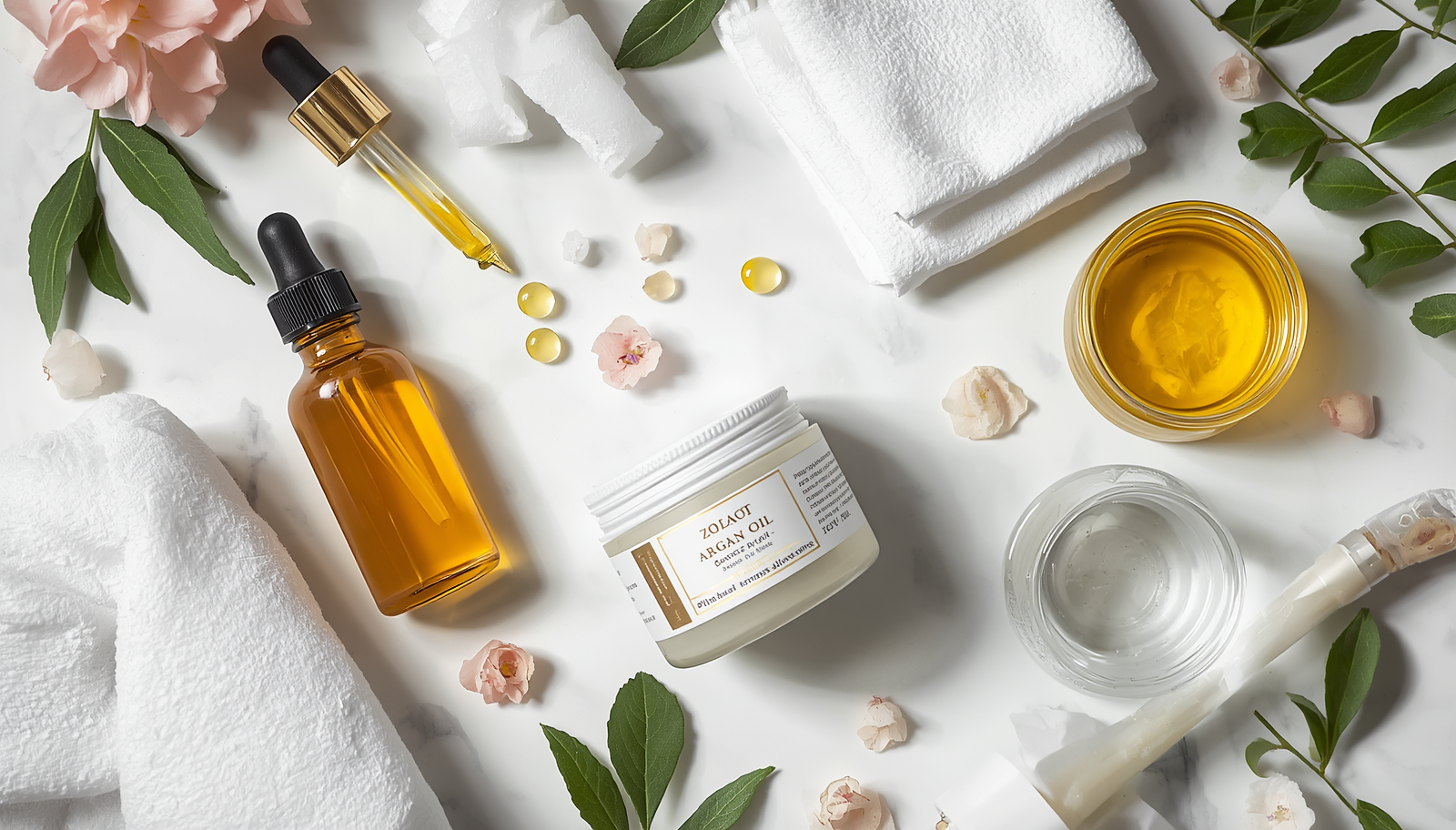
Dry skin is usually the best match for argan oil. If your skin feels tight, flaky or rough, one or two drops may help seal in moisture and make the face feel softer.
Apply it over moisturizer, not instead of moisturizer. This helps keep your routine balanced.
2. Oily Skin Should Use It Carefully
Oily skin does not always need face oil. If your skin already feels shiny, greasy or congested, argan oil may feel like too much.
If you still want to try it, use one drop only and apply it at night. Avoid layering it over heavy cream, balm, sunscreen residue or makeup.
3. Acne-Prone Skin Should Patch Test
Acne-prone skin can be unpredictable. Some people tolerate argan oil well. Others notice clogged bumps or whiteheads.
Patch test on one area first, such as the jawline. Use it for several nights and watch for tiny bumps, itching, new clogged pores or red pimples.
For acne-focused skincare, read best Korean skincare for acne, Korean acne skincare top picks, and foaming cleanser for oily skin.
4. Too Much Argan Oil Can Feel Greasy
More oil does not mean more glow. Too much argan oil can sit on the skin, make makeup slide, trap residue, or make your face look shiny instead of fresh.
Start with one or two drops for the whole face. If that still feels greasy, argan oil may not be your best face product.
5. Product Quality Matters
Old, oxidized, fragranced or mixed oils may irritate skin more than a simple fresh oil. If you use argan oil on your face, choose pure, fragrance-free argan oil from a brand you trust.
Store it away from heat and sunlight. If it smells sour, rancid or strange, do not use it on your face.
6. Argan Oil Can Be Better as a Last Step
Argan oil works best as a small finishing layer after hydrating products. If you apply it first, it may make watery serums or moisturizers sit unevenly on top.
A simple order is cleanser, serum if used, moisturizer, then one or two drops of argan oil. For more routine order help, read how to layer Korean skincare.
7. If It Gives You Bumps, Stop
Do not keep using argan oil just because it is called non-comedogenic online. If your skin gets clogged, bumpy or irritated, stop using it.
Skin feedback matters. A product can be good and still not be good for you.
Argan Oil for Different Skin Types
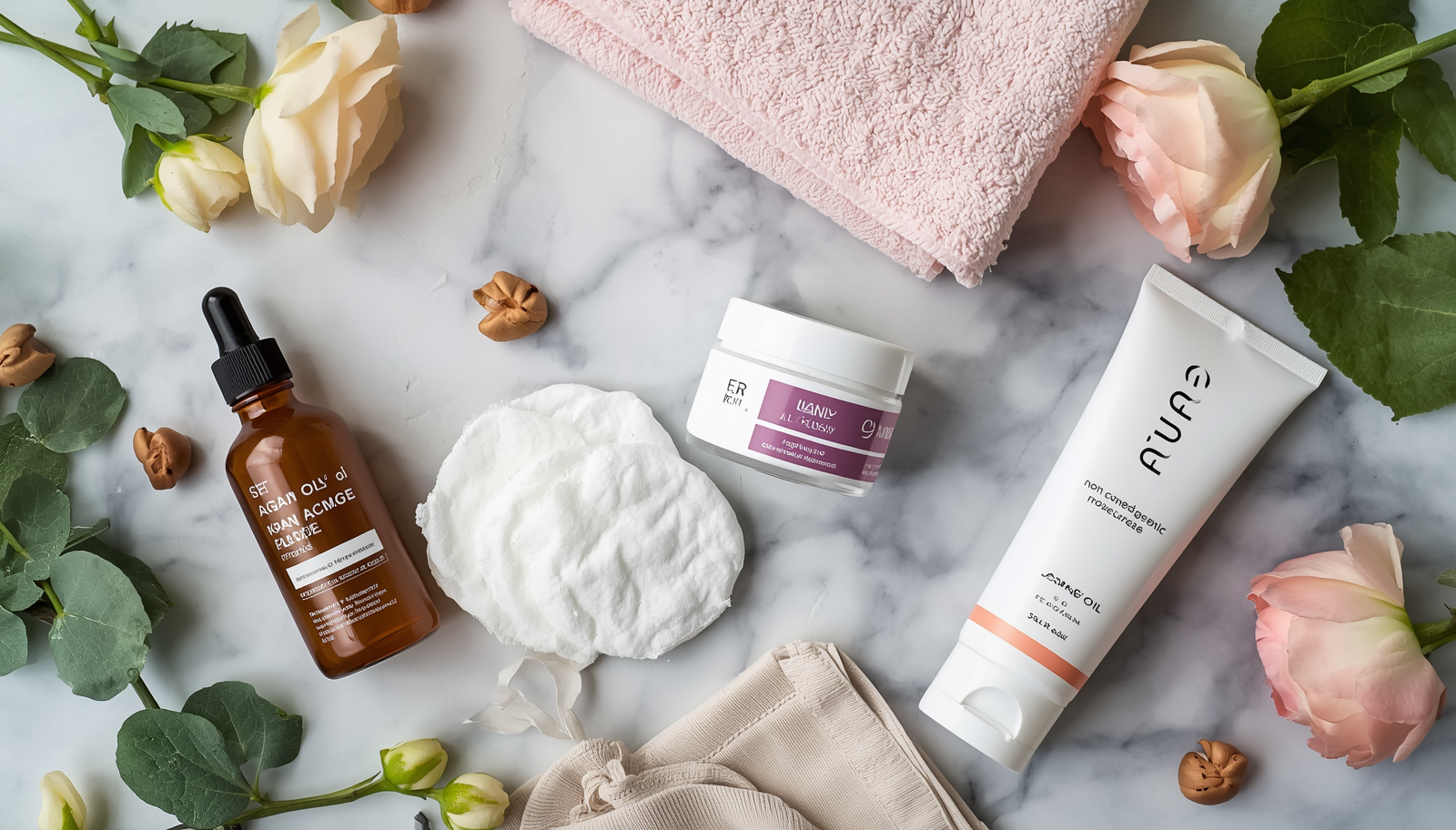
| Skin Type | Can It Try Argan Oil? | Best Approach |
|---|---|---|
| Dry skin | Yes | Use 1 to 2 drops over moisturizer. |
| Oily skin | Carefully | Try 1 drop at night or choose oil-free moisturizer. |
| Acne-prone skin | Patch test first | Stop if closed comedones or breakouts appear. |
| Combination skin | Yes, targeted | Use only on dry areas, not oily T-zone. |
| Sensitive skin | Patch test first | Choose fragrance-free and avoid broken skin. |
| Fungal-acne-prone skin | Use caution | Many oils may not suit Malassezia-prone routines. |
How to Use Argan Oil Without Clogging Pores
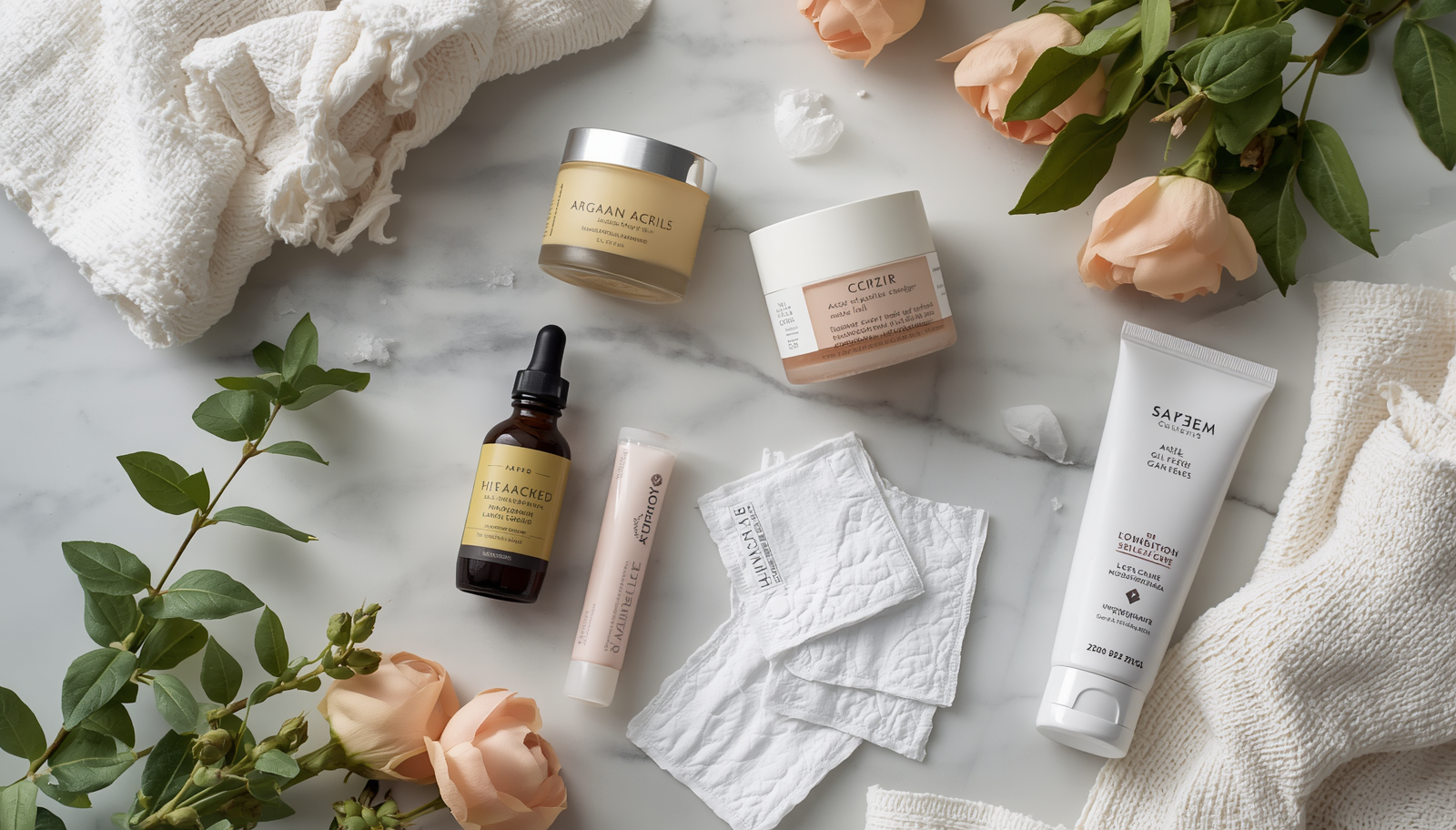
The safest way to try argan oil is to use less than you think you need. Facial oils are easy to overapply.
Step 1: Patch Test
Apply a tiny amount to one area for a few nights. Watch for bumps, redness, itching or clogged pores.
Step 2: Cleanse First
Apply argan oil only on clean skin. Do not trap makeup, sweat or sunscreen under oil.
Step 3: Apply Moisturizer
Use a lightweight moisturizer first. This gives your skin hydration before the oil layer.
Step 4: Use One or Two Drops
Warm the drops between your fingers and press gently onto the face. Do not pour oil directly onto your skin.
Step 5: Avoid Heavy Areas
If your forehead, nose or chin clog easily, skip those areas and apply argan oil only to cheeks or dry patches.
Step 6: Do Not Layer With Too Many Rich Products
Argan oil plus heavy cream plus balm may be too much for clog-prone skin.
Step 7: Track Your Skin for Two Weeks
If you notice new bumps, stop using it and return to a simpler routine.
Argan Oil vs Coconut Oil for Pores
Argan oil is usually a better facial option than coconut oil for people worried about clogged pores. Coconut oil is richer and may cause acne breakouts for oily or acne-prone skin. Cleveland Clinic warns that coconut oil can clog pores and cause breakouts, especially for people with oily skin.
| Oil | Texture Feel | Pore-Clogging Concern | Best Use |
|---|---|---|---|
| Argan oil | Lighter oil feel | May clog some skin, but often better tolerated | Dry patches, small finishing layer |
| Coconut oil | Rich and heavier | Higher concern for oily or acne-prone face skin | Body or hair for some people, not ideal for acne-prone face |
| Squalane | Very lightweight | Often better for oil-sensitive routines | Light facial oil alternative |
| Rosehip oil | Light to medium | Can still bother some skin | Dry or dull skin, patch test first |
Signs Argan Oil Is Clogging Your Pores
If argan oil does not suit your face, your skin may tell you within days or weeks.
Watch For:
- Tiny closed comedones
- New whiteheads
- Blackheads that were not there before
- Bumpy texture
- Greasy film that does not absorb
- Makeup separating
- Breakouts in areas where you applied the oil
- Itching or redness
If the bumps appear only where you apply argan oil, stop using it and see if your skin improves.
What to Do If Argan Oil Gives You Bumps
Do not panic and do not add five new products. Simplify first.
- Stop argan oil for at least two to four weeks.
- Use a gentle cleanser.
- Use a lightweight moisturizer.
- Use sunscreen in the morning.
- Avoid heavy balms and extra oils.
- Do not scrub the bumps aggressively.
- See a dermatologist if bumps persist or worsen.
For texture confidence, read visible pores are a flex and visible pores and skin texture guide.
Best Ways to Add Argan Oil to a Routine
For Dry Skin
Use moisturizer first, then press one or two drops of argan oil over dry areas. This can help the skin feel more comfortable.
For Combination Skin
Use argan oil only on cheeks or dry patches. Avoid the oily T-zone if it clogs easily.
For Oily Skin
Try one drop at night once or twice a week. If your skin becomes shinier or bumpier, stop.
For Sensitive Skin
Choose pure, fragrance-free argan oil and patch test. Avoid using it on irritated or broken skin.
For Makeup Prep
Use the smallest amount possible. Too much oil can make foundation slide or separate.
Common Argan Oil Mistakes
Mistake 1: Using Too Much
One or two drops can be enough. More than that may make the face greasy.
Mistake 2: Applying It Before Moisturizer
Oil works better after hydrating steps. Moisturizer first, oil last is usually easier.
Mistake 3: Using It on Dirty Skin
Do not trap makeup, sunscreen or sweat under face oil.
Mistake 4: Ignoring Breakouts
If bumps appear, stop using it. Do not force your skin to like a product.
Mistake 5: Choosing Fragranced Oil
Fragrance can irritate sensitive skin. Choose simple argan oil if you want to use it on your face.
Mistake 6: Expecting It to Treat Acne
Argan oil may feel softening, but it is not an acne medication.
Expert Tips from Sawera Shahid
Sawera Shahid, a beauty, skincare, fashion and lifestyle writer with 5+ years of experience, recommends treating argan oil as an optional face oil, not a required skincare step. It can be lovely for dry skin, but acne-prone and oily skin should move slowly.
- Patch test before applying argan oil to your full face.
- Use only one or two drops.
- Apply it after moisturizer, not before watery serums.
- Use it only on dry areas if you have combination skin.
- Stop if you notice new closed comedones or whiteheads.
- Avoid fragranced argan oil on sensitive skin.
- Do not use argan oil as an acne treatment.
- Choose oil-free and non-comedogenic products if your skin clogs easily.
Soft Glow Style Internal Reading Map
Use these related Soft Glow Style guides to build a better skincare, beauty and lifestyle routine around face oils and pore care.
Skincare Routine Links
- Soft Glow Style beauty hub
- best skincare products for routine building
- simple 5 step Korean skincare routine
- how to layer Korean skincare correctly
- Korean skincare set for glowing skin
- Korean skincare sets that actually work
- best Korean skincare for acne
- Korean acne skincare top picks
- foaming cleanser for oily skin
- fungal acne cleanser guide
- face wash for fungal acne
- visible pores are a flex
- visible pores and skin texture guide
Makeup and Beauty Links
- no makeup makeup routine
- what is tinted moisturizer
- cloud skin makeup base
- cloud skin vs glass skin guide
- blurry blush soft glam trend
- lip gloss layering for plump lips
- heatproof makeup for hot weather
- American beauty standards guide
- how beauty standards affect mental health
Natural Glow and Cooling Skincare Links
- raw honey mask for face
- ice water face dip
- benefits of ice bath for face
- Sunday reset routine that feels realistic
- Sunday reset that actually works
Frequently Asked Questions
Does argan oil clog pores?
Argan oil does not clog pores for everyone, but it can clog pores for some people. If your skin is oily, acne-prone or easily congested, patch test first and use only a tiny amount.
Is argan oil good for acne-prone skin?
Argan oil may be tolerated by some acne-prone skin, but it is not an acne treatment. If you notice new bumps, whiteheads or clogged pores, stop using it and return to a simpler routine.
Can oily skin use argan oil?
Oily skin can try argan oil carefully, but it may not need it. Use one drop at night and avoid heavy layering. Oil-free, non-comedogenic moisturizers may be better for very oily skin.
How do I apply argan oil on my face?
Apply one or two drops after moisturizer or onto slightly damp skin. Press gently over dry areas. Avoid using too much, especially on the forehead, nose and chin if those areas clog easily.
What does clogged skin from argan oil look like?
It may look like tiny closed comedones, whiteheads, blackheads, bumpy texture, greasy film or breakouts in the areas where you applied the oil.
Is argan oil better than coconut oil for the face?
For many people, argan oil is a lighter facial option than coconut oil. Coconut oil can clog pores and trigger breakouts for oily or acne-prone skin, so it is often not the best face oil choice.
Final Thoughts
Does argan oil clog pores? It can, but not for everyone. Argan oil may be a good softening oil for dry or normal skin when used in tiny amounts. But oily, acne-prone, fungal-acne-prone or highly reactive skin should be careful.
Use argan oil like an optional finishing step, not a must-have product. Patch test first, use one or two drops, and stop if your skin becomes bumpy or congested. For oily skin, the American Academy of Dermatology recommends choosing products labeled oil-free and non-comedogenic, which is a good rule if your pores clog easily. :contentReference[oaicite:0]{index=0}
Final Recap
- Argan oil is often lighter than many rich oils, but it can still clog some skin.
- Dry skin may tolerate argan oil better than oily or acne-prone skin.
- Use one or two drops only.
- Apply argan oil after moisturizer, not as your whole routine.
- Patch test before full-face use.
- Stop if you notice new bumps, whiteheads or clogged pores.
- Choose oil-free and non-comedogenic products if your skin clogs easily.