Key Takeaways
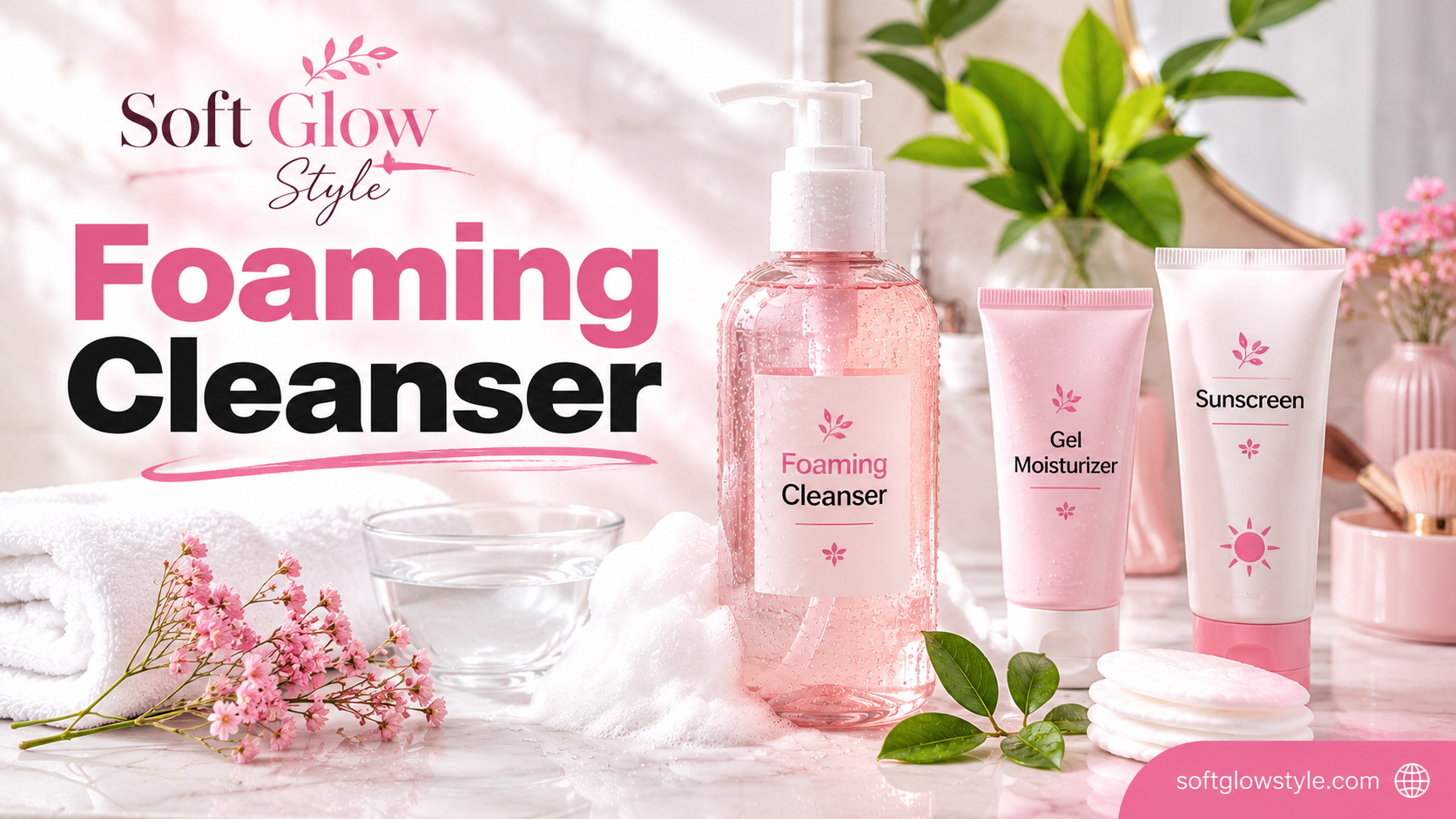
- A foaming cleanser for oily skin should remove excess oil, sweat, sunscreen, and buildup without leaving your face tight or stripped.
- Oily skin does not need harsh cleansing. It needs balanced cleansing.
- Look for gentle, oil-free, non-comedogenic, fragrance-free, or low-fragrance formulas when possible.
- Foaming cleansers can work well for oily and acne-prone skin, but the formula matters more than the foam itself.
- Avoid gritty scrubs, alcohol-heavy cleansers, and products that make your face feel squeaky clean.
- Most oily skin types do best cleansing morning and evening, plus after heavy sweating when needed.
- Use a lightweight moisturizer after cleansing because oily skin can still become dehydrated or irritated.
A foaming cleanser for oily skin should clean deeply enough to remove shine, sweat, sunscreen, and daily buildup, but gently enough to protect your skin barrier. The best cleanser leaves your face fresh and comfortable, not tight, hot, flaky, red, or overly dry.
What Is a Foaming Cleanser for Oily Skin?
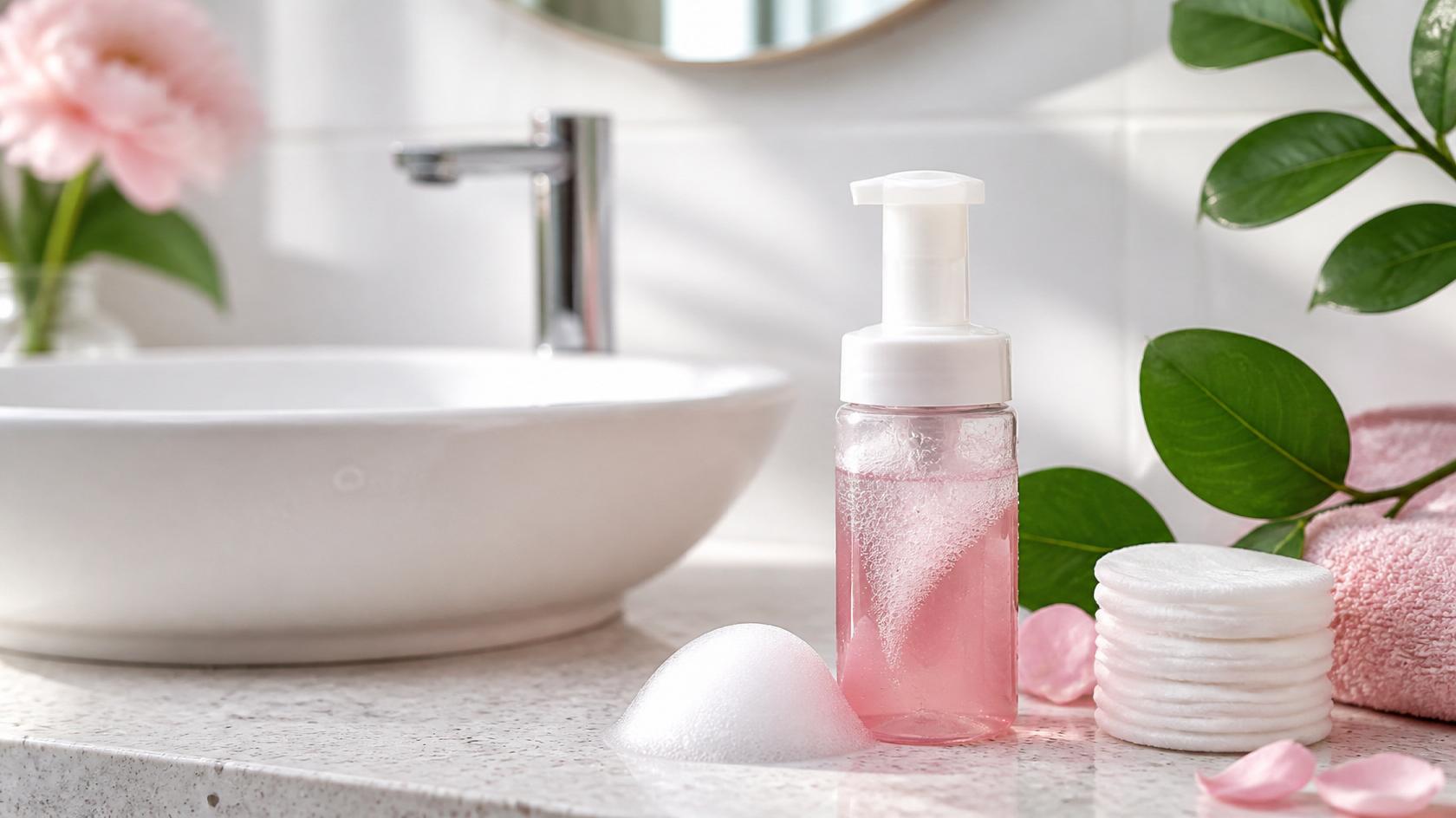
A foaming cleanser for oily skin is a face wash that creates lather while helping remove excess sebum, sweat, dirt, sunscreen, and makeup residue. It is usually designed for skin that gets shiny quickly or feels greasy by midday.
But foam does not automatically mean better. A good foaming cleanser should be gentle. A bad one can strip your skin so much that your face feels tight, dry, and irritated. That is not the goal.
Oily skin needs cleansing, but it also needs respect. When you use a cleanser that is too harsh, your skin barrier can become uncomfortable. That can make your routine harder, especially if you also deal with breakouts, visible pores, texture, or sensitivity.
If your oily skin is also acne-prone, start with our best Korean skincare for acne-prone skin, Korean acne skincare top picks, and best skincare products guide. For routine order, use our 5 step Korean skincare routine and how to layer Korean skincare.
Foaming Cleanser for Oily Skin: Why It Can Work
Foaming cleansers are popular for oily skin because they usually feel fresh, light, and clean-rinsing. They can remove the oily film that builds up through the day, especially in hot weather or after sweating.
A foaming cleanser can be useful if:
- Your T-zone gets shiny quickly.
- Your sunscreen feels heavy by evening.
- Your skin feels greasy after workouts.
- You wear makeup or tinted sunscreen.
- You want a cleanser that rinses clean.
- You have oily or combination skin.
The key is choosing a foam that feels soft, not harsh. Your face should feel clean, but still comfortable.
| Good Foaming Cleanser | Too-Harsh Foaming Cleanser |
|---|---|
| Leaves skin fresh and comfortable | Leaves skin tight or squeaky |
| Rinses clean without burning | Stings or makes skin red |
| Works with moisturizer | Makes moisturizer sting |
| Controls oil without stripping | Triggers dryness and flaking |
| Can be used consistently | Feels aggressive every wash |
For skin texture and pore confidence, read visible pores are a flex, visible pores and skin texture guide, cloud skin skincare trend, and cloud skin vs glass skin.
7 Things to Look for in a Foaming Cleanser for Oily Skin
1. Gentle Surfactants
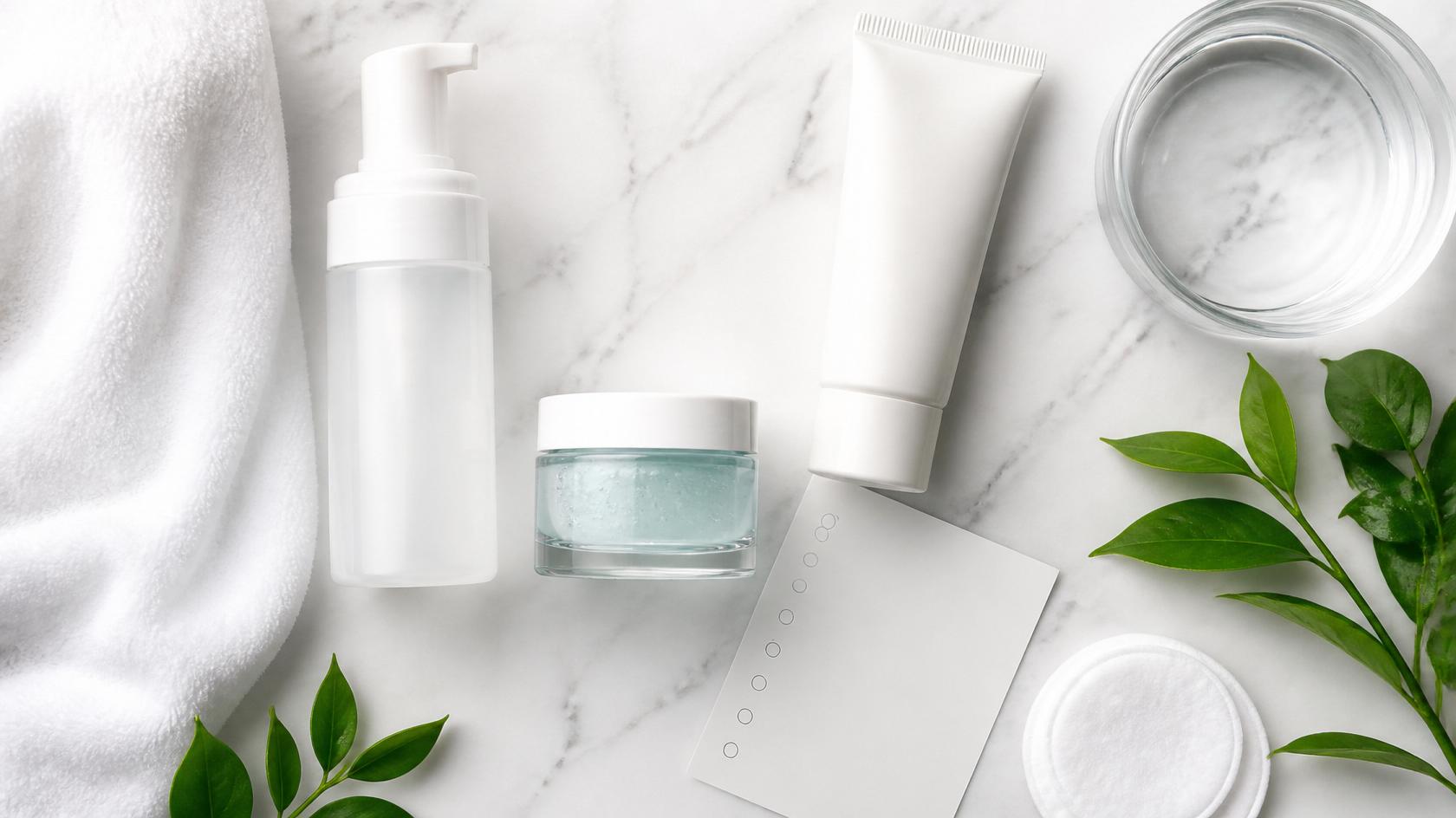
Surfactants are cleansing agents. They help lift oil, dirt, and buildup from your skin. The problem is not that a cleanser has surfactants. The problem is when the formula is too aggressive for your face.
Choose a cleanser that says gentle, non-stripping, barrier-friendly, or suitable for daily use. Your skin should not feel punished after washing.
2. Oil-Free or Non-Comedogenic Label
If your skin clogs easily, look for terms like oil-free and non-comedogenic. These labels do not guarantee perfection, but they are a useful starting point for oily and acne-prone skin.
For acne routine support, read best Korean skincare for acne and Korean skincare sets that actually work.
3. Fragrance-Free or Low-Fragrance Formula
Oily skin can still be sensitive. If your face gets hot, itchy, red, or reactive after washing, fragrance may not be helping.
Fragrance-free is a safe starting point if your skin is easily irritated. If you like fragrance, keep it low and pay attention to your skin.
4. Hydrating Support
A foaming cleanser does not have to feel dry. Many modern formulas include hydrating or soothing ingredients like glycerin, panthenol, niacinamide, or hyaluronic acid.
These ingredients can make a cleanser feel more balanced. They do not replace moisturizer, but they can help your face feel less stripped.
5. Optional Acne-Friendly Ingredients
If your oily skin is also acne-prone, a cleanser with salicylic acid may help some people. Salicylic acid is commonly used in acne products because it can help with clogged pores.
That said, you do not need every active in your cleanser. If you already use retinoids, exfoliating toner, or acne treatment, keep the cleanser simple.
6. Clean-Rinsing Finish
A foaming cleanser for oily skin should rinse clean without leaving a heavy film. If your face feels coated after washing, you may not like the finish.
Clean-rinsing does not mean dry. It means fresh, comfortable, and balanced.
7. A Formula You Can Use Consistently
The best cleanser is not always the most expensive one. It is the one you can use regularly without irritation.
If your skin feels calm, your routine is easier. If your cleanser creates new problems, every product after it becomes harder to judge.
Foaming Cleanser vs Gel Cleanser for Oily Skin
Foaming and gel cleansers can both work for oily skin. The right choice depends on how oily, sensitive, sweaty, or acne-prone your skin feels.
| Cleanser Type | Best For | Watch Out For |
|---|---|---|
| Foaming cleanser | Very oily skin, sweaty skin, heavy sunscreen days | Can feel drying if formula is harsh |
| Gel cleanser | Combination, oily-sensitive, or mild oily skin | May not remove heavy sunscreen as well alone |
| Cream cleanser | Dry or sensitive skin | May feel too rich for very oily skin |
| Micellar water | Light makeup or quick first cleanse | May need a second cleanse |
If your skin is oily but sensitive, a gentle gel cleanser may be better than a strong foam. If your skin is very oily and you wear sunscreen daily, a soft foaming cleanser may feel cleaner.
For routine layering, revisit how to layer Korean skincare correctly, Korean skincare set for glowing skin, and Korean beauty standards explained.
How to Use a Foaming Cleanser Without Stripping Your Skin
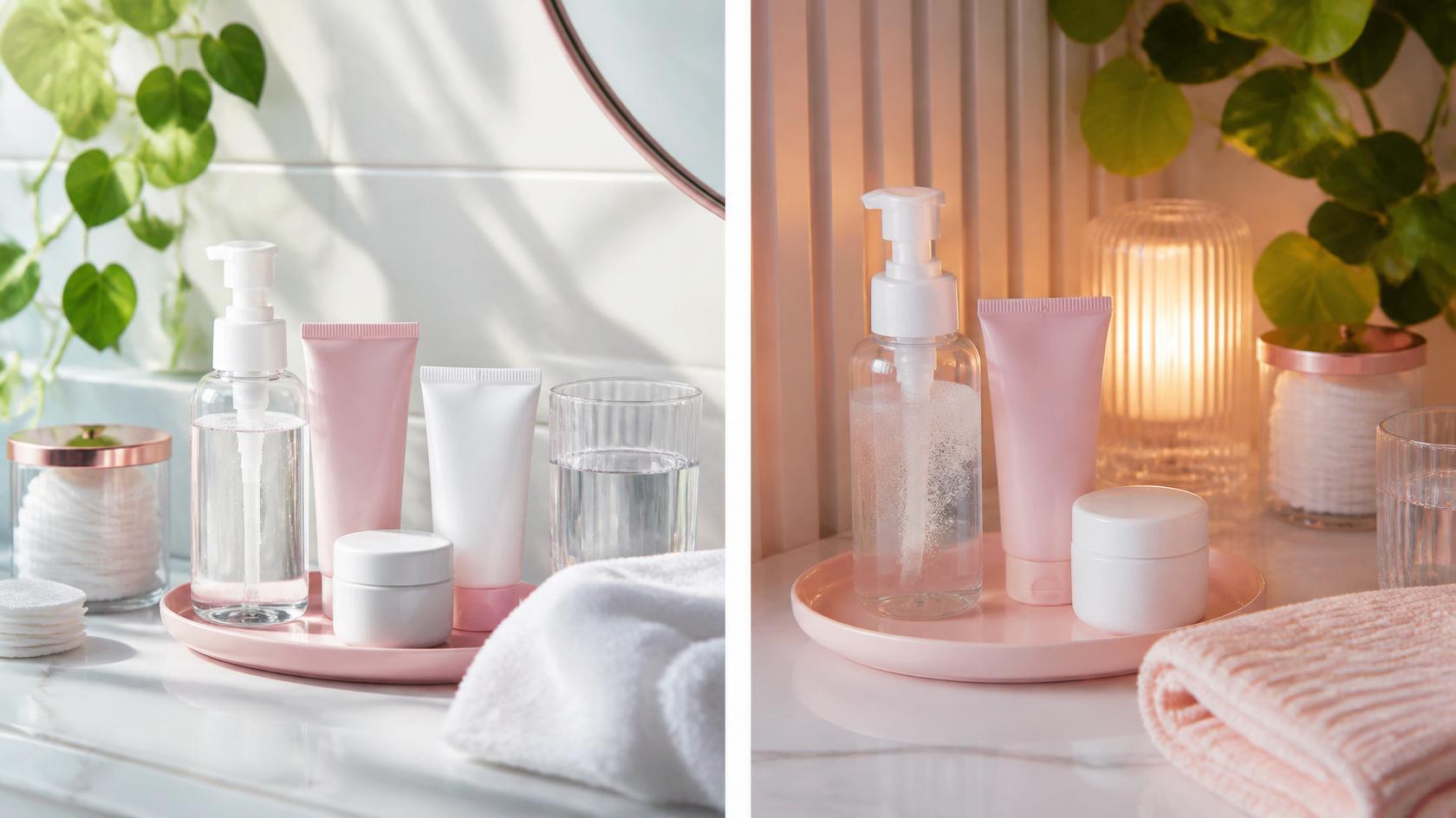
Even a good cleanser can feel harsh if you use it the wrong way. Oily skin does not need rough washing. It needs smart washing.
Morning Routine
- Wet your face with lukewarm water.
- Use a small amount of foaming cleanser.
- Massage gently with your fingertips.
- Rinse well.
- Pat dry with a clean towel.
- Apply lightweight moisturizer.
- Finish with sunscreen.
Evening Routine
- Remove makeup or heavy sunscreen if needed.
- Wash with your foaming cleanser.
- Use treatment products only if they fit your routine.
- Apply a lightweight moisturizer or gel cream.
After Sweat Routine
- Cleanse or rinse after heavy sweating.
- Do not scrub your face with a towel.
- Change sweaty clothing if body breakouts are an issue.
- Use sunscreen again if you are going back outside.
If sweat and weather affect your skin, read heatproof makeup in hot weather, outdoor lifestyles for escaping screens, and outdoor lifestyles and adventure guide.
What to Avoid in a Foaming Cleanser for Oily Skin
Alcohol-Heavy Formulas
Alcohol-heavy cleansers can make oily skin feel dry and irritated. That tight feeling may seem clean at first, but it is not a good long-term goal.
Harsh Scrubs
Gritty scrubs can make oily, acne-prone skin feel more inflamed. If you want exfoliation, use gentle chemical exfoliation carefully and not every day unless your skin tolerates it.
Strong Fragrance
Strong fragrance can irritate some skin types. If your skin is reactive, choose fragrance-free or low-fragrance options.
Squeaky-Clean Finish
Squeaky clean often means too stripped. Your skin should feel fresh, not tight.
Using Too Many Actives
If your cleanser has salicylic acid and your toner has acids and your serum has retinol, your skin may get irritated. Keep your routine balanced.
For gentle beauty routines, see no makeup makeup routine, blurry blush soft glam trend, lip gloss layering for plump lips, and faux freckles trend guide.
Best Foaming Cleanser Match by Oily Skin Concern
| Concern | Choose This | Avoid This |
|---|---|---|
| Very shiny T-zone | Gentle foaming gel cleanser | Heavy cream cleanser that feels coated |
| Oily and acne-prone | Non-comedogenic cleanser, optional salicylic acid | Scrubs and too many actives |
| Oily but sensitive | Fragrance-free low-foam cleanser | Strong fragrance and burning formulas |
| Oily with dehydration | Gentle foam with hydrating support | Skipping moisturizer |
| Oily in humid weather | Clean-rinsing daily cleanser | Letting sweat and sunscreen sit all day |
For makeup and skin balance, explore blurryface makeup and modern beauty flaws, metallic faux freckles beauty idea, Tumblr beauty trends coming back, and American beauty standards guide.
Oily Skin Cleansing Mistakes
Mistake 1: Washing Too Often
Washing five times a day can make your skin feel worse. It may remove oil temporarily, but it can also irritate your barrier.
Mistake 2: Skipping Moisturizer
Many people with oily skin skip moisturizer because they fear shine. A lightweight moisturizer can actually make your routine feel more balanced.
Mistake 3: Using Hot Water
Hot water can make your skin feel stripped. Lukewarm water is usually better for daily cleansing.
Mistake 4: Rubbing With a Towel
Pat dry instead of rubbing. Oily skin can still be sensitive.
Mistake 5: Expecting Cleanser to Do Everything
A cleanser removes buildup. It does not replace sunscreen, moisturizer, acne treatment, sleep, or consistency.
For lifestyle habits that support better routines, read Sunday reset routine that feels realistic, Sunday reset that actually works, silent wellness trend explained, and digital detox wellness trend.
Expert Tips from Sawera Shahid
Sawera Shahid, a beauty, skincare, fashion, and lifestyle writer with 5+ years of experience, recommends choosing a foaming cleanser for oily skin based on comfort first and oil control second. A cleanser that strips your face may look effective for one hour, but it can make your routine harder over time.
- Choose gentle foam, not aggressive foam.
- Cleanse morning and evening, but do not over-wash.
- Wash after heavy sweating when practical.
- Use lukewarm water instead of hot water.
- Moisturize with a light gel or lotion after cleansing.
- Choose fragrance-free if your skin feels reactive.
- Use salicylic acid cleansers carefully if you already use other actives.
- Give your skin two to four weeks before judging a routine change.
Soft Glow Style Internal Reading Map
Use these related Soft Glow Style guides to build a better oily skin, acne care, beauty, wellness, and style routine around your cleanser choice.
Skincare and Acne Routine Links
- best Korean skincare for acne-prone skin
- Korean acne skincare top picks
- Korean skincare sets that actually work
- Korean skincare set for glowing skin
- simple 5 step Korean skincare routine
- how to layer Korean skincare correctly
- Korean beauty standards explained
- best skincare products for routine building
- cloud skin skincare trend
- cloud skin vs glass skin guide
- visible pores are a flex
- visible pores and skin texture guide
- Soft Glow Style beauty hub
Makeup and Soft Beauty Links
- no makeup makeup routine
- blurry blush soft glam trend
- blurryface makeup and modern beauty flaws
- faux freckles trend guide
- metallic faux freckles beauty idea
- lip gloss layering for plump lips
- heatproof makeup for hot weather
- how beauty standards affect mental health
- Tumblr beauty trends coming back
- American beauty standards guide
- American Beauty rose makeup inspiration
- vintage American Beauty rose shade
- popular beauty blogs to follow
- Dime Beauty and Empire Beauty explainer
Hair and Shower Routine Links
- Routine shampoo review for hair care shoppers
- Routine shampoo and conditioner guide
- how to grow hair faster and stronger
Nail Art and Beauty Detail Links
- Soft Glow Style nail art hub
- lifestyle nail bar guide
- lifestyle nail bars and beauty spaces
- best nail polish stickers
- water nails vs chrome nails comparison
- ice cream nails subtle manicure trend
- ice cream nails new flavors
- how to match nail art with skincare
Wellness and Lifestyle Links
- Soft Glow Style lifestyle hub
- Sunday reset routine that feels realistic
- Sunday reset that actually works
- silent wellness trend explained
- digital detox wellness trend
- digital nostalgia is back
- digital nostalgia and MP3 culture
- wellness fridges and beauty storage
- wellness fridges trend guide
- how to start a healthy lifestyle
- importance of a healthy lifestyle
- what is sedentary lifestyle
- romanticize solo life
- lifestyle blog for women and family routines
- outdoor lifestyles for escaping screens
- outdoor lifestyles and adventure guide
- make a studio smell expensive using simple habits
- make a studio smell expensive guide
- decorate with books quiet luxury hack
- decorate with books for a softer home
- aesthetic burnout and vibe curation
- luxury family travel and lifestyle
Fashion and Style Links
- Soft Glow Style fashion hub
- 15 piece capsule closet that feels wearable
- 15 piece capsule closet starter guide
- fashion tips to look stylish
- best fashion tips and tricks
- ethereal fashion in real life
- ethereal girl aesthetic guide
- tomato girl summer style
- tomato girl meets olive green
- underconsumption core minimalist trend
- underconsumption core when minimalism feels real
- coquette core power suits
- power suits and ballet flats
- 80s fashion comeback and power suits
- Boom Boom fashion and 80s revival
- vintage tees and boxers outfit guide
- vintage tees paired with slip skirts
- tapestry hoodie style guide
- mismatched shoes 2.0 pattern guide
- mismatched shoes trend guide
- feral girl fall trend
- Euriental fashion and luxury travel
- Oh So Jack fashion and lifestyle
- science of appearance and men’s grooming
Trending Reads and Site Hubs
- featured Soft Glow Style reads
- Soft Glow Style blog archive
- where to watch True Beauty
- Bold and Beautiful comings and goings
- Sleeping Beauty of Everest truth
- Sleeping Beauty Everest chilling story
- Sleeping Beauty Mount Everest heartbreaking story
Frequently Asked Questions
Is a foaming cleanser good for oily skin?
Yes, a foaming cleanser can be good for oily skin if the formula is gentle and non-stripping. It should remove excess oil, sweat, sunscreen, and buildup without leaving your face tight, hot, flaky, or irritated.
What is the best foaming cleanser for oily skin?
The best foaming cleanser for oily skin is gentle, clean-rinsing, oil-free or non-comedogenic when possible, and comfortable after washing. If you also have acne-prone skin, a formula with salicylic acid may help, but avoid using too many strong actives at once.
How often should I use a foaming cleanser for oily skin?
Most oily skin types can use a foaming cleanser in the morning and evening. You can also cleanse after heavy sweating. Avoid washing too often because over-cleansing can irritate your skin barrier and make your face feel tight or sensitive.
Can oily skin skip moisturizer after cleansing?
No. Oily skin can still need moisturizer. Choose a lightweight, oil-free, non-comedogenic gel or lotion after cleansing. This helps your skin feel comfortable and balanced instead of tight or dehydrated.
Is a gel cleanser better than a foaming cleanser for oily skin?
A gel cleanser may be better if your oily skin is sensitive or combination. A foaming cleanser may feel better if your skin gets very oily, sweaty, or coated with sunscreen. The best choice is the one that cleans without stripping.
What should I avoid in a foaming cleanser?
Avoid harsh scrubs, alcohol-heavy formulas, strong fragrance, and cleansers that burn or leave your skin squeaky clean. Oily skin needs oil control, but it also needs a healthy barrier.
Final Thoughts
A foaming cleanser for oily skin can be a great choice when it is gentle, balanced, and easy to use. Look for a formula that removes oil and sweat without making your face feel tight or irritated. Then support it with a light moisturizer, daily sunscreen, and a simple routine.
The American Academy of Dermatology recommends washing oily skin every morning, evening, and after exercise, while choosing a mild, gentle face wash and avoiding oil-based or alcohol-based cleansers. You can read their guidance here: AAD tips for oily skin.
Final Recap
- Choose a gentle foaming cleanser for oily skin, not a harsh one.
- Your skin should feel fresh and comfortable after washing.
- Avoid alcohol-heavy, scrubby, or strongly fragranced formulas if your skin reacts.
- Use lukewarm water and fingertips.
- Cleanse morning, evening, and after sweating when needed.
- Use lightweight moisturizer after cleansing.
- Keep your routine simple if your skin is oily and acne-prone.