Routine Shampoo Review 2026: Does It Really Work? | Soft Glow Style
🌸 Key Takeaways
- Routine shampoo review 2026 shows that this shampoo may help hair feel cleaner, softer, and fuller-looking, but it is not a medical hair-loss treatment.
- Routine Wellness Shampoo includes ingredients like biotin, caffeine, niacinamide, panthenol, pea peptide, saw palmetto, aloe, and botanical oils.
- If your main concern is dry scalp, look for a gentle shampoo for dry scalp or a hydrating shampoo for dry scalp before chasing viral claims.
- For breakage, the best shampoo for breakage should clean gently while your conditioner, mask, and styling habits do most of the repair work.
- There is no true “chemical free shampoo and conditioner” because every ingredient, including water, is technically a chemical.
- If you have dandruff, flakes, itching, or scalp redness, you may need a medicated shampoo rather than a beauty shampoo.
- If you are asking what shampoo is good for alopecia or hair loss, a dermatologist should help find the cause first.
Routine shampoo review 2026: Routine Wellness Shampoo may be worth trying if you want softer, cleaner, fuller-looking hair and like scalp-focused ingredients. It is best for cosmetic support, not guaranteed hair regrowth. For serious shedding, alopecia, dandruff, or scalp irritation, get professional advice before relying on shampoo alone.
Introduction
Hair products are emotional. That sounds dramatic, but it is true. When your hair feels thin, dry, itchy, frizzy, coarse, or like it is breaking every time you brush it, a shampoo starts feeling like more than a shampoo.
That is why this Routine shampoo review 2026 needs to be honest. Routine Wellness Shampoo has become popular because it looks like a smarter, more targeted haircare choice. It is marketed around fuller-looking hair, scalp-supporting ingredients, and a cleaner beauty routine. For many women, that sounds exactly like what they are looking for.
But here is the thing. Shampoo can help your hair look and feel better. It can clean the scalp, reduce buildup, support moisture balance, and make your hair easier to manage. What it cannot do is magically fix every cause of hair loss, alopecia, dandruff, breakage, hormonal shedding, or dry scalp.
At Soft Glow Style, we like beauty products that feel useful, not just viral. So in this guide, you will learn what Routine Shampoo contains, who it may suit, whether it helps dry scalp or thinning hair, what to compare it with, and when a drugstore or medicated shampoo may be the smarter choice.
For more hair and beauty support, you may also like our Routine shampoo and conditioner review, hair grow faster guide, and beauty category.
What Is Routine Shampoo?
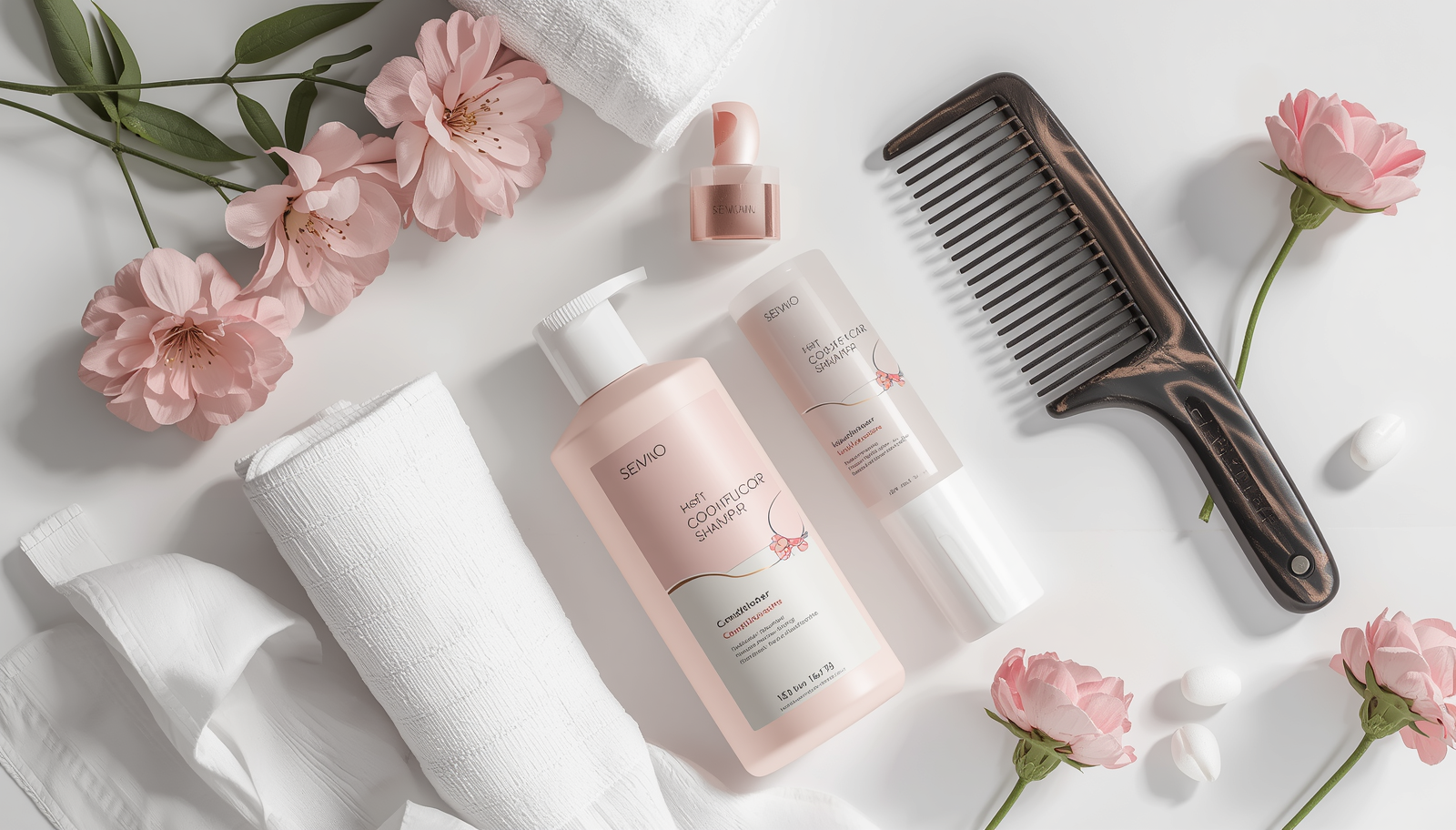
Routine Shampoo, often called Routine Wellness Shampoo, is a haircare product designed for people who want healthier-looking, fuller-feeling hair. It is commonly discussed as a shampoo for thinning hair, hair breakage, dry hair, and scalp support.
The formula includes several beauty-friendly ingredients you may already recognize from skincare and haircare: biotin, caffeine, niacinamide, panthenol, aloe vera, pea peptide, saw palmetto fruit extract, apple fruit extract, coconut oil, argan oil, black seed oil, tea tree oil, sunflower seed oil, and nettle extract.
That ingredient list is one reason people search for a Routine shampoo review 2026. It looks more active than a basic bargain shampoo, but it still needs realistic expectations.
What Makes Routine Shampoo Popular?
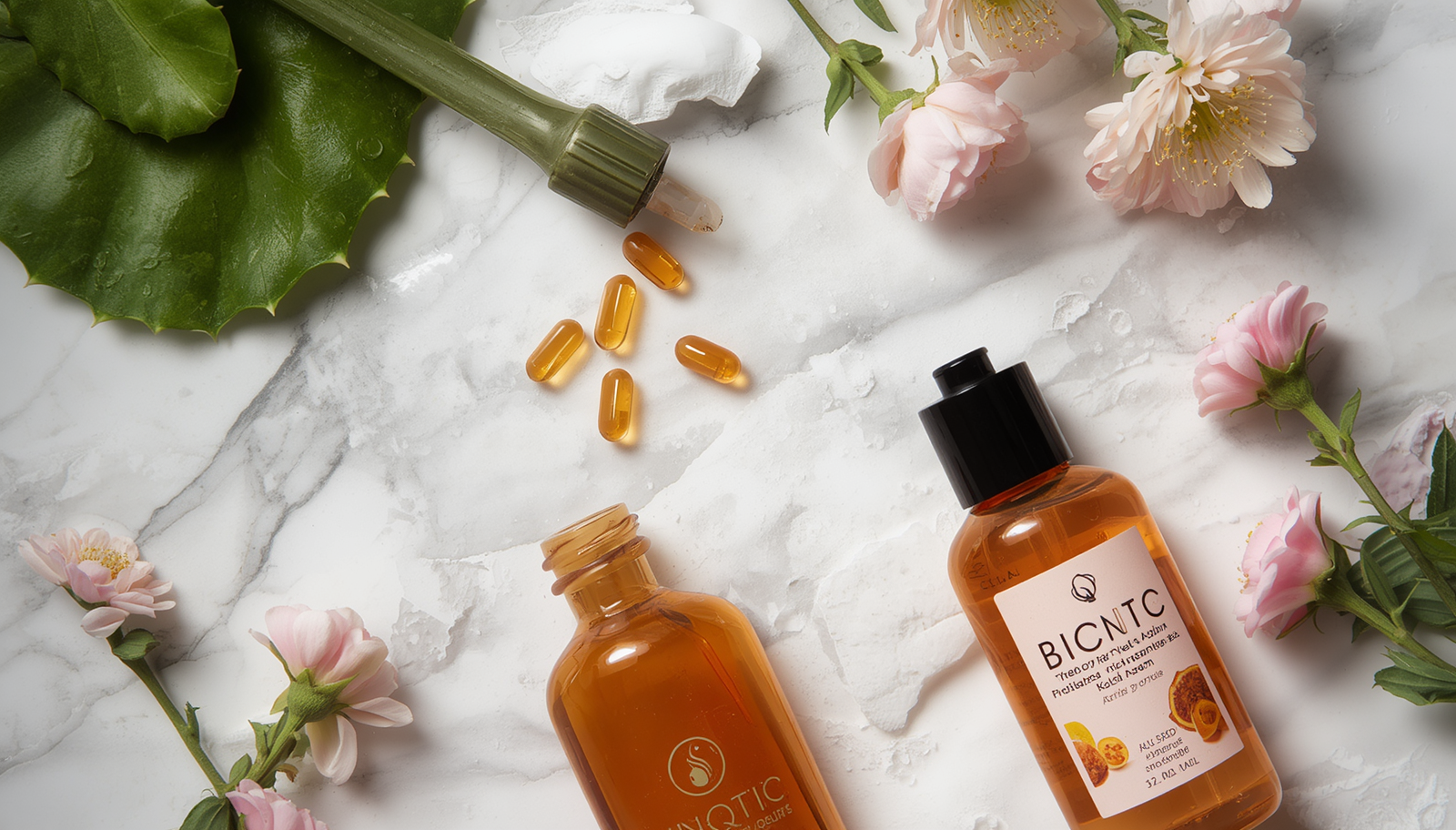
Routine became popular because it sits between beauty haircare and scalp wellness. It feels more targeted than a basic drugstore shampoo, but it is easier to use than a complicated hair-growth routine.
People are often drawn to it because they want:
- Fuller-looking hair
- Less breakage
- A cleaner scalp feel
- More volume
- A shampoo and conditioner for thick hair or thinning hair
- A more “natural” feeling formula
- A product that feels premium without becoming salon-complicated
If you are already trying to simplify your beauty shelf, our underconsumption core guide can help you avoid buying every trending bottle at once.
Is Routine Shampoo a Hair Loss Treatment?
No, Routine Shampoo should not be treated as a guaranteed hair loss treatment. It may support the look and feel of your hair, but it is still a rinse-off shampoo.
If you are asking what is a good shampoo for hair loss, what shampoo is good for alopecia, or which shampoo is best for falling hair, the first step is understanding why your hair is shedding. Hair loss can come from genetics, hormones, iron deficiency, thyroid issues, stress, postpartum changes, illness, medication, scalp disease, tight hairstyles, or breakage.
The American Academy of Dermatology explains that effective hair-loss treatment begins with finding the cause. If shedding is sudden, severe, patchy, or emotionally stressful, a dermatologist is the right person to see.
Who Is Routine Shampoo Best For?
Routine Shampoo may be worth considering if your hair feels:
- Flat or limp
- Dry through the ends
- Fragile from styling
- Coarse and hard to soften
- Dull or weighed down
- Lightly thinning but not medically diagnosed
- In need of a more intentional wash routine
It may not be the best first choice if your scalp is very irritated, flaky, inflamed, painful, or sensitive to fragrance and botanical oils. In those cases, a gentle shampoo for dry scalp, fragrance-free formula, or dermatologist-recommended medicated shampoo may be safer.
Routine Shampoo Review 2026: Ingredient Breakdown
This Routine shampoo review 2026 would not be complete without looking at the ingredient story. Ingredients do not tell you everything, but they help you understand what the product is trying to do.
Routine Shampoo includes cleansing agents, moisturizing ingredients, scalp-focused additives, conditioning helpers, preservatives, and plant extracts. Some ingredients support softness. Some support scalp comfort. Some are there for texture, stability, or product feel.
Biotin
Biotin is one of the most famous haircare ingredients. It is often associated with hair, skin, and nails. In shampoo, though, biotin is a rinse-off ingredient. That means it is not the same as correcting a true biotin deficiency or using a leave-on medical treatment.
Biotin in shampoo may make the formula feel more hair-focused, but it should not be viewed as a guaranteed solution for thinning hair.
Caffeine
Caffeine appears in many scalp and hair products because it is often linked with scalp stimulation and hair follicle research. In a rinse-off shampoo, the real-world impact depends on the formula, concentration, contact time, and your scalp condition.
It is an interesting ingredient, but not magic. I would treat it as a supportive ingredient rather than the whole reason to buy the product.
Niacinamide
Niacinamide is popular in skincare because it supports the skin barrier and can help with the appearance of tone and balance. On the scalp, it may make sense in formulas focused on comfort and barrier support.
If you already like ingredient-led beauty, you may enjoy our cloud skin guide and visible pores are a flex.
Panthenol
Panthenol, also called provitamin B5, is a useful haircare ingredient because it can help hair feel smoother, softer, and more manageable. This makes sense in a product aimed at dry hair, coarse hair, and breakage-prone strands.
If your main issue is roughness, panthenol can be a nice supporting ingredient. Still, your conditioner and styling habits matter too.
Saw Palmetto and Botanical Extracts
Saw palmetto is often marketed in haircare for people concerned about thinning. Routine also includes botanical ingredients like aloe, nettle, apple fruit extract, tea tree oil, coconut oil, argan oil, sunflower oil, and black seed oil.
These ingredients can make a shampoo feel more wellness-based, but botanical-heavy formulas do not suit everyone. Some sensitive scalps react to essential oils, fragrance, or plant extracts. If your scalp burns, itches, flakes, or feels tight after use, stop and reassess.
Does Routine Shampoo Really Work?
The fair answer is: Routine Shampoo may work well for cosmetic hair goals, but it should not be expected to solve every scalp or hair-loss problem.
If you want softer hair, better manageability, a cleaner scalp feel, and fuller-looking volume, it may be worth trying. If you want a shampoo to stop hair loss caused by hormones, alopecia, nutrition issues, or medical causes, shampoo alone is not enough.
What It Can Realistically Help With
Routine Shampoo may help with:
- Cleaning oil and buildup from the scalp
- Making hair feel lighter
- Improving the look of volume
- Supporting softer hair when paired with conditioner
- Reducing roughness if your previous shampoo was too harsh
- Making a thin hair routine feel more intentional
A shampoo can make hair look fuller by cleansing away oil and buildup. That is not the same as growing new hair, but visually it can still make a difference.
What It Cannot Guarantee
Routine Shampoo cannot guarantee:
- Permanent hair regrowth
- A cure for alopecia
- A solution for hormonal shedding
- A cure for dandruff
- Instant repair of split ends
- Medical treatment for scalp inflammation
Mayo Clinic notes that minoxidil is used to stimulate hair growth in adult men and women with certain types of baldness, and results usually take months. That is very different from expecting a regular rinse-off shampoo to work like a proven hair-growth medicine.
How Long Should You Test It?
For softness, shine, and scalp feel, you may notice results after a few washes. For breakage and fuller-looking hair, give it at least four to eight weeks unless your scalp reacts badly.
Stop sooner if you notice:
- Burning
- Scalp redness
- More flakes
- More itching
- Hair feeling coated or heavy
- Extreme dryness
Haircare is personal. A top rated hair thickening shampoo can still be wrong for your scalp.
Routine Shampoo for Dry Scalp and Itchy Scalp
Dry scalp is one of the biggest reasons people search for a new shampoo. But dry scalp can be confusing because dryness, dandruff, buildup, sensitivity, eczema, psoriasis, and seborrheic dermatitis can all create flakes or discomfort.
If you are asking what is a good shampoo for dry itchy scalp, do not choose only by marketing words. Think about symptoms.
Dry Scalp vs Dandruff
| Concern | Common Signs | Shampoo Direction |
|---|---|---|
| Dry scalp | Tightness, small dry flakes, mild itch | Gentle shampoo for dry scalp, hydrating formulas |
| Dandruff | Flakes, itch, oily or irritated scalp | Medicated anti-dandruff shampoo |
| Product buildup | Heavy roots, dull hair, flakes from residue | Clarifying shampoo occasionally |
| Sensitive scalp | Burning, redness, stinging | Fragrance-free gentle shampoo |
| Scalp condition | Persistent redness, thick scale, pain | Dermatologist guidance |
The Mayo Clinic explains that mild dandruff may improve with gentle regular shampooing, but persistent symptoms may need a special medicated shampoo.
Is Routine a Gentle Shampoo for Dry Scalp?
Routine may feel gentle for some users, but it is not automatically the best shampoo for every dry scalp. Its formula includes cleansing agents and botanical ingredients, including tea tree oil, that may feel refreshing to some people and irritating to others.
If your scalp is dry but not inflamed, you may test it carefully. If your scalp is already itchy, red, or flaky, a simple hydrating shampoo for dry scalp or fragrance-free formula may be a better starting point.
What Shampoo Helps With Dry Scalp?
A good shampoo for dry scalp usually has a mild cleansing base and moisturizing or soothing ingredients.
Look for:
- Glycerin
- Aloe vera
- Panthenol
- Ceramides
- Oat extract
- Fragrance-free formulas
- Low-irritation surfactants
If you need a shampoo and conditioner for dry scalp, choose a shampoo that does not strip and a conditioner that softens the hair length without coating your roots too heavily.
What Shampoo Is Good for Dry Scalp and Dandruff?
If you have dry scalp and dandruff together, you may need a dandruff shampoo that does not leave your hair feeling rough. Common anti-dandruff ingredients include ketoconazole, selenium sulfide, zinc pyrithione, and salicylic acid.
Use medicated shampoo according to label directions and do not ignore persistent symptoms. If flakes keep coming back or your scalp is painful, see a dermatologist.
Routine Shampoo for Thick, Coarse, Thin, and Breakage-Prone Hair
Different hair types need different shampoo strategies. A shampoo for thick hair is not always right for thin hair. A shampoo for coarse hair may be too rich for fine hair. A shampoo for thin hair female users love may not soften coarse strands enough.
So let’s break it down.
Routine Shampoo for Thick Hair
If you want a good shampoo for thick hair, look for something that cleans the scalp well without leaving the lengths tangled. Thick hair often needs a good conditioner more than a very rich shampoo.
A shampoo and conditioner for thick hair should:
- Clean the scalp properly
- Help reduce roughness
- Make detangling easier
- Support shine
- Not leave heavy buildup
Routine may suit thick hair if your scalp likes the formula and the conditioner gives enough slip.
Routine Shampoo for Coarse Hair
Coarse hair often needs softness, moisture, and smoothing. If you are searching for shampoo for coarse hair, do not focus only on volume claims. Coarse hair usually benefits from moisturizing shampoo for dry hair and a richer conditioner.
Routine includes conditioning-friendly ingredients like panthenol, glycerin, aloe, coconut oil, and argan oil. Still, if your hair is very coarse, you may need a weekly mask or leave-in conditioner too.
Routine Shampoo for Thin Hair Female Users
For thin hair, the goal is usually body without heaviness. Shampoo for thin hair female routines should clean well, rinse cleanly, and avoid weighing roots down.
Routine may work if your hair does not feel coated after use. Use conditioner mostly on the ends, not the scalp. If your hair gets oily quickly, you may need to alternate with a lighter shampoo.
For styling confidence with thinner hair, our cloud skin and blurry blush guides can help your overall look feel polished without overdoing it.
Best Shampoo for Breakage
The best shampoo for breakage is usually not about one miracle ingredient. Breakage often comes from heat styling, bleach, tight hairstyles, rough brushing, dryness, friction, or weak hair structure.
A breakage-friendly routine should include:
- Gentle shampoo
- Conditioner every wash
- Wide-tooth comb
- Microfiber towel or soft T-shirt drying
- Heat protectant
- Less tight styling
- Occasional bond-building or protein care if needed
Routine may help if your old shampoo was too drying, but the full routine matters more than the shampoo alone.
Routine Shampoo vs Bargain Shampoo and Natural Shampoo
Price does not always decide quality. A best bargain shampoo can work beautifully if it matches your scalp and hair type. A premium shampoo can still disappoint if the formula is wrong for you.
This is where the Routine shampoo review 2026 becomes practical. You do not need to ask only, “Is it good?” You need to ask, “Is it good for my hair, scalp, and budget?”
Routine vs Best Bargain Shampoo
| Feature | Routine Shampoo | Bargain Shampoo |
|---|---|---|
| Price | Higher than many drugstore options | Usually more affordable |
| Main Appeal | Fuller-looking hair and scalp-focused ingredients | Basic cleansing, moisture, volume, or dandruff support |
| Best For | People wanting a targeted beauty shampoo | People who need simple daily haircare |
| Risk | May not justify price for everyone | Some formulas may be too drying or heavy |
| Smart Choice | Try if claims match your needs | Choose by scalp and hair type |
What Is a Good Natural Shampoo?
A good natural shampoo is one that cleans your scalp without leaving your hair irritated, dry, waxy, or heavy. But the word “natural” is not enough. Natural ingredients can still irritate some people, and synthetic ingredients can be safe and useful.
If you are asking what is the best organic shampoo or what is the most natural shampoo, look for formulas that are transparent, gentle, and suited to your scalp. Do not choose only because the label sounds clean.
Is Chemical Free Shampoo and Conditioner Real?
Not really. “Chemical free shampoo and conditioner” is more of a marketing phrase than a scientific one. Everything is made of chemicals, including water, aloe, coconut oil, and plant extracts.
What people usually mean is a shampoo without certain ingredients they personally avoid, such as sulfates, parabens, silicones, synthetic fragrance, or dyes. That is a preference, but it is better to be specific.
If your goal is fewer beauty products and less confusion, our digital detox guide and minimalist lifestyle article can help with the shopping-pressure side of beauty.
How to Use Routine Shampoo Correctly
Even a good shampoo can perform badly if you use it wrong. Technique matters more than most people think.
Step 1: Wet Hair Completely
Do not rush this. Fully wet hair helps shampoo spread better and prevents you from using too much product.
Use lukewarm water. Very hot water can make dry hair and dry scalp feel worse.
Step 2: Shampoo the Scalp, Not the Ends
Apply shampoo to your scalp and massage gently with fingertips. Do not scratch with nails.
Focus on:
- Hairline
- Crown
- Behind the ears
- Nape of neck
- Oily areas
The American Academy of Dermatology recommends applying shampoo mainly to the scalp because shampooing the length of hair can make it dull and coarse. For general hair care guidance, you can read the AAD healthy hair tips.
Step 3: Rinse Very Well
Leftover shampoo can make hair feel itchy, coated, or dull. Rinse longer than you think, especially if your hair is thick or coarse.
If you use styling products, dry shampoo, oils, or heavy leave-ins, you may need a double cleanse occasionally.
Step 4: Use Conditioner Correctly
Conditioner is essential if your hair is dry, thick, coarse, long, color-treated, or prone to breakage.
Apply conditioner mostly to mid-lengths and ends. If your roots get oily or flat, avoid conditioning the scalp unless the product is specifically made for scalp hydration.
Step 5: Dry Hair Gently
Do not rub aggressively with a rough towel. Use a microfiber towel or soft T-shirt and squeeze gently.
Breakage often happens from everyday habits, not just bad products. Be gentle when hair is wet because wet strands can be more fragile.
For a full beauty reset, pair your hair wash routine with our best skincare products, lip gloss layers, and Routine shampoo and conditioner worth it guides.
Best Alternatives to Routine Shampoo
If Routine Shampoo is not right for your scalp, budget, or hair type, there are other directions to consider. You do not have to force a product just because it is popular.
For Dry Scalp
If your main issue is dry head skin shampoo searches, look for soothing and hydrating formulas.
Good product directions include:
- Gentle shampoo for dry scalp
- Hydrating shampoo for dry scalp
- Fragrance-free shampoo
- Moisturizing shampoo for dry hair
- Shampoo and conditioner for dry scalp
Brands to check may include Vanicream, CeraVe, Dove DermaCare, La Roche-Posay, Aveeno, Philip Kingsley, and Briogeo, depending on your scalp needs and budget.
For Dandruff
If your concern is which shampoo good for dandruff, look for medicated anti-dandruff ingredients instead of only beauty claims.
Common directions include:
- Ketoconazole shampoo
- Zinc pyrithione shampoo where available
- Selenium sulfide shampoo
- Salicylic acid shampoo for flaking and buildup
Follow label directions carefully. If symptoms continue, ask a dermatologist, because dandruff-like flakes can sometimes be eczema, psoriasis, seborrheic dermatitis, or product irritation.
For Thinning Hair
If you are asking what shampoo is good for thinning hair or what is the best shampoo for thinning hair females, look for a lightweight formula that does not weigh the roots down.
Helpful directions include:
- Volumizing shampoo
- Lightweight conditioner
- Scalp serum if recommended
- Dermatologist evaluation for true hair loss
- Minoxidil discussion if appropriate
A top rated hair thickening shampoo may make hair look fuller temporarily, but medical thinning needs a cause-based plan.
For Thick and Coarse Hair
If you need shampoo and conditioner for thick hair or shampoo for coarse hair, choose a formula that cleans without making your hair feel stripped.
Look for:
- Moisturizing shampoo
- Rich conditioner
- Leave-in conditioner
- Hair mask once a week
- Anti-frizz serum
For overall style confidence, our ethereal girl aesthetic, vintage tees boxers, and tomato girl summer guides can help your beauty and outfit routine feel more complete.
Common Mistakes to Avoid
The biggest mistake with haircare is expecting one bottle to do everything. Shampoo matters, yes. But scalp health, conditioner, styling, diet, stress, hormones, and genetics can matter too.
Mistake 1: Buying Shampoo Out of Panic
Hair shedding can make you panic-buy. You may suddenly want shampoo to stop hair loss, scalp oil, vitamins, a hair serum, a mask, and three “natural” products by midnight.
Pause. Take photos. Notice your symptoms. Think about recent stress, illness, medication, hormones, styling, or diet changes. Then choose one smart next step.
Mistake 2: Confusing Breakage With Hair Loss
Breakage means the hair strand snaps. Hair loss means hair sheds from the root. They can look similar in the shower, but they are not the same problem.
Breakage needs gentler handling, conditioning, less heat, and sometimes bond-building care. Hair loss needs cause-based evaluation.
Mistake 3: Using Too Much Shampoo
More shampoo does not mean cleaner hair. It can make dry scalp and dry hair feel worse.
Start with a small amount. Add water to build lather. If your scalp is very oily, shampoo twice with small amounts instead of one huge amount.
Mistake 4: Skipping Conditioner
If your hair is dry, coarse, thick, long, bleached, or breakage-prone, conditioner is not optional.
Conditioner improves slip, softness, and manageability. It can also reduce friction when brushing or styling.
Mistake 5: Expecting Natural to Mean Better
Natural does not always mean gentler. Tea tree oil, fragrance, essential oils, and plant extracts can irritate some scalps.
If you have a sensitive scalp, choose boring and gentle over trendy and botanical.
Expert Advice: Is Routine Shampoo Worth It?
Here is the practical verdict for this Routine shampoo review 2026: Routine Shampoo may be worth trying if you want a premium-feeling, scalp-focused shampoo that supports softer, fuller-looking hair. It is less convincing if you expect it to stop hair loss, cure alopecia, or treat dandruff on its own.
Who Should Try It?
Routine may be a good fit if:
- Your hair feels flat but not severely oily
- You want a fuller-looking finish
- Your hair needs softness and body
- You like ingredient-focused beauty products
- Your scalp is not highly sensitive
- You are comfortable paying more than a bargain shampoo price
Who Should Skip It?
You may want to skip it or be careful if:
- Your scalp is very itchy or inflamed
- You have diagnosed alopecia
- You have stubborn dandruff
- You react to fragrance or essential oils
- You need a medicated shampoo
- You want the cheapest possible option
Quick Decision Table
| Your Concern | Routine Shampoo Verdict | Better Direction If Needed |
|---|---|---|
| Flat hair | Worth trying | Lightweight volumizing routine |
| Dry hair | Maybe, if conditioner is enough | Moisturizing shampoo and hair mask |
| Dry scalp | Patch test carefully | Gentle hydrating scalp shampoo |
| Dandruff | Not first choice | Medicated dandruff shampoo |
| Hair loss | Not a main treatment | Dermatologist evaluation |
| Breakage | May support if not drying | Conditioner, mask, heat protection |
Frequently Asked Questions
Does Routine Shampoo really work?
Routine shampoo review 2026 results suggest it may work for softer, cleaner, fuller-looking hair if the formula suits your scalp. It can support the appearance of volume and manageability, but it should not be treated as a guaranteed hair-loss treatment. If you have serious shedding, alopecia, or scalp symptoms, see a dermatologist.
Is Routine Shampoo good for dry scalp?
Routine Shampoo may work for some people with mild dryness, but it is not automatically the best shampoo for dry itchy scalp. If your scalp is sensitive, red, flaky, or burning, start with a gentle shampoo for dry scalp or ask a dermatologist. Botanical ingredients and essential oils can irritate some dry scalps.
What shampoo is good for thinning hair?
A good shampoo for thinning hair should clean the scalp without weighing roots down. Look for lightweight volumizing formulas, gentle cleansing, and a conditioner that does not coat the scalp. If thinning is new, patchy, or worsening, shampoo is not enough. A dermatologist can check for hormonal, nutritional, genetic, or scalp-related causes.
What shampoo is good for alopecia?
If you are asking what shampoo is good for alopecia, it is important to know that alopecia is a medical hair-loss condition, not just a shampoo problem. A gentle shampoo can support scalp comfort, but it will not cure alopecia. Treatment depends on the type of alopecia, so a dermatologist should guide your plan.
Which shampoo is best for falling hair?
The best shampoo for falling hair depends on whether the issue is true shedding or breakage. If hair falls from the root, you need to find the cause. If hair snaps along the strand, focus on breakage repair, conditioner, less heat, and gentle handling. A shampoo can support the routine, but it cannot fix every cause.
What is a healthy shampoo?
A healthy shampoo is one that cleans your scalp without leaving it irritated, dry, itchy, oily, or coated. The healthiest shampoo for your hair depends on your scalp type, hair texture, styling habits, and sensitivities. For some people, that means a hydrating shampoo. For others, it means a lightweight, fragrance-free, or medicated formula.
Is chemical free shampoo better?
“Chemical free shampoo” is not technically accurate because all ingredients, including water and plant extracts, are chemicals. What matters more is whether a formula avoids ingredients you personally dislike or react to. A gentle, well-formulated shampoo is usually more useful than a label that simply says natural, organic, or chemical free.
What is the best shampoo for breakage?
The best shampoo for breakage is gentle enough not to strip the hair, but shampoo alone will not repair breakage. Use conditioner, detangle carefully, reduce heat styling, avoid tight hairstyles, and consider a weekly mask. If your breakage comes from bleach or heat damage, you may need bond-building products or a haircut plan too.
Final Thoughts
This Routine shampoo review 2026 comes down to expectations. Routine Shampoo may be a lovely option if you want a more targeted haircare routine and your goals are softer strands, cleaner roots, better manageability, and fuller-looking hair.
It has an appealing ingredient list with biotin, caffeine, niacinamide, panthenol, aloe, saw palmetto, pea peptide, and botanical oils. That makes it feel more thoughtful than a basic bottle. Still, it is not a medical treatment, and it should not be your only plan for serious hair loss, alopecia, dandruff, or scalp inflammation.
If your scalp is calm and your hair needs a little more body, Routine may be worth testing for four to eight weeks. If your scalp is itchy, flaky, painful, or your hair loss feels unusual, get answers first.
The best shampoo is not always the most viral one. It is the one your scalp tolerates, your hair responds to, and your routine can actually keep using.
You Might Also Love
- Routine Shampoo and Conditioner – A helpful companion review if you want the full duo breakdown.
- Hair Grow Faster – A realistic guide to stronger hair habits beyond shampoo.
- Best Skincare Products – A simple beauty guide for building a better self-care routine.
- Cloud Skin – A soft beauty trend for fresh, polished skin.
- Visible Pores Are a Flex – A real-skin guide for beauty confidence.
- Faux Freckles Trending – A soft makeup detail that pairs beautifully with healthy hair days.
- Lip Gloss Layers – Easy lip ideas for a polished everyday look.
- Blurry Blush – A natural-looking blush trend for soft beauty routines.
- Underconsumption Core – A lifestyle guide to buying fewer but better beauty products.
- Beauty – Explore more product reviews, routines, and beauty trend guides.