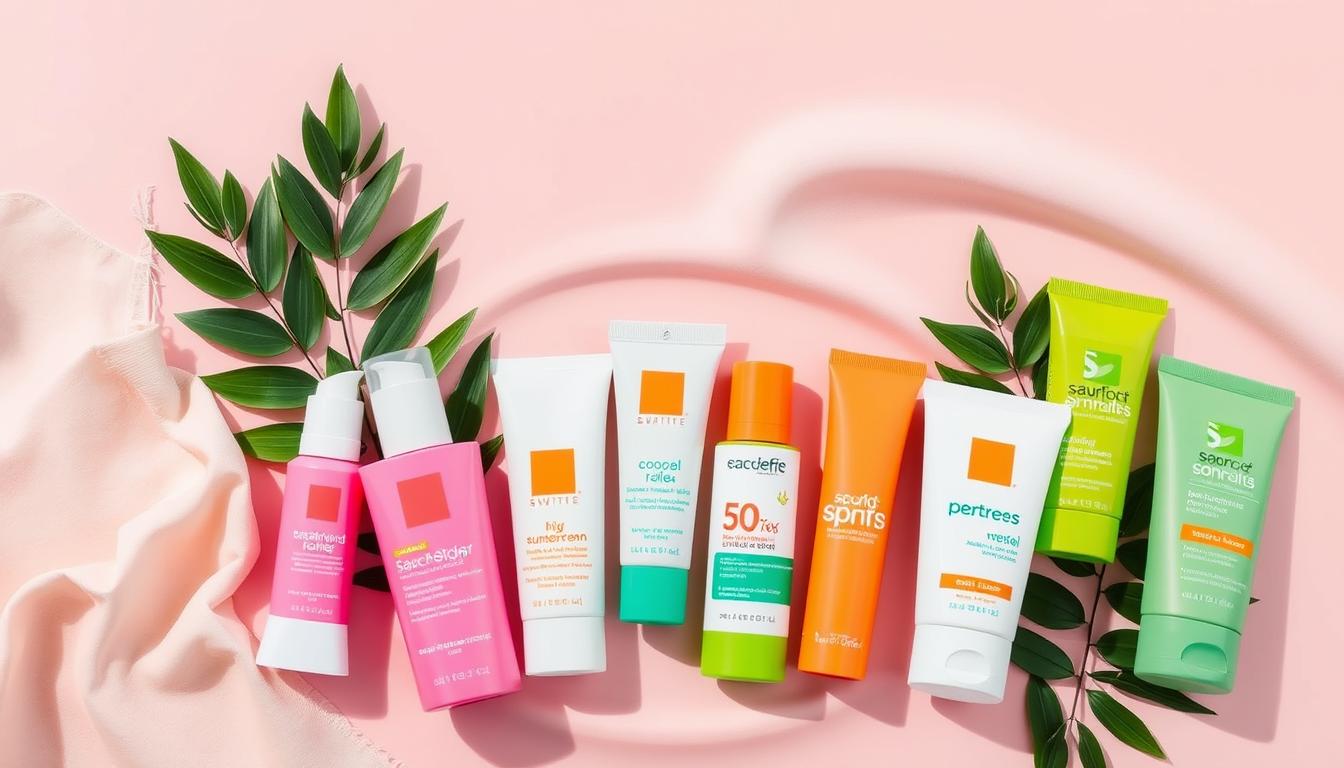
Finding the ideal protection for your skin does not require a luxury budget. Focus on active ingredients and texture to find a high-quality best drugstore face sunscreen for your needs.
This guide helps you find a reliable sunscreen for daily use while shopping. We compare SPF levels, skin types, and finishes to help your choice work with makeup.
Consistent application helps prevent premature aging and maintain skin health. While exploring these accessible options, review our top-rated skincare essentials to build a complete regimen. Our goal is clear, practical advice for confident shopping and effective, comfortable protection.
Key Takeaways
- Prioritize broad-spectrum protection to guard against both UVA and UVB rays.
- Match the formula texture to your skin type for a comfortable, non-greasy finish.
- Check for non-comedogenic labels if you are prone to breakouts or clogged pores.
- Ensure your chosen product layers smoothly under foundation or tinted moisturizers.
- Apply a generous amount every morning to maintain consistent skin health throughout the day.
Key Takeaways
Choosing an effective sunscreen is the most important step in your daily skincare routine. With many local drugstore options, finding a reliable daily wear sunscreen within your budget is easier than ever.
What to Look for in an Affordable SPF for Face
When seeking an affordable SPF for face, choose a formula that feels comfortable on your skin. Heavy or greasy products may discourage you from applying sunscreen every morning.
- Texture: Look for lightweight lotions or gels that absorb quickly.
- Ingredients: Check for hydrating components like hyaluronic acid or soothing niacinamide.
- Value: Compare the price per ounce to ensure you are getting the best deal for your money.
Why Broad-Spectrum SPF 30 or Higher Matters
Dermatologists generally recommend at least SPF 30 for protection against harmful UV rays. The broad-spectrum label confirms protection from both UVA and UVB rays.
This protection helps prevent premature aging and lowers the risk of skin damage. Consistency matters more than the specific brand you choose.
How Skin Type, Finish, and Makeup Compatibility Affect Your Choice
Your skin type helps determine the best finish for your needs. For oily skin, choose matte or oil-free formulas to prevent shine during the day.
People with dry skin often need moisturizing, dewy finishes for extra hydration. If you wear cosmetics often, you may want to explore options that layer well under makeup without pilling or separating. The best product fits your lifestyle and helps you feel confident.
Quick Answer: How to Choose the Best Drugstore Face Sunscreen
Choosing the best drugstore face sunscreen means balancing strong protection with personal comfort. You can find affordable care that keeps your skin healthy and shields it from harmful UV rays.
Direct Answer for Daily Sunscreen Shopping
Look for a label stating broad-spectrum protection and an SPF of at least 30. This protects against both UVA and UVB rays throughout the day.
Choose a product you enjoy wearing every morning. A heavy formula or greasy residue can make regular use less likely.
Best General Criteria for a Top-Rated Facial Sunblock
Judge a top-rated facial sunblock by its performance, not its marketing claims. Consider how it feels and fits your lifestyle.
Choose a finish, such as matte, dewy, or invisible, that suits your skin type. Quality options may contain hyaluronic acid or soothing agents for sensitive skin.
Fast Checklist for Comparing Drugstore Beauty Products
When browsing drugstore beauty products, use this checklist to narrow your choices. These points make it easier to compare items before buying.
- SPF Level: Ensure it is SPF 30 or higher.
- Broad-Spectrum: Check for this specific label to guarantee full coverage.
- Skin Type: Match the formula to your oily, dry, or combination skin.
- Cost Per Ounce: Calculate the value rather than just looking at the sticker price.
- Makeup Compatibility: Test if the formula pills or sits well under your foundation.
| Feature | What to Look For | Why It Matters |
|---|---|---|
| SPF Rating | 30 or Higher | Ensures adequate UV defense |
| Finish | Matte or Radiant | Affects daily comfort and look |
| Water Resistance | 40-80 Minutes | Vital for sweating or swimming |
| Value | Cost Per Ounce | Helps identify the best deal |
Follow these steps to choose a top-rated facial sunblock that meets your needs. The best drugstore beauty products offer reliable protection and fit smoothly into your daily routine.
If you enjoy this topic, you may also like our guides on best skincare products of all time, best korean skincare for acne-prone skin in, foaming cleanser for oily skin, bronzer for dark skin and serum at night.
What “Best Drugstore Face Sunscreen” Means in Simple Words
Finding the right sun protection can be simple and affordable. The “best” choice depends on your skin type, lifestyle, and preferences.
A high-quality product is one you enjoy using every day. When a formula fits your budget and routine, you are more likely to use protection consistently.
Affordable Does Not Mean Low Quality
Many shoppers think a higher price guarantees better results, but this is often wrong in skincare. An affordable SPF for face can provide the same protection as luxury brands and feel excellent on skin.
Modern drugstore formulas are lightweight and non-greasy. Many include ingredients like hyaluronic acid or niacinamide to hydrate skin while shielding it from the sun.
Daily Wear Sunscreen Versus Beach Sunscreen
It helps distinguish products for your morning commute from those for intense outdoor activities. A daily wear sunscreen is usually invisible under makeup and comfortable for long hours in an office or indoors.
In contrast, beach sunscreens are made for intense exposure. These formulas focus on strong water resistance and are often thicker, so they stay put while swimming or sweating.
- Daily wear: Lightweight, non-comedogenic, and makeup-friendly.
- Beach wear: Highly water-resistant, durable, and designed for direct sun exposure.
How SPF, Broad-Spectrum Coverage, and Water Resistance Differ
Understanding technical terms on your bottle helps you choose wisely. SPF, or Sun Protection Factor, measures how well a product protects skin from UVB rays, which mainly cause sunburn.
Broad-spectrum coverage matters because it protects against both UVA and UVB rays. UVA rays contribute to premature aging, while UVB rays cause surface damage.
Water resistance is a specific claim that tells how long protection lasts in water or while sweating. Always check whether the label rates 40 or 80 minutes of resistance; this guides your reapplication schedule.
For more ideas in the same style, read korean skincare for humid weather, what do lip masks do, face wash for fungal acne, sunblock black skin and does nuface really work.
How to Read a Facial Sunscreen Label
Reading a sunscreen bottle can feel like solving a secret code. Learning these details helps you choose the protection your skin needs. Whether you want a dermatologist-recommended sunscreen or a budget-friendly option, the label guides your choice.
Check the SPF Number and Broad-Spectrum Statement
The Sun Protection Factor (SPF) number shows how well the product shields skin from UVB rays. A higher number usually offers more protection, but you still need to reapply often. Also, confirm that the bottle clearly says “broad-spectrum” coverage.
This term means the formula protects against both UVA and UVB rays. UVA rays cause premature aging, while UVB rays mainly cause sunburns. Both types can harm skin, so broad-spectrum protection matters for daily use.
Understand Mineral and Chemical UV Filters
Sunscreens use active ingredients to block or absorb UV radiation. These ingredients fall into two main groups, and your choice may depend on how your skin reacts to different textures.
Common Mineral Filters: Zinc Oxide and Titanium Dioxide
Mineral filters rest on the skin and physically deflect rays. The most common are Zinc oxide and titanium dioxide. They often suit people seeking sun protection for sensitive skin because they are less likely to cause irritation.
Common Chemical Filters Used in U.S. Sunscreens
Chemical filters absorb UV rays and turn them into heat, which leaves the skin. Common ingredients include avobenzone, octisalate, and homosalate. These formulas feel lightweight and blend easily without leaving a white cast.
| Filter Type | Mechanism | Best For |
|---|---|---|
| Mineral | Physical Block | Sensitive Skin |
| Chemical | UV Absorption | Daily Wear |
| Hybrid | Combined Action | All-Day Comfort |
Look for Fragrance, Alcohol, and Other Personal Triggers
If your skin reacts easily, check the ingredient list for possible irritants. Fragrances and some drying alcohols can cause redness or stinging. Finding these triggers early helps prevent discomfort and protects your skin barrier.
Know When Water Resistance Is Useful
Water resistance matters if you plan to stay active outdoors. It means the product keeps its SPF level for a set time while you sweat or swim. Check whether it promises 40 or 80 minutes, and reapply after towel-drying because no sunscreen is waterproof.
How to Compare the Best Drugstore Face Sunscreen Options
Compare key product details side by side to find a reliable protector for daily use. A top-rated facial sunblock may not suit every complexion or routine because skin needs differ. Reading labels carefully helps you protect your skin over time.
Comparison Table: SPF, Finish, Skin Type, and Key Features
| Product | SPF | Finish | Best For |
|---|---|---|---|
| CeraVe AM Lotion | 30 | Natural | Normal to Dry |
| Neutrogena Serum | 60+ | Invisible | All Skin Types |
| La Roche-Posay Melt-in | 60 | Velvety | Sensitive/Dry |
| Vanicream Moisturizer | 30 | Natural | Sensitive Skin |
CeraVe AM Facial Moisturizing Lotion SPF 30
This lotion adds moisture and sun protection in one product. It suits people who want a simple two-in-one product for their morning routine.
Neutrogena Invisible Daily Defense Face Serum SPF 60+
This serum feels light and absorbs quickly. It suits people who dislike the heavy feel of traditional creams.
La Roche-Posay Anthelios Melt-in Milk Sunscreen SPF 60
This formula offers high protection with a non-greasy finish. It remains a daily favorite among many drugstore beauty products.
Vanicream Facial Moisturizer Broad Spectrum SPF 30
This formula uses few ingredients to help reduce irritation. It often suits people with highly reactive or sensitive skin.
Compare Texture, White Cast, and Makeup Wear
Test how a new product feels under your foundation or concealer. Some thick formulas may pill, while others create a smooth base for your 5-step Korean skincare routine. Check for a white cast, especially if you have a deeper skin tone.
Compare Cost Per Ounce Instead of Sticker Price Alone
Do not use the sticker price alone when choosing the best drugstore face sunscreen. A larger bottle may cost more, but it often offers better value per ounce than a smaller tube. Price per unit helps you compare drugstore beauty products fairly and stay within your budget.
Related reading: how to use a lip scrub without irritating your lips, dermaplaning for sensitive skin, hydrating face mask for dry skin, skincare infused makeup and does argan oil clog pores.
Choose Sunscreen for Your Skin Type and Preferred Finish
Choosing an affordable SPF for face product means knowing how formulas suit your complexion. Comfortable products are easier to wear every day. Daily use matters most for long-term skin health.
Best Options for Dry or Dehydrated Skin
If your skin feels tight or flaky, choose formulas with hydrating ingredients such as hyaluronic acid or glycerin. These creams often leave a dewy finish and keep your face supple all day. Avoid alcohol-heavy sprays because they can remove needed moisture.
Best Options for Oily or Combination Skin
For oily or combination skin, choose lightweight, oil-free lotions. They absorb quickly without clogging pores or leaving a greasy residue. Look for labels mentioning a matte or satin finish to help control shine.
Sun Protection for Sensitive Skin
Effective sun protection for sensitive skin often uses mineral filters, such as zinc oxide or titanium dioxide. These ingredients sit on the skin instead of soaking in, which may lower irritation risk. Choose fragrance-free, hypoallergenic formulas to keep your skin barrier calm.
Options for Deep Skin Tones and White-Cast Concerns
Finding sunscreen that disappears on deeper skin tones can be challenging. Chemical sunscreens are often the most transparent choice because they leave no chalky residue. If you prefer mineral options, choose tinted formulas that blend with your natural skin tone.
How to Choose a Natural, Radiant, Matte, or Invisible Finish
Your preferred finish depends on your makeup routine and personal style. A radiant finish suits a “no-makeup” look, while a matte finish creates a smooth base for foundation. Invisible formulas suit people who want no product trace on their skin.
Best for and Avoid If: A Practical Decision Guide
Use this guide to narrow choices based on your specific skin needs. These are general guidelines, not strict rules for everyone.
| Skin Type | Best Finish | Key Ingredient | Avoid If |
|---|---|---|---|
| Dry | Radiant | Hyaluronic Acid | High Alcohol Content |
| Oily | Matte | Niacinamide | Heavy Oils |
| Sensitive | Natural | Zinc Oxide | Fragrance |
| Deep Tone | Invisible | Chemical Filters | Thick Mineral Pastes |
Want to keep going? Explore raw honey mask for face, ice water face dip, what is tinted moisturizer, visible pores are a flex and blurryface makeup flaws.
How to Add Face Sunscreen to Your Morning Routine
Building a steady habit with your sunscreen for daily use supports your skin health over time. Consistent use helps prevent early aging and supports a healthy complexion. A clear routine helps shield your skin throughout the day.
Step One: Apply Skincare Before Sunscreen
Begin by cleansing your face and applying your usual serums or moisturizers. Let these products absorb fully before applying sun protection. This creates a clean, hydrated base that helps your daily wear sunscreen glide on smoothly without pilling.
Step Two: Use Enough Product for Your Face and Neck
Many people use too little product, which greatly lowers their protection. Apply a generous layer that evenly covers all exposed areas.
Use the Two-Finger Method for Face and Neck
The two-finger method offers a simple way to measure the right amount. Squeeze two strips of sunscreen along your index and middle fingers. This amount usually covers your entire face and neck effectively.
Adjust the Amount Around the Hairline and Ears
Do not stop applying sunscreen at the center of your face. Spread it carefully around your hairline and ears, which people often miss and sun damage can affect. Full coverage matters as much as the American beauty rose symbol of timeless elegance in your skincare routine.
Step Three: Let the Formula Set Before Makeup
After applying your daily wear sunscreen, wait at least one to two minutes before applying makeup. This pause lets the protective film form properly on your skin. Rushing may wipe away the product or make your foundation streak.
Step Four: Reapply During Outdoor Time
Sunscreen is not a “set it and forget it” product, especially outdoors. Reapply your sunscreen for daily use every two hours, or after sweating or swimming. A travel-sized bottle in your bag makes this habit easier while you are away from home.
Step Five: Pair Sunscreen With Hats, Shade, and Sunglasses
SPF provides your main defense, while physical barriers add protection. Wide-brimmed hats and quality sunglasses help protect the delicate skin around your eyes and forehead. Seeking shade during peak UV hours further reduces your exposure to harmful rays.
| Application Step | Best Practice | Why It Matters |
|---|---|---|
| Measurement | Two-finger rule | Ensures full SPF coverage |
| Timing | Wait 2 minutes | Prevents makeup smearing |
| Reapplication | Every 2 hours | Maintains active protection |
| Accessories | Hats and shades | Reduces direct UV impact |
Common Drugstore Sunscreen Mistakes to Avoid
Even excellent products can fail when used incorrectly. Common habits can weaken your protection without you noticing. Change your routine so your daily wear sunscreen gives full coverage.
Using Too Little Product
Most people apply less sunscreen than recommended. To get the bottle’s listed SPF, apply about a nickel-sized dollop to your face alone. Using enough product gives you the intended UV protection.
Applying Sunscreen Only on Sunny Beach Days
UV rays reach your skin on cloudy days and through office windows. Make sunscreen for daily use a required part of your morning routine for long-term skin health. Do not wait for a beach trip to protect your complexion.
Forgetting the Neck, Ears, Hairline, and Hands
It is easy to focus on your cheeks and nose while missing your face and neck. UV damage often appears first on the ears, back of the neck, and tops of your hands. Extend your application to these missed spots for complete coverage.
Choosing a Formula That Irritates Your Skin
If sunscreen stings or causes breakouts, you may not wear it often. Choose fragrance-free or mineral-based options if your skin reacts easily. Finding a comfortable formula helps you keep a healthy habit.
Relying on Makeup or Moisturizer SPF Alone
Makeup with SPF is helpful, but it rarely gives enough coverage for real protection. You would need an unrealistic amount of foundation to match dedicated sunscreen coverage. Layering a dedicated SPF under makeup is the safest approach.
Skipping Reapplication After Sweating or Swimming
Sunscreen breaks down over time, especially during activity or outdoor time. If you sweat or swim, reapply every two hours to keep your protection strong. Consistent reapplication is essential when you spend significant time in the sun.
Readers who liked this also checked out cloud skin is the new glass skin, layer korean skincare easily, vintage tees paired with slip skirts, best korean skincare for acne and lip gloss layers.
Expert Tips from Sawera Shahid for Better Daily Sun Protection
Sawera Shahid shares practical tips for improving your daily sun protection and skin health. Make sunscreen part of your morning routine instead of a chore. Consistent, comfortable use helps protect your skin all year.
Build a Routine You Will Actually Use Every Morning
The best protection is sunscreen you apply every day. Add it to your morning routine after brushing your teeth or using moisturizer. An automatic routine makes skipping sunscreen less likely.
Choose Comfort Before Extra Features
Some products include anti-aging ingredients or brightening agents, but comfort should come first. Heavy or greasy formulas may make you stop using sunscreen. Choose a pleasant texture to support long-term daily use.
Use Separate Products When Your Face and Body Need Different Textures
Your face may need a different formula than your body to prevent breakouts or irritation. A facial product can provide your preferred matte or dewy finish. Using separate products can make daily application easier.
Patch-Test New Formulas When Your Skin Is Reactive
Effective sun protection for sensitive skin often starts with a simple patch test. Apply a small amount to your inner arm or behind your ear for 24 hours. This test can reveal reactions before you use the product on your whole face.
Replace Sunscreen When It Expires or Changes in Texture
Sunscreen does not last forever in your medicine cabinet. If it separates, changes color, or expires, it may not provide the protection listed on its label. Check the package to keep your dermatologist-recommended sunscreen effective.
When to Ask a Dermatologist About Persistent Irritation
Seek professional advice if redness, itching, or breakouts continue after trying different formulas. A dermatologist can identify ingredients that trigger your sun protection for sensitive skin issues. Stop experimenting if your skin does not improve.
| Habit Category | Recommended Action | Why It Matters |
|---|---|---|
| Consistency | Apply at the same time daily | Builds a lasting habit |
| Comfort | Select preferred texture | Ensures daily compliance |
| Safety | Perform patch tests | Prevents allergic reactions |
| Maintenance | Check expiration dates | Guarantees UV protection |
You can also browse visible pores are the new filter—own your texture, best powder foundation, nail color trends, clarifying shampoo for bleached hair and routine shampoo review for more inspiration.
Conclusion
Finding the best drugstore face sunscreen means choosing a formula you will use consistently. Choose broad-spectrum protection with at least SPF 30 to guard against harmful rays. Pick a texture that suits your skin type, from a matte finish to a hydrating glow.
Effective sun protection takes more than one morning application. Apply enough product to cover your face and neck thoroughly, then reapply throughout the day. Reapply especially after outdoor time or physical activity, so your daily wear sunscreen stays effective against environmental damage.
Choose comfort and skin compatibility over flashy marketing or high price tags. A reliable sunscreen for daily use works best with physical barriers, such as wide-brimmed hats and sunglasses. Build an effortless year-round routine, and choose a product you like to protect your skin health long term.
Frequently Asked Questions
What should I look for when choosing the best drugstore face sunscreen for my daily routine?
When choosing the best drugstore face sunscreen, prioritize a formula with broad-spectrum protection and SPF 30 or higher. Match it to your skin type: choose oil-free formulas for acne-prone skin or hydrating lotions for dry skin. Also, check that it layers well with other drugstore beauty products.
Is an affordable SPF for face as effective as high-end luxury brands?
Yes, an affordable SPF for face can work as well as expensive alternatives. In the United States, all sunscreens are regulated to meet their stated SPF claims. Many top-rated facial sunblock options from brands like Neutrogena and CeraVe provide excellent protection and cosmetic elegance without luxury prices.
How do I find the best sun protection for sensitive skin at the drugstore?
For sun protection for sensitive skin, choose a dermatologist-recommended sunscreen labeled fragrance-free and hypoallergenic. Mineral formulas with zinc oxide or titanium dioxide, such as Vanicream Facial Moisturizer SPF 30, often cause less irritation or stinging than chemical filters.
Can I use daily wear sunscreen under my makeup without it pilling?
Absolutely. For makeup, choose “invisible” or “serum” textures, such as Neutrogena Invisible Daily Defense. Let the sunscreen set for two to three minutes before foundation to prevent pilling and keep its protective film intact.
How much sunscreen for daily use do I actually need to apply to my face?
To get the bottle’s full protection, use about half a teaspoon for your face and neck. Many people measure sunscreen for daily use with the “two-finger method.” Apply two strips along your index and middle fingers, then blend them over your skin, ears, and hairline.
Does a top-rated facial sunblock still require reapplication if I am indoors?
If you sit near windows, UVA rays can reach your skin, so daily wear sunscreen matters indoors. You may not need to reapply as often as at the beach. Still, reapply your affordable SPF for face after outdoor time, sweating, or towel-drying your face.
Why should I choose a dermatologist-recommended sunscreen over generic options?
Choosing a dermatologist-recommended sunscreen often means it helps limit clogged pores and allergic reactions. Professionals often suggest brands like La Roche-Posay and CeraVe. They combine effective UV filters with helpful ingredients, such as ceramides and hyaluronic acid.
Are drugstore beauty products like SPF moisturizers enough for full protection?
An SPF moisturizer can be the best drugstore face sunscreen for a simple routine if you apply enough. However, many people apply moisturizer too thinly. Use the full recommended amount to get the labeled broad-spectrum protection.