
Key Takeaways
- How to use a lip scrub safely depends on gentle pressure, low frequency and proper moisture afterward.
- Lip scrubs can help remove mild surface flakes, but they are not the best choice for cracked, bleeding, raw or painful lips.
- Use lip scrub on clean, slightly damp lips so the exfoliating grains feel less harsh.
- Massage lightly for a few seconds only, then rinse or wipe away the scrub gently.
- Always apply lip balm, ointment or a lip mask after exfoliating to help protect the lips.
- Most people do not need lip scrub daily. Over-scrubbing can make dryness and irritation worse.
- If your lips stay painful, peeling, crusty or inflamed, skip scrubs and consider dermatologist advice.
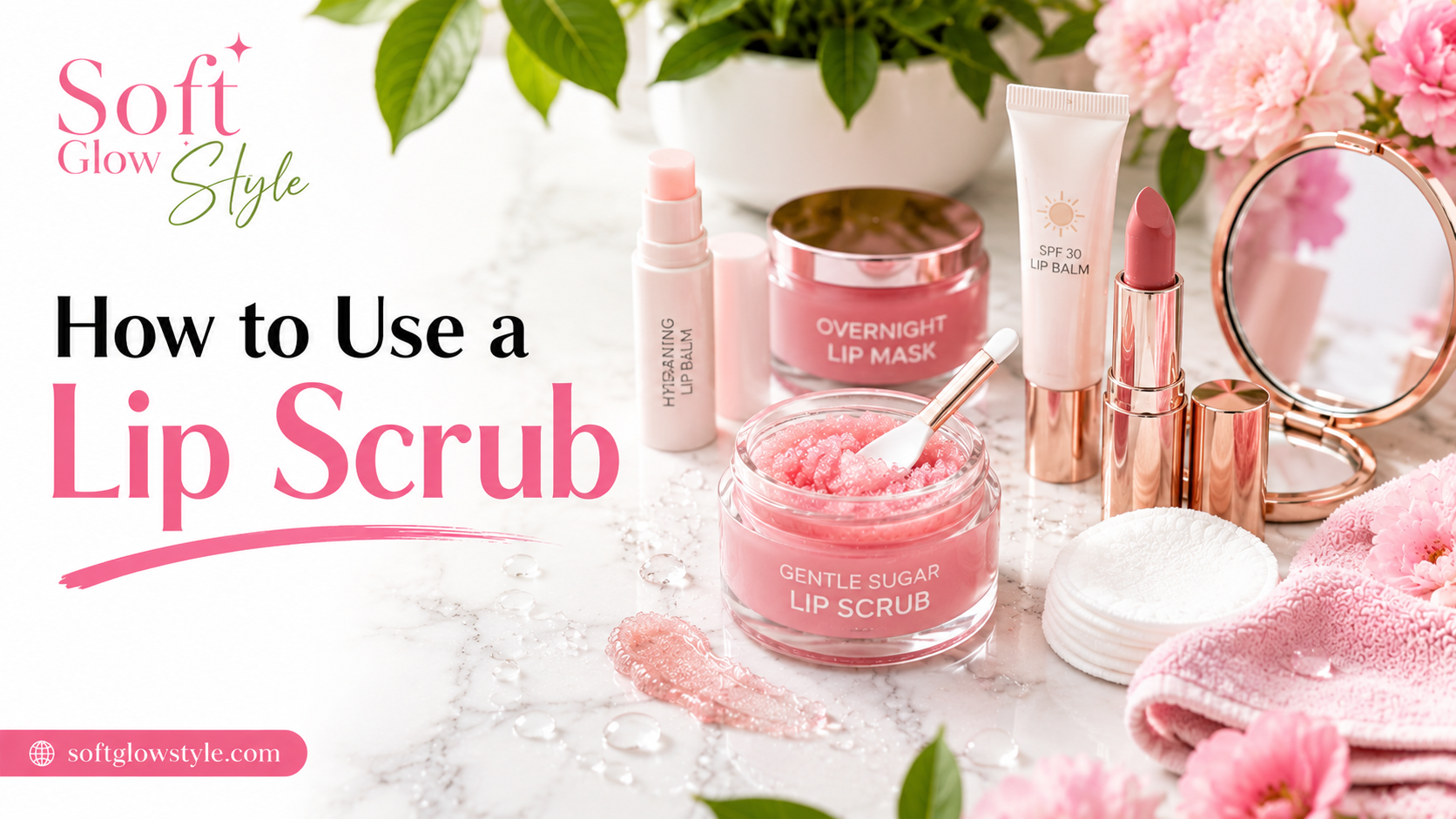
How to use a lip scrub without irritating your lips is all about being gentle. Lip scrubs can make lips feel smoother before lipstick, help remove mild flakes and make lip balm sit more evenly. But lips are delicate, and scrubbing too hard can quickly turn a simple lip care step into redness, burning, peeling or more dryness.
A lip scrub is not something your lips need every day. It is a small occasional step for mild flakiness, not a fix for cracked or damaged lips. If your lips are split, bleeding, stinging, swollen or very chapped, the best move is usually to skip exfoliation and focus on healing with a simple non-irritating lip balm or ointment.
This guide explains when to use a lip scrub, when to avoid it, how often to exfoliate, what to apply afterward and how to keep your lips soft without overdoing the routine.
How to Use a Lip Scrub: The Gentle Rule
The gentle rule is simple: lip scrub should polish, not punish. You should never feel burning, rawness or pain while using one. If your lips feel sore afterward, you scrubbed too hard, used it too often or used it when your lips were already too irritated.
The American Academy of Dermatology recommends using non-irritating lip products for chapped lips, avoiding ingredients that sting or irritate, and applying petroleum jelly for very dry, cracked lips. AAD also recommends SPF 30 or higher lip balm outdoors. Read the AAD dry, chapped lips guide for dermatologist-backed lip care advice.
For more lip and skincare support, read what do lip masks do, hydrating face mask for dry skin, and serum at night.
What Is a Lip Scrub?
A lip scrub is an exfoliating product made to remove mild surface flakes from the lips. Most lip scrubs use small physical grains, such as sugar or other polishing particles, mixed with oils, butters or balm-like ingredients.
The goal is to smooth the surface of the lips so they feel softer and look more even. A lip scrub can be useful before lipstick, especially matte lipstick, because flakes can make color look patchy.
However, lip scrubs do not heal dryness by themselves. They remove loose flakes, but they do not replace moisture or barrier care. That is why lip balm or a lip mask after scrubbing is important.
What Does a Lip Scrub Do?
A lip scrub helps remove mild flaky skin from the lip surface. It can make lips feel smoother temporarily and help lip products apply more evenly.
A Lip Scrub Can Help With:
- Mild lip flakes
- Patchy lipstick application
- Rough lip texture
- Dry-looking lipstick lines
- Uneven lip balm application
- Pre-makeup lip prep
A lip scrub cannot permanently make lips bigger, cure chronic chapping or replace a moisturizing lip routine. If lips are constantly peeling, something else may be causing the issue, such as irritation, lip licking, weather, sun exposure, allergy or a drying product.
Lip Scrub vs Lip Mask vs Lip Balm
Lip scrubs, lip masks and lip balms do different things. A scrub exfoliates. A mask moisturizes and coats. A balm protects and can be reapplied during the day.
| Lip Product | Main Job | Best Time to Use |
|---|---|---|
| Lip scrub | Removes mild surface flakes | Occasionally, before balm or lipstick |
| Lip balm | Moisturizes and protects | Throughout the day as needed |
| Lip mask | Richer overnight moisture | Before bed or when lips feel extra dry |
| SPF lip balm | Sun protection for lips | Before outdoor exposure |
For a full lip mask routine, read what do lip masks do.
When Should You Use a Lip Scrub?
Use a lip scrub when your lips are mildly flaky but not painful. It can be helpful before applying lipstick, before a special event makeup look or when lip balm keeps sitting on top of flakes instead of spreading smoothly.
Good Times to Use One
- Before matte lipstick
- Before bold lipstick
- When lips have mild flakes
- Before an event makeup look
- When lip balm looks uneven
- After removing heavy lipstick, if lips are not irritated
If your lips feel sensitive that day, skip the scrub. Lip care should make your lips feel better, not more uncomfortable.
When Should You Avoid Lip Scrub?
Lip scrub is not safe for every lip condition. If your lips are already damaged, scrubbing can make them worse.
Avoid Lip Scrub If Your Lips Are:
- Cracked
- Bleeding
- Raw
- Burning
- Swollen
- Painful
- Crusty
- Severely chapped
- Reacting to a product
In these cases, focus on a simple balm or ointment instead. If the problem does not improve, professional advice is a better option than more exfoliation.
Step-by-Step: How to Use a Lip Scrub Without Irritation
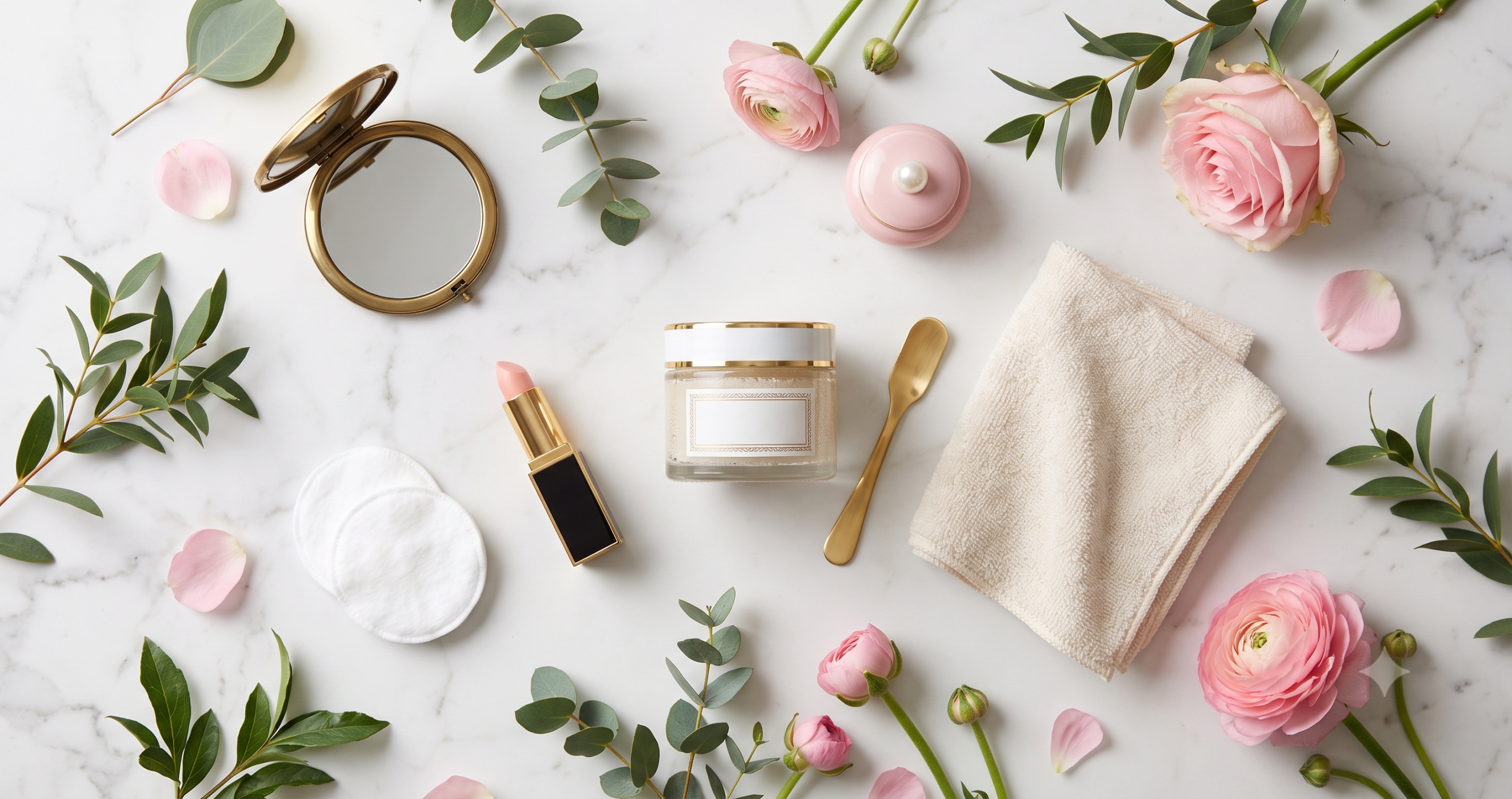
Step 1: Start With Clean Lips
Remove lipstick, gloss, lip liner, food residue or old balm before using a lip scrub. Clean lips help the scrub work evenly.
Step 2: Dampen the Lips Slightly
A little water can soften the scrub and make it feel less rough. Do not use scrub on dry lips if the grains feel sharp or scratchy.
Step 3: Use a Tiny Amount
You do not need a thick scoop of product. A small amount is enough for the lips. Too much scrub can make you rub longer than needed.
Step 4: Massage Very Gently
Use your fingertip and move in light circular motions. Keep pressure soft. The goal is to lift loose flakes, not scrape the lip surface.
Step 5: Keep It Short
A few seconds is enough for most people. Do not scrub for a full minute or keep going until lips feel extra smooth. That can cause irritation.
Step 6: Rinse or Wipe Gently
Use lukewarm water or a soft damp cloth to remove the scrub. Avoid rough washcloth pressure.
Step 7: Apply Lip Balm or Lip Mask
Finish with a non-irritating lip balm, ointment or lip mask. This step matters because exfoliation can leave lips more exposed if you do not moisturize afterward.
How Often Should You Use a Lip Scrub?
Most people should use a lip scrub only occasionally. Once a week or less is enough for many routines. Some people with sensitive lips may need it even less often.
Daily lip scrubbing is usually too much. If your lips keep flaking every day, do not keep scrubbing them. Try a simpler moisturizing routine and check for possible irritants.
| Lip Condition | Scrub Frequency | Better Focus |
|---|---|---|
| Normal lips with mild flakes | Occasionally, about once weekly | Moisturize after |
| Dry but not cracked lips | Rarely and gently | Lip mask and balm |
| Cracked lips | Avoid | Ointment-style care |
| Sensitive lips | Very rarely or avoid | Fragrance-free balm |
| Peeling lips every day | Avoid repeated scrubbing | Check for irritation triggers |
What to Apply After a Lip Scrub
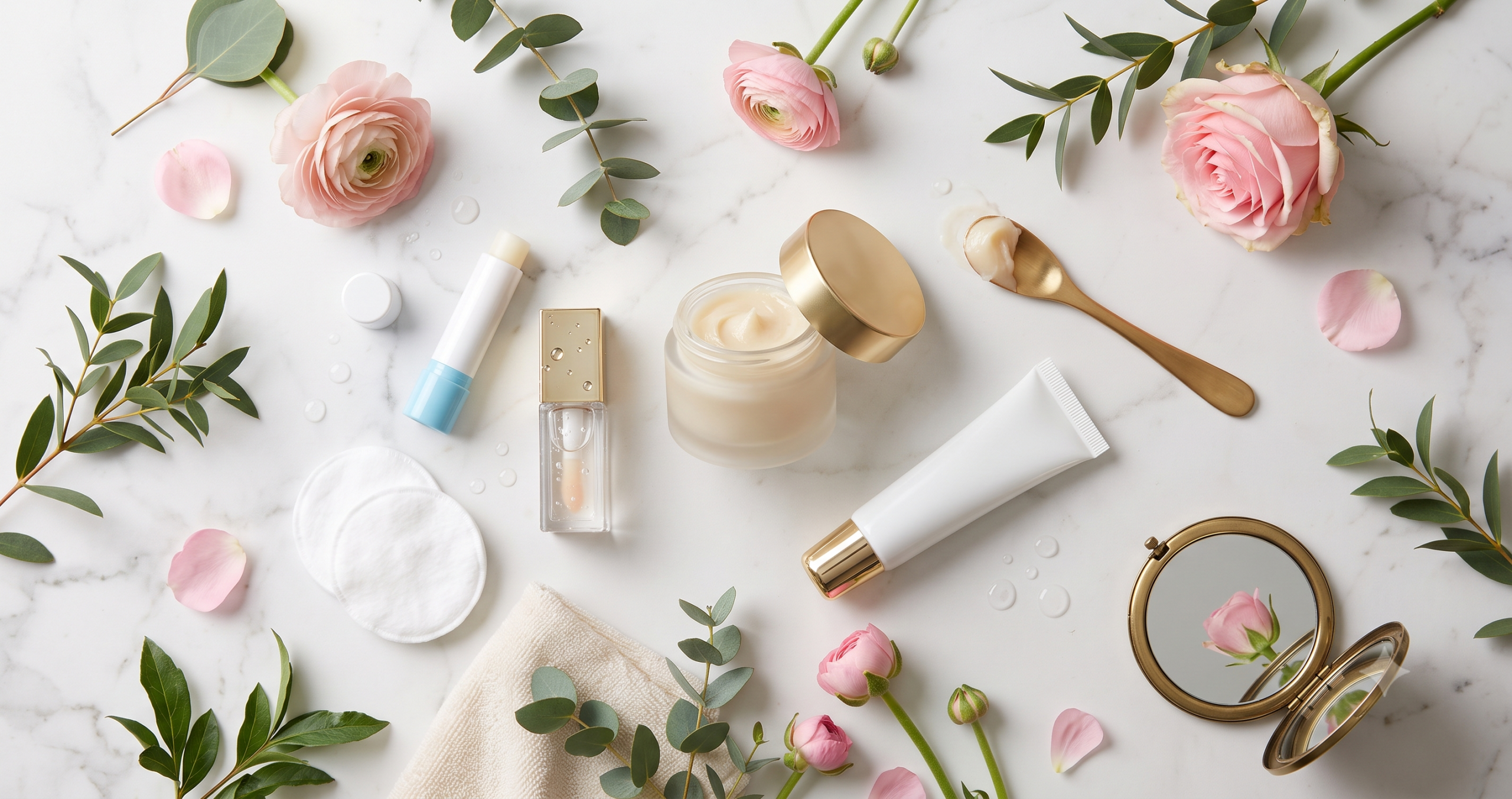
After using a lip scrub, your lips need moisture and protection. This is not the time to leave them bare.
Best After-Scrub Products
- Fragrance-free lip balm
- Petroleum jelly
- Ointment-style lip product
- Simple lip mask
- SPF lip balm if going outdoors
If you scrub before lipstick, apply balm first, let it sit, then blot away extra product before applying lip color.
Can You Use a Lip Scrub Before Lipstick?
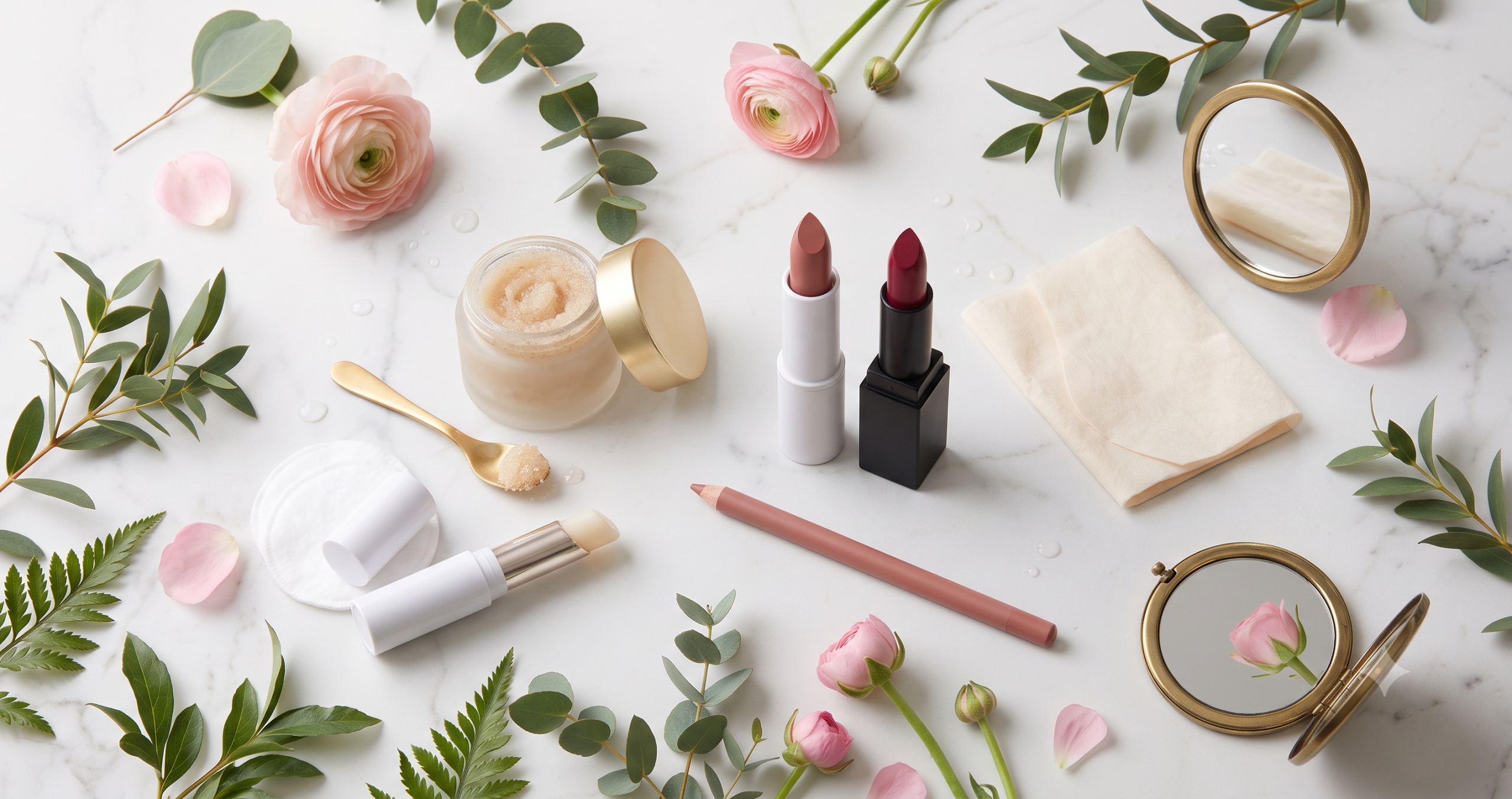
Yes, you can use a lip scrub before lipstick if your lips are mildly flaky and not irritated. It can help lipstick apply more smoothly and prevent color from clinging to dry patches.
Pre-Lipstick Lip Prep
- Use a gentle lip scrub.
- Rinse or wipe it off softly.
- Apply lip balm or lip mask.
- Let it sit while you do the rest of your makeup.
- Blot excess balm.
- Apply lip liner and lipstick.
This works well before matte, red, berry or dark lipstick. For lip color ideas, read makeup for cool undertones and lip gloss layers guide.
Can You Use a Lip Scrub on Chapped Lips?
Be careful. Mild flakes are one thing. chapped, painful, cracked or bleeding lips are another. If lips are severely chapped, a scrub can create more irritation.
For chapped lips, use a non-irritating balm or ointment, avoid lip licking and protect lips outdoors with SPF lip balm. Once lips feel calm and healed, you can decide whether gentle exfoliation is still needed.
Can You Use a Toothbrush Instead of a Lip Scrub?
Some people use a soft toothbrush to exfoliate lips, but it can be too harsh if you press hard. Toothbrush bristles may irritate sensitive or cracked lips.
If you use this method, choose a very soft clean toothbrush, dampen it and use only the lightest pressure. Do not use it on sore or cracked lips. For many people, a soft damp cloth is gentler.
DIY Sugar Lip Scrub: Is It Safe?
A DIY sugar lip scrub can be used carefully, but it is easy to make it too rough. Large sugar grains can scratch if you press hard.
If you make a DIY scrub, keep it simple and do not add irritating ingredients like cinnamon, peppermint oil, lemon juice or strong fragrance. Also avoid storing homemade scrubs for too long because they are not preserved like commercial products.
Simple DIY Reminder
- Use fine sugar, not large rough crystals.
- Mix with a small amount of balm-like or oil-based ingredient.
- Use gentle pressure only.
- Do not use on cracked lips.
- Make small fresh batches instead of storing for weeks.
Ingredients to Avoid in Lip Scrubs If You Are Sensitive
Sensitive lips can react quickly to fragrance, flavor and strong cooling ingredients. A lip scrub may smell nice, but that does not mean it is gentle.
Be Careful With:
- Strong fragrance
- Strong flavoring
- Menthol
- Camphor
- Cinnamon
- Peppermint oil
- Lemon juice
- Harsh exfoliating acids
- Large rough grains
If your lips burn after using a scrub, stop using it. A product that irritates your lips is not helping, even if it makes them feel smooth for a few minutes.
Best Lip Scrub Routine for Dry Lips
Dry lips need moisture more than exfoliation. Use lip scrub only when flakes are mild and loose. The rest of the time, focus on balm, ointment and sun protection.
Simple Dry Lip Routine
- Use gentle lip balm throughout the day.
- Use SPF lip balm outdoors.
- Avoid licking your lips.
- Use a lip mask before bed.
- Use lip scrub only when flakes are mild.
- Apply balm immediately after scrubbing.
For more overnight care, read what do lip masks do.
Best Lip Scrub Routine for Lipstick Wearers
If you wear lipstick often, especially matte lipstick, lips can start looking dry faster. A lip scrub can help occasionally, but moisture is still the most important step.
Lipstick Wearer Routine
- Remove lipstick gently at night.
- Apply lip balm or lip mask before sleep.
- Use lip scrub only before important lipstick days.
- Moisturize after exfoliating.
- Blot balm before lipstick.
- Avoid matte lipstick when lips are cracked.
This routine helps lipstick look smoother without over-exfoliating.
Signs You Are Overusing Lip Scrub
Over-exfoliation can make lips feel worse. If your lips are getting more sensitive instead of softer, pause the scrub.
Overuse Signs
- Lips feel raw after scrubbing.
- Lips burn when you apply balm.
- Peeling returns quickly.
- Lips look redder than usual.
- Small cracks appear.
- Lips feel tight or shiny in an uncomfortable way.
- Lip products start stinging.
If these signs happen, stop scrubbing and use a simple non-irritating balm or ointment until lips calm down.
Common Mistakes With Lip Scrubs
Mistake 1: Scrubbing Cracked Lips
Cracked lips need protection, not exfoliation. Scrubbing cracks can make them sting, bleed or heal more slowly.
Mistake 2: Pressing Too Hard
More pressure does not mean better results. Light pressure is enough to remove loose flakes.
Mistake 3: Using Lip Scrub Every Day
Daily scrubbing can irritate lips. Use lip scrub occasionally, not as a daily habit.
Mistake 4: Skipping Balm Afterward
After exfoliation, lips need moisture. Always apply balm, ointment or a lip mask after scrubbing.
Mistake 5: Using Irritating Flavors
Mint, cinnamon and strong fragrance can bother sensitive lips. Choose gentle formulas if your lips react easily.
Mistake 6: Scrubbing Before Sun Exposure Without SPF
Freshly exfoliated lips should be protected outdoors. Use SPF lip balm when going outside.
Mistake 7: Treating Constant Peeling With More Scrub
If lips peel constantly, more exfoliation may make it worse. Look for irritation triggers and simplify your lip routine.
Expert Tips from Sawera Shahid
Sawera Shahid, a beauty, fashion, skincare and lifestyle content writer with 5+ years of experience, recommends using lip scrub as an occasional smoothing step, not a daily lip care essential. Soft lips come more from moisture and protection than constant exfoliation.
- Use lip scrub only when lips have mild flakes.
- Never scrub cracked or bleeding lips.
- Use very light pressure and short contact time.
- Apply balm or lip mask immediately afterward.
- Choose fragrance-free products if your lips are sensitive.
- Use SPF lip balm during the day.
- Do not use strong face exfoliants on the lips.
- Pause exfoliation if lips feel raw or irritated.
Soft Glow Style Internal Reading Map
Use these related Soft Glow Style guides to build a stronger lip care, skincare, makeup, beauty, hair care and fashion routine around how to use a lip scrub.
Lip Care, Skincare and Beauty Links
- what do lip masks do
- Soft Glow Style beauty hub
- hydrating face mask for dry skin
- serum at night
- skincare infused makeup
- dermaplaning for sensitive skin
- foaming cleanser for oily skin
- fungal acne cleanser guide
- face wash for fungal acne
- raw honey mask for face
- ice water face dip
- benefits of ice bath for face
Makeup Links
- makeup for cool undertones
- how to apply bronzer and blush
- bronzer vs blush
- bronzer for dark skin
- what eyeshadow with brown eyes
- what is tinted moisturizer
- sweat resistant makeup
- heatproof makeup in hot weather
- no makeup makeup routine
- lip gloss layers guide
Hair, Nail and Fashion Links
- hair styling foam for curly hair
- hairstyles for hot weather
- heat protectant for natural hair
- soft autumn hair colors
- Soft Glow Style nail art hub
- pedicure colors for spring
- vintage nail designs
- Soft Glow Style fashion hub
- shoes look good with jeans
- linen pants see through
- Soft Glow Style blog archive
Frequently Asked Questions
How do you use a lip scrub?
Use a lip scrub on clean, slightly damp lips. Massage very gently for a few seconds, rinse or wipe it off, then apply a moisturizing lip balm, ointment or lip mask.
How often should you use a lip scrub?
Most people should use a lip scrub only occasionally, such as once a week or less. If your lips are sensitive or dry easily, use it even less often.
Should you use a lip scrub on chapped lips?
Do not use a lip scrub on cracked, bleeding, sore or severely chapped lips. Focus on gentle lip balm or ointment care first.
Do you use lip scrub before or after lip balm?
Use lip scrub before lip balm. After exfoliating, apply a moisturizing lip balm, ointment or lip mask to protect the lips.
Can lip scrub irritate lips?
Yes. Lip scrub can irritate lips if you use it too often, press too hard, use rough grains or scrub lips that are already cracked or sensitive.
Should you use a lip scrub before lipstick?
Yes, a gentle lip scrub can help lipstick apply more smoothly if lips are mildly flaky. Always moisturize afterward and avoid scrubbing irritated lips.
Final Thoughts
How to use a lip scrub safely comes down to restraint. Use it only when lips are mildly flaky, keep pressure light, scrub for a short time and always apply balm or a lip mask afterward.
Lip scrubs can make lipstick look smoother and help remove loose flakes, but they are not a cure for damaged lips. If your lips are cracked, bleeding, burning or constantly peeling, skip the scrub and focus on gentle healing care. Soft lips need moisture, protection and patience more than aggressive exfoliation.
Final Recap
- Lip scrub is for mild flakes, not cracked or bleeding lips.
- Use it on clean, slightly damp lips.
- Massage gently for only a few seconds.
- Rinse or wipe it off softly.
- Apply balm, ointment or lip mask afterward.
- Use lip scrub occasionally, not daily.
- Stop scrubbing if lips feel raw, irritated or sore.


