Key Takeaways
- Dermaplaning for sensitive skin can be risky if your skin is already irritated, inflamed, dry, broken or reacting.
- Dermaplaning removes peach fuzz and surface dead skin with a blade, so it is a form of physical exfoliation.
- Sensitive skin should prep gently before dermaplaning and avoid strong actives before and after.
- Skip dermaplaning if you have active acne, open cuts, sunburn, eczema flare-ups, rosacea flare-ups, rash or damaged skin barrier.
- Aftercare should be boring: gentle cleanser, calming moisturizer, sunscreen and no harsh exfoliation.
- At-home dermaplaning needs a clean tool, light pressure and slow movement. Aggressive scraping can cause irritation.
- If redness, burning, swelling, cuts, rash or pain lasts, speak with a dermatologist.
Dermaplaning for sensitive skin is not as simple as shaving off peach fuzz and hoping for smooth skin. Yes, dermaplaning can make the face look smoother, help makeup apply better and remove fine facial hair. But sensitive skin needs extra caution because the same treatment that makes one person glow can leave another person red, tight, itchy or irritated.
The safest way to think about dermaplaning is this: it is physical exfoliation with a blade. That means your skin barrier matters. If your skin is calm, moisturized and healthy-looking, dermaplaning may be easier to tolerate. If your skin is already burning, flaky, acne-inflamed, rashy or reactive, dermaplaning can make things worse.
Dermaplaning for Sensitive Skin: Is It Safe?
Dermaplaning may be safe for some sensitive skin types, but it is not ideal for everyone. The main issue is that sensitive skin is more likely to react to friction, pressure, blades, exfoliation and post-treatment products. If your skin already feels stressed, dermaplaning can add one more trigger.
Cleveland Clinic explains that dermaplaning is a skin resurfacing procedure that removes the top layers of skin and peach fuzz, and it can carry risks such as redness, irritation, acne, infection, scarring or skin discoloration. Read the Cleveland Clinic dermaplaning guide before trying it on reactive skin.
For related gentle skincare routines, start with the Soft Glow Style beauty hub, our serum at night guide, and our hydrating face mask for dry skin.
What Is Dermaplaning?
Dermaplaning is a cosmetic exfoliation method where a blade is used to gently remove fine facial hair and surface dead skin. In a professional setting, a trained provider may use a sterile surgical-style blade. At home, people usually use small facial razors or dermaplaning tools.
Dermaplaning is often done to help skin look smoother and makeup apply more evenly. It can also make the face feel softer because peach fuzz is removed.
However, it is still exfoliation. That matters for sensitive skin because over-exfoliation can make the face feel raw, tight, shiny, itchy or irritated.
Dermaplaning vs Face Shaving
Dermaplaning and face shaving are similar, but not exactly the same. Face shaving usually focuses on hair removal. Dermaplaning focuses on removing vellus hair and surface dead skin.
| Method | Main Goal | Sensitive Skin Concern |
|---|---|---|
| Face shaving | Removes facial hair | Can cause razor burn, bumps or cuts |
| Dermaplaning | Removes peach fuzz and surface dead skin | Can irritate barrier if too aggressive |
| Professional dermaplaning | Controlled exfoliation by trained provider | Still may not suit flare-ups or inflamed skin |
| At-home dermaplaning | DIY smoothing and hair removal | Higher risk if blade is dull, dirty or pressure is too hard |
If your skin is very reactive, simple face shaving with a sensitive-skin shaving method may still be too much. Dermaplaning goes a step further because it also exfoliates.
Who Should Be Careful With Dermaplaning?
Sensitive skin is not one single skin type. Some people are sensitive because they have dry skin. Some react because of rosacea. Some are acne-prone. Some have eczema. Some have a damaged skin barrier from too many actives.
Be extra careful if you have:
- Rosacea-prone skin
- Eczema-prone skin
- Active acne
- Fresh breakouts
- Sunburn
- Rash
- Broken skin
- Very dry or flaky patches
- Recent chemical peel
- Recent laser treatment
- Skin that burns easily from products
- A compromised skin barrier
When in doubt, skip dermaplaning until the skin feels calm again.
When to Skip Dermaplaning Completely
Sometimes the safest prep is not dermaplaning at all. Sensitive skin should not be forced through a treatment just because it is trending.
Skip Dermaplaning If You Have:
- Active inflamed acne
- Open cuts or scratches
- Cold sores
- Sunburn
- Peeling from retinoids or acids
- Eczema flare-up
- Rosacea flare-up
- Burning or stinging skin
- Recent waxing irritation
- Rash or hives
- Skin infection
Dermaplaning over irritated skin can increase discomfort and may raise the chance of cuts, infection or post-treatment redness.
Benefits of Dermaplaning for Sensitive Skin
If your sensitive skin tolerates it, dermaplaning may offer some cosmetic benefits. The key phrase is “if your skin tolerates it.” It should never feel like a punishment step.
Possible Benefits
- Smoother-looking skin texture
- Less visible peach fuzz
- Makeup applying more evenly
- Skin looking temporarily brighter
- Better-looking base makeup
- Softer feel on the face
For makeup that may sit better on freshly smoothed skin, read skincare infused makeup, what is tinted moisturizer, and cloud skin makeup base.
Risks of Dermaplaning for Sensitive Skin
The risks matter more when your skin is sensitive. Even light blade exfoliation can cause irritation if your skin barrier is not ready.
| Possible Issue | Why It Happens | What to Do |
|---|---|---|
| Redness | Friction or sensitivity after exfoliation | Use calming moisturizer and pause actives |
| Burning or stinging | Barrier feels stressed after blade contact | Stop strong products and simplify routine |
| Breakouts | Irritation, bacteria, occlusive products or clogged follicles | Keep tools clean and avoid heavy aftercare |
| Cuts or nicks | Too much pressure, wrong angle or dull blade | Clean gently and avoid makeup over cuts |
| Dryness | Too much exfoliation or poor aftercare | Use moisturizer and barrier support |
| Post-treatment sensitivity | Skin is more exposed after exfoliation | Use sunscreen and avoid harsh products |
9 Safe Prep Tips for Dermaplaning Sensitive Skin
1. Make Sure Your Skin Is Calm First
Do not dermaplane sensitive skin during a bad skin week. If your face feels tight, itchy, hot, irritated or bumpy, wait.
Good dermaplaning candidates usually have skin that feels calm, stable and not inflamed. Sensitive skin should be boring before dermaplaning. Boring is good.
2. Stop Strong Actives Beforehand
Before dermaplaning, avoid ingredients that already make skin more sensitive. This may include retinol, strong exfoliating acids, harsh acne treatments, strong vitamin C, scrubs and peel masks.
For sensitive skin, pause strong actives for a few days before dermaplaning. If your skin is extremely reactive, you may need a longer break.
For active timing, read serum at night.
3. Do Not Dermaplane Right After Waxing
Waxing already pulls at the skin and can cause irritation. Dermaplaning after waxing can be too much for sensitive skin.
Give your skin time to settle before doing any extra exfoliation or hair removal.
4. Avoid Exfoliating Masks Before Dermaplaning
Do not use acid masks, scrub masks or peel-off masks right before dermaplaning. This stacks exfoliation on exfoliation.
If you want to mask before dermaplaning, choose a gentle hydrating mask a day or two earlier, not a harsh treatment mask.
5. Use a Clean, Sharp Tool
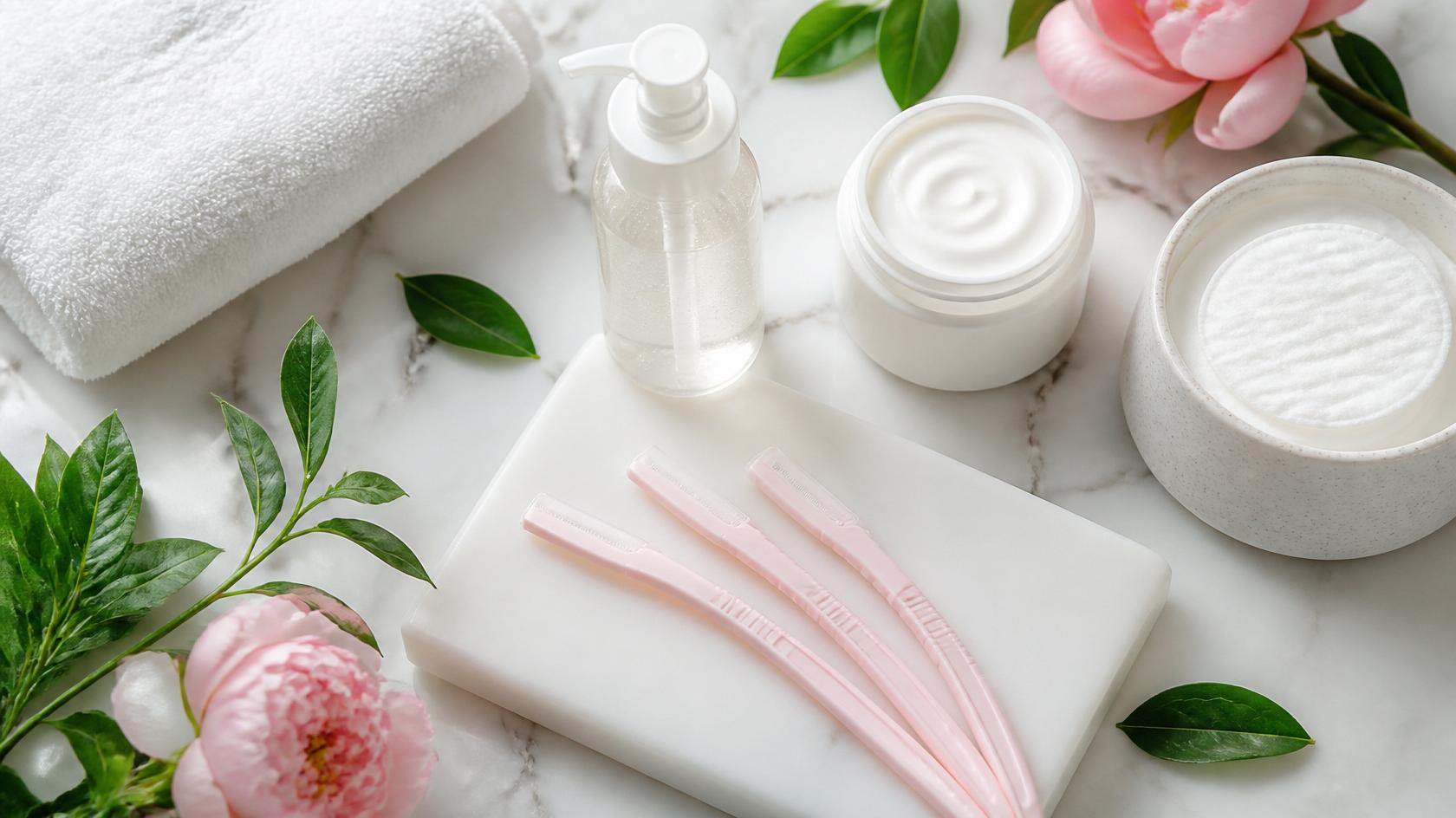
A dull blade can tug. A dirty blade can increase the risk of irritation or infection. At-home dermaplaning should always be done with a clean facial razor or dermaplaning tool.
Do not reuse old blades repeatedly on sensitive skin. If the blade feels rough, replace it.
6. Keep Skin Dry or Follow Tool Instructions
Some dermaplaning methods are done on clean, dry skin. Some at-home facial razors may be used differently depending on product instructions.
Follow the tool instructions. Do not add random oils or thick creams unless the tool is designed for that method. Slippery products can change blade control.
7. Use Light Pressure
Pressure is where many people go wrong. Sensitive skin does not need aggressive scraping. Use light, short strokes and do not go over the same area repeatedly.
The goal is gentle smoothing, not sanding your face.
8. Avoid the Most Reactive Areas
If your cheeks, upper lip, jawline or around the nose are especially reactive, skip those areas or use fewer passes.
You do not have to dermaplane the entire face. Partial dermaplaning is better than irritating your whole face.
9. Schedule It When You Can Rest Your Skin
Do not dermaplane for the first time right before a big event. Sensitive skin can surprise you with redness or bumps the next day.
Try it when you have at least a few calm days afterward and no major makeup event, facial, wax or active skincare plan.
Dermaplaning Aftercare for Sensitive Skin
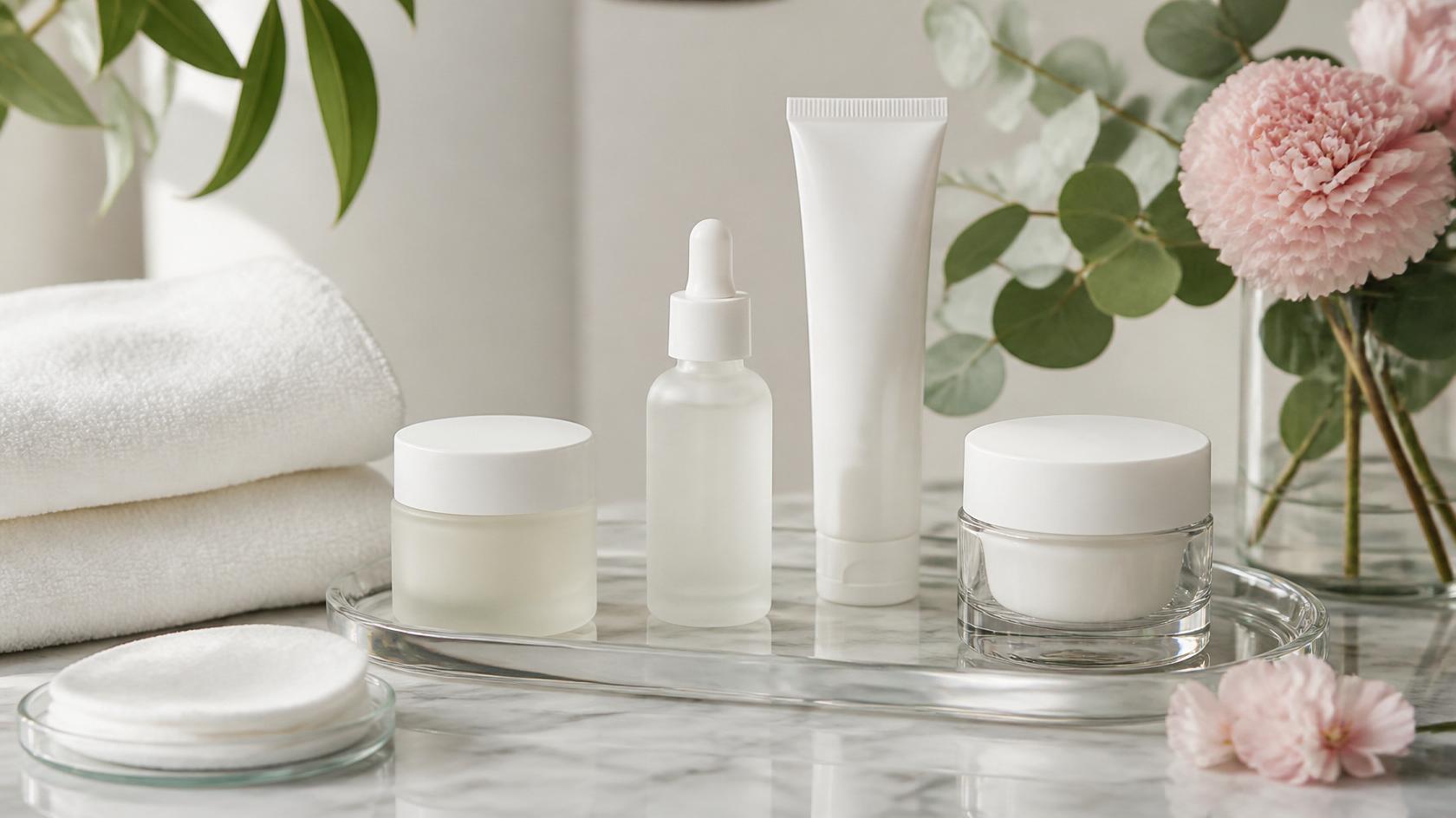
Aftercare matters as much as prep. Your skin has just had physical exfoliation, so the goal is to reduce irritation and support the skin barrier.
First 24 Hours
- Use a gentle cleanser.
- Apply a calming moisturizer.
- Use sunscreen during the day.
- Avoid retinol.
- Avoid exfoliating acids.
- Avoid scrubs.
- Avoid strong vitamin C if it stings.
- Avoid heavy makeup over cuts or irritated areas.
Next Few Days
- Keep the routine simple.
- Use moisturizer consistently.
- Do not add new active products.
- Skip harsh masks.
- Watch for redness, bumps or burning.
- Return actives slowly only when skin feels normal.
For calming dry-skin support, read hydrating face mask for dry skin.
What to Put on Skin After Dermaplaning
After dermaplaning, sensitive skin usually likes simple, bland, supportive skincare.
Good Aftercare Ingredients
- Glycerin
- Panthenol
- Ceramides
- Squalane
- Aloe if tolerated
- Oat-based ingredients
- Simple moisturizer
- Mineral sunscreen if chemical sunscreen stings
Keep your skincare boring for a few days. This is not the time to test a new acid toner, retinol serum or strong brightening treatment.
What to Avoid After Dermaplaning
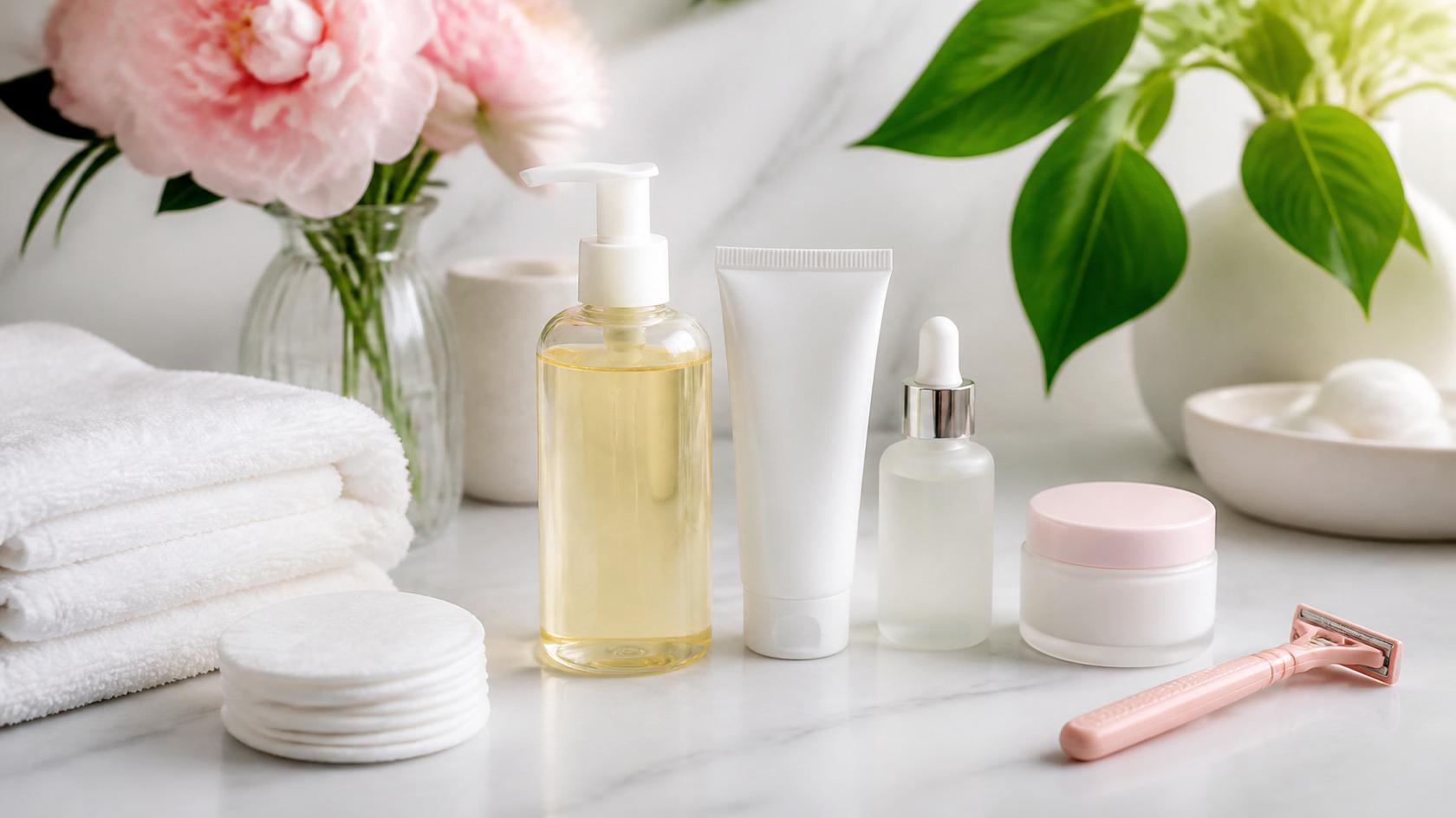
Post-dermaplaning skin can feel more reactive because surface exfoliation has just happened. Avoid anything that adds extra stress.
| Avoid | Why | How Long to Pause |
|---|---|---|
| Retinol | May increase dryness or irritation | A few days, longer if sensitive |
| AHA or BHA acids | Extra exfoliation can sting | A few days |
| Scrubs | Too much friction | At least several days |
| Peel-off masks | Can pull and irritate | Skip until fully calm |
| Fragrance-heavy products | May sting sensitive skin | Until skin feels normal |
| Heavy makeup over irritation | May worsen discomfort | Until redness settles |
Can You Use Retinol After Dermaplaning?
For sensitive skin, it is usually better to avoid retinol for a few days after dermaplaning. Retinol can already cause dryness, peeling or irritation, especially when introduced too quickly. Using it right after blade exfoliation may be too much.
Wait until your skin feels normal again. No burning. No stinging. No unusual tightness. No redness. Then restart slowly.
Can You Use Vitamin C After Dermaplaning?
Vitamin C can sting some sensitive skin types, especially acidic formulas. After dermaplaning, your skin may be more likely to react.
If your vitamin C is gentle and your skin is very tolerant, you may be fine after a short break. But if your skin stings easily, pause vitamin C for a few days and use calming skincare instead.
Can You Wear Makeup After Dermaplaning?
It depends on how your skin looks and feels. If your skin is calm after dermaplaning, light makeup the next day may be okay. If you have cuts, burning, redness or bumps, avoid makeup until the skin settles.
Freshly dermaplaned skin may make makeup look smoother, but heavy foundation over irritated skin can make texture and redness worse.
For gentle base ideas, read skincare infused makeup, what is tinted moisturizer, and sweat resistant makeup.
At-Home Dermaplaning for Sensitive Skin
At-home dermaplaning is convenient, but sensitive skin needs a very careful approach. A professional may be safer if you are nervous, highly reactive or unsure whether your skin can tolerate it.
At-Home Safety Tips
- Use a clean facial razor.
- Do not share tools.
- Do not dermaplane over active breakouts.
- Use light pressure.
- Use short strokes.
- Do not repeatedly scrape the same area.
- Do not use a rusty or dull blade.
- Moisturize after.
- Use sunscreen the next day.
At-home dermaplaning should feel gentle. If it feels painful, stop.
Professional Dermaplaning for Sensitive Skin
Professional dermaplaning may be a better option if you have sensitive skin but still want to try it. A trained provider can assess your skin, avoid unsafe areas and use professional tools.
Still, professional does not mean risk-free. Tell your provider if you use retinoids, acne treatments, exfoliating acids, prescription skincare, blood thinners or if you have rosacea, eczema, acne or frequent irritation.
How Often Should Sensitive Skin Dermaplane?
Sensitive skin should not dermaplane too often. Some resilient skin types may tolerate regular dermaplaning, but sensitive skin often needs more recovery time.
For sensitive skin, occasional dermaplaning is usually safer than weekly dermaplaning. If your skin gets red, itchy, bumpy or dry after every session, dermaplaning may not be right for you.
Frequency Guide
- Very sensitive skin: skip or ask a dermatologist first
- Mildly sensitive skin: occasional only
- Dry sensitive skin: only when barrier feels strong
- Acne-prone sensitive skin: avoid during breakouts
- Rosacea-prone skin: ask a dermatologist before trying
Dermaplaning for Dry Sensitive Skin
Dry sensitive skin needs extra caution because it may already have barrier discomfort. Dermaplaning can make dryness worse if done too aggressively or followed by harsh products.
Best Prep for Dry Sensitive Skin
- Moisturize well for several days before.
- Avoid retinol and acids before treatment.
- Do not dermaplane flaky, cracked skin.
- Use a clean tool and light pressure.
- Apply moisturizer after.
If your skin is currently flaky, focus on barrier care first. Read hydrating face mask for dry skin and how to layer Korean skincare.
Dermaplaning for Acne-Prone Sensitive Skin
Acne-prone sensitive skin should be careful with dermaplaning. Do not dermaplane over inflamed pimples, cysts, open spots or irritated breakouts. A blade can spread irritation or nick active blemishes.
If your acne is mostly closed comedones or texture, a dermatologist or licensed professional can help decide whether dermaplaning is appropriate.
For acne-friendly skincare reading, explore best Korean skincare for acne-prone skin, fungal acne cleanser guide, and face wash for fungal acne.
Dermaplaning for Rosacea-Prone Skin
Rosacea-prone skin can react strongly to friction, heat and product changes. Dermaplaning may trigger redness or burning in some people.
If you have rosacea, ask a dermatologist before dermaplaning. Do not try it during a flare, and avoid combining it with acids, retinol or strong facials.
Dermaplaning for Eczema-Prone Skin
Eczema-prone skin should not be dermaplaned during a flare-up. Broken, itchy or inflamed skin needs barrier repair, not blade exfoliation.
If your eczema is controlled and you still want to try dermaplaning, ask a dermatologist or professional first. At-home dermaplaning may be too risky during unstable skin periods.
Dermaplaning Before an Event
Dermaplaning before an event sounds tempting because makeup may apply smoother afterward. But sensitive skin should not try dermaplaning for the first time right before a wedding, photoshoot, vacation or party.
Test it weeks before an important event, not the night before. This gives you time to see whether your skin reacts.
Event Timing Tips
- Do not try dermaplaning for the first time the day before an event.
- Leave several days between dermaplaning and heavy makeup.
- Keep aftercare simple.
- Do not combine dermaplaning with a peel before photos.
- Use sunscreen if the event is outdoors.
Simple Sensitive Skin Routine After Dermaplaning
The best post-dermaplaning routine is simple and calming.
Night After Dermaplaning
- Cleanse gently if needed.
- Apply a calming moisturizer.
- Skip retinol, acids and scrubs.
- Use a barrier-supporting cream if skin feels dry.
Morning After Dermaplaning
- Rinse or cleanse gently.
- Apply moisturizer.
- Apply sunscreen.
- Use light makeup only if skin feels calm.
For routine planning, read 5 step Korean skincare routine and skincare infused makeup.
Common Dermaplaning Mistakes
Mistake 1: Dermaplaning Over Irritated Skin
This is the biggest mistake for sensitive skin. If your face already feels angry, dermaplaning can make it worse.
Mistake 2: Pressing Too Hard
Dermaplaning should be light. Too much pressure can cause cuts, redness and barrier irritation.
Mistake 3: Using a Dull Blade
A dull blade can drag across the skin. Sensitive skin usually reacts better to a clean, sharp tool used gently.
Mistake 4: Using Retinol Right After
Retinol after dermaplaning can be too irritating for sensitive skin. Pause it until skin feels normal.
Mistake 5: Exfoliating Again the Next Day
Dermaplaning is already exfoliation. Do not follow it with acids, scrubs or peel masks.
Mistake 6: Wearing Heavy Makeup Over Redness
Heavy makeup over irritated skin can feel uncomfortable. Let the skin calm first.
Mistake 7: Skipping Sunscreen
Freshly exfoliated skin needs daily sun protection. Use sunscreen during the day after dermaplaning.
Expert Tips from Sawera Shahid
Sawera Shahid, a beauty, skincare, fashion and lifestyle writer with 5+ years of experience, recommends treating dermaplaning for sensitive skin as an optional step, not a skincare necessity. Smooth makeup is not worth a damaged skin barrier.
- Do not dermaplane during irritation, flare-ups or breakouts.
- Pause retinol and exfoliating acids before and after.
- Use light pressure and a clean tool if dermaplaning at home.
- Choose professional dermaplaning if you are nervous or very reactive.
- Keep aftercare simple and moisturizing.
- Use sunscreen the next morning.
- Do not test dermaplaning right before an event.
- Stop if your skin burns, stings or reacts strongly.
Soft Glow Style Internal Reading Map
Use these related Soft Glow Style guides to build a stronger skincare, beauty, makeup, hair care, nail, fashion and lifestyle routine around dermaplaning for sensitive skin. This section includes 100+ internal links for stronger topical support.
Skincare Routine Links
- serum at night
- hydrating face mask for dry skin
- skincare infused makeup
- best skincare products guide
- 5 step Korean skincare routine
- how to layer Korean skincare
- Korean skincare set for glowing skin
- Korean skincare sets that actually work
- best Korean skincare for acne-prone skin
- Korean acne skincare top picks
- foaming cleanser for oily skin
- fungal acne cleanser guide
- face wash for fungal acne
- does argan oil clog pores
- raw honey mask for face
- ice water face dip
- benefits of ice bath for face
- visible pores are a flex
- visible pores and skin texture guide
- Korean beauty standards explained
- American beauty standards explained
Beauty and Makeup Links
- Soft Glow Style beauty hub
- what is tinted moisturizer
- sweat resistant makeup
- bronzer vs blush
- bronzer for dark skin
- what eyeshadow with brown eyes
- heatproof makeup in hot weather
- no makeup makeup routine
- cloud skin makeup base
- cloud skin vs glass skin guide
- blurry blush soft glam trend
- blurryface makeup and modern beauty flaws
- lip gloss layering for plump lips
- faux freckles trend guide
- metallic faux freckles beauty idea
- Tumblr beauty trends coming back
- how beauty standards affect mental health
- popular beauty blogs to follow
- Dime Beauty and Empire Beauty explainer
- American Beauty rose makeup inspiration
- vintage American Beauty rose shade
Hair Care and Shower Routine Links
- can I use shampoo as body wash
- does conditioner go bad
- professional clarifying shampoo guide
- clarifying shampoo for bleached hair
- Routine shampoo review
- Routine shampoo and conditioner guide
- hair growth guide
Nail Art and Pedicure Links
- Soft Glow Style nail art hub
- summer pedicure nail colors
- cat eye nail colors
- soap nails polish
- pastel nail colors 2026
- white nail polish ideas
- types of nails at salon
- what is hard gel nails
- multi color French tip nails
- water nails vs chrome nails comparison
- best nail polish for summer 2026
- July nail colors 2026
- ice cream nails manicure trend
- ice cream nails color ideas
- best nail polish stickers
- lifestyle nail bar guide
- lifestyle nail bars and beauty spaces
- how to match nail art with skincare
Fashion and Outfit Links
- Soft Glow Style fashion hub
- what to wear in Miami
- what to wear to a Broadway show
- fashion tips to look stylish
- best fashion tips and tricks
- 15 piece capsule closet that feels wearable
- 15 piece capsule closet starter guide
- ethereal fashion in real life
- ethereal girl aesthetic guide
- coquette core power suits
- power suits and ballet flats
- tomato girl summer style
- tomato girl meets olive green
- underconsumption core minimalist trend
- underconsumption core when minimalism feels real
- vintage tees and boxers outfit guide
- vintage tees paired with slip skirts
- mismatched shoes 2.0 pattern guide
- mismatched shoes trend guide
- feral girl fall trend
- tapestry hoodie style guide
- Euriental fashion and luxury travel
- Oh So Jack fashion and lifestyle
- science of appearance and men’s grooming
Lifestyle and Wellness Links
- Soft Glow Style lifestyle hub
- luxury family travel and lifestyle
- Sunday reset routine that feels realistic
- Sunday reset that actually works
- silent wellness trend explained
- digital detox wellness trend
- digital nostalgia is back
- digital nostalgia and MP3 culture
- wellness fridges trend guide
- wellness fridges and beauty storage
- how to start a healthy lifestyle
- importance of a healthy lifestyle
- what is sedentary lifestyle
- romanticize solo life
- lifestyle blog for women and family routines
- outdoor lifestyles for escaping screens
- outdoor lifestyles and adventure guide
- make a studio smell expensive using simple habits
- make a studio smell expensive guide
- decorate with books quiet luxury hack
- decorate with books for a softer home
- aesthetic burnout and vibe curation
Trending Reads and Site Hubs
- featured Soft Glow Style reads
- Soft Glow Style blog archive
- where to watch True Beauty
- Bold and Beautiful comings and goings
- Sleeping Beauty of Everest truth
- Sleeping Beauty Everest chilling story
- Sleeping Beauty Mount Everest heartbreaking story
- Andrea Chong fashion travel lifestyle blog
- about Soft Glow Style
- contact Soft Glow Style
Frequently Asked Questions
Is dermaplaning safe for sensitive skin?
Dermaplaning can be safe for some sensitive skin types when the skin is calm and aftercare is gentle. It may not be safe during acne, eczema, rosacea flare-ups, sunburn, broken skin, rash or irritation.
What should I avoid before dermaplaning sensitive skin?
Avoid retinol, exfoliating acids, scrubs, peel-off masks, waxing, harsh acne treatments and irritating products before dermaplaning if your skin is sensitive.
What should I put on sensitive skin after dermaplaning?
Use simple aftercare: gentle cleanser, calming moisturizer and sunscreen. Ingredients like glycerin, ceramides, panthenol, squalane and oat-based skincare can feel supportive.
Can dermaplaning cause breakouts?
Yes, dermaplaning can cause breakouts for some people, especially if done over active acne, with an unclean blade, too much pressure or heavy aftercare products that clog the skin.
How often should sensitive skin dermaplane?
Sensitive skin should dermaplane occasionally, not too often. Some sensitive skin types may need to skip it completely. If redness or irritation happens every time, dermaplaning may not suit your skin.
Can I use retinol after dermaplaning?
It is better to avoid retinol for a few days after dermaplaning, especially if your skin is sensitive. Wait until your skin feels calm, then restart slowly.
Final Thoughts
Dermaplaning for sensitive skin can be helpful for smoother-looking skin and better makeup application, but it is not a must-do skincare step. Sensitive skin needs caution because dermaplaning is still blade-based physical exfoliation.
Prep your skin gently, avoid strong actives, never dermaplane over irritation and keep aftercare simple. If your skin is acne-inflamed, sunburned, rashy, very dry, broken or flaring, skip it. Smooth skin is nice, but a calm skin barrier matters more.
Final Recap
- Dermaplaning removes peach fuzz and surface dead skin.
- Sensitive skin should dermaplane only when calm.
- Skip dermaplaning during acne, rash, sunburn, eczema or rosacea flare-ups.
- Avoid retinol, acids and scrubs before and after.
- Use a clean tool and very light pressure at home.
- Aftercare should focus on moisturizer and sunscreen.
- Stop if your skin burns, stings, swells or reacts strongly.