
Key Takeaways
- Does conditioner go bad? Yes, conditioner can go bad over time, especially after opening.
- Old conditioner may smell sour, musty, rancid or very different from normal.
- Texture changes like separation, lumps, watery liquid, graininess or unusual thickness are warning signs.
- Expired conditioner may not condition well and can leave hair greasy, sticky, dry, dull or coated.
- Do not use conditioner if you see mold, strange particles, color changes or damaged packaging.
- Stop using old conditioner if it causes scalp itching, burning, redness, bumps or irritation.
- Store conditioner tightly closed, away from heat, direct sunlight and shower water to help it last longer.
Does conditioner go bad? Yes, conditioner can go bad. It may not spoil like food, but the formula can change over time. Old conditioner can lose its smooth texture, smell strange, separate in the bottle, feel sticky on hair or irritate the scalp. If your conditioner has been sitting in the shower for months or hiding in a drawer for years, it is worth checking before using it.
Does Conditioner Go Bad?
Conditioner can go bad because it is a cosmetic product made with water, oils, conditioning agents, fragrance, preservatives and other ingredients. Over time, the formula can break down. Once opened, conditioner is also exposed to air, water, heat, fingers, shower steam and bacteria from the bathroom environment.
That does not mean every old conditioner is dangerous. Some products stay fine for a long time when stored properly. But if the smell, color, texture or performance changes, it is safer to stop using it.
The FDA explains that U.S. cosmetic labels are not required to have a specific shelf life or expiration date, but manufacturers are responsible for making sure their products are safe. That means your conditioner may not always have a clear expiration date printed on it, so you may need to check the product carefully yourself. FDA cosmetic shelf life guide
For more hair care support, read the Soft Glow Style beauty hub, our Routine shampoo and conditioner guide, and our hair growth guide.
How Long Does Conditioner Last?
There is no single answer for every conditioner. Shelf life depends on the formula, packaging, preservatives, storage and whether the product is opened or unopened.
Many hair products include a small open-jar symbol on the packaging. This is often called the period-after-opening symbol. It may say 12M, 18M or 24M. That means the product is usually best used within that number of months after opening.
| Conditioner Type | General Shelf Life Clue | What to Check |
|---|---|---|
| Unopened conditioner | May last longer if stored well | Smell, texture, color and bottle condition |
| Opened rinse-out conditioner | Often best within the PAO symbol timeframe | Separation, smell and scalp reaction |
| Leave-in conditioner | Can be more noticeable if spoiled because it stays on hair | Stickiness, odor and irritation |
| Hair mask | May spoil faster if jar is touched with wet fingers | Mold, texture, smell and water contamination |
| Natural or preservative-light conditioner | May have shorter shelf life | Label directions and storage instructions |
If the label gives a date, follow it. If there is no date, use the signs below to decide whether it is still safe and useful.
7 Signs Conditioner Has Gone Bad

1. It Smells Sour, Rancid or Musty
Smell is one of the easiest ways to check conditioner. Fresh conditioner usually smells like its original fragrance, whether that is floral, clean, creamy, fruity or fragrance-free. Bad conditioner may smell sour, stale, rancid, musty, chemical-like or simply “off.”
If the smell has changed a lot, do not use it. A strange odor can mean the formula is breaking down or contaminated.
2. The Texture Has Changed
Conditioner should usually feel smooth and creamy. If it suddenly looks watery, stringy, lumpy, grainy, chunky, slimy or too thick, that is a warning sign.
Some conditioners naturally separate a little, but a major texture change is not normal. If shaking the bottle does not bring it back to its usual texture, throw it away.
3. The Formula Has Separated
If you squeeze the bottle and watery liquid comes out first, followed by thick cream, the conditioner may have separated. This can happen when the formula breaks down from age, heat or poor storage.
Separated conditioner may not spread properly, may not rinse well and may leave your hair feeling unevenly coated.
4. The Color Looks Different
Color changes are another sign that conditioner may be old. A white conditioner may turn yellow, beige, grey or darker. A colored conditioner may fade, deepen or develop uneven streaks.
If the color change is obvious and the product does not look like it used to, it is safer not to use it.
5. You See Mold, Specks or Strange Particles
Do not use conditioner if you see mold, fuzzy growth, black specks, floating particles or anything that looks contaminated. This is especially important for conditioners in jars because fingers and shower water can introduce bacteria or moisture.
If a product looks contaminated, throw it away immediately.
6. It Feels Sticky, Greasy or Hard to Rinse
Old conditioner may stop performing the way it should. Instead of making hair soft and smooth, it may leave hair greasy, waxy, sticky, coated or dull.
If your hair feels worse after using it, the product may be expired, too old or simply not right for your hair type.
7. It Irritates Your Scalp
If old conditioner causes itching, burning, redness, bumps, flakes or tenderness, stop using it. Scalp discomfort is a clear sign that your skin does not like the product anymore.
Do not keep using a product just because the bottle is not empty. Your scalp is more important than finishing old conditioner.
Quick Checklist: Should You Throw Conditioner Away?
| What You Notice | Safe to Use? | Best Action |
|---|---|---|
| Normal smell and texture | Probably yes | Use as usual if scalp feels fine |
| Slightly old but unchanged | Maybe | Patch test or use carefully |
| Sour or rancid smell | No | Throw away |
| Watery separation | No | Throw away |
| Lumps or grainy texture | No | Throw away |
| Mold or specks | No | Throw away immediately |
| Scalp itching or burning | No | Stop using and rinse well |
Can Expired Conditioner Damage Hair?
Expired conditioner may not “damage” hair in one use, but it can make hair look and feel worse. If the formula has broken down, it may not smooth the cuticle properly. It may leave residue, make hair feel sticky or fail to detangle.
Old conditioner may cause:
- Dull hair
- Greasy roots or lengths
- Sticky residue
- Dry ends
- Poor slip while detangling
- Frizz
- Scalp discomfort
- Hair that feels coated after rinsing
If your hair suddenly feels heavy or strange after conditioning, check the bottle before blaming your hair.
Can Expired Conditioner Irritate the Scalp?
Yes, expired conditioner can irritate the scalp if the formula has changed or become contaminated. Your scalp is skin, and it can react to old fragrance, spoiled ingredients, bacteria or broken-down preservatives.
Scalp irritation may feel like itching, stinging, burning, tightness, flakes or small bumps. If this happens, rinse your hair and scalp well, stop using the conditioner, and switch to a gentle routine.
If irritation continues or becomes painful, ask a dermatologist or healthcare professional for guidance.
Opened vs Unopened Conditioner
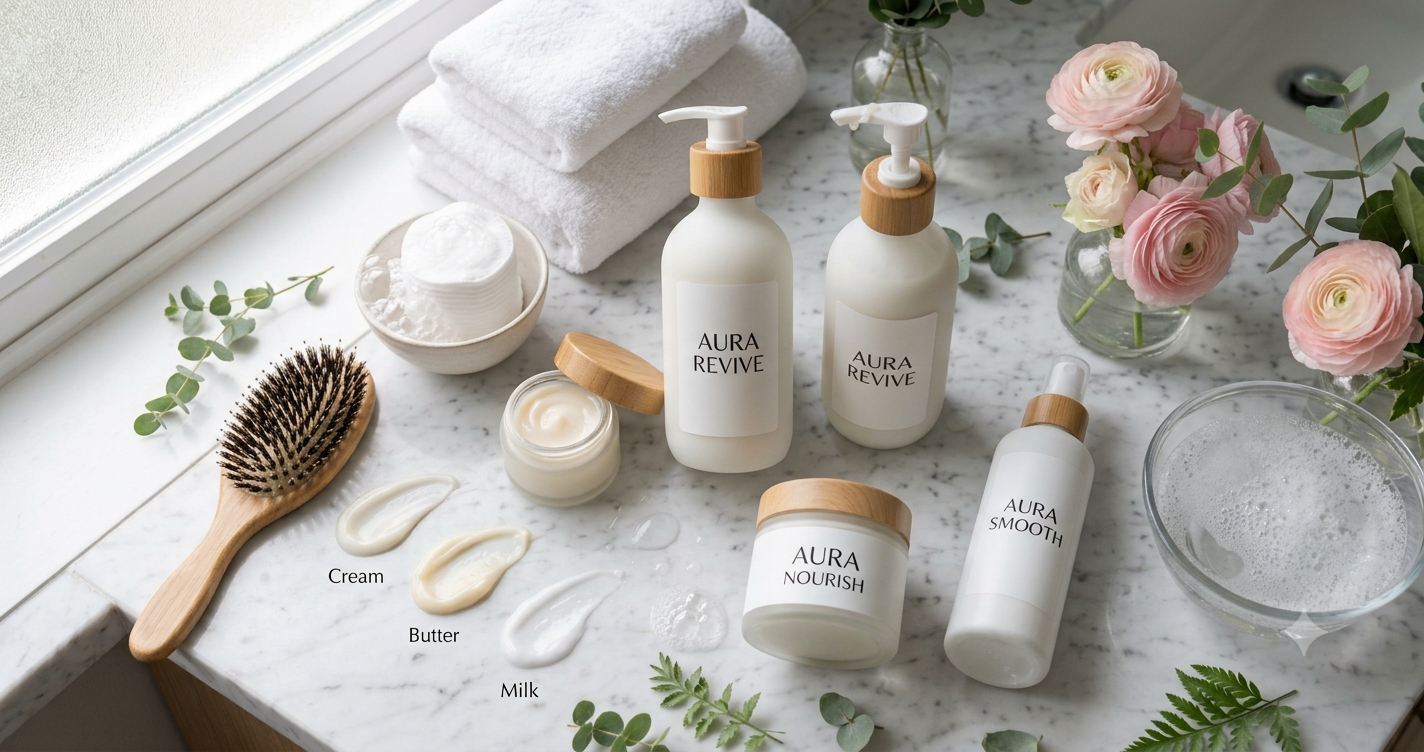
Opened and unopened conditioner do not age the same way. An unopened bottle is protected from air and bathroom water, so it may last longer. Once opened, the product is exposed to more contamination and formula changes.
| Conditioner Status | Why It Matters | What to Do |
|---|---|---|
| Unopened | Less exposure to air and water | Check date, smell, texture and color before use |
| Opened | More exposure to air, hands, steam and water | Follow PAO symbol and watch for changes |
| Stored in shower | Heat and moisture can affect product faster | Keep cap closed and avoid water entering bottle |
| Stored in cool drawer | Better protection from heat and humidity | Still check before use if very old |
Does Leave-In Conditioner Go Bad?
Yes, leave-in conditioner can go bad too. In some ways, it is even more important to check because leave-in conditioner stays on your hair and sometimes touches the scalp or neck.
Do not use a leave-in conditioner if it smells strange, sprays unevenly, separates, feels sticky, changes color or irritates your scalp. If it is in a spray bottle and the nozzle clogs with old product, clean it or replace the product if the formula itself seems bad.
Does Deep Conditioner or Hair Mask Go Bad?
Deep conditioners and hair masks can go bad, especially if they come in jars. Jar packaging is easy to contaminate because people often scoop product with wet fingers in the shower.
Hair masks are often rich and creamy, so texture changes can be obvious. If your hair mask becomes watery, lumpy, moldy, sour-smelling or unusually sticky, throw it away.
How to Keep Hair Masks Cleaner
- Use clean dry hands or a spatula.
- Do not let shower water enter the jar.
- Close the lid tightly after use.
- Store it away from direct heat.
- Do not keep a jar for years after opening.
Does Natural Conditioner Go Bad Faster?
Some natural or “clean” conditioners may have shorter shelf lives, especially if they use fewer preservatives or contain plant oils, botanical extracts or fragrance components that can change over time.
This does not mean natural conditioner is bad. It just means you should follow the label more carefully and avoid storing it in a hot, wet shower for too long.
If a natural conditioner changes smell quickly, separates or looks strange, do not use it.
Why Conditioner Goes Bad
Conditioner can go bad for several reasons. Some are related to time, while others are related to storage and contamination.
Heat
Heat can break down ingredients and change texture. A bottle stored near a sunny window, hot bathroom or car may spoil faster.
Water Contamination
Shower water can enter the bottle or jar and affect the formula. This is common when the cap is left open or a jar is used with wet fingers.
Air Exposure
Opening and closing the bottle exposes the product to air. Over time, this can affect fragrance, texture and freshness.
Old Ingredients
Oils, fragrance and conditioning agents can change over time. This may cause rancid smell, separation or poor performance.
Poor Packaging
Damaged caps, cracked bottles and open jars allow contamination more easily.
How to Read the Period-After-Opening Symbol
The period-after-opening symbol looks like a small open jar. Inside or beside it, you may see a number such as 6M, 12M, 18M or 24M.
| Symbol | Meaning | What to Do |
|---|---|---|
| 6M | Use within 6 months after opening | Best for products with shorter freshness windows |
| 12M | Use within 12 months after opening | Common for many beauty products |
| 18M | Use within 18 months after opening | Still check smell and texture |
| 24M | Use within 24 months after opening | Store carefully and monitor changes |
If you cannot remember when you opened the bottle and it looks or smells different, it is safer to replace it.
How to Store Conditioner So It Lasts Longer

Good storage helps conditioner stay fresh for longer. The goal is to reduce heat, water and contamination.
Keep the Cap Closed
Always close the cap tightly after use. This keeps air and shower water out.
Avoid Water Getting Inside
Do not hold an open bottle under the shower stream. Water can dilute the formula and introduce contamination.
Store Away From Heat
A cool bathroom cabinet is better than a hot windowsill or steamy shower shelf.
Use Clean Hands
If the conditioner is in a jar, use clean hands or a small spatula. Avoid dipping wet fingers into the product.
Do Not Share Jars Too Often
Shared jars can become contaminated faster if many people scoop product with wet hands.
Watch Travel Bottles
Conditioner in travel bottles may go bad faster if the bottle was not cleaned well before refilling.
Can You Use Old Conditioner as Shaving Cream?
Some people use conditioner as a shaving substitute, but old conditioner is not a good choice for shaving. Shaving can create tiny skin openings, and using a questionable product can increase irritation.
If the conditioner is fresh and your skin tolerates it, it may work in a pinch on legs. But do not use expired, sour-smelling, separated or contaminated conditioner for shaving. Avoid using conditioner on intimate areas or irritated skin.
Can You Use Expired Conditioner on Wigs or Extensions?
Using expired conditioner on wigs or extensions is not ideal. It may leave residue, stickiness or a strange smell. If the wig or extensions are expensive, do not risk ruining them with a product that has changed texture or odor.
Use a product made for the wig or extension type, especially if the hair is synthetic, color-treated or professionally installed.
What to Do If You Used Bad Conditioner
If you already used conditioner and then realized it may be bad, do not panic. Rinse your hair and scalp thoroughly with lukewarm water. If your hair feels coated, use a gentle shampoo to remove residue.
- Rinse the hair and scalp well.
- Use a gentle shampoo if the hair feels sticky or greasy.
- Skip heavy products for a day or two.
- Watch for itching, redness, bumps or burning.
- Throw away the old conditioner.
- Use a fresh conditioner next wash day.
If your scalp feels irritated, keep your routine simple. If symptoms are strong or do not improve, ask a professional.
Expired Conditioner vs Conditioner That Just Does Not Suit Your Hair
Sometimes conditioner is not expired. It simply does not match your hair type. A heavy conditioner can make fine hair greasy. A light conditioner may not be enough for dry curls. A protein-rich formula may make some hair feel stiff.
| Problem | Expired Conditioner? | Wrong Formula? |
|---|---|---|
| Sour smell | Likely | Not usually |
| Watery separation | Likely | Not usually |
| Hair feels heavy | Maybe | Could be too rich |
| Hair feels dry | Maybe | Could be too light |
| Scalp itches | Maybe | Could be fragrance or ingredient sensitivity |
| Color changed | Likely | Not usually |
If the product looks and smells normal but your hair dislikes it, it may simply be the wrong formula.
How to Choose a Fresh Conditioner
When replacing old conditioner, choose one based on your hair needs instead of buying the first bottle you see.
For Dry Hair
Choose a moisturizing conditioner with a creamy feel. Dry hair usually needs softness, slip and frizz control.
For Fine Hair
Choose a lightweight conditioner that will not flatten the roots or leave buildup.
For Curly Hair
Choose a conditioner with good slip so detangling feels easier and curls stay soft.
For Color-Treated Hair
Choose conditioner made for color-treated hair, especially if your hair fades quickly.
For Bleached Hair
Bleached hair often needs moisture and repair support. Read our clarifying shampoo for bleached hair guide for balance between cleansing and care.
Conditioner and Shampoo Routine Order
A good hair routine helps conditioner work better and reduces buildup.
- Wet hair fully.
- Apply shampoo to the scalp.
- Rinse shampoo well.
- Apply conditioner from mid-lengths to ends.
- Use a wide-tooth comb if needed.
- Leave on as directed.
- Rinse well unless it is a leave-in formula.
- Dry gently with a towel.
If your hair feels dull or coated even with fresh conditioner, buildup may be the issue. In that case, read our professional clarifying shampoo guide.
Common Mistakes With Old Conditioner
Mistake 1: Ignoring the Smell
If conditioner smells wrong, do not use it. Fragrance changes are one of the easiest warning signs.
Mistake 2: Keeping Shower Bottles for Years
A half-empty bottle in a hot shower is not meant to sit forever. Replace old products when they change.
Mistake 3: Adding Water to Make It Last Longer
Do not add water to old conditioner. This can dilute preservatives and make contamination more likely.
Mistake 4: Using Bad Conditioner on the Scalp
If a product is questionable, do not put it near your scalp. Scalp irritation can be uncomfortable.
Mistake 5: Using Expired Hair Masks From Jars
Jars are easier to contaminate, especially in the shower. Be extra careful with old masks.
Mistake 6: Assuming Unopened Means Perfect Forever
Unopened products can still degrade with time, heat and poor storage.
Mistake 7: Using Conditioner That Burns or Itches
Conditioner should not burn. If your scalp reacts, rinse and stop using it.
Expert Tips from Sawera Shahid
Sawera Shahid, a beauty, skincare, fashion and lifestyle writer with 5+ years of experience, recommends checking conditioner the same way you check skincare: smell, texture, color, packaging and skin reaction. If something feels off, do not force yourself to finish the bottle.
- Write the opening date on hair products if you forget easily.
- Keep conditioner caps closed tightly.
- Do not let shower water enter the bottle.
- Use jar masks with clean dry hands or a spatula.
- Throw away conditioner that smells sour or rancid.
- Do not use lumpy, separated or moldy conditioner.
- Stop if old conditioner makes your scalp itch or burn.
- Replace old conditioner with a formula that matches your hair type.
Soft Glow Style Internal Reading Map
Use these related Soft Glow Style guides to build a better hair care, beauty, skincare and shower routine.
Hair Care Links
- Routine shampoo and conditioner guide
- Routine shampoo review
- professional clarifying shampoo guide
- clarifying shampoo for bleached hair
- hair growth guide
- can I use shampoo as body wash
Beauty and Skincare Links
- Soft Glow Style beauty hub
- best skincare products for routine building
- simple 5 step Korean skincare routine
- how to layer Korean skincare correctly
- foaming cleanser for oily skin
- fungal acne cleanser guide
- face wash for fungal acne
- best Korean skincare for acne-prone skin
- does argan oil clog pores
- raw honey mask for face
- visible pores are a flex
- ice water face dip
Makeup and Self-Care Links
- no makeup makeup routine
- what is tinted moisturizer
- cloud skin makeup base
- cloud skin vs glass skin guide
- blurry blush soft glam trend
- heatproof makeup for hot weather
- Sunday reset routine that feels realistic
- Soft Glow Style blog archive
Frequently Asked Questions
Does conditioner go bad?
Yes, conditioner can go bad. It may change smell, texture, color or performance, especially after opening or if stored in heat, humidity or direct sunlight.
How do I know if conditioner is expired?
Expired conditioner may smell sour, rancid or musty. It may also separate, become watery, turn lumpy, change color, show mold or irritate your scalp.
Can expired conditioner damage hair?
Expired conditioner may not condition properly and can leave hair dull, greasy, sticky, coated or dry. If it irritates your scalp, stop using it immediately.
How long does conditioner last after opening?
Check the period-after-opening symbol on the packaging. Many conditioners show 12M, 18M or 24M, meaning they are best used within that many months after opening.
Is unopened conditioner still good after years?
Unopened conditioner may last longer than opened conditioner, but it does not last forever. Check the smell, texture, color and packaging before using it.
Should I throw away conditioner that changed smell?
Yes. If conditioner smells sour, rancid, musty or very different from normal, it is safer to throw it away.
Final Thoughts
Does conditioner go bad? Yes, and the signs are usually easy to spot if you check before using it. A bad smell, strange texture, separation, color change, mold or scalp irritation means the product should go in the trash.
Fresh conditioner should make your hair feel softer, smoother and easier to manage. If an old bottle makes your hair feel sticky, dull, greasy or uncomfortable, it is not worth keeping. Replace it with a fresh formula that suits your hair type and store it properly so it lasts longer.
Final Recap
- Conditioner can go bad after opening or poor storage.
- Bad conditioner may smell sour, rancid or musty.
- Texture changes like lumps, separation or watery liquid are warning signs.
- Do not use conditioner with mold, specks or strange particles.
- Expired conditioner may leave hair sticky, dull or greasy.
- Stop using it if your scalp burns, itches or reacts.
- Store conditioner tightly closed and away from heat and water.