The most effective haircut for greasy hair uses smart layers and movement to make oily roots less visible. The right shape keeps your hair polished between washes and makes daily grooming easier.
A professional cut can improve volume and texture, but it cannot change your natural sebum production. Pair these cuts with regular cleansing for the best results. For warmer months, explore hairstyles for hot weather to keep your style fresh and easy to manage.
This guide covers the best styles for greasy hair, including length, fringe choices, and care tips. We will help you choose a shape for your texture, keeping your locks clean and vibrant all day.
Key Takeaways
- Strategic layering adds volume to lift strands away from the scalp.
- Choosing the right length prevents excess oil from weighing down your ends.
- A professional cut enhances movement, making oily roots less noticeable.
- Maintenance remains essential, as no style replaces proper scalp hygiene.
- Textured shapes provide a modern look that hides oil buildup effectively.
Key Takeaways
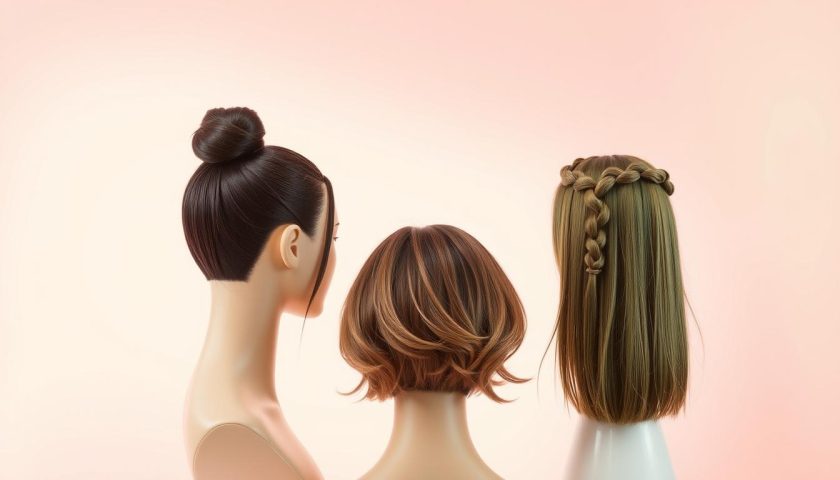
Choosing the best styles for greasy hair starts with your texture and daily routine. The right haircut can hide oil and shorten your morning styling time.
Quick Answer: What Is the Best Haircut for Greasy Hair?
Layered bobs, blunt lobs, textured pixies, and face-framing cuts are the most effective options for managing oily roots.
These cuts rank among the best styles for greasy hair because they add volume and movement. They lift hair away from the scalp, so oil buildup looks less noticeable all day.
Key Takeaways for Choosing a Low-Maintenance Cut
Consider these essential factors when selecting your next look to ensure it remains polished with minimal effort.
- Shape and Length: Opt for cuts that provide natural lift at the roots.
- Texture: Adding subtle layers can prevent hair from clumping together due to excess sebum.
- Wash Routine: Choose a style that looks intentional even on days when you skip a wash.
- Fringe Choices: Be cautious with heavy bangs, as they often absorb oil from your forehead quickly.
- Minimal Product: Select a cut that holds its shape without requiring heavy gels or waxes.
What a Good Cut Can and Cannot Do
A professional haircut improves movement, shape, and styling flexibility, but it does not change your natural oil production.
The right cut can make hair look clean longer, but it cannot replace a consistent hair-care routine. Treat your haircut as a styling tool, not a permanent fix for scalp health.
| Style | Best For | Maintenance Level |
|---|---|---|
| Blunt Lob | Adding weight and fullness | Low |
| Textured Pixie | Reducing root visibility | Medium |
| Long Layers | Movement and volume | Low |
| Shag Cut | Natural, messy aesthetic | Medium |
If you enjoy this topic, you may also like our guides on clarifying shampoo for bleached hair, routine shampoo review, best volumizing hair cream, does conditioner go bad and best mousse for volume.
What “Greasy Hair” Means in Simple Words
Before visiting a salon, learn why your hair becomes greasy. Understanding your scalp can help you follow tips for managing greasy hair and choose a style that suits your biology.
How Oil Changes the Look and Behavior of Your Hair
The Impact of Sebum on Hair Structure
Sebum is a natural scalp oil that keeps hair hydrated. When it builds up, it can change how your hair sits and moves.
Excess sebum can make roots look flat against the scalp. It can also make strands clump, reducing volume and making hair look thinner than it is. Bangs and layers may lose their shape and bounce when weighed down by oil.
How to Assess Your Hair Before Booking a Cut
Your Pre-Appointment Checklist
To find the best greasy hair solutions, first understand your unique hair profile. Before your next appointment, evaluate these parts of your hair:
- Hair Density: How much hair do you have on your head?
- Strand Thickness: Are your individual strands fine, medium, or coarse?
- Natural Texture: Is your hair straight, wavy, or does it have natural curl patterns?
- Root and End Condition: Note how quickly your roots get oily compared to your ends.
- Growth Patterns: Identify any stubborn cowlicks that affect how your hair falls.
- Wash Schedule: How often do you currently wash your hair to maintain a fresh look?
Greasy Hair Versus Naturally Fine or Flat Hair
Distinguishing Oil from Texture
Tell apart naturally fine hair from hair weighed down by oil. Fine or straight hair often lacks volume, even after a thorough wash.
Greasy hair feels light and airy after washing but loses volume as the day goes on. Heavy or sticky hair likely has excess sebum, not just a naturally flat texture.
When a Haircut Is Not the Main Solution
Seeking Professional Guidance
A great haircut can improve your routine, but it cannot fix scalp health issues. Persistent flaking, intense itching, or sudden oil changes may need another solution.
We recommend discussing ongoing scalp concerns with a qualified professional, such as a dermatologist or a trichologist. They can provide personal advice, address the root cause, and give your hair care journey a healthy foundation.
Haircut for Greasy Hair: Best Shape Ideas by Length
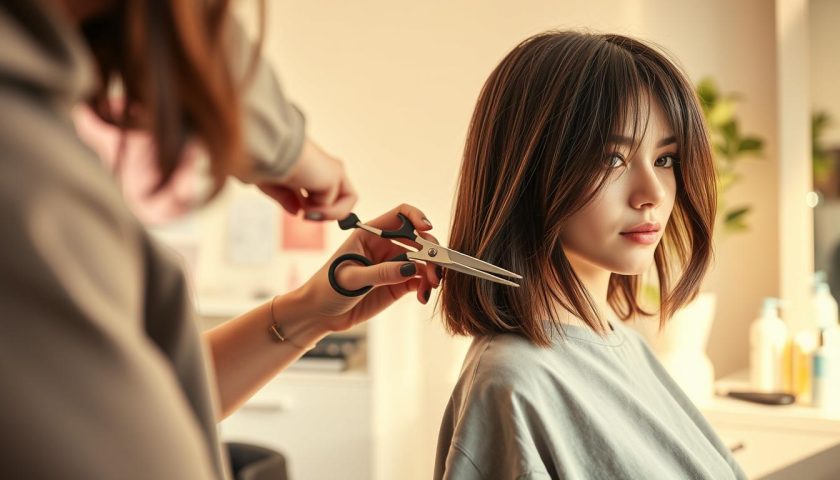
Excess scalp oil can make hair look greasy, but the right cut shape can help. Choosing a smart style keeps your hair polished and intentional. With professional haircuts for oily hair, your style works with your natural texture.
Blunt Bob for Clean-Looking Shape and Fuller Ends
Chin-length and jaw-length bobs create a crisp outline
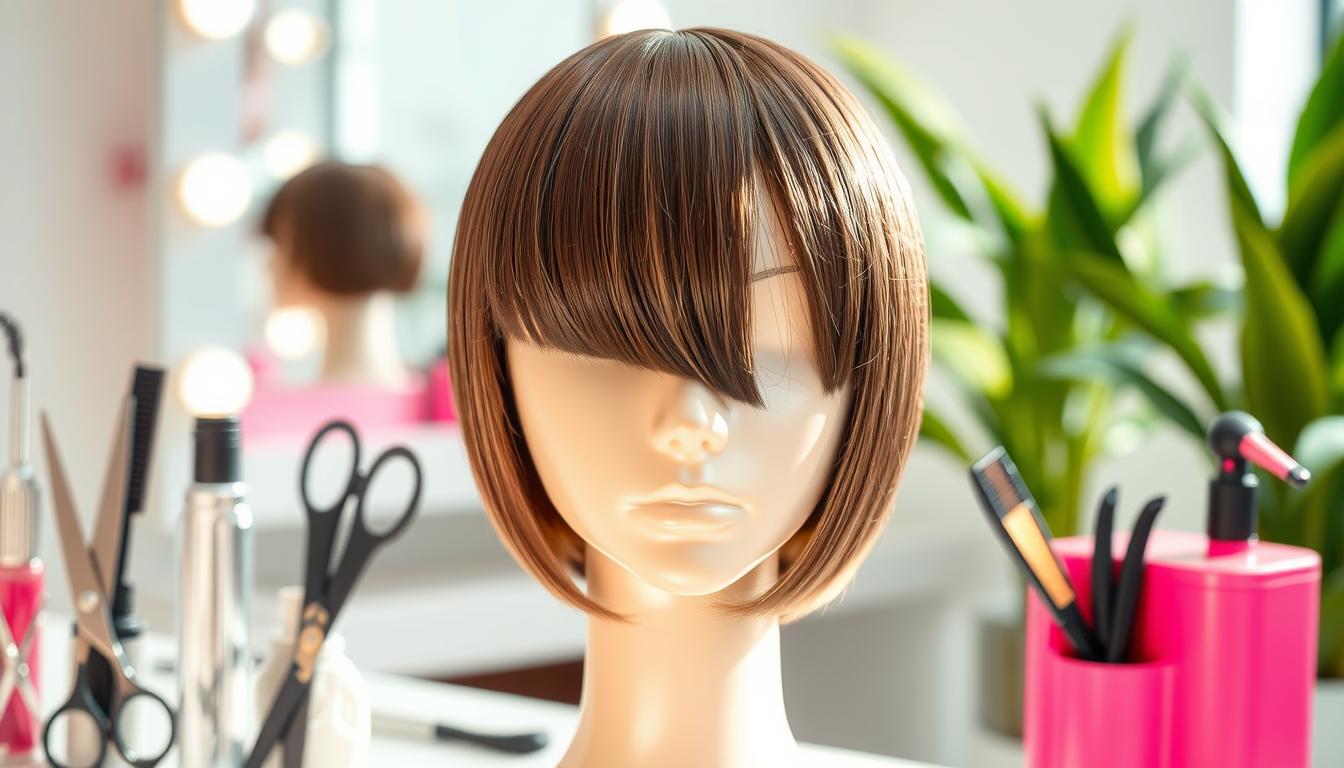
A blunt bob suits straight or lightly wavy hair. Removing damaged or thin ends creates a crisp, healthy outline that draws attention from oily roots. It also reduces the limp look often linked with oily hair.
Textured Lob for Flexible Styling
Collarbone-length lobs offer movement without excessive layering
If you want more length, a collarbone-length lob offers a useful balance. It creates movement without heavy layers that might trap oil. Wear it straight, add soft waves, or tuck it behind your ears for a clean look.
Long Layers for Hair You Prefer to Keep Long
Strategically placed long layers and face-framing pieces
Long hair can still have volume. Choose long, strategic layers that add body without many short pieces near the crown. Avoid excessive short layers, because oily roots can make them separate and look stringy.
Pixie and Short Crop Cuts for Low-Product Routines
Tapered sides and longer textured tops
Short crops suit people who want less styling time. Tapered sides keep the shape tight, while a longer top adds quick-refresh texture. These cuts need little product, which helps prevent buildup near the scalp.
Shag-Inspired Cuts and Soft Wolf Cut Variations
Airy layers and natural texture
Shag-inspired cuts use airy layers for volume and movement. They can look great, but styling may keep the ends from separating. If your hair is very fine, ask your stylist for soft layers and avoid a piecey look.
Haircut Ideas for Curly, Wavy, and Coily Hair
Curl-preserving layers and dry-cut considerations
For textured hair, a curl-preserving layers approach is essential. Rounded shapes preserve volume, while dry-cutting shows how your hair falls. Ask your stylist to use lightweight products near the scalp, so your natural pattern stays full.
- Blunt cuts provide the most weight and fullness.
- Long layers add movement without the risk of stringy roots.
- Short crops reduce the need for heavy styling products.
| Style | Maintenance | Best For |
|---|---|---|
| Blunt Bob | Low | Straight/Fine Hair |
| Textured Lob | Medium | Versatile Styling |
| Pixie Cut | Low | Minimal Product |
Ultimately, the best haircut for greasy hair should match your lifestyle and maintenance preferences. Work with a professional to tailor these shapes to your density and enjoy a fresh look every day.
For more ideas in the same style, read haircut styles for curly hair female, soft autumn hair colors, haircuts for shoulder length hair, heatless curl methods and best hairdo for oval face.
Compare the Best Styles for Greasy Hair
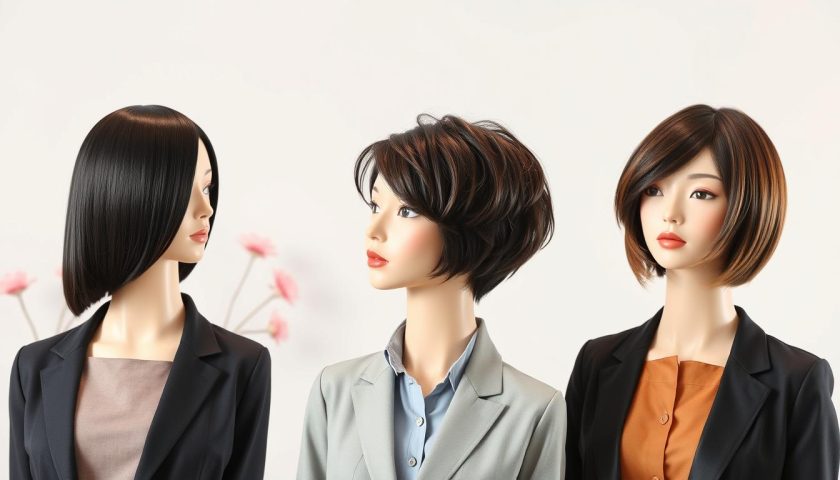
Choosing among various trendy cuts for oily hair can help you keep a fresh look longer. The right shape can reduce visible oil by adding volume and stopping hair from lying flat against your scalp.
Comparison Table: Cut, Length, Volume, and Maintenance
Style Performance Matrix
| Cut Type | Best Texture | Styling Time | Root Visibility | Upkeep |
|---|---|---|---|---|
| Blunt Bob | Straight/Fine | Low | Low | High |
| Textured Lob | Wavy/Medium | Medium | Medium | Medium |
| Long Layers | Thick/Wavy | High | High | Low |
| Pixie Crop | All | Low | Low | High |
| Soft Shag | Wavy/Curly | Medium | Low | Medium |
Best For and Avoid If
Matching Cuts to Your Lifestyle and Hair Type
Fine, straight hair often suits a blunt bob because it creates a dense, polished look. Thick, curly hair suits layers because they remove bulk and keep natural oils from weighing hair down.
An active lifestyle suits a pixie crop because it needs little daily styling. Avoid long, one-length cuts if you dislike daily care, since they show grease faster than shorter, textured cuts.
How Fringe and Face-Framing Pieces Affect Oily Roots
Fringe Styles and Oil Management
Curtain bangs frame the face well, but they touch the forehead and may collect oil faster. Blunt bangs look clean but need frequent washing to stop greasy strands from separating.
Side-swept bangs offer a middle ground because they touch the forehead less than blunt styles. To avoid constant refreshing, choose no fringe to keep roots clean throughout the day.
Choosing Between a Clean Blunt Edge and Soft Layers
Polished Shapes Versus Movement
Blunt edges are a staple among trendy cuts for oily hair because they look polished and intentional with minimal styling. This clean line helps hair look thicker and healthier, even between washes.
Soft layers add movement and volume, which can hide oily roots by lifting hair from the scalp. They create a softer look but often need more daily shaping to keep their intended silhouette.
Related reading: hair styling foam for curly hair, benefits of deep hair conditioning with heat, how to grow hair faster naturally in, best skincare products of all time and best powder foundation.
How to Choose and Request Your Haircut
Choose a style that fits your lifestyle and your hair’s natural behavior. A great haircut for greasy hair should simplify your morning routine.
Step 1: Define Your Wash Schedule and Styling Time
Help readers choose a cut that fits daily washing, second-day styling, air-drying, gym routines, work requirements, and preferred maintenance effort
Be honest about your daily habits before you sit in the chair. If you hit the gym each morning or work in a fast-paced environment, choose a style that handles sweat and humidity.
Consider whether you prefer air-drying or have time for a blow-dry. A low-maintenance cut should look intentional when you are in a rush.
Step 2: Match the Cut to Your Hair Texture and Density
Explain how fine, medium, thick, straight, wavy, curly, and coily hair respond differently to weight, layering, and graduation
Your texture affects how your hair holds oil and volume. Fine, straight hair often loses shape quickly, so blunt edges can create a fuller look.
Thick or curly hair may need careful weight removal to keep roots from looking heavy. Discuss how your density responds to graduation and layering with your stylist.
Step 3: Bring Useful Reference Photos
Recommend showing front, side, and back examples with a similar hair texture, length, density, and styling level
Visual aids help you communicate clearly. Bring photos showing hair with a texture and density similar to yours.
Choose reference images showing the style from several angles. This helps your stylist see how the layers or perimeter should fall.
Step 4: Ask for the Right Cutting Techniques
Cover light internal layering, face-framing, controlled texturizing, clean perimeter work, and avoiding excessive thinning that can create flyaways
Specific cutting techniques for greasy hair can improve how your style holds up. Ask for clean perimeter work to keep the ends sharp and healthy.
Request light internal layers for movement without unwanted frizz. Avoid excessive thinning, which can create flyaways and make hair look unkempt.
Step 5: Explain Your Root and End Concerns to Your Stylist
Suggest specific language for discussing oily roots, dry ends, flatness, bangs, product buildup, and the amount of daily styling you will realistically do
Use clear language to describe your daily concerns. Tell your stylist, “My roots get oily by midday, but my ends feel dry and brittle.”
Mention product buildup or hair that falls flat at the crown. Specific details help your stylist tailor the shape to your needs.
Step 6: Confirm the Grow-Out Plan
Include questions about trim frequency, how the shape will look between appointments, and which sections can be pinned or restyled
A good cut should still look great as it grows out. Ask how often you need trims to maintain its shape.
Ask which sections you can pin back or restyle between washes. Planning for grow-out helps your investment last longer.
Want to keep going? Explore nail color trends, best korean skincare for acne-prone skin in, trending toenail colors, nail paint peel off and red nail polish.
Styling Techniques That Help Hair Look Fresher
A clean look is possible when your hair feels oily. Adjust your routine to keep volume and shine without heavy buildup or a greasy appearance.
Start With Lightweight, Targeted Products
Explain why shampoo, conditioner, leave-in products, oils, and creams should be placed according to scalp and hair needs rather than applied heavily at the roots
Fresh hair depends on product placement. Always focus your conditioner and moisturizing creams on the mid-lengths and ends, as these areas are drier and need hydration.
Keep heavy oils and leave-in treatments away from your scalp. They can flatten your roots and attract dirt, making hair look greasy sooner.
Build Root Lift Without a Stiff Finish
Cover rough-drying, changing your part, using a vent brush, and applying a small amount of lightweight root product when appropriate
For lasting volume, rough-dry your hair upside down until it is mostly dry. This lifts hair from the scalp and keeps it from lying flat against natural oils.
A vent brush can direct airflow toward your roots while you dry. For extra hold, use a tiny amount of lightweight root-lifting spray, but avoid a stiff or sticky finish.
Use Dry Shampoo Thoughtfully
Plan guidance for applying dry shampoo before roots become very oily, brushing through buildup, and following label directions
Many people wait until their hair looks greasy before using dry shampoo. It works best as prevention, before bed or when oil first appears.
Follow the bottle directions, and hold the nozzle at the recommended distance for even coverage. Let it sit for a minute, then brush through your hair to remove white residue and spread the product.
Refresh the Lengths Without Adding Grease
Suggest reworking ends with a brush, water mist, heat protectant when using hot tools, or a small amount of lightweight styling product
Refresh dull or frizzy ends without adding heavy oils. A light water mist reshapes hair, while a round brush smooths tangles.
Before using a flat iron or curling wand, always apply a heat protectant first to prevent damage. Use only a pea-sized amount of lightweight styling cream to tame flyaways without weighing down your hair.
Easy Hairstyles for Oily Hair Days
Include a polished low bun, sleek ponytail, claw-clip twist, half-up style, headband look, and soft braid with notes on avoiding excessive tension
When time is short, many hairstyle ideas for oily hair look intentional and chic. A polished low bun or sleek ponytail can hide oily roots and keep hair off your face.
- Claw-clip twist: A quick way to add volume and hide flat roots.
- Half-up style: Keeps the top section secure while letting the rest of your hair flow.
- Headband look: A stylish accessory that masks the hairline where oil often appears first.
- Soft braid: A gentle way to style your hair without pulling too tightly, which can cause breakage.
When to Wash, Restyle, or Wear a Protective Style
Explain how to choose between washing, refreshing, changing the part, or using a simple updo based on oil level and hair texture
Choose whether to wash based on your comfort and hair texture. If your strands feel heavy and itchy, a full wash usually resets scalp health.
When oil is minimal, change your part to reveal fresh, fuller hair underneath. Between washes, a simple updo keeps your look polished and professional.
Readers who liked this also checked out foaming cleanser for oily skin, neutral nail colors, bronzer for dark skin, fall gel nail colors and best nail polish for summer.
Greasy Hair Care and Maintenance Mistakes to Avoid
Mastering your routine means spotting small habits that cause buildup and limp strands. A proper greasy hair care guide helps maintain volume and freshness between washes.
Using Too Much Product Near the Scalp
Explain how oils, heavy creams, waxes, and rich conditioners can make roots appear flatter or dirtier more quickly
Heavy styling products on your roots can quickly reduce volume. Oils, waxes, and rich creams trap dirt and sebum against the scalp. Apply conditioner only to your hair’s mid-lengths and ends.
Overusing Dry Shampoo Without Cleansing
Describe why layering powder or aerosol products repeatedly can leave visible residue and reduce softness, movement, and scalp comfort
Dry shampoo helps, but using it for days can create gritty buildup and dull your natural shine. This buildup can make hair feel stiff and uncomfortable. If you need constant refreshment, use a professional clarifying shampoo to reset scalp health.
Choosing Excessive Thinning or Too Many Short Layers
Explain how aggressive texturizing can create frizz, uneven ends, or extra separation that makes oily strands more noticeable
Aggressive thinning shears can backfire by creating too much separation. Overly textured strands may clump together when natural oils appear. This stringy look can require frequent washing.
Touching, Brushing, or Adjusting Hair Constantly
Show how frequent contact can transfer oil and disturb volume, especially around the hairline and crown
Your hands transfer natural oils to your hair whenever you touch it. Constant brushing or adjusting can also encourage more sebum production. Keep your hands away from your face and crown to preserve lift.
Ignoring Tools, Pillowcases, and Hair Accessories
Include a practical cleaning checklist for brushes, combs, styling tools, hats, headbands, and pillowcases
Dirty tools can return oil and debris to freshly washed hair. A clean environment is vital for any greasy hair care guide.
- Brushes and Combs: Remove hair daily and wash with warm soapy water weekly.
- Pillowcases: Change your silk or cotton cases at least once a week to prevent oil buildup.
- Styling Tools: Wipe down flat irons and curling wands to remove product residue.
- Accessories: Regularly wash headbands and hats that sit against your hairline.
Washing With Water That Is Too Hot or Scrubbing Too Aggressively
Recommend gentle handling, thorough rinsing, and following product directions without presenting hair-care advice as medical treatment
Extremely hot water can remove scalp moisture and may trigger extra oil production. Choose lukewarm water and gently massage your scalp with your fingertips. Rinse thoroughly to remove product, since residue can weigh hair down.
| Common Mistake | Impact on Hair | Recommended Fix |
|---|---|---|
| Heavy Product Use | Flat, greasy roots | Apply only to ends |
| Excessive Dry Shampoo | Stiff, dull texture | Use clarifying wash |
| Dirty Brushes | Re-deposits oil | Weekly cleaning |
| Hot Water Washing | Scalp irritation | Use lukewarm water |
Expert Tips from Sawera Shahid for Styling Greasy Hair
Achieving a fresh look requires balance between your chosen shape and daily habits. Sawera Shahid says a great haircut for greasy hair should match your natural texture and density, not trends.
Prioritize flexible cuts, such as blunt bobs or controlled layers. These shapes reduce the need for heavy styling products that weigh down your roots. When you learn how to manage your scalp, you create a better foundation for any style.
Expert tips for styling greasy hair include using dry shampoo sparingly and keeping your tools clean. Use lightweight products only on the ends to maintain volume. If you choose fringe, keep it trimmed to prevent oil buildup against your forehead.
A suitable cut improves your hair’s shape and movement, but regular care remains vital. Follow a routine with regular trims and careful product placement. Your hair will look cleaner and feel lighter with the right cut and simple daily habits.
You can also browse what is a solar nail, best eyebrow gel and best nail wraps guide for more inspiration.
Frequently Asked Questions
What are the best styles for greasy hair to help disguise oily roots?
The most effective best styles for greasy hair include layered bobs, blunt lobs, and textured pixies. These cuts create lift and movement at the crown. They keep hair from lying flat against the scalp and absorbing excess sebum as quickly as long, heavy styles.
Can a professional haircut for oily hair actually reduce the amount of oil my scalp produces?
A professional haircut for oily hair can improve your hair’s look and behavior, but it cannot change biological oil production. A great cut provides greasy hair solutions by making hair easier to style and less likely to look flat. However, you still need a consistent greasy hair care guide and washing routine.
What specific cutting techniques for greasy hair should I request from my stylist?
Ask for light internal layering and controlled texturizing. These cutting techniques for greasy hair add “air” and help separate oily strands. Avoid aggressive thinning with shears, which can cause flyaways and stringy ends.
Are bangs recommended if I struggle with a greasy forehead or oily roots?
Bangs can be tricky, but curtain bangs or bottleneck bangs often work better than blunt fringe. They touch your forehead less and are easier to “spot wash” in the sink or refresh with dry shampoo. When choosing trendy cuts for oily hair, these face-framing options offer the most flexibility.
How can I style my hair on second or third-day roots without it looking messy?
Try sophisticated hairstyle ideas for oily hair, such as a polished low bun, a sleek high ponytail, or a claw-clip twist. These styles use the natural “grip” from second-day oil to create a smooth, editorial finish. The result looks intentional rather than unwashed.
What are the most common mistakes people make when following a greasy hair care guide?
Avoid heavy conditioners and styling creams near the scalp; apply moisture products only to the mid-lengths and ends. Also, expert tips for styling greasy hair from professionals like Sawera Shahid suggest avoiding constant touching or running your fingers through your hair. This habit transfers oils from your skin directly to your strands.
How do I choose between a blunt edge and soft layers for my hair type?
If fine hair becomes stringy easily, a blunt bob or edge can make the ends look thicker and healthier. If thicker hair feels weighed down, soft layers or a shag-inspired cut can provide lift. Both are excellent tips for managing greasy hair, depending on your hair’s density.
What advice does Sawera Shahid offer for maintaining a fresh look between salon visits?
A: Sawera Shahid emphasizes keeping your hair’s environment clean. Her expert tips for styling greasy hair include washing your hairbrushes and pillowcases weekly. This keeps old oil and product buildup from returning to your fresh haircut for greasy hair. She also recommends a trim every 6–8 weeks to keep the shape crisp and ends from looking limp.