Key Takeaways
- What is a curly cut? It is a haircut designed around your natural waves, curls or coils instead of treating the hair like it is straight.
- A curly cut focuses on shape, shrinkage, curl pattern, volume, layers and how the hair falls when styled naturally.
- Curly cuts can help reduce triangle shape, heavy ends, uneven curl clumps and flat roots.
- Wavy hair can also benefit from a curly cut, especially when it needs movement and better layering.
- Some curly cuts are done dry, some wet, and some use both methods depending on the stylist and hair type.
- Arrive with your hair styled naturally so the stylist can see your real curl pattern.
- A good curly cut should match your lifestyle, styling habits and maintenance level, not just a photo trend.
What is a curly cut? A curly cut is a haircut made specifically for hair that naturally waves, curls or coils. Instead of cutting the hair as if every strand falls straight, a curly cut looks at how your texture actually behaves. It considers curl shrinkage, curl clumps, uneven spring, volume, density, frizz, layering and the shape your hair forms when it dries naturally.
This is why many people with waves or curls feel disappointed after a regular haircut. The hair may look fine while wet or blown out, then suddenly dry into a triangle, uneven layers, bulky ends or short pieces that bounce up more than expected. A curly cut tries to avoid that by shaping the hair around its real pattern.
What Is a Curly Cut?
A curly cut is a haircut designed for natural texture. It is usually created by a stylist who understands waves, curls, coils, shrinkage and curl-by-curl shape. The goal is not only to remove length. The goal is to create a haircut that works with your natural pattern.
A curly cut can help:
- Shape curls more evenly
- Reduce heavy triangle-shaped hair
- Add movement to waves
- Improve curl clumping
- Remove damaged ends
- Balance volume
- Frame the face
- Make wash day styling easier
- Help curls sit better when dry
The American Academy of Dermatology advises people with curly hair to choose products made for their hair type, condition with every wash, comb thick or curly hair in the shower before rinsing out conditioner, and protect hair from excessive heat. Read the AAD curly hair care tips for dermatologist-backed curl care guidance.
For related hair care reading, start with shampoo to clarify hair, benefits of deep hair conditioning with heat, and professional clarifying shampoo guide.
Curly Cut vs Regular Haircut
A regular haircut often focuses on length, basic layers and a shape that may be checked while the hair is wet, brushed straight or blown out. That works for many straight hair types, but it can miss what happens when curls dry and spring back.
A curly cut pays attention to the finished curl shape. It asks: Where does the curl shrink? Which curls sit higher? Which areas get bulky? Where does the hair need movement? Where should weight stay?
| Feature | Regular Haircut | Curly Cut |
|---|---|---|
| Main focus | Length and general shape | Curl pattern, shrinkage and natural shape |
| Hair state | Often cut wet or stretched | May be cut dry, wet or both |
| Best for | Straight or easy-to-predict hair | Wavy, curly, coily and textured hair |
| Layering | May not account for curl bounce | Designed around curl shrinkage and volume |
| Result goal | Clean shape when brushed or styled | Balanced shape when worn naturally |
Why Curly Hair Needs a Different Cut
Curly hair does not fall in one smooth line. Each curl bends, shrinks, expands and sits differently. One section may be loose and wavy, while another section may be tighter and springier. This is normal.
A regular haircut may accidentally create problems because it assumes the hair will behave evenly. With curls, the same inch of hair can look much shorter once dry. A curly cut tries to work with that reality.
Curly Hair Challenges a Curly Cut Can Address
- Shrinkage
- Uneven curl patterns
- Flat crown
- Bulky sides
- Heavy ends
- Triangle shape
- Stringy curls
- Frizz from damaged ends
- Lack of movement
- Face-framing issues
Is a Curly Cut Good for Wavy Hair?
Yes, a curly cut can be good for wavy hair. Wavy hair often sits between straight and curly, which means a standard haircut may make it fall flat or become bulky at the ends.
A curly cut for wavy hair usually focuses on movement, soft layers and shape. It should not remove too much weight if your waves need weight to form. It should also avoid layers that are too short if your waves stretch easily.
Wavy Hair May Need a Curly Cut If:
- Your waves look flat at the roots.
- Your ends feel heavy.
- Your hair forms a triangle shape.
- Your waves disappear after a haircut.
- Your layers look choppy when air-dried.
- Your hair looks better curly but the cut only works straight.
- Your wash day routine feels harder after every trim.
Is a Curly Cut Good for Curly Hair?
Curly hair often benefits from a curly cut because curls need shape to sit well. Without the right shape, curls can become heavy, uneven or hard to style.
A curly cut can help curls look more balanced and intentional. It can also remove damaged ends that make curls look frizzy or stretched.
Curly Hair May Need a Curly Cut If:
- Your curls feel shapeless.
- Your ends look thin or stringy.
- Your crown is flat but the bottom is huge.
- Your curls do not clump well.
- Your haircut looks good only when straightened.
- Your layers bounce up unevenly.
- You want more volume without losing all your length.
Dry Curly Cut vs Wet Curly Cut
Some curly specialists cut hair dry. Others cut wet. Some use a mix of both. The right method depends on the stylist, your curl pattern, your goals and how you usually wear your hair.
| Cut Type | How It Works | Best For |
|---|---|---|
| Dry curly cut | Hair is cut while curls are dry and visible | Seeing shrinkage, shape and curl-by-curl fall |
| Wet curly cut | Hair is cut wet, often with technical sectioning | Even structure, length control and some curl types |
| Combination cut | Hair is shaped dry, then refined wet or after styling | Balanced approach for many waves and curls |
A dry curly cut can be helpful because the stylist sees the real shape. A wet cut can still work well when the stylist understands shrinkage. The method matters less than whether the stylist understands textured hair.
7 Things to Know Before Getting a Curly Cut
1. Your Curl Pattern May Not Be the Same Everywhere
Most people do not have one perfect curl type all over the head. You may have waves near the crown, tighter curls underneath and looser pieces around the face. A curly cut should work with that variation.
This is why curl-by-curl shaping can be helpful. It allows the stylist to see where different areas sit naturally.
2. Shrinkage Changes the Final Length
Curly hair often looks longer wet and shorter dry. This is shrinkage. A good curly cut accounts for it before removing too much length.
If you are nervous, tell your stylist exactly how much length you are comfortable losing when your hair is dry, not just wet.
3. Layers Can Help, but Only the Right Layers
Layers can make curly hair look lighter, rounder and more balanced. But poorly placed layers can create frizz, gaps or unwanted puffiness.
Wavy hair may need long soft layers. Curly hair may need more shape around the crown. Coily hair may need careful sculpting that respects density and shrinkage.
4. A Curly Cut Should Match Your Real Routine
A haircut should not require a complicated routine you will never follow. If you air-dry, tell your stylist. If you diffuse, tell your stylist. If you straighten your hair sometimes, mention that too.
The best curly cut works with your real life, not just a salon finish.
5. Product Buildup Can Affect the Appointment
Heavy oils, gels, dry shampoo and creams can hide your natural curl pattern. Arrive with clean, styled curls, but not stiff or heavily coated hair.
If your hair feels coated before the appointment, read shampoo to clarify hair for a simple reset.
6. Curly Bangs Need Extra Planning
Curly bangs can look beautiful, but they shrink more than expected. Ask your stylist to cut them carefully and slowly. It is safer to start longer and adjust later.
Bring photos of curly bangs on hair similar to your texture, not only straightened bangs.
7. Aftercare Matters
A curly cut can improve shape, but your routine still matters. Conditioner, gentle detangling, curl cream, gel, mousse, diffusing technique and sleeping style can all affect how the cut looks at home.
For softness after hair reset days, read benefits of deep hair conditioning with heat.
What Happens During a Curly Cut Appointment?
Every stylist has a different method, but many curly cut appointments follow a similar flow. The stylist will look at your natural hair, ask about your routine, discuss your goals, shape the cut, wash or style if included, then refine the finish.
A Curly Cut May Include:
- Consultation about your hair goals
- Checking curl pattern and density
- Looking at shrinkage and face shape
- Dry cutting or wet cutting
- Layering based on curl movement
- Removing damaged or thin ends
- Washing and conditioning
- Styling curls naturally
- Final dry shaping
- Routine tips for home
How to Prepare for a Curly Cut
Preparation helps your stylist understand your natural pattern. Do not arrive with straightened hair if you want a cut for curls. Do not slick your hair into a tight bun. Do not arrive with heavy buildup that hides curl movement.
Before Your Appointment
- Wash your hair within the stylist’s requested timeframe.
- Style it naturally, close to how you usually wear it.
- Avoid heavy oils or sticky gels.
- Do not brush the curls out before the appointment.
- Bring reference photos.
- Know how much length you are willing to lose.
- Be honest about how much styling time you want daily.
A curly cut is easier when the stylist sees your real curl behavior.
What to Ask Your Stylist
Asking the right questions can prevent disappointment. A curly cut is not only about “taking off two inches.” It is about the shape you want to live with.
Good Questions to Ask
- Do you cut curly hair dry, wet or both?
- How much shrinkage do you see in my hair?
- Will this cut work if I air-dry?
- Will this cut still work if I straighten my hair sometimes?
- Do I need layers for my curl pattern?
- How often should I refresh this shape?
- What styling routine would you recommend?
- Should I clarify before my next appointment?
Curly Cut Shapes to Consider
A curly cut can create many shapes. The best one depends on your hair length, texture, density, face shape and styling habits.
| Curly Cut Shape | Best For | Style Effect |
|---|---|---|
| Rounded curly cut | Curly and coily hair | Balanced volume and soft shape |
| Long layered curly cut | Wavy and curly long hair | Movement without losing too much length |
| Curly shag | Waves and loose curls | Volume, texture and face framing |
| Curly bob | Shorter curls or waves | Chic shape with bounce |
| Face-framing curly layers | Most curl types | Softness around the face |
| Volume-focused curly cut | Flat roots or heavy ends | Lift and shape |
Curly Cut for Long Hair
Long curly hair can become heavy. When the ends weigh down the shape, curls may look stretched, flat at the crown or triangular at the bottom.
A curly cut for long hair may include long layers, face-framing pieces and shaping around the crown. The goal is movement without sacrificing too much length.
Curly Cut for Short Hair
Short curly hair needs careful shaping because shrinkage can change the final look quickly. A small trim can feel like a big change once the curls dry.
For short curls, shape matters more than length. Ask your stylist how the cut will sit when fully dry and styled naturally.
Curly Cut for Fine Wavy Hair
Fine wavy hair can lose shape easily. Too much layering may make it look stringy, while no layering may make it look flat.
Fine Wavy Hair Tips
- Ask for soft layers, not heavy chopping.
- Avoid removing too much density.
- Use lightweight styling products.
- Do not over-condition if hair gets limp.
- Consider face-framing pieces for shape.
Curly Cut for Thick Curly Hair
Thick curly hair may need shape and weight balance. Removing weight in the wrong place can create frizz or uneven volume, so the stylist should work carefully.
Thick Curly Hair Tips
- Ask for shape, not random thinning.
- Be cautious with thinning shears.
- Keep enough weight for curl clumping.
- Add layers where volume needs balance.
- Use conditioner and detangling support.
AAD notes that if hair is thick or curly, combing in the shower before rinsing out conditioner can help reduce damage and support easier detangling.
How Often Should You Get a Curly Cut?
Most people refresh a curly cut every 8 to 16 weeks, but the right schedule depends on your style and hair condition. Short curly cuts may need more frequent shaping. Long curly cuts may last longer.
| Hair Goal | Possible Trim Schedule | Note |
|---|---|---|
| Short curly bob | Every 6 to 10 weeks | Shape changes faster |
| Medium curly cut | Every 8 to 12 weeks | Good for maintaining layers |
| Long curly hair | Every 12 to 16 weeks | Depends on ends and shape |
| Growing hair out | Light trims as needed | Keep shape without removing too much length |
| Damaged curls | More frequent small trims | Gradually remove damaged ends |
Curly Cut Aftercare
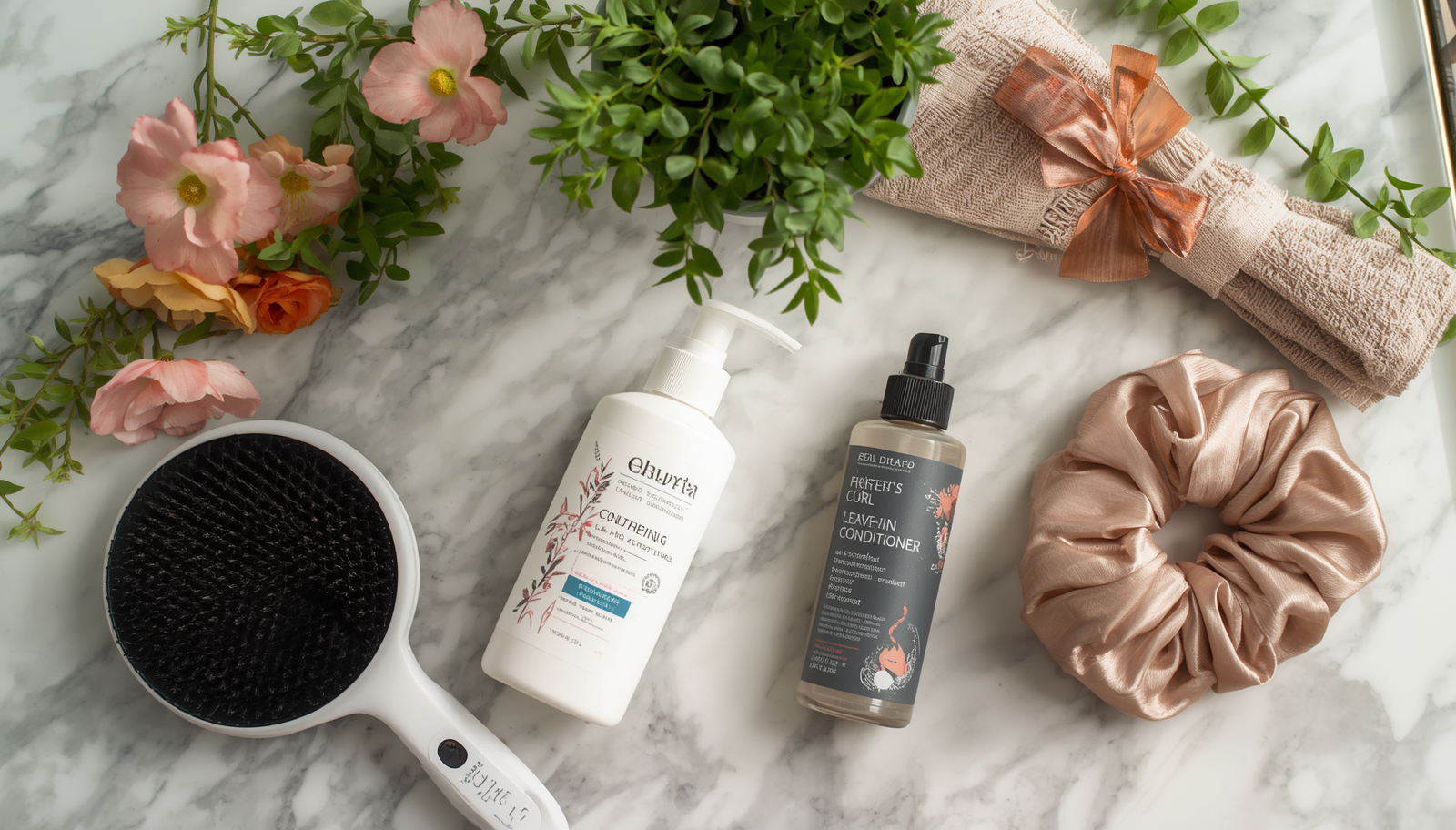
After a curly cut, give yourself a few wash days to learn the new shape. Sometimes curls need a little time to settle, especially if damaged ends were removed or layers changed.
Aftercare Tips
- Use conditioner after shampooing.
- Detangle gently with conditioner in the hair.
- Use a microfiber towel or soft cotton shirt.
- Avoid rough towel rubbing.
- Use lightweight curl cream, mousse or gel based on your hair type.
- Diffuse on low heat or air-dry if preferred.
- Refresh curls with water or light leave-in product.
For wash-day reset support, read shampoo to clarify hair and Routine shampoo and conditioner guide.
Common Curly Cut Mistakes
Mistake 1: Cutting Too Much While Hair Is Wet
Wet curls can look much longer than dry curls. If shrinkage is not considered, the finished haircut may be shorter than expected.
Mistake 2: Using Layers That Are Too Short
Short layers can create volume, but they can also create puffiness if placed badly. Layers should match your curl pattern and density.
Mistake 3: Removing Too Much Weight
Some curls need weight to clump. Over-thinning can cause frizz, uneven curl formation or wispy ends.
Mistake 4: Arriving With Straightened Hair
If you want a cut for natural curls, your stylist needs to see your curls. Straightened hair hides your real shape and shrinkage.
Mistake 5: Choosing a Style That Does Not Fit Your Routine
A curly shag may look amazing, but it may need styling effort. A long layered cut may be easier if you prefer low maintenance.
Mistake 6: Skipping Hair Health
A haircut can improve shape, but dry or damaged hair still needs care. Conditioning, gentle detangling and heat protection matter.
Mistake 7: Expecting One Cut to Fix Everything
A curly cut helps shape, but curl health also depends on routine, products, water quality, damage, styling and trims.
Expert Tips from Sawera Shahid
Sawera Shahid, a beauty, skincare, fashion and lifestyle writer with 5+ years of experience, recommends treating a curly cut as a shape strategy, not just a trim. The best curly haircut should make your natural texture easier to wear, not harder.
- Arrive with your natural texture visible.
- Bring photos of hair similar to your curl type.
- Tell your stylist if you air-dry or diffuse.
- Ask how much shrinkage your cut will have.
- Do not agree to heavy thinning if your curls frizz easily.
- Use conditioner and gentle detangling after the cut.
- Clarify only when buildup affects curl shape.
- Give the new cut a few wash days before judging it fully.
Soft Glow Style Internal Reading Map
Use these related Soft Glow Style guides to build a stronger hair care, beauty, skincare, makeup, nail, fashion and lifestyle routine around what is a curly cut. This section includes 100+ internal links for stronger topical support.
Hair Care and Shower Routine Links
- shampoo to clarify hair
- benefits of deep hair conditioning with heat
- professional clarifying shampoo guide
- clarifying shampoo for bleached hair
- can I use shampoo as body wash
- does conditioner go bad
- Routine shampoo review
- Routine shampoo and conditioner guide
- hair growth guide
Skincare Routine Links
- dermaplaning for sensitive skin
- serum at night
- hydrating face mask for dry skin
- skincare infused makeup
- best skincare products guide
- 5 step Korean skincare routine
- how to layer Korean skincare
- Korean skincare set for glowing skin
- Korean skincare sets that actually work
- best Korean skincare for acne-prone skin
- Korean acne skincare top picks
- foaming cleanser for oily skin
- fungal acne cleanser guide
- face wash for fungal acne
- does argan oil clog pores
- raw honey mask for face
- ice water face dip
- benefits of ice bath for face
- visible pores are a flex
- visible pores and skin texture guide
- Korean beauty standards explained
- American beauty standards explained
Beauty and Makeup Links
- Soft Glow Style beauty hub
- what is tinted moisturizer
- sweat resistant makeup
- bronzer vs blush
- bronzer for dark skin
- what eyeshadow with brown eyes
- heatproof makeup in hot weather
- no makeup makeup routine
- cloud skin makeup base
- cloud skin vs glass skin guide
- blurry blush soft glam trend
- blurryface makeup and modern beauty flaws
- lip gloss layering for plump lips
- faux freckles trend guide
- metallic faux freckles beauty idea
- Tumblr beauty trends coming back
- how beauty standards affect mental health
- popular beauty blogs to follow
- Dime Beauty and Empire Beauty explainer
- American Beauty rose makeup inspiration
- vintage American Beauty rose shade
Nail Art and Pedicure Links
- Soft Glow Style nail art hub
- summer pedicure nail colors
- cat eye nail colors
- soap nails polish
- pastel nail colors 2026
- white nail polish ideas
- types of nails at salon
- what is hard gel nails
- multi color French tip nails
- water nails vs chrome nails comparison
- best nail polish for summer 2026
- July nail colors 2026
- ice cream nails manicure trend
- ice cream nails color ideas
- best nail polish stickers
- lifestyle nail bar guide
- lifestyle nail bars and beauty spaces
- how to match nail art with skincare
Fashion and Outfit Links
- Soft Glow Style fashion hub
- what to wear in Miami
- what to wear to a Broadway show
- fashion tips to look stylish
- best fashion tips and tricks
- 15 piece capsule closet that feels wearable
- 15 piece capsule closet starter guide
- ethereal fashion in real life
- ethereal girl aesthetic guide
- coquette core power suits
- power suits and ballet flats
- tomato girl summer style
- tomato girl meets olive green
- underconsumption core minimalist trend
- underconsumption core when minimalism feels real
- vintage tees and boxers outfit guide
- vintage tees paired with slip skirts
- mismatched shoes 2.0 pattern guide
- mismatched shoes trend guide
- feral girl fall trend
- tapestry hoodie style guide
- Euriental fashion and luxury travel
- Oh So Jack fashion and lifestyle
- science of appearance and men’s grooming
Lifestyle and Wellness Links
- Soft Glow Style lifestyle hub
- luxury family travel and lifestyle
- Sunday reset routine that feels realistic
- Sunday reset that actually works
- silent wellness trend explained
- digital detox wellness trend
- digital nostalgia is back
- digital nostalgia and MP3 culture
- wellness fridges trend guide
- wellness fridges and beauty storage
- how to start a healthy lifestyle
- importance of a healthy lifestyle
- what is sedentary lifestyle
- romanticize solo life
- lifestyle blog for women and family routines
- outdoor lifestyles for escaping screens
- outdoor lifestyles and adventure guide
- make a studio smell expensive using simple habits
- make a studio smell expensive guide
- decorate with books quiet luxury hack
- decorate with books for a softer home
- aesthetic burnout and vibe curation
Trending Reads and Site Hubs
- featured Soft Glow Style reads
- Soft Glow Style blog archive
- where to watch True Beauty
- Bold and Beautiful comings and goings
- Sleeping Beauty of Everest truth
- Sleeping Beauty Everest chilling story
- Sleeping Beauty Mount Everest heartbreaking story
- Andrea Chong fashion travel lifestyle blog
- about Soft Glow Style
- contact Soft Glow Style
Frequently Asked Questions
What is a curly cut?
A curly cut is a haircut designed around natural waves, curls or coils. It focuses on curl pattern, shrinkage, shape, volume and how the hair falls when worn naturally.
Is a curly cut different from a regular haircut?
Yes. A regular haircut may be cut wet or brushed straight, while a curly cut considers how curls bounce, shrink, clump and sit when dry.
Is a curly cut good for wavy hair?
Yes. Wavy hair can benefit from a curly cut when it needs movement, shape, soft layers or less heaviness at the ends.
Should a curly cut be done dry or wet?
Some curly cuts are done dry, some wet and some use both methods. Dry cutting helps the stylist see the real curl shape and shrinkage.
How often should I get a curly cut?
Many people refresh a curly cut every 8 to 16 weeks depending on length, curl pattern, damage, growth and how quickly the shape changes.
What should I avoid before a curly cut?
Avoid straightening your hair, brushing out your curls, using heavy oils or arriving with product buildup. Wear your hair close to how you normally style it.
Final Thoughts
What is a curly cut? It is a haircut that respects how wavy and curly hair actually behaves. Instead of cutting only for wet length or straightened shape, a curly cut considers shrinkage, curl clumps, volume, layers and the way your hair dries naturally.
A good curly cut can make waves and curls easier to style, more balanced and more flattering. The best result comes from choosing a stylist who understands texture, arriving with your natural pattern visible and keeping your aftercare routine gentle. Your curls do not need to be forced into a straight-hair haircut. They need a shape that works with them.
Final Recap
- A curly cut is designed for natural waves, curls and coils.
- It considers shrinkage, volume, curl pattern and dry shape.
- Wavy hair can benefit from a curly cut too.
- Curly cuts may be dry, wet or a combination of both.
- Arrive with your hair styled naturally for the appointment.
- Ask your stylist about layers, shrinkage and maintenance.
- Good aftercare helps your curly cut look better at home.