Key Takeaways
- Raw honey mask for face can feel soothing and hydrating for some skin types, but it is not a miracle skincare treatment.
- Honey may help skin feel softer because it can act like a humectant, meaning it helps attract and hold moisture.
- Raw honey may feel gentle on dry or dull skin, but acne-prone, sensitive or allergy-prone skin should patch test first.
- Do not use raw honey on broken skin, infected skin, active rashes, severe irritation or around the eyes.
- People allergic to honey, pollen, bees or bee products should avoid honey masks.
- Keep a honey mask short, about 10 to 15 minutes, and rinse it off fully with lukewarm water.
- A raw honey mask can support a glow routine, but cleanser, moisturizer, sunscreen and consistent skincare still matter more.
Raw honey mask for face sounds like the perfect natural glow trick: one kitchen ingredient, soft skin, and a dewy finish. But is it actually helpful, or just a sticky mistake waiting to happen? The answer is somewhere in the middle. Raw honey can make some skin feel softer and calmer, but it is not right for everyone, and it should be used carefully.
What Is a Raw Honey Mask for Face?
A raw honey mask for face is a simple DIY skincare step where you apply a thin layer of raw honey to clean skin, leave it on briefly, then rinse it off. People usually try it for softness, glow, dryness, dullness, rough texture or a quick soothing effect.
Raw honey is different from highly processed honey because it is usually less heated and less filtered. Some people prefer raw honey for skincare because it feels thicker and more natural. Others choose manuka honey because it is often discussed for its antibacterial and wound-care properties.
Still, a face mask is not the same as a medical dressing. Honey used in clinical wound care is usually prepared and controlled differently from a jar in your kitchen. So it is better to think of a honey face mask as a gentle cosmetic trick, not a medical skin treatment.
If you are building a full routine, pair this topic with the Soft Glow Style beauty hub, our 5 step Korean skincare routine, and our how to layer Korean skincare guide.
Raw Honey Mask for Face: Gentle Glow or Sticky Mistake?
A raw honey mask can be a gentle glow step if your skin tolerates honey well, you use it briefly, and you rinse it properly. It becomes a sticky mistake when you leave it on too long, use it on irritated skin, skip patch testing, or expect it to fix acne, pigmentation, wrinkles or a damaged skin barrier overnight.
Honey has been studied for wound care and antimicrobial properties, especially medical-grade or manuka honey. Cleveland Clinic notes that pharmaceutical-grade manuka honey dressings have been used clinically for burns and pressure ulcers, and that manuka honey contains antioxidants along with antibacterial and antifungal properties. That does not mean every raw honey jar is automatically a safe acne cure, but it does explain why honey has a strong reputation in skin care conversations.
| Claim | Reality |
|---|---|
| Honey makes skin glow | It may make skin look softer and hydrated temporarily |
| Honey cures acne | No, it should not replace acne treatment |
| Honey is always gentle | No, allergies and irritation can happen |
| Honey removes dark spots | No strong proof for fading pigmentation as a DIY mask |
| Honey can replace moisturizer | No, moisturizer still supports the skin barrier |
| Honey can be left overnight | Not recommended because it is sticky and may irritate |
7 Possible Benefits of Raw Honey Mask for Face
1. It May Make Skin Feel Softer
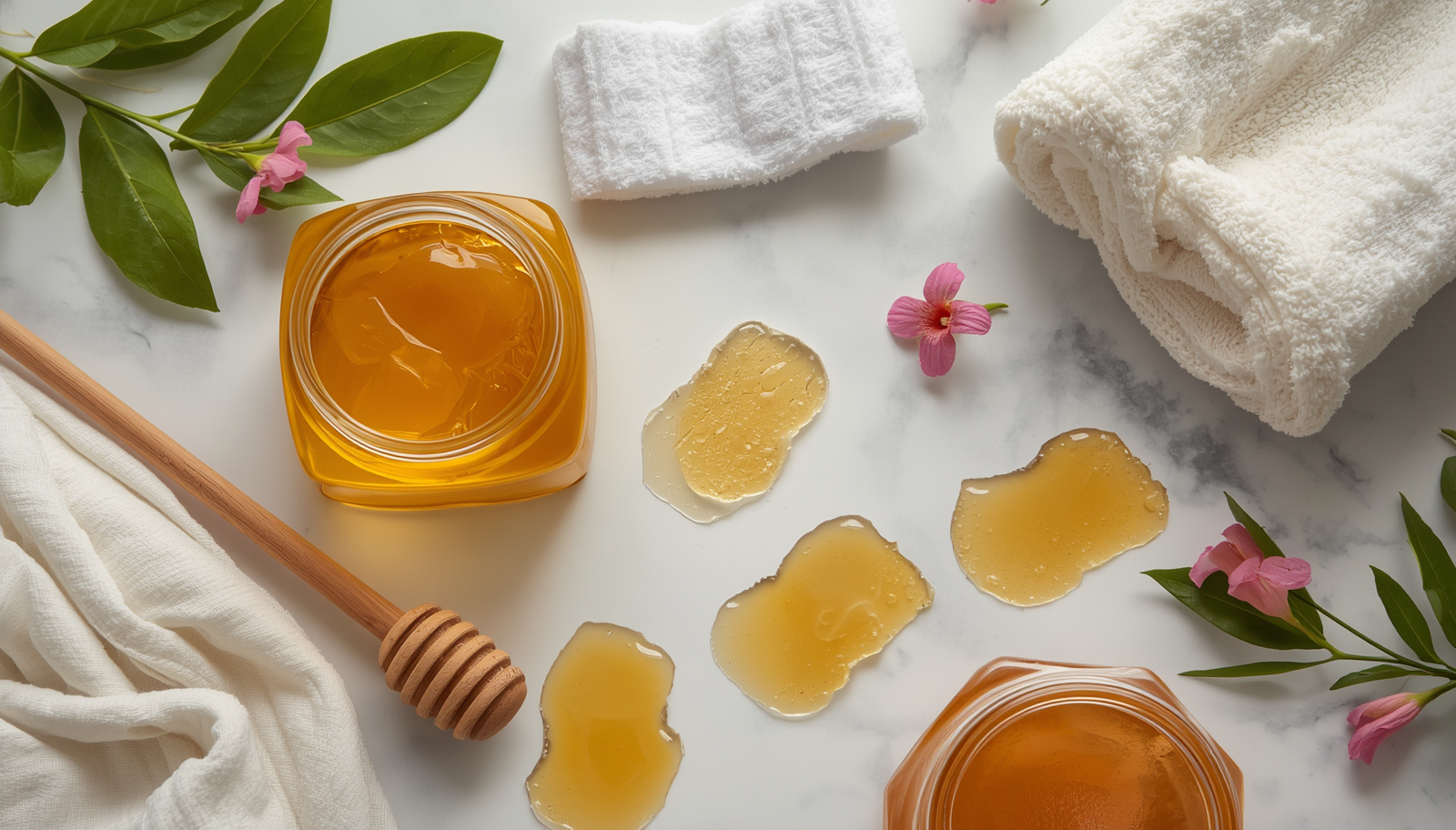
Honey can make skin feel softer because it has a smooth, sticky texture that sits on the skin and helps reduce a tight, dry feeling for a short time. When rinsed off properly, many people notice their face feels more comfortable.
This does not mean honey replaces moisturizer. Think of it as a temporary softening mask that still needs to be followed with a real moisturizer.
2. It Can Give a Temporary Glow
A raw honey mask may make skin look fresh because it adds a hydrated-looking finish. When dull skin is only slightly dry or tired, a short honey mask can make the face look more awake.
For stronger glow results, build a consistent routine with gentle cleansing, moisturizer and sunscreen. Start with our best skincare products guide and Korean skincare set for glowing skin.
3. It May Feel Soothing on Dry Skin
Dry skin often feels tight, rough or uncomfortable. A thin honey mask can feel soothing for some people because it gives the skin a coated, cushioned feeling while it is on.
If your skin stings, burns or turns red, rinse it off. Natural does not always mean your skin will like it.
4. It May Support a Simple Self-Care Routine
Sometimes a mask helps because it slows you down. A 10-minute honey mask can become part of a quiet routine where you cleanse, mask, rinse, moisturize and reset.
For routine-based beauty habits, read Sunday reset routine that feels realistic and Sunday reset that actually works.
5. It May Be Useful Before a Soft Makeup Look
If your skin feels dry or dull, a brief honey mask before makeup may help the face feel smoother. Rinse it completely, moisturize, apply sunscreen in the morning, then wait before makeup.
This can pair well with a no makeup makeup routine, tinted moisturizer, or a soft cloud skin makeup base.
6. It May Be Less Harsh Than Some DIY Masks
Compared with lemon juice, baking soda, toothpaste or harsh scrubs, honey is often a gentler DIY option. It does not have sharp scrub particles, and it is not extremely acidic or alkaline like some risky homemade treatments.
Still, honey can irritate some people, especially if they are allergy-prone. Patch testing matters.
7. It Can Be Easy and Affordable
A honey mask is simple. You do not need many steps or expensive tools. You only need clean skin, a small amount of honey, clean hands or a clean brush, and lukewarm water for rinsing.
The key is using it neatly and briefly, not turning it into a sticky overnight experiment.
Raw Honey Mask Risks: What to Know First
The main risks are irritation, allergy, messiness, eye contact and using honey when your skin actually needs medical care. Honey is natural, but natural ingredients can still cause reactions.
| Risk | What It Can Look Like | What to Do |
|---|---|---|
| Allergy | Itching, swelling, redness, hives | Rinse off and avoid honey masks |
| Irritation | Burning, stinging, warmth, redness | Remove immediately |
| Messiness | Honey dripping into hair, lips or eyes | Use a thin layer only |
| Acne frustration | No improvement or clogged feeling | Return to proven acne routine |
| Broken skin exposure | Stinging or contamination risk | Avoid DIY masks on broken skin |
Do not apply raw honey to open wounds, infected skin, deep cracks, severe rashes, burns or active skin infections. If you have a skin condition that is painful, spreading, bleeding or not improving, a dermatologist is safer than a DIY mask.
Who Should Avoid a Raw Honey Face Mask?
A honey mask is not for everyone. Skip it if your skin or allergy history makes it risky.
Avoid Raw Honey Masks If:
- You are allergic to honey.
- You react to pollen, bees or bee products.
- Your skin is broken, bleeding or infected.
- You have a severe active rash.
- Your face is sunburned or peeling.
- You have just used strong exfoliants or peels.
- Your skin burns easily with new products.
- You cannot rinse it off fully and gently.
If your skin is very reactive, a fragrance-free moisturizer is usually safer than a homemade mask. For barrier-friendly routine ideas, see foaming cleanser for oily skin, fungal acne cleanser guide, and face wash for fungal acne.
How to Use Raw Honey Mask for Face Safely
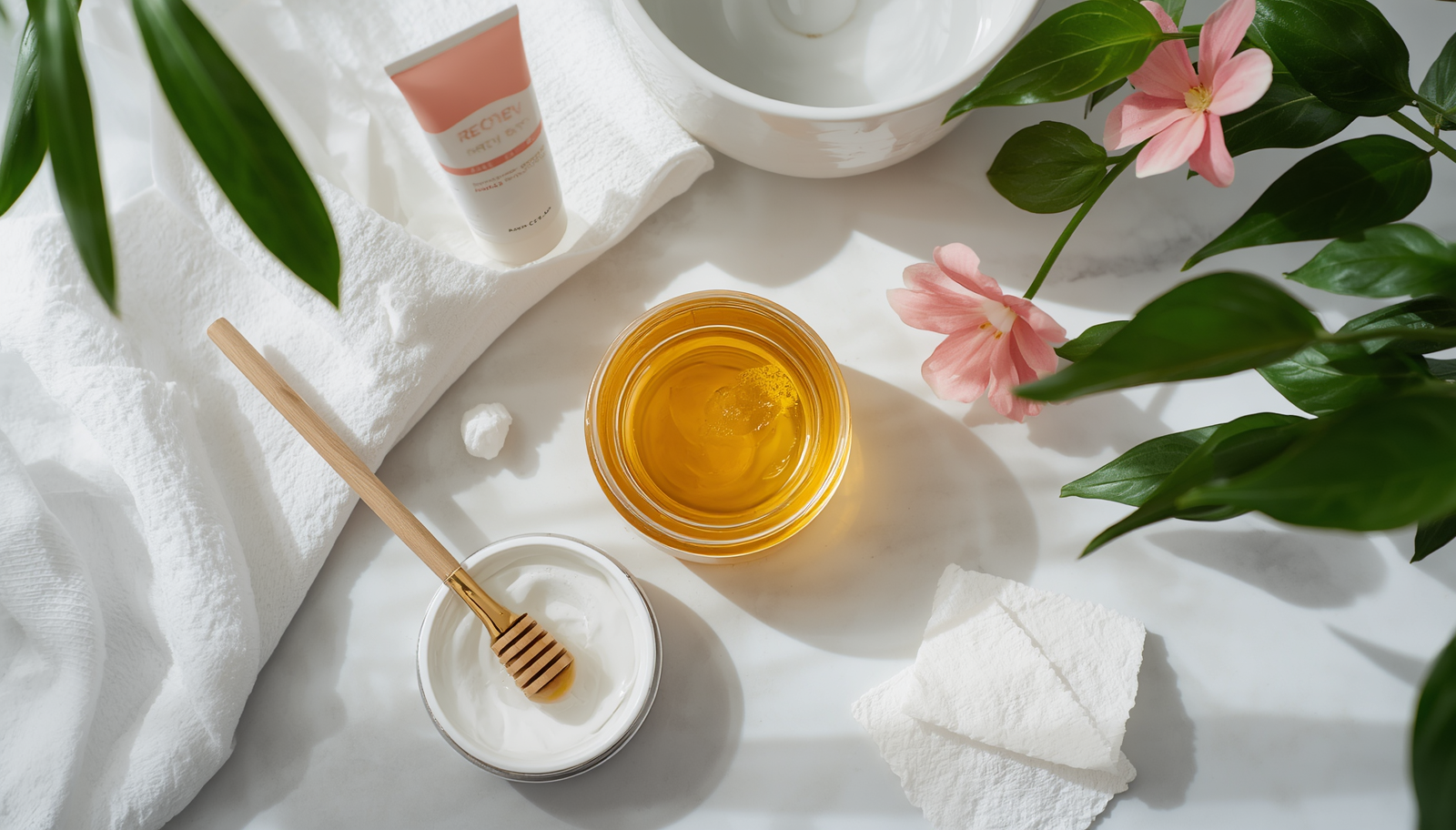
If you want to try a raw honey mask, keep it clean, simple and short.
Step 1: Patch Test First
Apply a tiny amount of honey to a small area, such as the jawline or inner arm. Wait and watch for itching, redness, swelling, burning or bumps.
If your skin reacts, do not use it on your full face.
Step 2: Cleanse Gently
Start with clean skin. Remove makeup, sunscreen and sweat before masking. A honey mask should not sit on top of dirty skin.
For a basic routine order, use our 5 step Korean skincare routine and how to layer Korean skincare.
Step 3: Apply a Thin Layer
Damp skin can make honey easier to spread. Use a thin layer only. Thick honey will drip, feel uncomfortable and become harder to rinse.
Step 4: Avoid Eyes and Lips
Do not apply honey near the lash line, eyelids or inside the lips. Honey can migrate as it warms on the skin.
Step 5: Leave It On for 10 to 15 Minutes
You do not need a long mask session. Ten to fifteen minutes is enough for most people. Do not sleep with honey on your face.
Step 6: Rinse With Lukewarm Water
Use lukewarm water and gentle circular motions. Do not scrub. If honey feels stuck, soften it with water first.
Step 7: Moisturize After
Pat your face dry and apply moisturizer. If it is morning, apply sunscreen before going outside.
Raw Honey Mask for Dry Skin
Dry skin is one of the better matches for a honey mask, as long as the skin is not cracked, burning or actively irritated. Honey may make dry skin feel softer for a short time, especially when followed with moisturizer.
Simple Dry Skin Honey Mask
- Cleanse gently.
- Apply a thin layer of raw honey to damp skin.
- Leave on for 10 minutes.
- Rinse with lukewarm water.
- Apply moisturizer while skin is still slightly damp.
If your skin is severely dry or flaky, skip DIY mixing and use a proper barrier cream instead.
Raw Honey Mask for Oily Skin
Oily skin can try honey carefully, but it should not expect honey to control oil long-term. A honey mask may feel soothing, but oil control comes from a balanced routine.
If you have oily skin, do not mix honey with harsh ingredients like lemon juice or baking soda. Those can irritate the skin and make oiliness feel worse later.
For oily skin routine support, read foaming cleanser for oily skin, best Korean skincare for acne-prone skin, and Korean acne skincare top picks.
Raw Honey Mask for Acne-Prone Skin
Honey is often discussed for acne because of its antibacterial and soothing reputation. But acne is complex. It can involve oil, clogged pores, inflammation, bacteria, hormones, product reactions and skin barrier issues.
A raw honey mask may feel calming for some acne-prone people, but it should not replace acne treatments or a dermatologist’s plan. It may also do nothing for clogged pores, blackheads or hormonal acne.
Use Honey Carefully If You Have Acne
- Patch test first.
- Use clean hands or a clean mask brush.
- Do not apply to picked pimples or open spots.
- Do not mix with lemon juice.
- Rinse fully.
- Stop if breakouts worsen.
For acne-related reading, explore best Korean skincare for acne-prone skin, visible pores are a flex, and visible pores and skin texture guide.
Raw Honey Mask for Sensitive Skin
Sensitive skin should be careful with any DIY mask. Even gentle-looking ingredients can trigger redness, itching or burning.
If you have sensitive skin, apply honey to a small area first. Keep the mask short. Do not mix it with essential oils, cinnamon, turmeric, lemon juice or exfoliating powders.
Better Sensitive Skin Approach
- Use plain raw honey only.
- Apply for 5 to 10 minutes, not longer.
- Rinse with lukewarm water.
- Apply a bland moisturizer.
- Do not repeat if skin feels hot or itchy.
Raw Honey vs Manuka Honey for Face
Raw honey and manuka honey are not exactly the same. Raw honey is a general term for honey that is less processed. Manuka honey comes from nectar of the manuka plant and is especially known for its antibacterial activity in wound-care discussions.
| Type | What It Means | Best Use Mindset |
|---|---|---|
| Raw honey | Less processed honey | Simple DIY mask for softness if tolerated |
| Manuka honey | Honey known for stronger antimicrobial reputation | More expensive option, still patch test |
| Medical-grade honey | Prepared for controlled medical use | Wound care under medical guidance |
| Honey skincare product | Formulated cosmetic with honey extract | Often cleaner and easier than DIY honey |
If you want fewer mess and hygiene concerns, a formulated honey skincare product may be easier than applying kitchen honey to your face.
Honey Mask Ingredients to Avoid Mixing
DIY skincare often becomes risky when people start mixing too many kitchen ingredients. Honey alone is already sticky. It does not need harsh add-ons.
Avoid Mixing Honey With:
- Lemon juice
- Baking soda
- Toothpaste
- Cinnamon
- Undiluted essential oils
- Salt scrubs
- Coarse sugar scrubs
- Strong exfoliating acids
These combinations can irritate the skin, especially if your barrier is already weak.
Raw Honey Mask Before Makeup
A honey mask before makeup can work if your skin is dry or dull and you rinse it completely. The goal is soft skin, not sticky skin.
Pre-Makeup Honey Mask Routine
- Cleanse gently.
- Apply a thin honey layer for 10 minutes.
- Rinse very well with lukewarm water.
- Pat dry.
- Apply moisturizer.
- Apply sunscreen in the morning.
- Wait a few minutes before makeup.
For makeup pairing, read what is tinted moisturizer, cloud skin makeup base, and cloud skin vs glass skin guide.
Can You Leave Raw Honey on Your Face Overnight?
It is better not to sleep with raw honey on your face. Honey is sticky, can transfer to your pillow, may move toward your eyes, and may irritate skin if left on too long.
A short mask is cleaner and safer. If you want overnight hydration, use a proper moisturizer or sleeping mask made for facial skin.
How Often Should You Use a Raw Honey Mask?
Most people should treat a raw honey mask as an occasional glow step, not a daily requirement.
| Skin Type | Suggested Approach | Stop If You Notice |
|---|---|---|
| Normal skin | Occasionally when skin feels dull | Redness or bumps |
| Dry skin | Occasionally, followed by moisturizer | Stinging or tightness |
| Oily skin | Try rarely and rinse well | Clogged or greasy feeling |
| Acne-prone skin | Patch test and keep it simple | Breakouts worsen |
| Sensitive skin | Use with caution or skip | Burning, itching, swelling |
Raw Honey Mask vs Store-Bought Face Mask
A raw honey mask is simple, but a store-bought mask may be easier to control. Formulated skincare products are made with texture, preservation, packaging and skin feel in mind.
| Option | Pros | Cons |
|---|---|---|
| Raw honey mask | Simple, affordable, softening for some skin | Sticky, messy, allergy risk, not formulated |
| Honey skincare mask | Cleaner texture, easier application, formulated | May include fragrance or irritants |
| Hydrating sheet mask | Easy and less messy | Some formulas can irritate sensitive skin |
| Barrier cream | Better for very dry or compromised skin | Less “spa-like” than a mask |
If your skin is sensitive, a fragrance-free moisturizer may be a better choice than any DIY face mask.
Common Raw Honey Mask Mistakes
Mistake 1: Using Too Much Honey
A thick layer will drip and feel uncomfortable. A thin layer is enough.
Mistake 2: Leaving It On Too Long
Longer is not better. Keep it around 10 to 15 minutes and rinse fully.
Mistake 3: Mixing It With Harsh Ingredients
Do not mix honey with lemon juice, baking soda, cinnamon or essential oils. These can irritate your skin.
Mistake 4: Using It on Broken Skin
Do not apply kitchen honey to cuts, picked pimples, burns or infected areas.
Mistake 5: Skipping Moisturizer
Honey is not a complete moisturizer. Use a gentle moisturizer after rinsing.
Mistake 6: Expecting It to Cure Acne
Honey may feel calming, but acne usually needs a consistent routine and sometimes proven treatments.
Mistake 7: Ignoring Allergies
If you react to honey, pollen, bees or bee products, do not use honey on your face.
Expert Tips from Sawera Shahid
Sawera Shahid, a beauty, skincare, fashion and lifestyle writer with 5+ years of experience, recommends treating a raw honey mask as a gentle occasional glow step, not a full skincare solution. The best result comes when you keep it clean, short and simple.
- Patch test before using honey on your face.
- Use a thin layer on clean, slightly damp skin.
- Keep it away from the eyes and lips.
- Do not leave honey on overnight.
- Do not mix honey with lemon, baking soda or essential oils.
- Rinse with lukewarm water and avoid scrubbing.
- Apply moisturizer afterward.
- Stop if you feel itching, burning, swelling or strong redness.
Soft Glow Style Internal Reading Map
Use these related Soft Glow Style guides to build a better skincare, beauty, makeup and lifestyle routine around natural glow habits.
Skincare Routine Links
- Soft Glow Style beauty hub
- best skincare products for routine building
- simple 5 step Korean skincare routine
- how to layer Korean skincare correctly
- Korean skincare set for glowing skin
- Korean skincare sets that actually work
- best Korean skincare for acne-prone skin
- Korean acne skincare top picks
- foaming cleanser for oily skin
- fungal acne cleanser guide
- face wash for fungal acne
- visible pores are a flex
- visible pores and skin texture guide
- ice water face dip
- benefits of ice bath for face
Makeup and Beauty Links
- no makeup makeup routine
- what is tinted moisturizer
- cloud skin makeup base
- cloud skin vs glass skin guide
- blurry blush soft glam trend
- blurryface makeup and modern beauty flaws
- faux freckles trend guide
- metallic faux freckles beauty idea
- lip gloss layering for plump lips
- heatproof makeup for hot weather
- American beauty standards guide
- how beauty standards affect mental health
Hair and Nail Beauty Links
- professional clarifying shampoo guide
- clarifying shampoo for bleached hair
- Routine shampoo review
- Routine shampoo and conditioner guide
- hair growth guide
- Soft Glow Style nail art hub
- types of nails at salon
- what is hard gel nails
- white nail polish ideas
- multi color French tip nails
Lifestyle and Wellness Links
- Soft Glow Style lifestyle hub
- Sunday reset routine that feels realistic
- Sunday reset that actually works
- silent wellness trend explained
- digital detox wellness trend
- wellness fridges trend guide
- wellness fridges and beauty storage
- how to start a healthy lifestyle
- importance of a healthy lifestyle
- romanticize solo life
- Soft Glow Style blog archive
Frequently Asked Questions
Is a raw honey mask good for your face?
A raw honey mask can be good for some people when used briefly and carefully. It may make skin feel softer and more hydrated-looking, but it is not a cure for acne, dark spots, wrinkles or skin disease.
How long should I leave raw honey on my face?
Leave raw honey on your face for about 10 to 15 minutes. Then rinse with lukewarm water, pat dry and apply moisturizer. Do not leave it on overnight.
Can raw honey help acne-prone skin?
Raw honey may feel soothing for some acne-prone skin, but it should not replace proven acne treatments. Avoid applying honey to picked pimples, open spots or irritated skin, and stop if breakouts worsen.
Can I use raw honey on sensitive skin?
Sensitive skin should be careful with raw honey. Patch test first, use plain honey only, keep it on briefly and avoid mixing it with lemon, cinnamon, baking soda or essential oils.
Can I sleep with honey on my face?
No, sleeping with honey on your face is not recommended. It is sticky, messy, may move into the eyes and can irritate skin if left on too long.
What should I apply after a honey face mask?
After a honey face mask, rinse well, pat your face dry and apply a gentle moisturizer. In the morning, finish with sunscreen before going outside.
Final Thoughts
Raw honey mask for face can be a gentle glow step if your skin tolerates it. It may make skin feel softer, smoother and more hydrated-looking for a short time. But it can become a sticky mistake if you skip patch testing, use too much, leave it on overnight or apply it to irritated skin.
Honey has documented uses in medicine, especially in certain wound dressings, and Mayo Clinic notes that honey may help lower swelling and irritation and has ingredients that can help kill bacteria, viruses and fungi. For more general medical context, read the Mayo Clinic honey overview.
Final Recap
- A raw honey mask may make skin feel softer and more hydrated-looking.
- It is best used as a short occasional mask, not an overnight treatment.
- Patch test first, especially if you have sensitive or acne-prone skin.
- Avoid honey masks if you are allergic to honey, pollen, bees or bee products.
- Do not use raw honey on broken, infected or severely irritated skin.
- Rinse with lukewarm water and apply moisturizer afterward.
- For long-term glow, rely on cleanser, moisturizer, sunscreen and a consistent routine.