Key Takeaways
- Can I use shampoo as body wash? Yes, once in a while if you have no other option, but it is not ideal as your daily body cleanser.
- Shampoo is made mainly for hair and scalp, while body wash is made for body skin.
- Some shampoos can leave skin feeling dry, tight, itchy or irritated, especially if your skin is sensitive.
- Avoid using shampoo on the face, intimate areas, eczema patches, rashes, broken skin or freshly shaved skin.
- If you use shampoo on your body in an emergency, use a small amount and rinse very well.
- Moisturize after showering if your skin feels dry or tight.
- For regular use, choose a gentle, fragrance-free body wash or cleanser that suits your skin type.
Can I use shampoo as body wash? You can use it once in a while when you run out of body wash, but it should not become your everyday shower routine. Shampoo and body wash both clean, but they are made for different areas. Shampoo is designed for hair and scalp buildup, while body wash is designed for the skin on your body.
Can I Use Shampoo as Body Wash?
Yes, you can use shampoo as body wash in a pinch. If you are traveling, staying at a hotel, showering at the gym or simply forgot to buy body wash, using shampoo on your body one time is usually not a big problem for most people.
The issue starts when shampoo becomes your regular body wash. Many shampoos are made to remove oil, sweat, styling product and scalp buildup from hair. Body skin has different needs. It can become dry, itchy or uncomfortable if the cleanser is too strong, too fragranced or not moisturizing enough.
So the simple answer is this: shampoo can work as an emergency body wash, but it is not the best daily choice.
For a more balanced beauty routine, you can also read the Soft Glow Style beauty hub, our 5 step Korean skincare routine, and our how to layer Korean skincare guide.
Shampoo vs Body Wash: What Is the Difference?
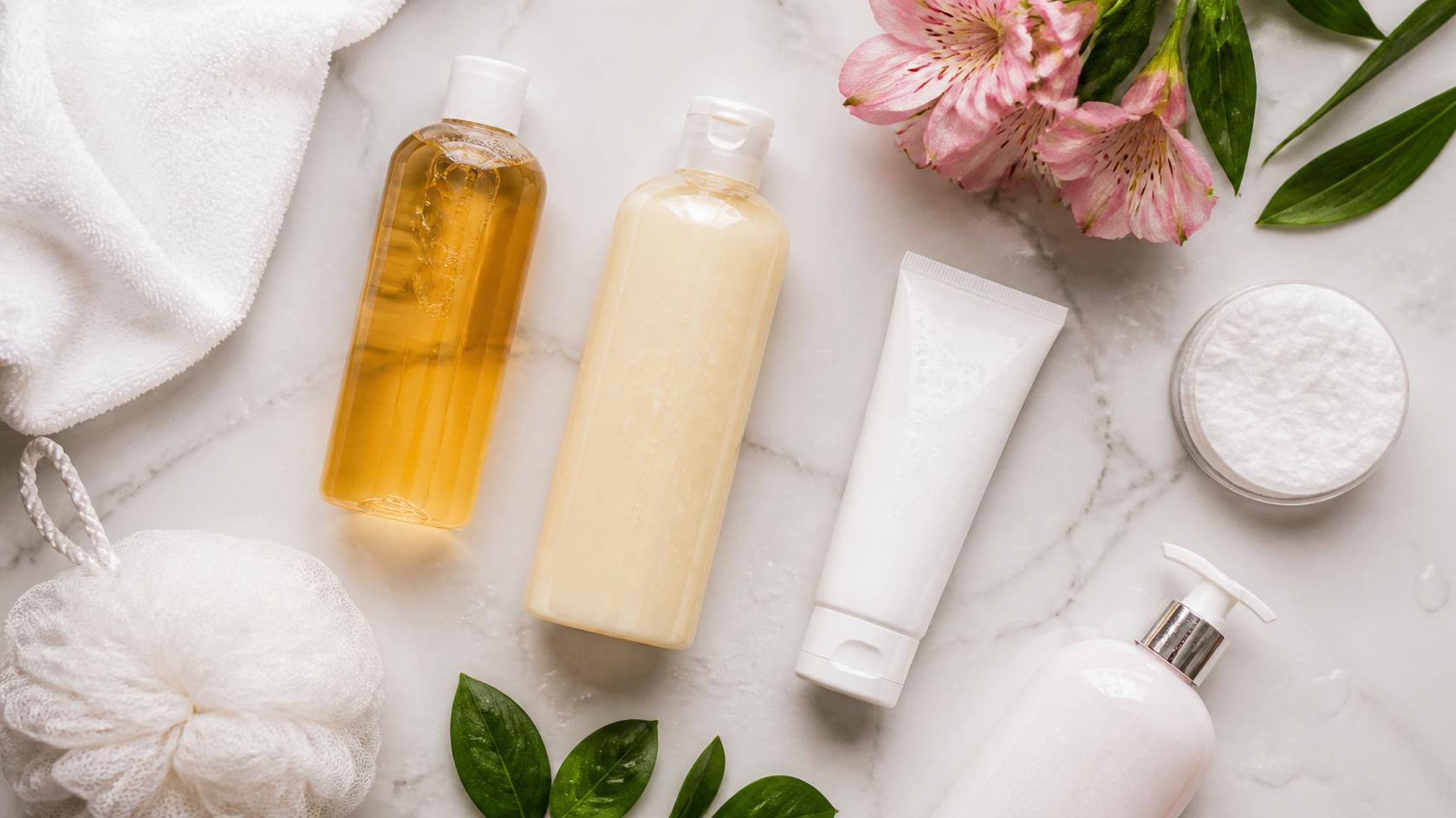
Shampoo and body wash may look similar in the bottle, but they are not always the same. They can both foam, smell nice and rinse away dirt, but their formulas are usually built around different goals.
| Product | Main Purpose | Best Used On | Daily Body Use? |
|---|---|---|---|
| Shampoo | Cleans hair, scalp oil and hair product buildup | Hair and scalp | Only occasionally as a backup |
| Body wash | Cleans body skin without feeling too harsh | Arms, legs, chest, back and body | Yes, if it suits your skin |
| Face cleanser | Cleans facial skin gently | Face and sometimes body in a pinch | Can be gentle but may be expensive for body use |
| Bar soap | Cleans skin, but some formulas can be drying | Hands and body depending on formula | Depends on skin type and soap formula |
If your skin is normal and not sensitive, using shampoo once may not bother you. If your skin is dry, itchy, eczema-prone, acne-prone or reactive, you should be more careful.
7 Things to Know Before Using Shampoo as Body Wash
1. Shampoo Can Be Too Strong for Some Body Skin
Some shampoos are designed to remove oil from hair. That can be useful for greasy roots, but it may feel drying on body skin. If your skin already feels dry after showering, shampoo may make that tight feeling worse.
This is more likely if the shampoo is clarifying, volumizing, anti-dandruff, heavily fragranced or made for deep cleansing. These formulas can be helpful for hair, but not always comfortable for body skin.
If you are curious about stronger hair cleansers, read our professional clarifying shampoo guide and clarifying shampoo for bleached hair.
2. Shampoo May Leave Skin Feeling Sticky or Dry
Some shampoos contain conditioning ingredients that are made to leave hair feeling smooth. On body skin, that same residue may feel slippery, sticky or not fully clean.
Other shampoos may do the opposite and leave the skin feeling too clean, tight or dry. Either reaction is a sign that shampoo is not the best body cleanser for you.
3. Fragrance Can Irritate Sensitive Skin
Many shampoos have strong fragrances. That may smell nice in your hair, but fragrance can irritate sensitive or dry body skin.
The American Academy of Dermatology recommends gentle, fragrance-free products for dry, sensitive skin and notes that some skin care products can be too harsh. For official guidance, read the AAD dry skin care tips.
If your body skin often feels itchy or dry after showering, switch to a fragrance-free body cleanser and moisturize after bathing.
4. Shampoo Is Not Ideal for the Face
Do not use shampoo as face wash. Facial skin is more delicate than body skin and usually needs a gentler cleanser.
Shampoo may sting the eyes, dry out the skin, disturb your routine or trigger irritation. If you need facial cleanser guidance, start with foaming cleanser for oily skin, fungal acne cleanser guide, and face wash for fungal acne.
5. Shampoo Can Bother Body Acne-Prone Skin
If you get breakouts on your back, chest or shoulders, shampoo residue may be part of the problem for some people. Heavy, fragranced or conditioning shampoos can sit on the skin if not rinsed properly.
This does not mean shampoo always causes body acne. But if you notice breakouts around the upper back, shoulders or chest, rinse your hair before washing your body. Then cleanse your body afterward with a gentle body wash.
For acne-prone routine help, read best Korean skincare for acne-prone skin and Korean acne skincare top picks.
6. Shampoo Should Not Be Used on Intimate Areas
Avoid using shampoo on intimate areas. Shampoo is not made for that skin and can cause stinging, dryness, irritation or discomfort.
Use water or a product specifically made for sensitive external intimate cleansing if needed. Do not use fragranced shampoo, clarifying shampoo or anti-dandruff shampoo in that area.
7. Moisturizer Matters After Any Harsh Cleanser
If you used shampoo as body wash and your skin feels tight, dry or itchy, apply moisturizer after showering. This helps your skin feel more comfortable.
For everyday body care, a simple routine is better than over-cleansing. Use a gentle cleanser, rinse well, pat dry and moisturize while your skin is still slightly damp.
When Is It Okay to Use Shampoo as Body Wash?
Using shampoo as body wash is okay when it is occasional and you do not have a better option. Think of it as a backup, not a habit.
It May Be Fine If:
- You only use it once in a while.
- Your skin is not dry or sensitive.
- You use a small amount.
- You avoid your face and intimate areas.
- You rinse thoroughly.
- You moisturize afterward.
- You stop if your skin feels irritated.
A gentle shampoo may be less harsh than a strong clarifying shampoo, but it is still not the same as a body wash.
Some people should avoid using shampoo on the body because their skin is more likely to react.
| Skin Situation | Why Shampoo May Be a Problem | Better Choice |
|---|---|---|
| Dry skin | May feel tighter after cleansing | Creamy fragrance-free body wash |
| Sensitive skin | Fragrance or strong cleansers may irritate | Gentle fragrance-free cleanser |
| Eczema-prone skin | Can worsen dryness or itching | Mild cleanser and moisturizer |
| Body acne | Residue may bother breakout-prone areas | Body wash suited for acne-prone skin |
| Freshly shaved skin | May sting or dry the skin | Gentle hydrating cleanser |
| Broken or irritated skin | Can burn or worsen irritation | Skip harsh cleansing and ask a professional if needed |
What Happens If You Use Shampoo on Your Body Every Day?
If you use shampoo as body wash every day, your skin may be completely fine at first. But over time, some people notice dryness, itching, tightness, dullness or irritation.
Daily shampoo use on the body can be especially uncomfortable if the shampoo is strong, fragranced or not made for sensitive skin.
Possible Signs Shampoo Is Too Harsh for Your Body
- Your skin feels tight after showering.
- Your legs or arms feel itchy.
- Your skin looks dry or flaky.
- You notice redness or stinging.
- Your back or chest breaks out more.
- Your skin feels rough instead of clean.
- Your body lotion burns after showering.
If this happens, switch to a gentle body wash and keep your routine simple for a few weeks.
Can I Use Baby Shampoo as Body Wash?
Baby shampoo may be gentler than some regular shampoos, so it can work as an occasional body wash in a pinch. But it is still designed mainly for hair and scalp, not full body cleansing every day.
If your skin is sensitive, baby shampoo is not automatically perfect. It can still contain fragrance or ingredients that your skin may not like. Always pay attention to how your skin feels afterward.
Can I Use Anti-Dandruff Shampoo as Body Wash?
Do not use anti-dandruff shampoo as your regular body wash unless a dermatologist specifically tells you to use it for a skin concern. Anti-dandruff shampoos can contain active ingredients that may be too strong or drying for everyday body washing.
Some doctors may recommend certain medicated shampoos for specific body skin conditions, but that is different from using them casually as shower gel. Follow professional advice if you are using a medicated product.
Can I Use Clarifying Shampoo as Body Wash?
Clarifying shampoo is one of the worst shampoo types to use as body wash regularly. It is made to remove buildup from hair, so it can feel too strong on skin.
If you only have clarifying shampoo available, use a tiny amount, avoid sensitive areas and moisturize afterward. But do not make it a daily body cleanser.
For more hair-specific guidance, see our professional clarifying shampoo guide.
Can I Use Conditioner as Body Wash?
Conditioner is not a body wash. It is made to soften hair, not cleanse skin. Using conditioner as body wash may leave your skin feeling coated, slippery or not clean.
If you have no body wash, shampoo is usually a better emergency cleanser than conditioner. But plain water and a proper cleanser later may be better than coating your body with conditioner.
Best Substitutes If You Run Out of Body Wash
If you run out of body wash, shampoo is not your only option. Some alternatives may be gentler, depending on what you have available.
| Substitute | Good Idea? | Best Use |
|---|---|---|
| Gentle face cleanser | Yes, if mild | Body in a pinch, especially sensitive skin |
| Fragrance-free hand wash | Maybe | Small areas only if not drying |
| Shampoo | Occasionally | Emergency body wash only |
| Conditioner | No | Not a cleanser |
| Plain water rinse | Sometimes | Light shower when skin is dry or sensitive |
| Harsh dish soap | No | Avoid for body skin |
If you are only lightly sweaty and your skin is dry or sensitive, using water on most areas and gentle cleanser only where needed may be better than using a harsh product everywhere.
How to Use Shampoo as Body Wash Safely in an Emergency
If shampoo is truly your only option, use it carefully.
Step 1: Use a Small Amount
You do not need a large amount. Shampoo can foam heavily, so start small.
Step 2: Avoid Sensitive Areas
Do not use shampoo on your face, intimate areas, rashes, eczema patches, broken skin or freshly shaved skin.
Step 3: Wash Only Where Needed
You may not need to scrub your entire body. Focus on areas that sweat more, like underarms, feet and body folds.
Step 4: Rinse Very Well
Do not leave shampoo residue on the skin. Rinse until your body feels clean, not slippery or coated.
Step 5: Moisturize After
Apply body lotion or moisturizer after showering if your skin feels dry.
How to Choose a Better Body Wash
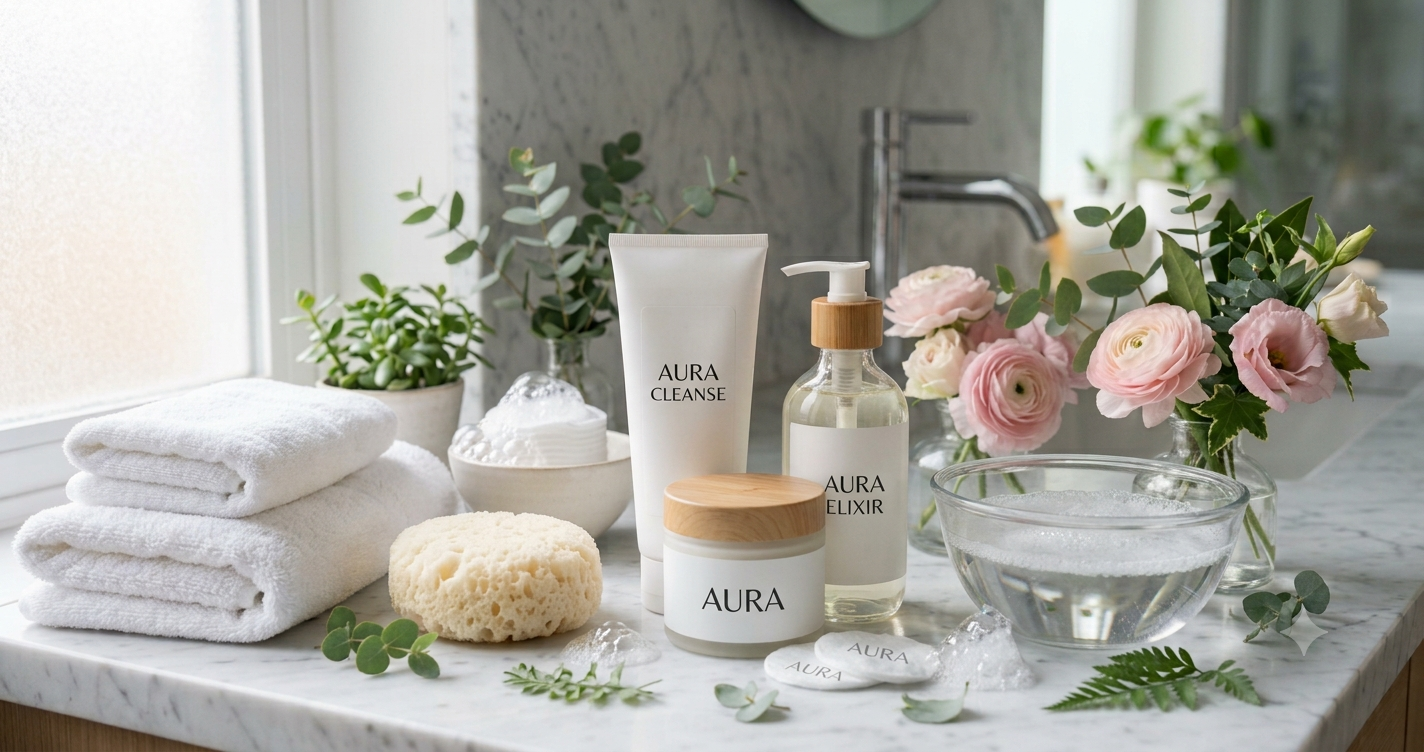
A better body wash depends on your skin type. The goal is to clean without leaving your skin tight, itchy or uncomfortable.
For Dry Skin
Choose a creamy, fragrance-free body wash. Look for gentle formulas that leave skin comfortable after rinsing.
For Sensitive Skin
Choose fragrance-free, dye-free and gentle cleansers. Avoid strong scents and harsh scrubs.
For Oily or Sweaty Skin
Choose a body wash that cleans well but does not leave your skin stripped. If you have body acne, look for a product made for breakout-prone skin.
For Normal Skin
You can use a standard body wash if it does not dry you out. Still, avoid anything that makes your skin feel squeaky, tight or itchy.
Shower Routine Order: Shampoo, Conditioner and Body Wash
The order of your shower routine can help reduce residue on the skin, especially if you are acne-prone on the back, shoulders or chest.
Best Basic Shower Order
- Wet hair and body.
- Shampoo your hair.
- Rinse shampoo fully.
- Apply conditioner if needed.
- Rinse conditioner fully.
- Wash your body last.
- Rinse your body well.
- Pat dry and moisturize.
Washing your body after hair care helps remove shampoo and conditioner residue from your back and shoulders.
Shampoo as Body Wash for Different Skin Types
| Skin Type | Can Use Shampoo as Body Wash? | Best Advice |
|---|---|---|
| Normal skin | Occasionally | Use only as backup and rinse well. |
| Dry skin | Not ideal | Choose creamy body cleanser and moisturize. |
| Sensitive skin | Use caution | Avoid fragrance and strong shampoo formulas. |
| Acne-prone body skin | Use caution | Wash body after hair care to remove residue. |
| Freshly shaved skin | Avoid | Use gentle cleanser and moisturizer. |
| Eczema-prone skin | Avoid if possible | Use mild fragrance-free cleanser. |
Common Mistakes When Using Shampoo as Body Wash
Mistake 1: Using It Every Day
Shampoo should not replace body wash in your daily routine. It is an emergency option only.
Mistake 2: Using Clarifying Shampoo on Skin
Clarifying shampoo may be too strong for body skin. It can leave skin feeling dry or tight.
Mistake 3: Using Shampoo on the Face
Facial skin needs a proper face cleanser. Shampoo can sting, dry or irritate the face.
Mistake 4: Not Rinsing Properly
Shampoo residue can make skin feel sticky or itchy. Rinse thoroughly.
Mistake 5: Skipping Moisturizer
If your skin feels dry after showering, moisturizer is important.
Mistake 6: Using Fragranced Shampoo on Sensitive Skin
Strong fragrance may smell good, but it can bother sensitive skin.
Mistake 7: Ignoring Skin Reactions
If your skin becomes red, itchy, bumpy or uncomfortable, stop using shampoo on your body.
Expert Tips from Sawera Shahid
Sawera Shahid, a beauty, skincare, fashion and lifestyle writer with 5+ years of experience, recommends treating shampoo as a backup cleanser only. It may save you once in a while, but your body skin deserves a cleanser made for skin.
- Use shampoo as body wash only when you have no better option.
- Use a small amount and rinse very well.
- Avoid the face, intimate areas and irritated skin.
- Do not use clarifying shampoo as body wash daily.
- Wash your body after shampoo and conditioner to remove hair product residue.
- Choose fragrance-free cleanser if your skin is sensitive.
- Moisturize after showering if skin feels tight.
- Stop using shampoo on your body if you notice itching, dryness or bumps.
Soft Glow Style Internal Reading Map
Use these related Soft Glow Style guides to build a better shower, skincare, hair care, beauty and lifestyle routine.
Body Care, Skincare and Beauty Links
- Soft Glow Style beauty hub
- best skincare products for routine building
- simple 5 step Korean skincare routine
- how to layer Korean skincare correctly
- foaming cleanser for oily skin
- fungal acne cleanser guide
- face wash for fungal acne
- best Korean skincare for acne-prone skin
- Korean acne skincare top picks
- does argan oil clog pores
- raw honey mask for face
- ice water face dip
- benefits of ice bath for face
- visible pores are a flex
- visible pores and skin texture guide
Hair Care Links
- professional clarifying shampoo guide
- clarifying shampoo for bleached hair
- Routine shampoo review
- Routine shampoo and conditioner guide
- hair growth guide
Makeup and Soft Beauty Links
- no makeup makeup routine
- what is tinted moisturizer
- cloud skin makeup base
- cloud skin vs glass skin guide
- blurry blush soft glam trend
- lip gloss layering for plump lips
- heatproof makeup for hot weather
- Tumblr beauty trends coming back
- American beauty standards guide
- how beauty standards affect mental health
Nail and Self-Care Links
- Soft Glow Style nail art hub
- summer pedicure nail colors
- cat eye nail colors
- soap nails polish
- pastel nail colors 2026
- white nail polish ideas
- types of nails at salon
- what is hard gel nails
- multi color French tip nails
- water nails vs chrome nails comparison
Lifestyle Links
- Soft Glow Style lifestyle hub
- Sunday reset routine that feels realistic
- Sunday reset that actually works
- silent wellness trend explained
- digital detox wellness trend
- wellness fridges trend guide
- wellness fridges and beauty storage
- how to start a healthy lifestyle
- importance of a healthy lifestyle
- Soft Glow Style blog archive
Frequently Asked Questions
Can I use shampoo as body wash?
Yes, you can use shampoo as body wash once in a while if you have no other option. It is not ideal for daily use because shampoo is made for hair and scalp, not body skin.
Is shampoo bad for body skin?
Shampoo is not always bad for body skin, but it can be drying or irritating for some people. Sensitive, dry, eczema-prone or freshly shaved skin should avoid it when possible.
Can shampoo cause body acne?
Shampoo may bother some body acne-prone skin if it leaves residue on the back, chest or shoulders. Rinse hair products well and wash your body after shampoo and conditioner.
Can I use shampoo as body wash every day?
It is better not to use shampoo as body wash every day. A gentle body wash or fragrance-free cleanser is a better daily option for body skin.
What can I use if I have no body wash?
You can use a gentle face cleanser, mild fragrance-free cleanser, occasional shampoo or plain water rinse depending on your skin. Avoid harsh dish soap or strong cleansers on body skin.
Should I moisturize after using shampoo as body wash?
Yes. Apply moisturizer after showering if you used shampoo as body wash, especially if your skin feels tight, dry, itchy or uncomfortable.
Final Thoughts
Can I use shampoo as body wash? Yes, but only as a backup. Shampoo can clean your body in an emergency, but it is not designed to be your everyday body cleanser. If your skin is dry, sensitive, itchy, acne-prone or freshly shaved, shampoo may feel too harsh.
For regular showers, choose a body wash or cleanser made for skin. Keep it gentle, rinse well and moisturize after bathing. Your skin should feel clean and comfortable, not tight, stripped or irritated.
Final Recap
- Shampoo can be used as body wash once in a while.
- It is not ideal for daily body cleansing.
- Shampoo may dry or irritate some skin types.
- Avoid shampoo on the face, intimate areas and broken skin.
- Rinse very well if you use shampoo on the body.
- Moisturize after showering if skin feels dry.
- A gentle fragrance-free body cleanser is better for regular use.