
Key Takeaways
- What do lip masks do is simple: they help soften, moisturize and protect dry lips with a thicker treatment layer.
- Lip masks are usually richer than regular lip balm, which makes them useful at night or when lips feel extra dry.
- A good lip mask can help lips look smoother, softer and slightly plumper temporarily because hydrated lips reflect light better.
- Lip masks do not permanently enlarge lips or replace SPF lip balm during the day.
- Dry, cracked or sensitive lips usually need gentle, fragrance-free and non-irritating formulas.
- Petrolatum, shea butter, ceramides, glycerin, dimethicone and mineral oil are common helpful lip-care ingredients.
- If your lips are painful, bleeding, crusting or not improving, a dermatologist can help check for irritation, allergy or another issue.
What do lip masks do exactly? A lip mask is a thicker lip treatment designed to soften, smooth and protect the lips for longer than a quick swipe of regular balm. It can be especially helpful when your lips feel dry, tight, flaky, rough or uncomfortable after weather changes, lipstick wear, sun exposure or dehydration.
Lip masks became popular because they feel more luxurious than basic lip balm, but their real purpose is practical. They create a comforting layer over the lips, help reduce moisture loss and make dry lips feel smoother. Some formulas focus on overnight repair, while others are made to prep lips before lipstick or gloss.
The important thing is knowing what a lip mask can and cannot do. A lip mask can make lips feel softer and look smoother. It can support a simple lip care routine. It can help lipstick sit better. But it cannot permanently change lip size, heal every type of lip irritation or replace sun protection during the day.
What Do Lip Masks Do?
Lip masks help moisturize and protect the lips by coating them with a thicker layer of conditioning ingredients. Many lip masks combine humectants, emollients and occlusives. Humectants help attract water, emollients soften rough texture and occlusives help seal moisture in.
Your lips can feel dry quickly because the skin on the lips is delicate and exposed. Wind, cold weather, sun, lip licking, matte lipstick, dehydration, irritating products and certain skincare ingredients can make dryness worse.
The American Academy of Dermatology recommends using non-irritating lip balm and applying petroleum jelly for very dry, cracked lips. AAD also recommends using SPF 30 or higher lip balm outdoors. You can read the AAD dry, chapped lips guide for dermatologist-backed lip care advice.
For more skincare support, read hydrating face mask for dry skin, serum at night, and raw honey mask for face.
Lip Mask vs Lip Balm: What Is the Difference?
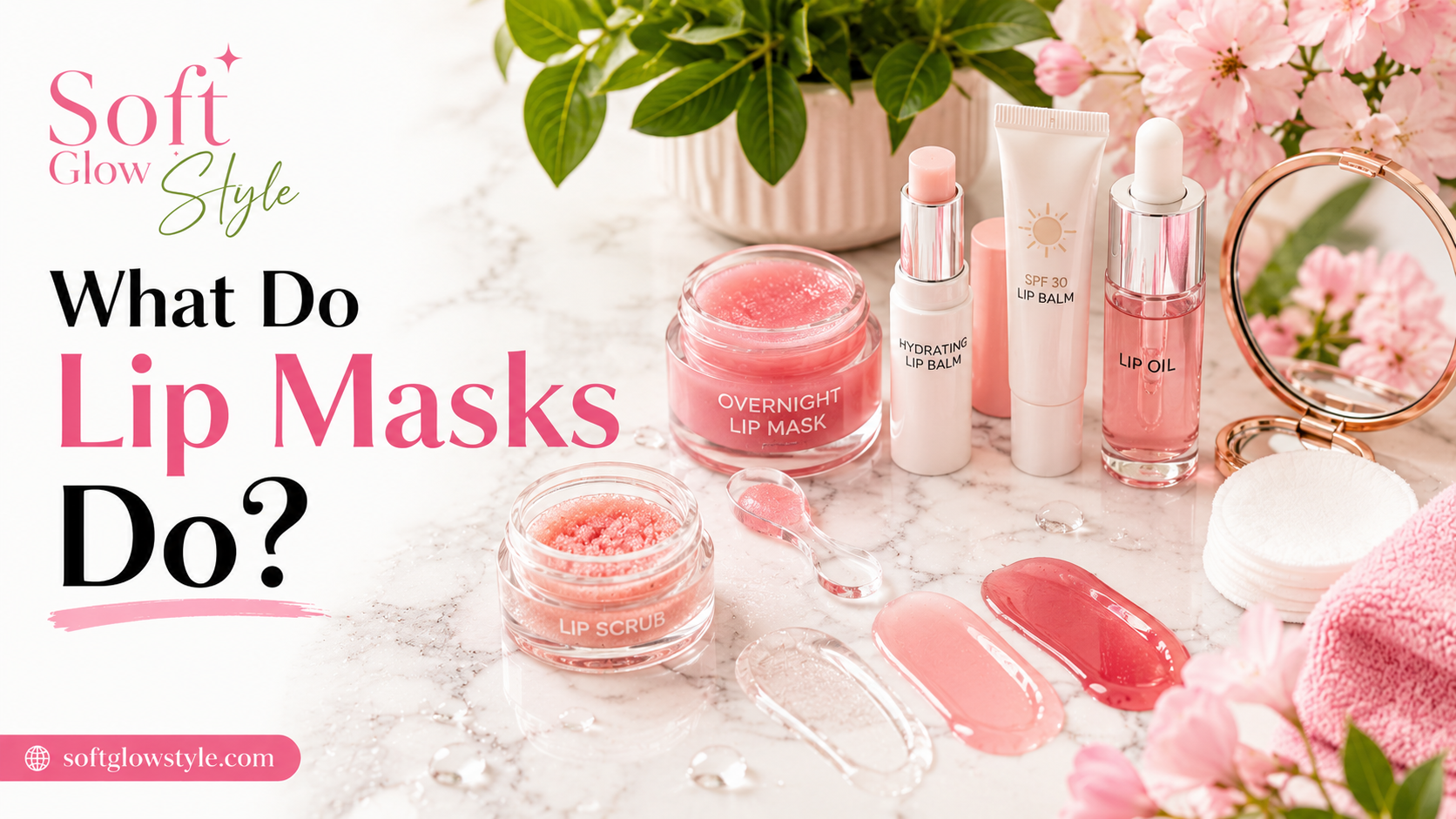
Lip masks and lip balms can both help dry lips, but they usually feel different. Lip balm is often lighter and made for frequent daytime use. Lip masks are usually thicker, richer and more treatment-like.
A lip balm is something you may keep in your bag and reapply throughout the day. A lip mask is often something you use before bed, before makeup or when your lips need extra comfort.
| Product | Texture | Best Use |
|---|---|---|
| Lip balm | Light to medium | Daytime moisture and reapplication |
| Lip mask | Thicker and richer | Overnight care or extra dry lips |
| Lip oil | Glossy and slippery | Shine and light softness |
| Lip scrub | Grainy or exfoliating | Occasional flake removal |
| SPF lip balm | Varies | Daytime sun protection |
7 Simple Benefits of Lip Masks
1. They Help Soften Dry Lips
The main benefit of a lip mask is softness. A rich formula can make dry lips feel more comfortable by coating rough areas and reducing the tight feeling that often comes with dehydration or weather exposure.
This is why many people like applying a lip mask before bed. It gives the product time to sit on the lips instead of rubbing away quickly while eating, drinking or talking.
2. They Help Seal in Moisture
Many lip masks include occlusive ingredients that help slow moisture loss. This is useful because lips can dry out quickly, especially overnight or in air-conditioned rooms.
Ingredients such as petrolatum, mineral oil, dimethicone, waxes and butters are often used to create this protective layer.
3. They Make Lips Look Smoother
When lips are dry, fine lines and flakes look more obvious. A lip mask can make the surface look smoother by softening texture and adding shine.
This does not erase lip lines permanently, but it can make lips look healthier and more polished temporarily.
4. They Can Help Lipstick Apply Better
Dry lips can make lipstick look patchy, especially matte lipstick. A lip mask can help prep lips before makeup so lipstick glides on more evenly.
Use a lip mask earlier in your routine, then blot off extra product before applying lipstick. Too much leftover mask can make lipstick slide around.
5. They Can Make Lips Look Slightly Plumper Temporarily
Hydrated lips often look fuller because they are smoother and shinier. A lip mask can create a temporary plumped look by improving moisture and light reflection.
This is different from lip plumping products that use tingling ingredients. A basic lip mask does not permanently increase lip size.
6. They Support Overnight Lip Care
An overnight lip mask can be helpful because lips are not being disturbed as much while you sleep. A thicker layer can stay on longer and protect lips from dryness overnight.
This is especially useful during winter, dry weather, long flights, air-conditioned rooms or after wearing drying lip products.
7. They Can Help Reduce the Lip-Licking Cycle
When lips feel dry, many people lick them. This can make dryness worse because saliva evaporates and leaves lips feeling even drier. A comfortable lip mask can reduce the urge to lick lips by keeping them coated and soft.
What Ingredients Should You Look for in a Lip Mask?
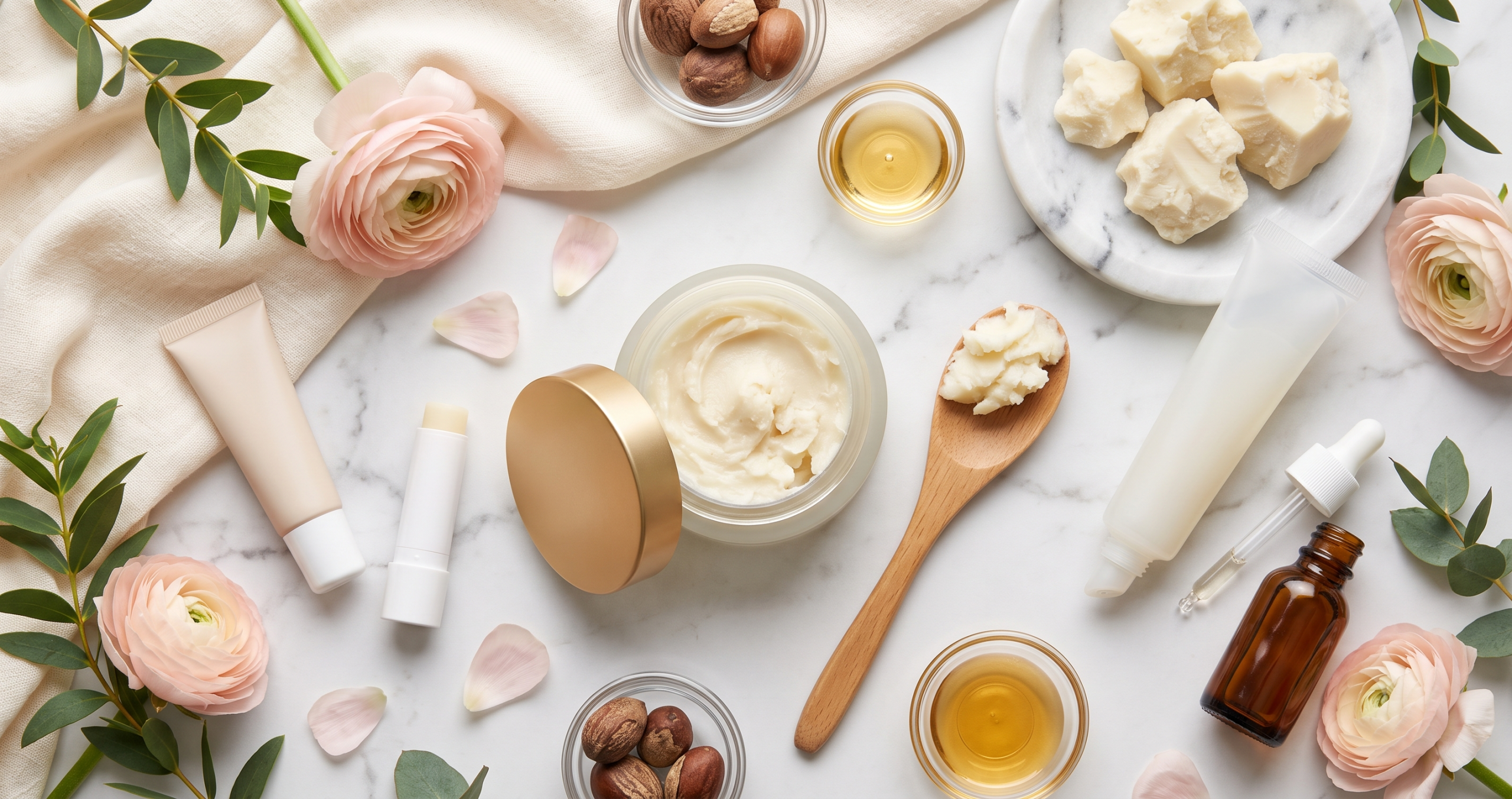
A good lip mask does not need to have a long ingredient list. In fact, sensitive lips often prefer simple formulas. Look for ingredients that moisturize, soften and protect.
| Ingredient Type | Examples | What It Does |
|---|---|---|
| Humectants | Glycerin, hyaluronic acid, honey | Help attract moisture |
| Emollients | Shea butter, plant oils, squalane | Help soften rough lips |
| Occlusives | Petrolatum, mineral oil, dimethicone, waxes | Help seal moisture in |
| Barrier support | Ceramides, fatty acids | Support a healthier-feeling lip barrier |
| Soothing ingredients | Panthenol, allantoin, colloidal oatmeal | Help comfort dry-feeling lips |
If your lips are very sensitive, choose fragrance-free and flavor-free formulas when possible.
Ingredients to Avoid If Your Lips Are Irritated
Some lip products feel nice at first but can irritate dry lips. This is especially true when lips are already cracked or sore.
Be Careful With:
- Strong fragrance
- Strong flavoring
- Menthol
- Camphor
- Cinnamon flavor
- Peppermint oil
- Harsh scrubs
- Strong exfoliating acids near the mouth
- Plumping products that sting
A slight pleasant feel is different from burning, stinging or worsening dryness. If a lip mask makes your lips feel irritated, stop using it.
How to Use a Lip Mask the Right Way
Using a lip mask is simple, but small details can make it work better. You do not need a thick messy layer every time. A thin even coat is usually enough.
Step-by-Step Routine
- Remove lipstick, gloss or leftover makeup.
- Make sure lips are clean and dry.
- Apply a thin even layer of lip mask.
- Use a thicker layer only if lips are very dry.
- Leave it on overnight or for the time suggested on the label.
- In the morning, gently wipe away extra product if needed.
- Use SPF lip balm during the day if going outside.
Do not scrub your lips aggressively before a lip mask. If lips are cracked, bleeding or sore, focus on gentle ointment-style care instead.
When Should You Use a Lip Mask?
You can use a lip mask whenever your lips feel dry, but some moments make it especially useful.
Best Times to Use One
- Before bed
- After removing matte lipstick
- Before applying lipstick, then blotting
- After travel or flights
- During cold or dry weather
- After a long day in air conditioning
- When lips feel tight or rough
- Before a special event makeup look
If you wear lipstick often, using a lip mask at night can help your lips look smoother the next day.
Can You Use a Lip Mask Every Night?
Yes, many people can use a gentle lip mask every night. This is especially true if your lips are naturally dry or if you sleep in dry air.
However, daily use is not required for everyone. If your lips feel healthy with regular balm, you may only need a lip mask a few times a week. If a lip mask causes stinging, bumps, peeling or irritation, stop using it and switch to a simpler product.
Do Lip Masks Help Chapped Lips?
Lip masks can help chapped lips if the formula is gentle and barrier-supporting. A thick, non-irritating lip mask can soften rough texture and help lips feel more comfortable.
But not every chapped lip problem needs a trendy lip mask. Very cracked, painful or bleeding lips often do better with a simple thick ointment, such as petroleum jelly, and avoidance of irritants. If symptoms continue, a dermatologist can help check for allergic contact dermatitis, infection, eczema or another cause.
Do Lip Masks Make Lips Bigger?
Lip masks do not permanently make lips bigger. They can make lips look smoother, shinier and temporarily fuller because hydrated lips reflect light better.
If a product claims a dramatic plumping effect, it may use irritating ingredients that create tingling or temporary swelling. That may not be ideal if your lips are sensitive, cracked or already dry.
Do Lip Masks Help Lip Lines?
Lip masks can make fine lines look softer temporarily by adding moisture and shine. Dry lips show lines more clearly, so a hydrating layer can improve the look of texture.
However, lip masks do not permanently erase natural lip lines. Lip lines are normal. The goal is comfortable, smooth-looking lips, not perfectly texture-free lips.
Lip Mask for Dry Lips
If your lips are dry but not cracked, choose a lip mask with a balance of humectants, emollients and occlusives. A formula with glycerin plus shea butter or petrolatum can be useful because it helps attract moisture and seal it in.
Dry Lip Routine
- Use a gentle cleanser around the mouth.
- Avoid licking your lips.
- Apply lip mask before bed.
- Use SPF lip balm during the day.
- Reapply balm after eating or drinking.
- Avoid matte lipstick when lips feel very dry.
Lip Mask for Cracked Lips
If your lips are cracked, keep the routine very simple. Avoid scrubs, strong flavors, fragrance-heavy formulas and plumping products. A thick ointment-style product may be more useful than a glossy scented lip mask.
Cracked lips need protection, not irritation. If cracks are deep, bleeding, crusty or not improving, seek professional advice.
Lip Mask Before Lipstick
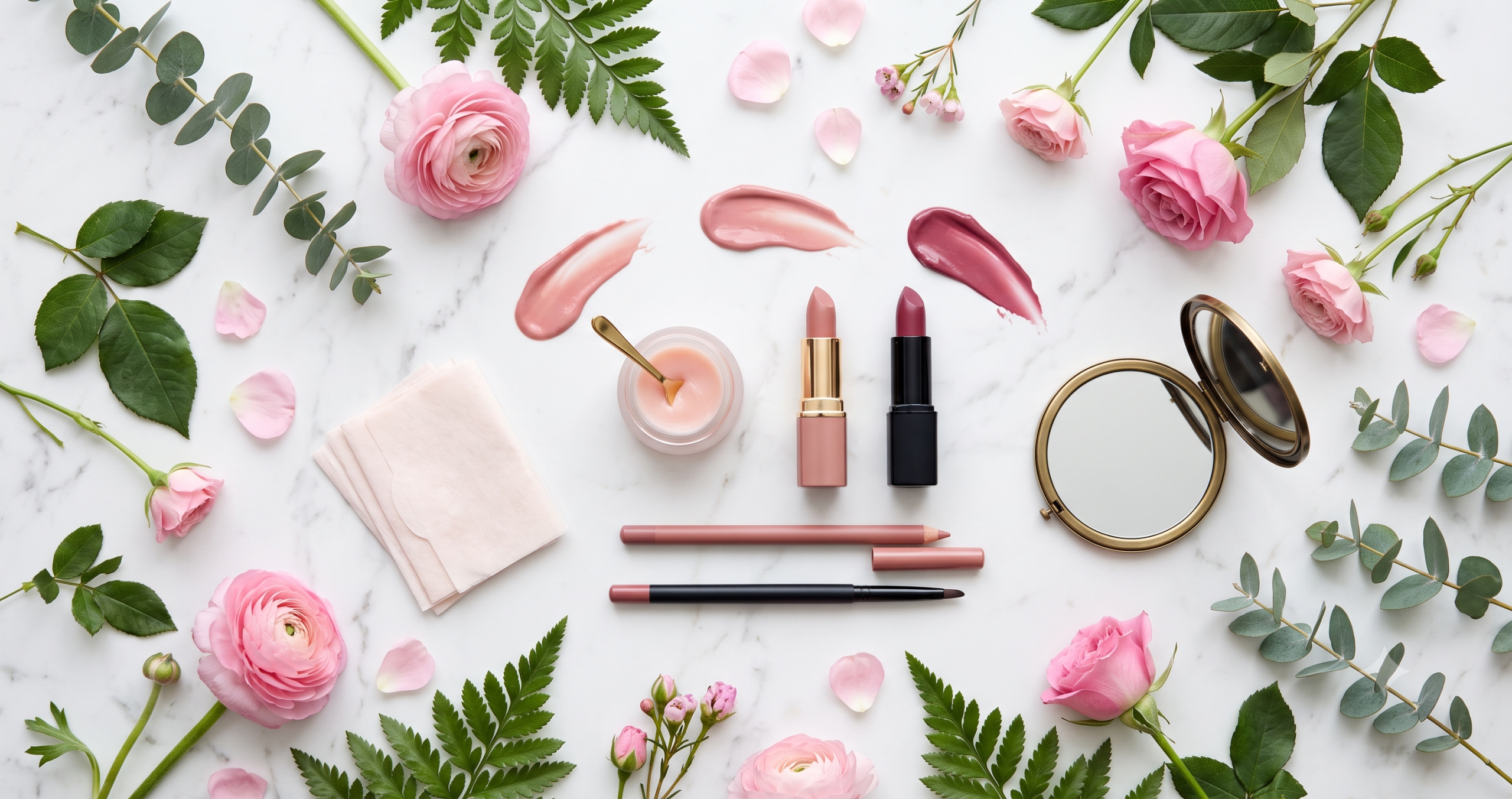
A lip mask can help lipstick look smoother, but timing matters. If you apply lipstick directly over a thick lip mask, the color may slide, smear or look uneven.
Pre-Lipstick Routine
- Apply lip mask early in your makeup routine.
- Let it sit while you do skincare or base makeup.
- Blot off extra product with tissue.
- Apply lip liner if needed.
- Apply lipstick in thin layers.
This works especially well before matte lipstick or bold colors.
Overnight Lip Mask Routine
Overnight is the easiest time to use a lip mask because the product has more time to stay in place.
Simple Night Routine
- Remove makeup fully.
- Finish your skincare routine.
- Avoid getting strong retinoids or exfoliating acids on the lips.
- Apply a comfortable lip mask.
- Use a slightly thicker layer if lips are very dry.
- Keep the product near your bedside if you forget often.
For night skincare ideas, read serum at night and skincare infused makeup.
Lip Mask vs Lip Scrub
A lip mask and a lip scrub are not the same. A lip mask moisturizes and protects. A lip scrub exfoliates flakes. Many people over-scrub lips when what they really need is moisture and barrier support.
| Product | Use It When | Avoid It When |
|---|---|---|
| Lip mask | Lips feel dry, tight or rough | Formula causes irritation |
| Lip scrub | Lips have mild surface flakes | Lips are cracked, sore or bleeding |
| SPF lip balm | You are outdoors in daylight | Never skip sun protection when exposed |
If your lips are peeling, do not automatically scrub. Hydrating and sealing may solve the problem more gently.
Common Mistakes With Lip Masks
Mistake 1: Using Too Much Product
A thick layer can feel comforting, but too much product may feel sticky and messy. Start with a thin layer and add more only if needed.
Mistake 2: Expecting Permanent Lip Plumping
Lip masks can make lips look smoother and temporarily fuller, but they do not permanently increase lip size.
Mistake 3: Ignoring SPF During the Day
An overnight lip mask is not the same as daytime sun protection. Use SPF lip balm when lips are exposed to sun.
Mistake 4: Scrubbing Cracked Lips
Scrubbing sore or cracked lips can make irritation worse. Choose gentle protection instead.
Mistake 5: Using Strong Fragrance on Sensitive Lips
Fragrant or flavored lip masks may smell nice, but sensitive lips can react. Choose simple formulas if your lips are easily irritated.
Mistake 6: Licking Lips Before Applying
Licking lips may feel soothing for a few seconds, but it can worsen dryness. Apply lip product instead.
Mistake 7: Using Face Actives Too Close to the Lips
Retinoids, exfoliating acids and acne treatments can irritate the lip area. Be careful when applying skincare near the mouth.
Expert Tips from Sawera Shahid
Sawera Shahid, a beauty, fashion, skincare and lifestyle content writer with 5+ years of experience, recommends treating lip masks as a comfort step, not a miracle product. The best lip care routine is simple, consistent and gentle.
- Use lip masks at night when they can stay on longer.
- Choose fragrance-free formulas if your lips are sensitive.
- Do not scrub cracked or bleeding lips.
- Use SPF lip balm during the day.
- Blot lip mask before applying lipstick.
- Use a thick ointment-style product if lips are extremely dry.
- Avoid licking lips when they feel dry.
- See a dermatologist if lips stay painful, crusty or irritated.
Soft Glow Style Internal Reading Map
Use these related Soft Glow Style guides to build a stronger skincare, makeup, beauty, hair care, nail and lifestyle routine around what do lip masks do.
Skincare and Beauty Links
- Soft Glow Style beauty hub
- hydrating face mask for dry skin
- serum at night
- skincare infused makeup
- dermaplaning for sensitive skin
- foaming cleanser for oily skin
- fungal acne cleanser guide
- face wash for fungal acne
- raw honey mask for face
- ice water face dip
- benefits of ice bath for face
- does argan oil clog pores
Makeup Links
- makeup for cool undertones
- how to apply bronzer and blush
- bronzer vs blush
- bronzer for dark skin
- what eyeshadow with brown eyes
- what is tinted moisturizer
- sweat resistant makeup
- heatproof makeup in hot weather
- no makeup makeup routine
- lip gloss layers guide
Hair, Nail and Fashion Links
- hair styling foam for curly hair
- hairstyles for hot weather
- heat protectant for natural hair
- soft autumn hair colors
- Soft Glow Style nail art hub
- pedicure colors for spring
- vintage nail designs
- Soft Glow Style fashion hub
- shoes look good with jeans
- linen pants see through
- Soft Glow Style blog archive
Frequently Asked Questions
What do lip masks do?
Lip masks help soften, smooth and protect dry lips by adding moisturizing ingredients and sealing them in for longer than many regular lip balms.
Are lip masks better than lip balm?
Lip masks are usually thicker and more treatment-like than regular lip balm. Lip balm is still useful for daytime reapplication and SPF protection.
Can you use a lip mask every night?
Many people can use a gentle lip mask every night, especially if their lips are dry. If irritation happens, reduce use or switch to a simpler formula.
Do lip masks help chapped lips?
Lip masks can help chapped lips when they contain gentle moisturizing and barrier-supporting ingredients. Very cracked or painful lips may need simple ointment care or dermatologist advice.
Do lip masks make lips bigger?
Lip masks do not permanently make lips bigger. They can make lips look smoother and slightly plumper temporarily by improving hydration and shine.
Should you exfoliate before a lip mask?
Gentle exfoliation may help if lips are mildly flaky, but avoid scrubbing cracked, bleeding, sore or irritated lips.
Final Thoughts
What do lip masks do comes down to comfort, moisture and protection. A lip mask gives dry lips a richer layer than regular balm, which can help them feel softer, look smoother and stay more comfortable overnight.
The best lip mask is not always the fanciest one. For many people, the best formula is gentle, non-irritating and protective. Use it at night, avoid harsh scrubbing, choose SPF lip balm during the day and keep your routine simple when lips are cracked or sensitive.
Final Recap
- Lip masks help soften, moisturize and protect lips.
- They are usually thicker than regular lip balm.
- They can make lips look smoother and temporarily fuller.
- They do not permanently enlarge lips.
- Gentle formulas are best for dry or sensitive lips.
- SPF lip balm is still important during the day.
- Very painful or cracked lips may need dermatologist advice.


