
Key Takeaways
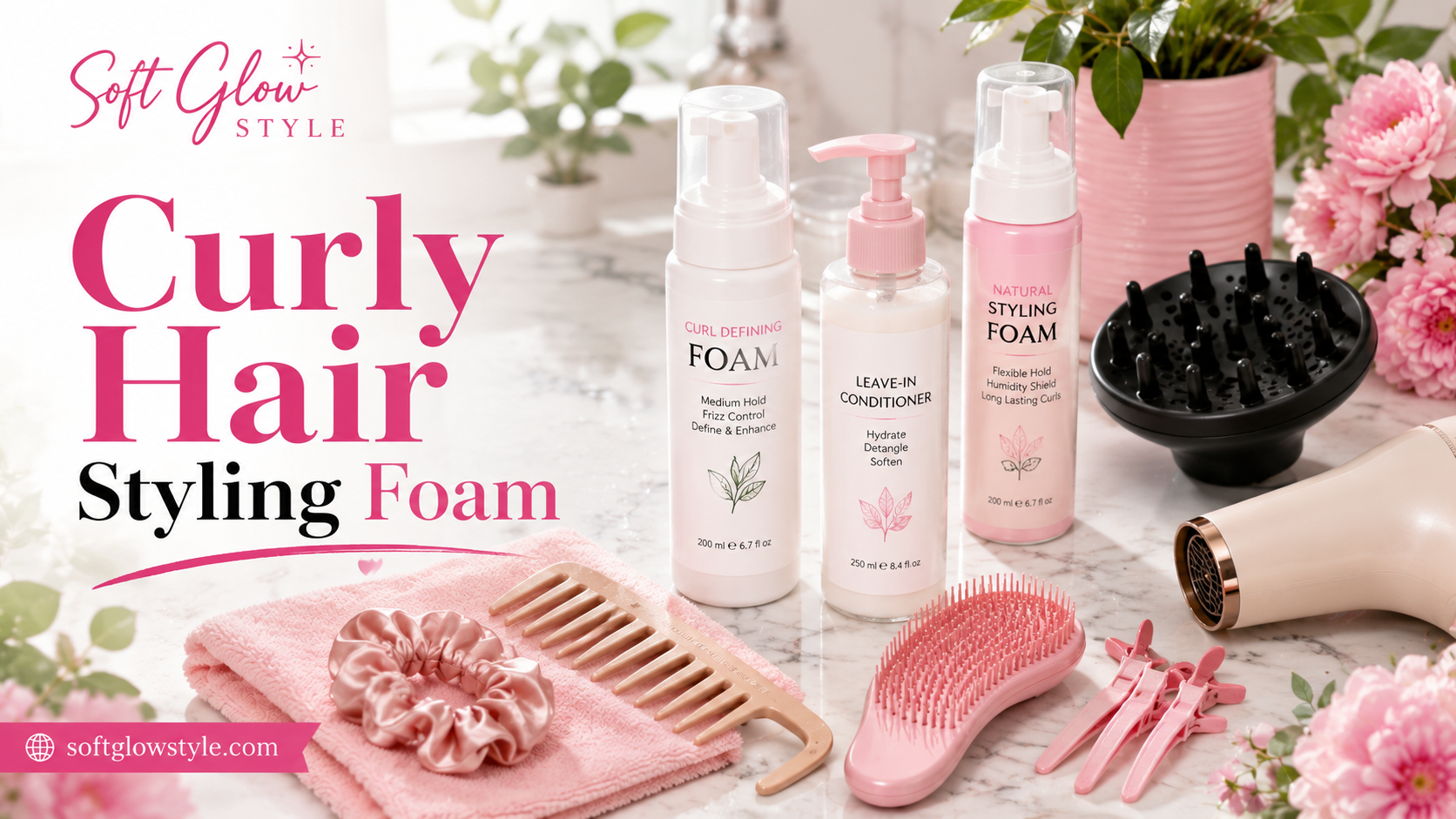
- Hair styling foam for curly hair is best when you want soft definition, bounce, volume and lightweight hold.
- Foam usually works better on wet or damp curls because it helps shape curl clumps while the hair dries.
- Fine curls, loose curls and wavy hair often love foam because it gives shape without weighing the hair down.
- Thick, dry or coily curls may need leave-in conditioner or cream under foam for more moisture.
- Foam can be used alone for soft hold or layered under gel for stronger hold and frizz control.
- The best way to apply foam is in sections, then scrunch upward from ends to roots.
- Too much foam, dry application or touching curls while drying can cause frizz, stiffness or uneven definition.
Hair styling foam for curly hair can be a small product with a big effect. It can help curls look more lifted, defined and soft without the heavy coating that some creams or gels leave behind. If your curls fall flat, feel weighed down or lose shape quickly, foam may be the lighter styling product your routine needs.
Curly hair is not one single hair type. Some curls are loose and soft. Some are tight and dense. Some are fine and easily weighed down. Some are dry and need more moisture before any styling product works. That is why hair foam can feel amazing for one person and confusing for another. The secret is not just choosing foam. It is using it at the right step, with the right amount and on the right level of dampness.
This guide explains how hair styling foam works, who should use it, how to apply it correctly, when to layer it with leave-in or gel, and how to avoid frizz, crunch and flat roots.
Hair Styling Foam for Curly Hair: What Does It Actually Do?
Hair styling foam is a lightweight styling product that helps curls hold shape while staying soft and bouncy. It usually comes out as airy foam and spreads easily through damp hair. Compared with many creams, foam feels lighter. Compared with many gels, foam usually gives softer hold.
For curly hair, foam can help with curl clumping, volume, frizz control and definition. It is especially helpful when curls look nice when wet but lose shape as they dry. Foam gives curls a little structure so they do not collapse as quickly.
The American Academy of Dermatology says curly and coily hair can be more prone to dryness and breakage, and recommends keeping curls moisturized, detangling gently and avoiding dry brushing that can cause frizz and breakage. For dermatologist-backed curly hair care basics, read the AAD curly hair tips from dermatologists.
For more curly hair support, read Irish curls hair type, what is a curly cut, and heat protectant for natural hair.
Is Hair Styling Foam Good for Curly Hair?
Yes, hair styling foam can be good for curly hair, especially if your curls need light hold, body and movement. Foam is a strong option for people who dislike stiff gels or heavy creams. It can make curls look styled without making the hair feel coated.
Foam is often helpful for wavy hair, loose curls, fine curls, low-density curls and curls that go flat at the roots. It can also help refresh hair between wash days because it adds shape without soaking the hair with heavy product.
However, foam is not always enough by itself. If your curls are very dry, thick, coarse, high porosity or tightly coiled, foam alone may not provide enough moisture or hold. In that case, foam works better as part of a routine, not the only product.
Hair Foam vs Mousse: Is There a Difference?
Foam and mousse are often used in similar ways, and many people use the words interchangeably. In general, both are airy styling products designed to add hold and volume. Some mousses feel stronger, stickier or more structured. Some modern foams feel softer, lighter and more flexible.
The label matters more than the name. Look at what the product promises. Does it say curl defining? Volume? Frizz control? Flexible hold? Strong hold? Heat protection? Moisture? Those details tell you more than whether the bottle says foam or mousse.
| Product | Best For | Possible Downside |
|---|---|---|
| Styling foam | Soft curls, lightweight volume, flexible hold | May not hold strong frizz alone |
| Mousse | Volume, shape, stronger structure | Some formulas can feel sticky or crunchy |
| Curl cream | Moisture, softness, thick curls | Can weigh down fine curls |
| Gel | Strong hold, definition, humidity control | Can feel stiff if used too heavily |
Who Should Use Styling Foam for Curly Hair?
Styling foam is especially useful if your curls need lift and shape but not heavy moisture. If your curls often look good at the start of wash day but become flat by the afternoon, foam may help.
Foam May Work Well If:
- Your curls are fine or low density.
- Your roots go flat easily.
- Your waves need more shape.
- Your curls dislike heavy creams.
- You want volume instead of a slick finish.
- You prefer soft hold over hard hold.
- You want a quick refresh product.
- You like touchable curls.
Who May Need More Than Foam?
Foam is lightweight, which is a benefit for some curls and a weakness for others. If your hair is very dry, dense, coarse, high porosity or tightly coiled, foam may not give enough moisture or long-lasting hold on its own.
This does not mean you cannot use foam. It means you may need to layer it. A leave-in conditioner can add moisture first. A curl cream can soften dry strands. A light gel over foam can help with humidity and hold.
You May Need Layering If:
- Your curls feel dry after foam.
- Your hair frizzes before it fully dries.
- Your style loses shape within a few hours.
- Your ends look puffy or rough.
- Your curls need more moisture than hold.
- Your hair is thick and product does not reach inner layers easily.
How to Use Hair Styling Foam for Curly Hair
The best way to use hair styling foam is on wet or damp hair, in sections, with gentle scrunching. Foam works best when it can attach to curl clumps before the hair dries.
Step-by-Step Foam Routine
- Wash and condition your hair.
- Detangle while hair is wet and slippery.
- Apply leave-in conditioner if your curls need moisture.
- Divide hair into sections.
- Pump foam into your hands.
- Smooth the foam over each section.
- Scrunch upward from ends to roots.
- Add more foam only where curls need shape.
- Air dry or diffuse without touching too much.
The most common mistake is applying foam only to the top layer. Curly hair needs even coverage. If the inside layers get no product, the style may look frizzy or uneven.
Should You Apply Foam to Wet or Damp Curly Hair?
Foam usually works best on wet or damp curly hair. Wet hair helps curls clump together. Foam then gives those clumps light structure as they dry.
If your hair is too dry when you apply foam, the product may sit unevenly and create frizz. If your hair is soaking wet, some foam may drip away or become too diluted. The best point is usually after washing, when the hair is wet enough to clump but not dripping heavily.
How Much Styling Foam Should You Use?
The right amount depends on your hair length, density and curl type. Start with less than you think. You can always add more, but too much foam can make curls feel sticky, coated or stiff.
| Hair Type | Starting Amount | Tip |
|---|---|---|
| Short fine curls | 1 to 2 pumps | Focus on ends and mid-lengths |
| Medium wavy hair | 2 to 4 pumps | Scrunch upward for shape |
| Long loose curls | 4 to 6 pumps | Apply in sections |
| Thick curly hair | 6+ pumps as needed | Layer with leave-in if dry |
| Coily hair | Section-by-section amount | Use foam for hold, not moisture alone |
Best Application Methods for Curl Definition
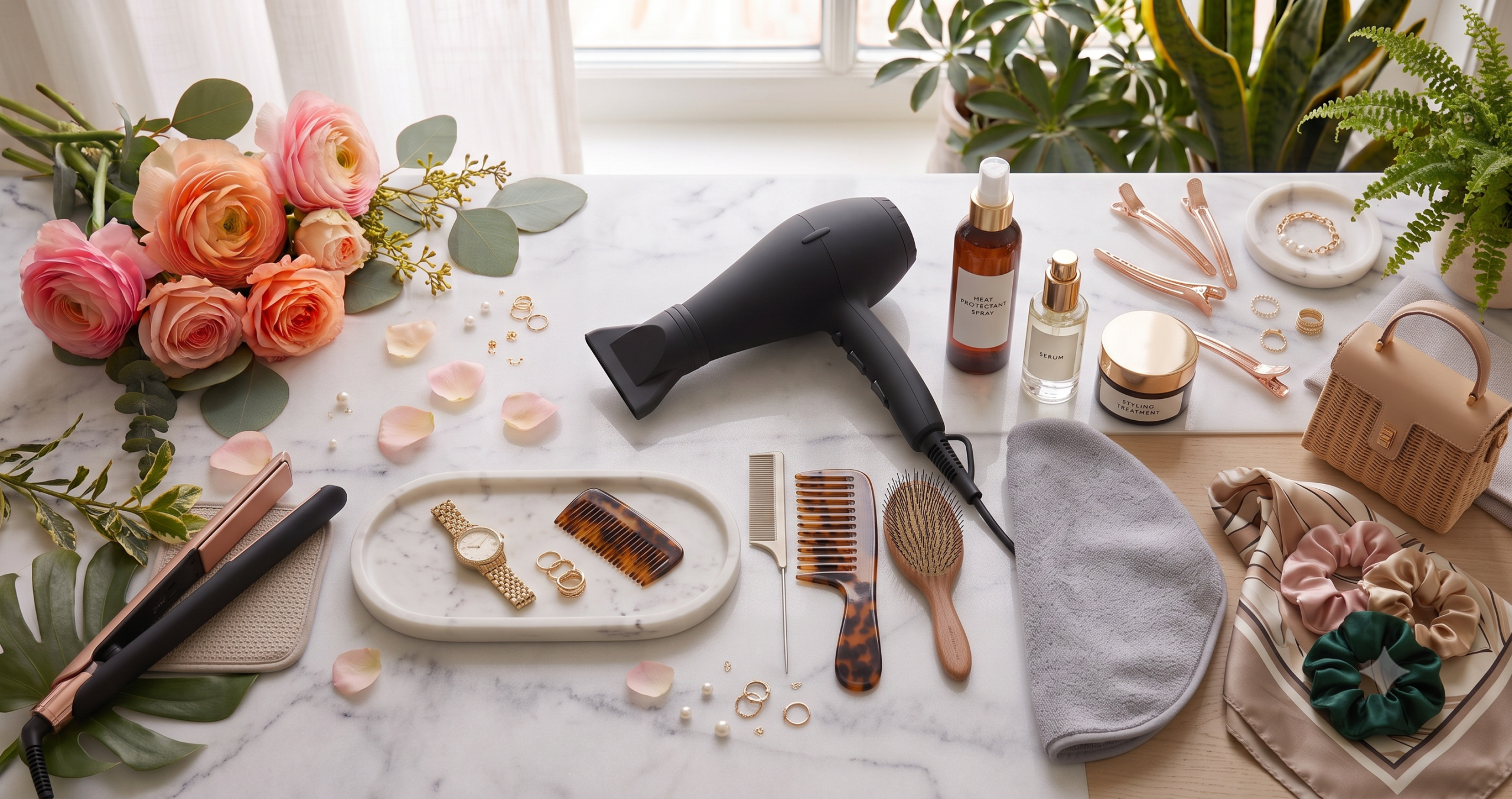
How you apply foam changes the final result. Some methods create more volume. Some create more definition. Some reduce frizz. You can choose based on your curl goal.
Scrunching
Scrunching is best for waves and loose curls. Pump foam into your hands, spread it between your palms and scrunch upward from the ends. This encourages curl shape and bounce.
Praying Hands
The praying hands method smooths foam over the hair between both palms. This is helpful if your curls frizz easily and need product spread evenly over the surface.
Raking
Raking means using your fingers to distribute foam through the hair. This can help with even coverage, but it may separate curl clumps too much for some curl types.
Glazing
Glazing means lightly smoothing foam over the outside of styled curls. This helps calm surface frizz without disturbing the curl pattern too much.
Can You Use Foam With Leave-In Conditioner?
Yes. Many curly hair routines work better when foam is layered over leave-in conditioner. The leave-in adds moisture and slip, while the foam adds shape and hold.
This is especially helpful if your curls feel dry, frizzy or rough after using foam alone. Apply a small amount of leave-in first, then add foam in sections. Do not overload the hair. Too much leave-in under foam can make curls limp.
For more conditioning support, read does conditioner go bad and benefits of deep hair conditioning with heat.
Can You Use Foam With Gel?
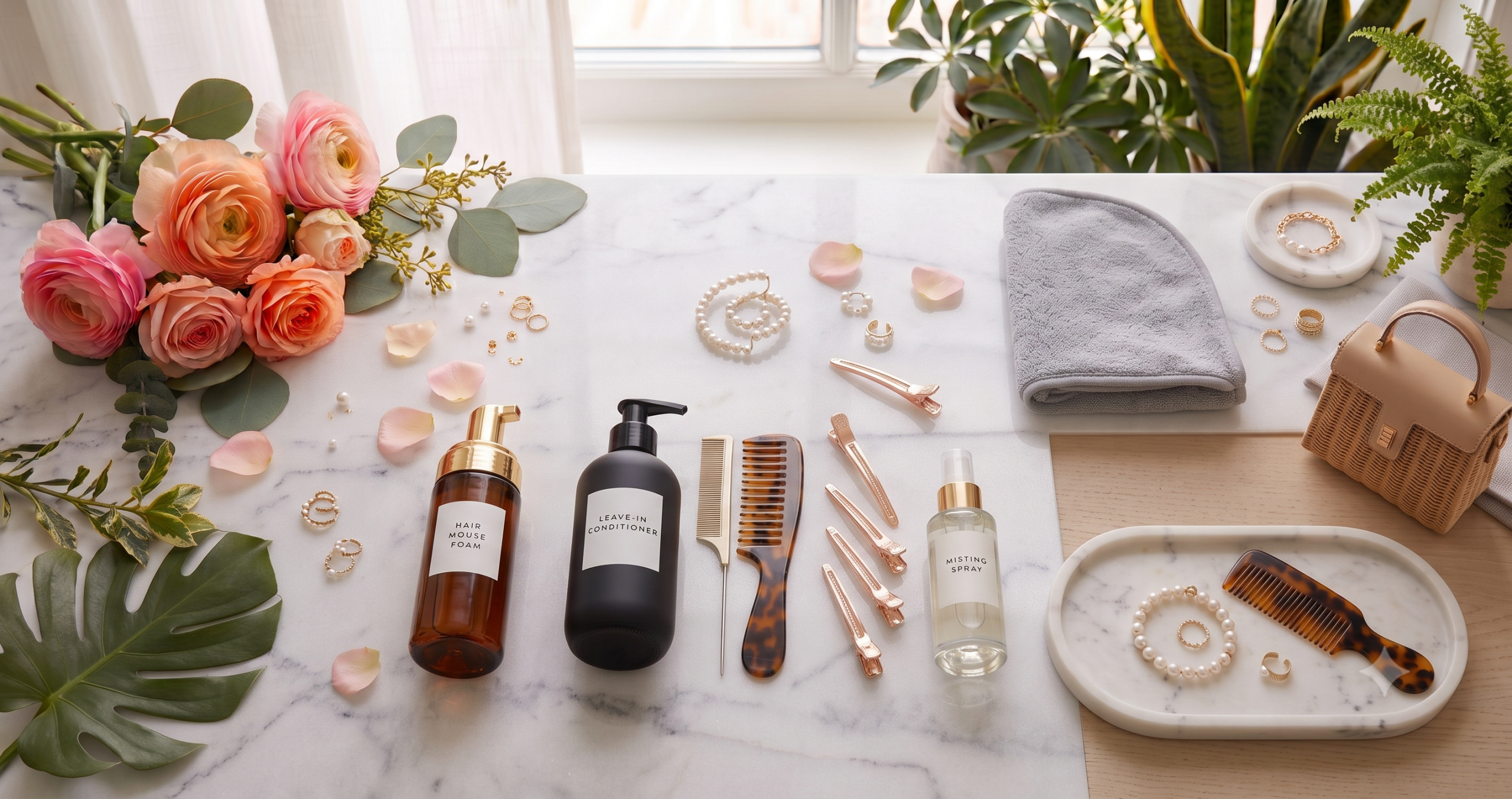
Yes. Foam and gel can work well together if you want both volume and stronger hold. Foam gives lift and softness. Gel helps seal the curl shape and reduce frizz for longer.
Foam and Gel Routine
- Apply leave-in if needed.
- Apply foam in sections.
- Scrunch curls upward.
- Add a small amount of gel over the foam.
- Let curls dry completely.
- Scrunch out any cast once dry.
This routine is useful for humid weather, longer wash days and curls that lose shape quickly.
Can Hair Styling Foam Replace Curl Cream?
Foam can replace curl cream if your curls do not need much moisture and you want a lighter result. This works well for fine curls, waves or low-density hair.
If your hair is dry, thick or coarse, foam may not replace curl cream fully. You may still need a moisturizing base. In that case, use a small amount of curl cream first, then foam for volume and shape.
Hair Styling Foam for Wavy Hair
Wavy hair often loves foam because waves can become flat when products are too heavy. Foam gives shape without dragging the wave pattern down.
Wavy Hair Tips
- Apply foam on very damp hair.
- Scrunch upward instead of brushing after product.
- Use a microfiber towel or cotton T-shirt to remove extra water.
- Diffuse on low if waves fall flat while air drying.
- Avoid heavy creams near the roots.
- Use a light gel over foam if waves frizz quickly.
Hair Styling Foam for Loose Curls
Loose curls often need product that holds shape without creating stiffness. Foam can help curls stay springy and light.
Apply foam in sections, then scrunch. If curls stretch out as they dry, try diffusing with your head tilted to the side or upside down for more lift.
Hair Styling Foam for Tight Curls and Coils
Tight curls and coils can use foam too, but foam may not provide enough moisture alone. It is often better for setting, defining and adding light hold over a moisturizing base.
Coily Hair Tips
- Start with well-conditioned hair.
- Use leave-in conditioner before foam.
- Apply foam section by section.
- Use foam for twist-outs, braid-outs or wash-and-go definition.
- Layer with gel if you need longer hold.
- Avoid applying foam only to the surface.
Foam for Curly Hair Volume
If your curls look flat at the roots, foam can help. Because it is lightweight, it adds shape without pulling the hair down.
Volume Tips
- Apply foam near the roots, but do not overload the scalp.
- Flip your head forward and scrunch upward.
- Diffuse roots first on low or medium airflow.
- Use clips at the roots while drying.
- Avoid heavy oils before foam.
- Shake roots gently only after hair is fully dry.
Foam for Curly Hair Frizz Control
Foam can reduce frizz when used correctly, but it may not be enough for every curl type. Frizz often happens when hair lacks moisture, product coverage is uneven, curls are touched too much while drying or humidity disrupts the style.
Frizz Control Tips
- Apply foam to wet or damp hair.
- Use leave-in conditioner first if hair is dry.
- Do not rough-dry with a towel.
- Avoid brushing dry curls.
- Do not touch curls while they dry.
- Layer gel over foam in humid weather.
How to Refresh Curly Hair With Styling Foam
Styling foam can be useful for refreshing curls because it is lighter than cream and easier to spread than gel. It can bring back shape without making the hair feel heavy.
Refresh Routine
- Lightly mist curls with water.
- Add a small amount of foam to your hands.
- Scrunch foam into flat or frizzy areas.
- Finger-coil a few curls if needed.
- Let hair air dry or diffuse briefly.
- Do not keep adding foam all week if hair starts feeling coated.
If your hair feels sticky after refreshing, use less product or refresh with water first.
How to Dry Curly Hair After Foam
Drying matters as much as product. Even the best foam can fail if curls are touched too much while drying.
Air Drying
Air drying gives a soft result, but it can make roots flatter. It works well if your curls already have volume or if you prefer a natural finish.
Diffusing
Diffusing can add volume and help curls dry faster. Use low or medium heat and airflow. Do not aggressively move the diffuser around, because that can create frizz.
Plopping
Plopping with a microfiber towel or cotton T-shirt can help curls set before drying. Do not leave hair wrapped too long if your roots get flat easily.
Common Mistakes With Hair Styling Foam for Curly Hair
Mistake 1: Applying Foam to Dry Hair Only
Foam usually works better on wet or damp curls. Dry application can create uneven texture and frizz.
Mistake 2: Using Too Much Product
Too much foam can make curls sticky or stiff. Start with a small amount and add only where needed.
Mistake 3: Skipping Leave-In on Dry Curls
If your curls are dry, foam alone may not be enough. Add a light leave-in conditioner first.
Mistake 4: Touching Hair While It Dries
Touching curls during drying can break curl clumps and create frizz. Wait until hair is fully dry before fluffing.
Mistake 5: Applying Foam Only on Top
The outer layer may look defined while the inner layers stay frizzy. Sectioning helps product reach the whole head.
Mistake 6: Expecting Foam to Act Like Strong Gel
Foam gives light to medium hold. If you need strong hold, layer a small amount of gel over it.
Mistake 7: Never Clarifying
Even lightweight products can build up over time. If curls look dull or limp, use a clarifying shampoo when needed.
How to Know If a Foam Is Not Right for Your Curls
Not every foam works for every curl pattern. If the product does not match your hair needs, your curls will usually tell you.
Signs the Foam Is Not Working
- Your curls feel sticky after drying.
- Your hair looks flat at the roots.
- Your ends feel dry or rough.
- Your curls lose shape quickly.
- Your hair feels coated after one use.
- Your scalp feels itchy or irritated.
- Your curls look frizzy even with even application.
If this happens, try using less product, applying it on wetter hair, adding leave-in first or switching to a different hold level.
Expert Tips from Sawera Shahid
Sawera Shahid, a beauty, fashion, skincare and lifestyle content writer with 5+ years of experience, recommends using hair styling foam as a curl shaper rather than a full moisture routine. Foam can make curls look fresh and bouncy, but the hair still needs proper washing, conditioning and gentle handling.
- Use foam on damp hair for better curl clumping.
- Apply in sections so the product reaches all layers.
- Use leave-in conditioner first if curls feel dry.
- Scrunch upward for more bounce.
- Layer gel over foam if you need stronger hold.
- Diffuse with low or medium heat for volume.
- Avoid touching curls before they dry.
- Clarify if foam starts making curls limp or coated.
Soft Glow Style Internal Reading Map
Use these related Soft Glow Style guides to build a stronger curly hair, beauty, skincare, nail, fashion and lifestyle routine around hair styling foam for curly hair.
Hair Care Links
- Irish curls hair type
- what is a curly cut
- heat protectant for natural hair
- hair grow faster and stronger
- shampoo to clarify hair
- benefits of deep hair conditioning with heat
- professional clarifying shampoo guide
- clarifying shampoo for bleached hair
- can I use shampoo as body wash
- does conditioner go bad
- Routine shampoo review
- Routine shampoo and conditioner guide
Beauty and Skincare Links
- Soft Glow Style beauty hub
- skincare infused makeup
- serum at night
- hydrating face mask for dry skin
- dermaplaning for sensitive skin
- foaming cleanser for oily skin
- raw honey mask for face
- ice water face dip
- benefits of ice bath for face
- does argan oil clog pores
Nail, Fashion and Lifestyle Links
- Soft Glow Style nail art hub
- pedicure colors for spring
- vintage nail designs
- red nail designs 2025
- nail paint colors for dark skin
- Soft Glow Style fashion hub
- shoes look good with jeans
- linen pants see through
- what to wear in Miami
- 15 piece capsule closet starter guide
- Soft Glow Style lifestyle hub
- Soft Glow Style blog archive
Frequently Asked Questions
Is hair styling foam good for curly hair?
Yes. Hair styling foam can be good for curly hair because it adds lightweight hold, volume and definition without making curls feel as heavy as some creams or gels.
Do you use hair styling foam on wet or dry curly hair?
Hair styling foam usually works best on wet or damp curly hair. Damp application helps curls clump together and reduces frizz while the hair dries.
Can styling foam replace gel for curly hair?
Styling foam can replace gel if you want soft volume and light hold. If you need stronger hold, layer a small amount of gel over the foam.
Does hair foam make curly hair crunchy?
Some foams can create a light cast, but curls should not stay crunchy if you use the right amount and gently scrunch after the hair is fully dry.
Is foam better than mousse for curly hair?
Foam and mousse are similar, but some foams feel lighter and softer. The better choice depends on your curl type, density, frizz level and desired hold.
Can you use hair styling foam every wash day?
Yes, you can use hair styling foam every wash day if it works for your curls and does not leave buildup. Clarify occasionally if your hair starts feeling dull, coated or limp.
Final Thoughts
Hair styling foam for curly hair is a useful product when you want soft definition, volume and bounce without a heavy finish. It can help waves look more shaped, curls look more lifted and refresh days feel easier.
The key is using foam correctly. Apply it to damp hair, work in sections, scrunch upward and let curls dry without too much touching. If your curls are dry, add leave-in first. If your curls need stronger hold, layer gel over foam. With the right routine, styling foam can make curly hair look light, fresh and naturally defined.
Final Recap
- Hair styling foam adds lightweight hold, shape and volume.
- It usually works best on wet or damp curly hair.
- Fine curls and waves often benefit from foam because it is light.
- Dry or thick curls may need leave-in conditioner under foam.
- Foam can be layered with gel for stronger hold.
- Apply foam in sections for even coverage.
- Avoid touching curls while drying to reduce frizz.


