Key Takeaways
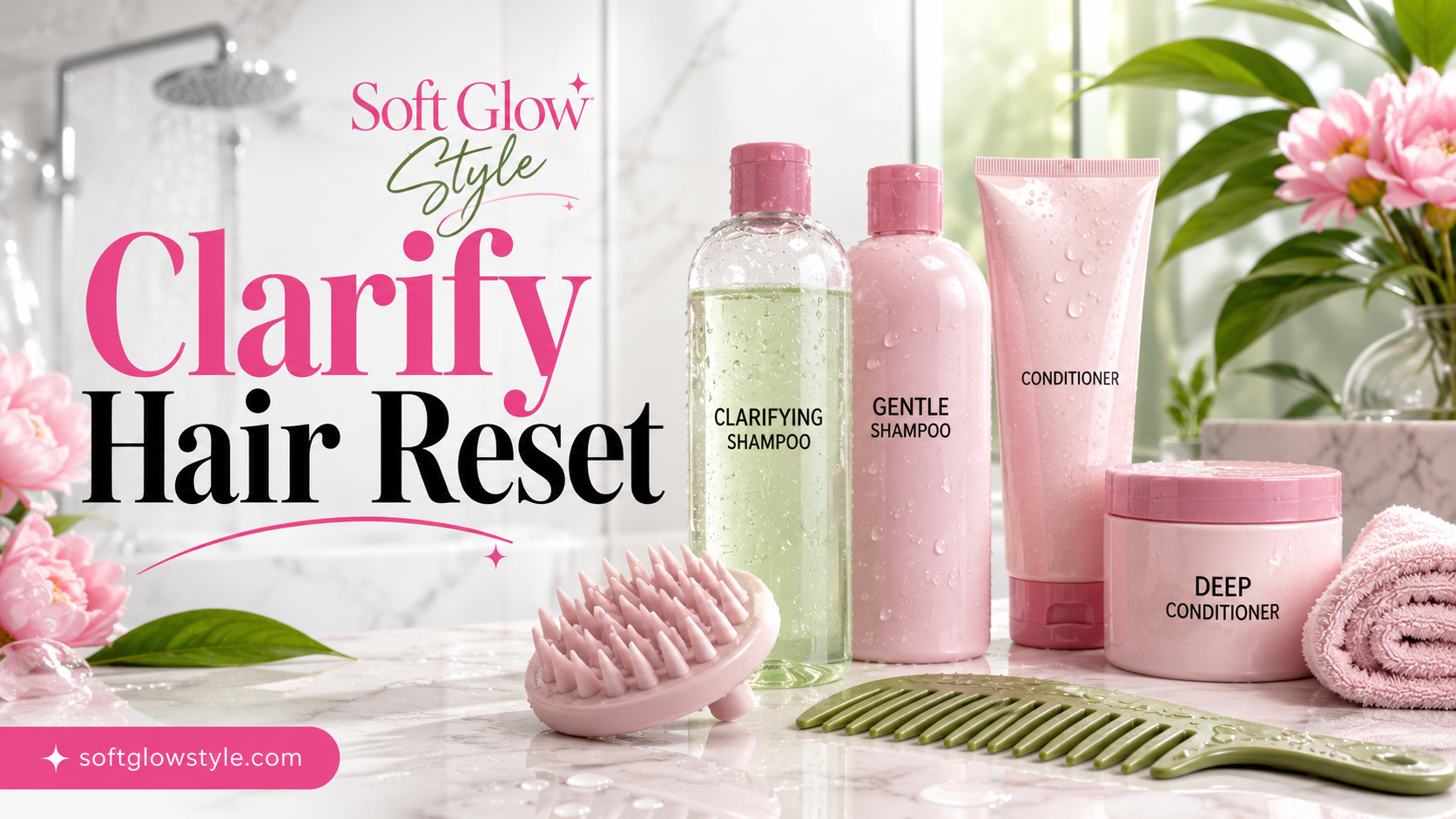
- Shampoo to clarify hair is used when your scalp or strands feel coated, dull, greasy, heavy or weighed down.
- Clarifying shampoo removes buildup from styling products, oils, dry shampoo, sweat, pollution and sometimes minerals.
- It is stronger than everyday shampoo, so it should not be used randomly every day.
- Many people only need a clarifying shampoo one to two times per month, depending on hair type and product use.
- Dry, curly, bleached, textured or color-treated hair should clarify carefully and always condition afterward.
- Clarifying shampoo is not always the same as chelating shampoo, which is more focused on mineral buildup.
- The best hair reset routine is simple: clarify the scalp, rinse well, condition the lengths, and return to a gentle routine.
Shampoo to clarify hair can feel like a full reset when your hair suddenly looks dull, flat, greasy or heavy no matter how often you wash it. Sometimes the issue is not that your hair is dirty in the usual way. It may be coated with product buildup, dry shampoo, scalp oil, sweat, hard water minerals, conditioner residue, styling cream, hairspray or pollution.
A clarifying shampoo is made to cleanse more deeply than a regular shampoo. It can help your scalp feel fresher and make your hair feel lighter, bouncier and easier to style. But it can also make hair feel dry if you overuse it or choose a formula that is too strong for your hair type.
Shampoo to Clarify Hair: What Does It Actually Do?
A shampoo to clarify hair removes buildup that regular shampoo may not fully clear. It is especially useful when hair feels coated, waxy, dull, sticky, limp or strangely oily even after washing.
Clarifying shampoo can help remove buildup from:
- Dry shampoo
- Hairspray
- Styling gel
- Mousse
- Leave-in conditioner
- Hair oils
- Silicone-heavy products
- Sweat and scalp oil
- Pollution
- Minerals from hard water, depending on the formula
Cleveland Clinic suggests using clarifying shampoo one to two times per month if you use a lot of styling products, because frequent product use can create buildup. It also notes that washing frequency depends on hair type, activity level and scalp needs. Read the Cleveland Clinic hair washing guide for more context.
For related hair care routines, start with professional clarifying shampoo guide, clarifying shampoo for bleached hair, and can I use shampoo as body wash.
What Is Clarifying Shampoo?
Clarifying shampoo is a stronger cleansing shampoo designed to remove buildup from the scalp and hair. It usually has more cleansing power than a gentle daily shampoo. Some formulas are mild enough for occasional home use, while others feel stronger and are better for heavy product users or salon-style resets.
Think of clarifying shampoo as a reset button, not your regular daily cleanser. It is useful when your normal shampoo stops making your hair feel clean.
| Shampoo Type | Main Job | Best For |
|---|---|---|
| Gentle daily shampoo | Regular cleansing | Frequent washing and normal routines |
| Clarifying shampoo | Removes product and oil buildup | Occasional hair reset |
| Chelating shampoo | Targets mineral buildup | Hard water, swimming, mineral deposits |
| Medicated shampoo | Targets scalp conditions | Dandruff, seborrheic dermatitis or scalp concerns |
| Moisturizing shampoo | Gentle cleansing plus softness | Dry, curly, textured or fragile hair |
Signs You Need to Clarify Your Hair
Your hair usually gives clues when it needs a reset. Clarifying is not something you need to do just because a trend says so. It is most useful when buildup is actually present.
You May Need Clarifying Shampoo If:
- Your hair feels heavy after washing.
- Your roots get greasy very quickly.
- Your hair looks dull or flat.
- Your curls or waves are not forming well.
- Your scalp feels coated or itchy from product residue.
- Your regular shampoo no longer feels effective.
- You use dry shampoo often.
- You use styling creams, oils, gels or sprays regularly.
- You swim often.
- You live in a hard-water area.
- Your hair feels waxy or sticky.
- Deep conditioner seems to sit on top instead of absorbing.
For hair that smells or feels coated, Cleveland Clinic also mentions clarifying shampoo as one way to help with buildup-related scalp odor. Persistent scalp smell, dandruff, irritation or sores should be checked by a healthcare professional.
7 Simple Reset Tips for Clarifying Hair
1. Clarify Only When Your Hair Needs It
Clarifying shampoo is useful, but more is not always better. If your hair already feels clean, soft and balanced, you may not need a reset yet.
Use clarifying shampoo when you notice buildup signs. Heavy product users may need it more often. Dry, curly, textured, bleached or color-treated hair may need it less often.
2. Focus on the Scalp First
Most buildup starts near the scalp and roots. Apply clarifying shampoo to the scalp first, then let the lather move through the lengths as you rinse.
Avoid piling all your hair on top of your head and scrubbing aggressively. This can cause tangles, breakage and roughness.
3. Use Fingertips, Not Nails
Massage with your fingertips. Do not scratch your scalp with nails. A clarifying shampoo is already a stronger cleanse, so rough friction is not necessary.
A gentle scalp massage helps loosen buildup without making the scalp feel irritated.
4. Rinse Longer Than Usual
Clarifying shampoo works best when rinsed thoroughly. If you leave shampoo residue behind, your hair can still feel coated.
Rinse until the hair feels clean and the scalp no longer feels slippery or soapy. This is especially important for thick, curly or dense hair.
5. Condition the Lengths and Ends
Clarifying shampoo can make hair feel squeaky or dry if you do not follow with conditioner. Always condition the mid-lengths and ends after clarifying.
If your hair is dry, bleached, curly or coarse, use a richer conditioner or hydrating mask after clarifying. For dry hair questions, read clarifying shampoo for bleached hair.
6. Do Not Clarify Right Before Every Style
Clarifying can make hair light and clean, but it can also remove natural oils that help some styles hold. If your hair needs grip for waves, curls or updos, clarifying right before styling may not always be ideal.
Clarify when your hair feels coated, then return to a balanced routine.
7. Adjust Based on Hair Type
Fine oily hair may tolerate clarifying more often than dry curly hair. Bleached hair may need a gentler formula. Color-treated hair should be careful because strong clarifying can fade color faster.
Your hair type should decide your schedule, not someone else’s routine.
How Often Should You Use Clarifying Shampoo?
There is no one perfect schedule. The right frequency depends on your scalp, hair texture, styling routine, product use, water quality and hair condition.
| Hair Situation | Possible Clarifying Schedule | Important Note |
|---|---|---|
| Fine oily hair with product use | Every 1 to 2 weeks if needed | Condition the ends |
| Normal hair with light products | 1 to 2 times per month | Use only when buildup appears |
| Dry or curly hair | Monthly or less | Follow with deep conditioner |
| Bleached hair | Occasionally and gently | Avoid harsh formulas |
| Color-treated hair | Only when needed | Choose color-safe if possible |
| Heavy dry shampoo use | As buildup appears | Do not use dry shampoo as full wash replacement |
The American Academy of Dermatology notes that dry, textured, curly or thick hair may only need shampooing when needed, sometimes at least every 2 to 3 weeks depending on the person. This is why clarifying schedules should be personalized, not copied from oily straight hair routines.
Clarifying Shampoo vs Regular Shampoo
Regular shampoo is for routine washing. Clarifying shampoo is for deeper buildup removal. If regular shampoo is like everyday cleaning, clarifying shampoo is like a more focused reset.
Regular Shampoo Is Better When:
- Your hair feels normal.
- You wash frequently.
- Your scalp is not coated.
- Your hair is dry or fragile.
- You want a gentle routine.
Clarifying Shampoo Is Better When:
- Your hair feels heavy or waxy.
- Your scalp feels coated.
- Your hair looks dull.
- Your styling products are building up.
- Your curls or waves look limp.
- Your regular shampoo is not enough.
Clarifying Shampoo vs Chelating Shampoo
Clarifying and chelating shampoos are often confused. Both are reset shampoos, but they are not always the same.
Clarifying shampoo usually targets product buildup, oils and residue. Chelating shampoo is designed to help remove mineral buildup from hard water, chlorine or metal deposits.
| Issue | Better Choice | Why |
|---|---|---|
| Dry shampoo buildup | Clarifying shampoo | Removes product residue |
| Hairspray and gel buildup | Clarifying shampoo | Breaks through styling product coating |
| Hard water dullness | Chelating shampoo | Targets minerals better |
| Pool chlorine feel | Swimmer or chelating shampoo | Targets pool-related residue |
| Oily coated scalp | Clarifying shampoo | Cleanses oil and buildup |
How to Use Shampoo to Clarify Hair
Using clarifying shampoo correctly helps you get the reset without making your hair feel rough.
- Fully wet your hair with warm water.
- Apply clarifying shampoo to your scalp.
- Massage gently with fingertips.
- Work the lather through the roots.
- Let the suds rinse through the lengths.
- Rinse very thoroughly.
- Repeat only if hair still feels coated and the product instructions allow.
- Apply conditioner to mid-lengths and ends.
- Use a hydrating mask if hair feels dry.
- Dry gently and avoid rough towel friction.
For wash-day basics, read can I use shampoo as body wash and does conditioner go bad.
Should You Double Shampoo When Clarifying?
Sometimes, but not always. If your scalp is very oily or coated, one quick first wash may loosen buildup, and a second wash may cleanse more effectively. But double shampooing with a strong clarifying formula can be too drying for some hair types.
Double Shampoo May Help If:
- You use heavy styling products.
- You use lots of dry shampoo.
- Your scalp is very oily.
- Your first wash barely lathers.
- Your hair still feels coated after one wash.
Skip Double Shampoo If:
- Your hair is bleached.
- Your hair is very dry.
- Your scalp is sensitive.
- Your curls become rough easily.
- Your hair already feels squeaky after one wash.
Best Ingredients to Look for in Clarifying Shampoo
Clarifying formulas vary. Some are strong and simple. Some are gentler with conditioning ingredients. Some are made for color-treated hair. Some are chelating formulas for mineral buildup.
Useful Formula Directions
- Strong cleansing agents for buildup removal
- Gentler surfactant blends for dry or color-treated hair
- Chelating ingredients if hard water is the problem
- Light conditioning support for dry lengths
- Fragrance-free options if your scalp is sensitive
- Color-safe claims if your hair is dyed
A shampoo can clarify hair without making it feel stripped if the formula is balanced and used correctly.
Clarifying Shampoo for Oily Scalp
Oily scalps often benefit from occasional clarifying because oil, sweat and product residue can collect quickly. But oily scalp does not always mean you need the harshest shampoo possible.
Oily Scalp Tips
- Focus shampoo on the scalp, not the ends.
- Rinse thoroughly.
- Condition only the mid-lengths and ends.
- Do not replace every wash with clarifying shampoo.
- Use dry shampoo as a temporary helper, not a full wash replacement.
If your scalp smells, flakes, burns or itches even after clarifying, it may be more than buildup. A dermatologist can check for dandruff, seborrheic dermatitis or scalp inflammation.
Clarifying Shampoo for Dry Hair
Dry hair should clarify carefully. The goal is to remove buildup without leaving the hair rough, tangled or brittle.
Dry Hair Tips
- Use clarifying shampoo less often.
- Apply mainly to the scalp.
- Do not scrub the lengths aggressively.
- Follow with conditioner.
- Use a deep conditioner if needed.
- Avoid clarifying right before heat styling if hair feels fragile.
For a stronger dry-hair reset, read professional clarifying shampoo guide.
Clarifying Shampoo for Curly Hair
Curly hair can benefit from clarifying because gels, creams, oils and leave-ins can build up and weigh curls down. After clarifying, curls may spring back better.
However, curly hair can also dry out quickly. A monthly or occasional clarifying routine may be enough for many curl types.
Curly Hair Reset Tips
- Detangle before washing if needed.
- Use clarifying shampoo mostly on the scalp.
- Rinse well so product residue is fully removed.
- Follow with a moisturizing conditioner or mask.
- Style with lighter layers after clarifying.
- Do not clarify again too soon if curls feel dry.
Clarifying Shampoo for Color-Treated Hair
Color-treated hair needs caution. Clarifying shampoo can sometimes fade color faster because it cleanses more deeply than gentle color-care shampoo.
Color-Treated Hair Tips
- Choose color-safe clarifying formulas when possible.
- Clarify only when buildup is obvious.
- Avoid clarifying right after fresh color.
- Use cool or lukewarm water, not very hot water.
- Condition well afterward.
- Ask your stylist before clarifying vivid color or toner-heavy blonde.
If your hair is bleached, read clarifying shampoo for bleached hair before using a strong reset shampoo.
Clarifying Shampoo for Bleached Hair
Bleached hair is more fragile because the lightening process can leave strands more porous. Clarifying too often can make bleached hair feel rough or straw-like.
Use a gentle clarifying formula only when needed, and follow with a moisturizing or bond-supporting routine if your hair tolerates it. Avoid strong clarifying before major heat styling or when your hair already feels brittle.
Clarifying Shampoo for Hard Water Buildup
Hard water can leave minerals on the hair, making it feel dull, dry, rough or coated. A basic clarifying shampoo may help some residue, but mineral buildup often needs a chelating shampoo.
Signs Hard Water May Be an Issue
- Hair feels rough after washing.
- Hair looks dull even when clean.
- Color looks off or brassy.
- Shampoo does not lather well.
- Hair feels coated after showering.
- White residue appears on shower fixtures.
If hard water is your main issue, look for a chelating formula or ask a stylist for guidance.
Clarifying Shampoo Before Deep Conditioner
Using clarifying shampoo before a deep conditioner can be helpful because it removes buildup that may block conditioner from working well. This is why many people do a reset wash before a hair mask.
Good Reset Order
- Clarifying shampoo
- Thorough rinse
- Deep conditioner or hair mask
- Cool final rinse if preferred
- Leave-in conditioner if needed
- Gentle drying
This routine is especially helpful when your hair feels coated but dry at the same time.
What to Avoid When Clarifying Hair
Clarifying is simple, but a few mistakes can make the hair feel worse.
Avoid These Mistakes
- Using clarifying shampoo every wash without a reason
- Skipping conditioner afterward
- Scrubbing the scalp with nails
- Applying strong shampoo repeatedly to dry ends
- Clarifying freshly colored hair too soon
- Using a harsh formula on fragile bleached hair
- Clarifying and heat styling aggressively on the same day
- Assuming all buildup is product buildup when it may be scalp condition
Can Clarifying Shampoo Help Itchy Scalp?
It depends on the cause. If itching comes from product buildup, sweat, dry shampoo or residue, clarifying shampoo may help. If itching comes from dandruff, eczema, psoriasis, allergy, infection or seborrheic dermatitis, clarifying shampoo may not fix it.
See a dermatologist if itching is persistent, painful, scabby, flaky, bleeding or linked with hair loss.
Can Clarifying Shampoo Help Smelly Scalp?
It may help if the smell is caused by oil, sweat and product buildup. Cleveland Clinic notes that smelly scalp may be helped by changing hair products and using a clarifying shampoo designed to prevent product buildup.
But if scalp odor is strong, persistent or paired with rash, sores, dandruff or pain, it is safer to get medical guidance.
Can Clarifying Shampoo Remove Dry Shampoo Buildup?
Yes, clarifying shampoo is often useful for dry shampoo buildup. Dry shampoo can absorb oil temporarily, but it does not fully clean the scalp like washing with water and shampoo.
Dry Shampoo Reset Tips
- Do not keep layering dry shampoo for many days.
- Clarify when roots feel powdery or coated.
- Massage shampoo into the scalp well.
- Rinse carefully around the crown and hairline.
- Condition the ends afterward.
Clarifying Shampoo and Hair Growth
Clarifying shampoo does not directly make hair grow faster. But a cleaner scalp may feel more comfortable, and removing buildup can help hair look fuller and lighter.
If you have hair shedding, thinning, bald patches, scalp sores or sudden hair loss, do not rely on clarifying shampoo alone. A dermatologist can help find the cause.
For general hair reading, visit hair growth guide and Routine shampoo review.
Simple Clarifying Hair Reset Routine
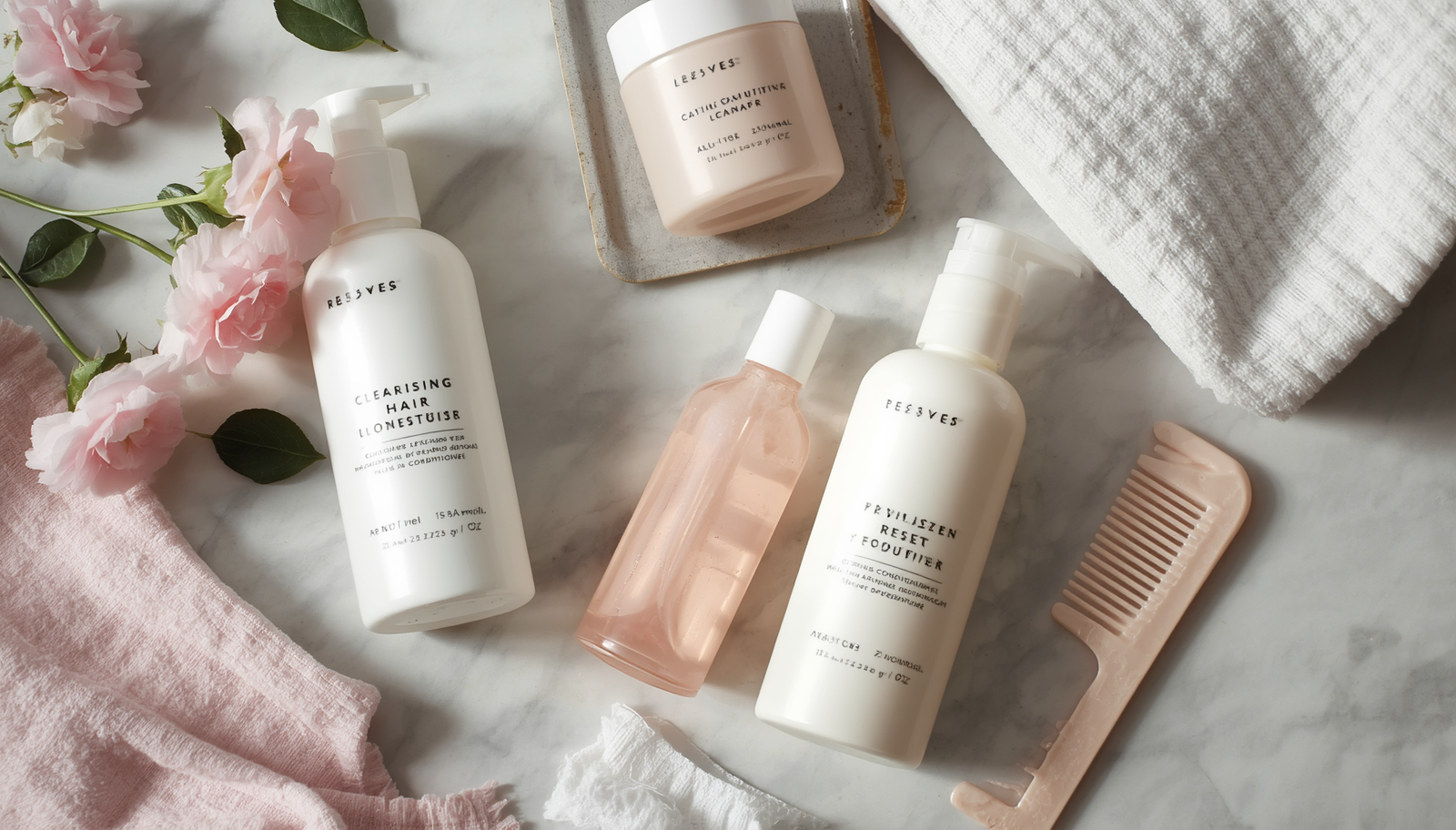
This easy routine works for many hair types when used occasionally.
Before Washing
- Brush gently if your hair tangles easily.
- Do not apply heavy oil right before clarifying unless that is part of your planned wash routine.
- Prepare conditioner or mask for after shampoo.
During Washing
- Wet hair fully.
- Apply clarifying shampoo to scalp.
- Massage gently for 30 to 60 seconds.
- Rinse well.
- Repeat only if needed.
- Condition mid-lengths and ends.
After Washing
- Use a leave-in conditioner if hair feels dry.
- Use less styling product than usual.
- Let hair air-dry partly before detangling if your hair type allows.
- Avoid heavy product layering immediately after reset.
Common Clarifying Shampoo Myths
Myth 1: Clarifying Shampoo Is Only for Oily Hair
Dry and curly hair can also need clarifying if product buildup is present. The key is using it less often and conditioning well.
Myth 2: Clarifying Shampoo Fixes Every Scalp Problem
Clarifying shampoo can help buildup, but it will not treat every scalp condition. Persistent itching, flaking, sores or pain need professional advice.
Myth 3: Clarifying Shampoo Should Make Hair Squeaky
Squeaky hair is not always a good sign. Hair can be clean without feeling stripped. If your hair feels rough after every clarify, the formula may be too strong.
Myth 4: Clarifying Shampoo Is the Same as Detox Shampoo
Many “detox” shampoos are just clarifying shampoos with trendier wording. Always judge by the formula and what your hair needs.
Myth 5: Clarifying Shampoo Removes All Hair Color
Clarifying shampoo may fade some color faster, but it does not instantly remove all dye. Still, color-treated hair should clarify carefully.
Expert Tips from Sawera Shahid
Sawera Shahid, a beauty, skincare, fashion and lifestyle writer with 5+ years of experience, recommends using shampoo to clarify hair as a reset, not a punishment. The goal is lighter, cleaner hair, not dry, rough strands.
- Clarify when buildup is visible or noticeable.
- Focus on the scalp and roots.
- Do not scrub with nails.
- Condition the lengths every time.
- Use a hydrating mask after clarifying if hair feels dry.
- Choose color-safe formulas if your hair is dyed.
- Use chelating shampoo if hard water is the real issue.
- Reduce styling product layers after a reset.
Soft Glow Style Internal Reading Map
Use these related Soft Glow Style guides to build a stronger hair care, beauty, skincare, makeup, nail, fashion and lifestyle routine around shampoo to clarify hair. This section includes 100+ internal links for stronger topical support.
Hair Care and Shower Routine Links
- professional clarifying shampoo guide
- clarifying shampoo for bleached hair
- can I use shampoo as body wash
- does conditioner go bad
- Routine shampoo review
- Routine shampoo and conditioner guide
- hair growth guide
Skincare Routine Links
- dermaplaning for sensitive skin
- serum at night
- hydrating face mask for dry skin
- skincare infused makeup
- best skincare products guide
- 5 step Korean skincare routine
- how to layer Korean skincare
- Korean skincare set for glowing skin
- Korean skincare sets that actually work
- best Korean skincare for acne-prone skin
- Korean acne skincare top picks
- foaming cleanser for oily skin
- fungal acne cleanser guide
- face wash for fungal acne
- does argan oil clog pores
- raw honey mask for face
- ice water face dip
- benefits of ice bath for face
- visible pores are a flex
- visible pores and skin texture guide
- Korean beauty standards explained
- American beauty standards explained
Beauty and Makeup Links
- Soft Glow Style beauty hub
- what is tinted moisturizer
- sweat resistant makeup
- bronzer vs blush
- bronzer for dark skin
- what eyeshadow with brown eyes
- heatproof makeup in hot weather
- no makeup makeup routine
- cloud skin makeup base
- cloud skin vs glass skin guide
- blurry blush soft glam trend
- blurryface makeup and modern beauty flaws
- lip gloss layering for plump lips
- faux freckles trend guide
- metallic faux freckles beauty idea
- Tumblr beauty trends coming back
- how beauty standards affect mental health
- popular beauty blogs to follow
- Dime Beauty and Empire Beauty explainer
- American Beauty rose makeup inspiration
- vintage American Beauty rose shade
Nail Art and Pedicure Links
- Soft Glow Style nail art hub
- summer pedicure nail colors
- cat eye nail colors
- soap nails polish
- pastel nail colors 2026
- white nail polish ideas
- types of nails at salon
- what is hard gel nails
- multi color French tip nails
- water nails vs chrome nails comparison
- best nail polish for summer 2026
- July nail colors 2026
- ice cream nails manicure trend
- ice cream nails color ideas
- best nail polish stickers
- lifestyle nail bar guide
- lifestyle nail bars and beauty spaces
- how to match nail art with skincare
Fashion and Outfit Links
- Soft Glow Style fashion hub
- what to wear in Miami
- what to wear to a Broadway show
- fashion tips to look stylish
- best fashion tips and tricks
- 15 piece capsule closet that feels wearable
- 15 piece capsule closet starter guide
- ethereal fashion in real life
- ethereal girl aesthetic guide
- coquette core power suits
- power suits and ballet flats
- tomato girl summer style
- tomato girl meets olive green
- underconsumption core minimalist trend
- underconsumption core when minimalism feels real
- vintage tees and boxers outfit guide
- vintage tees paired with slip skirts
- mismatched shoes 2.0 pattern guide
- mismatched shoes trend guide
- feral girl fall trend
- tapestry hoodie style guide
- Euriental fashion and luxury travel
- Oh So Jack fashion and lifestyle
- science of appearance and men’s grooming
Lifestyle and Wellness Links
- Soft Glow Style lifestyle hub
- luxury family travel and lifestyle
- Sunday reset routine that feels realistic
- Sunday reset that actually works
- silent wellness trend explained
- digital detox wellness trend
- digital nostalgia is back
- digital nostalgia and MP3 culture
- wellness fridges trend guide
- wellness fridges and beauty storage
- how to start a healthy lifestyle
- importance of a healthy lifestyle
- what is sedentary lifestyle
- romanticize solo life
- lifestyle blog for women and family routines
- outdoor lifestyles for escaping screens
- outdoor lifestyles and adventure guide
- make a studio smell expensive using simple habits
- make a studio smell expensive guide
- decorate with books quiet luxury hack
- decorate with books for a softer home
- aesthetic burnout and vibe curation
Trending Reads and Site Hubs
- featured Soft Glow Style reads
- Soft Glow Style blog archive
- where to watch True Beauty
- Bold and Beautiful comings and goings
- Sleeping Beauty of Everest truth
- Sleeping Beauty Everest chilling story
- Sleeping Beauty Mount Everest heartbreaking story
- Andrea Chong fashion travel lifestyle blog
- about Soft Glow Style
- contact Soft Glow Style
Frequently Asked Questions
What is shampoo to clarify hair?
Shampoo to clarify hair is a deeper-cleansing shampoo used to remove buildup from styling products, dry shampoo, oils, sweat, pollution and residue that regular shampoo may not fully remove.
How often should I use clarifying shampoo?
Many people use clarifying shampoo one to two times per month. Oily hair, heavy product use, swimming or hard water may need a different schedule, while dry or color-treated hair may need less.
Can clarifying shampoo damage hair?
Clarifying shampoo can make hair feel dry or rough if used too often or if the formula is too strong for your hair type. Use it only when needed and condition afterward.
Should I use conditioner after clarifying shampoo?
Yes. Conditioner after clarifying shampoo helps restore softness, reduce tangles and protect the mid-lengths and ends from feeling stripped.
Is clarifying shampoo good for curly hair?
Clarifying shampoo can help curly hair when gels, creams and oils build up, but curly hair should clarify carefully and follow with deep conditioner or moisturizing products.
Is clarifying shampoo the same as chelating shampoo?
No. Clarifying shampoo usually removes product and oil buildup. Chelating shampoo is designed to target mineral buildup from hard water or swimming.
Final Thoughts
Shampoo to clarify hair is useful when your hair feels heavy, dull, greasy, waxy, sticky or coated. It can remove buildup and make your scalp feel fresh again. But it is not meant to replace every wash, especially if your hair is dry, curly, bleached, fragile or color-treated.
Use clarifying shampoo as a reset. Focus on the scalp, rinse well and always condition the lengths. Choose a gentler formula if your hair is delicate, and consider a chelating shampoo if hard water is the real problem. When used at the right time, clarifying shampoo can help your hair feel lighter, cleaner and easier to style.
Final Recap
- Clarifying shampoo removes buildup from hair and scalp.
- It is helpful for product residue, dry shampoo, oil and heavy styling routines.
- Many people only need it one to two times per month.
- Dry, curly, bleached and color-treated hair should clarify carefully.
- Always condition after clarifying shampoo.
- Chelating shampoo is better for hard water mineral buildup.
- Persistent scalp itching, smell, sores or flakes should be checked by a dermatologist.